
Best Cold Weather Boots for Men by Budget: What Each Tier Buys in 2026
Disclosure: We may earn a commission when you buy through links on this page, at no extra cost to you. As an Amazon Associate I earn from qualifying purchases. Learn more

Learn what cold weather boots for men cost at each spending level, which features deserve your money, and how to judge fit, traction, and warmth before you buy.
Winter boots for men range from modest prices to several hundred dollars, and the price tag alone does not tell you which pair will keep you warm. Best cold weather boots for men differ mainly in insulation, waterproofing, outsole grip, and build quality, and those differences show up clearly once you compare spending levels. This guide explains what each level usually buys, so you can spend where it matters for your winters and skip what it does not.
The product table gives a quick side by side view of the main choices, while the sections that follow explain the trade offs in detail. Think first about how cold your winters get, how long you stand outside, and whether you walk on ice, snow, mud, or cleared pavement. Those answers matter more than any single feature claim.
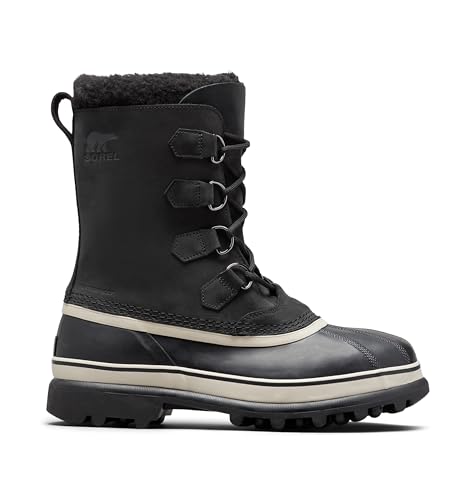


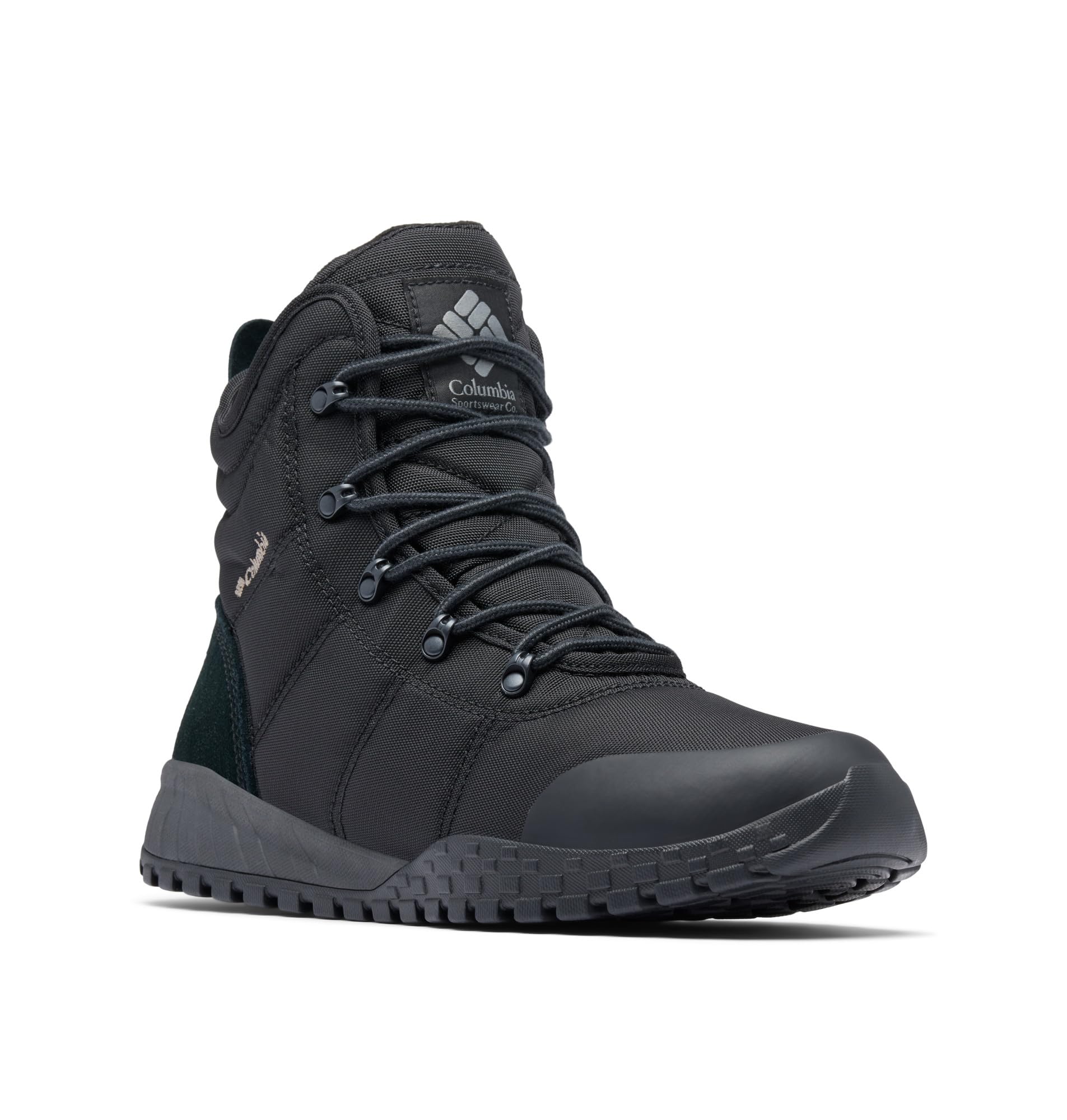
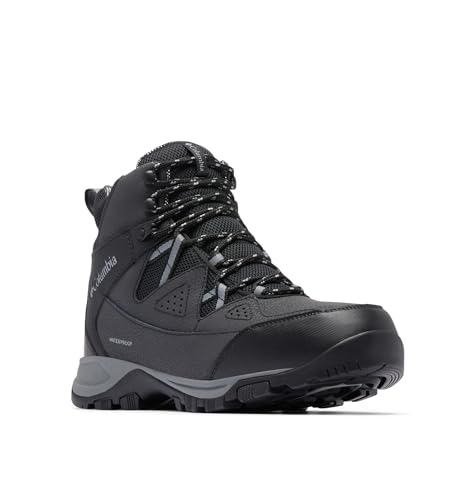
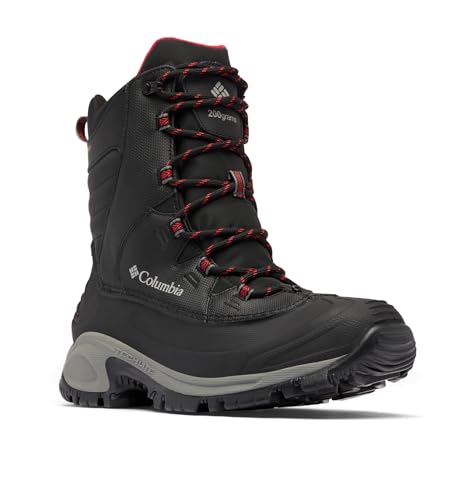

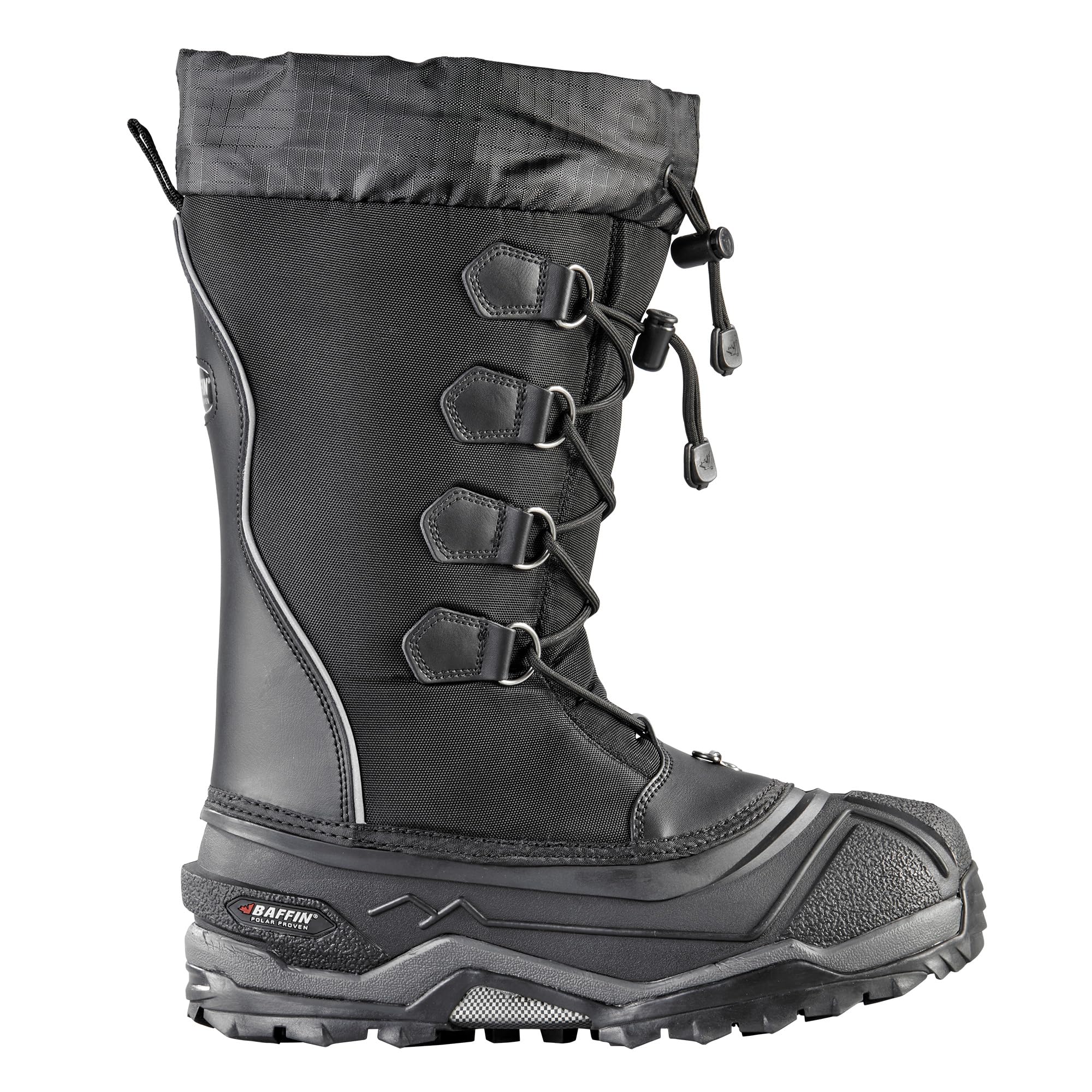

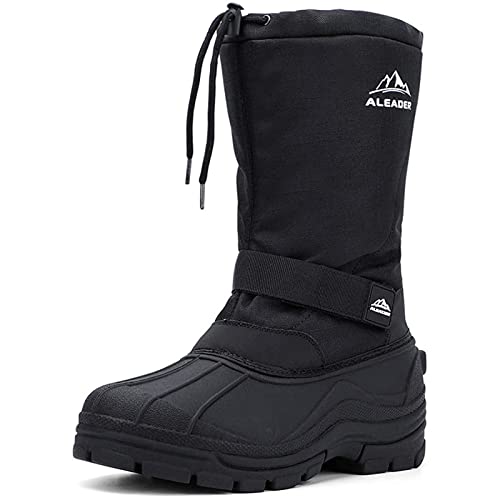
What Your Money Gets You at Each Price Tier
Price tiers in this guide are approximate, and the same boot can sit in different tiers depending on sales and size availability. Use the tiers as a way to compare what is typical, not as a promise about any single pair. A lower priced boot can serve a mild winter well, while a higher priced boot earns its keep when you face deep cold, wet snow, and long days outdoors.
Lower Spending: What You Get
At about $60 to $120, expect basic insulation, a waterproof or water resistant upper, and a rubber outsole with a modest lug pattern. These boots suit short trips, cleared sidewalks, and winters where temperatures rarely drop far below freezing. The insulation is usually a fixed liner or a thin layer of synthetic fill, so warmth depends heavily on your socks and on how much you move. If you want one pair for every season rather than a dedicated winter pair, see our guide to the best all weather boots for men before you commit to a winter only design.
Middle Spending: The Broad Middle
At about $120 to $200, you usually get thicker insulation, a more reliable waterproof membrane, better arch support, and deeper lugs for snow and ice. This level fits men who walk to work, shovel snow, or spend a few hours outside on cold weekends. Removable liners appear more often here, which helps drying and lets you adjust warmth with different socks. Work focused pairs also cluster in this range, and you can compare job site needs in our guide to the best cold weather work boots if your boots must handle concrete, ladders, and long shifts.
Higher Spending: Where Extra Money Goes
At about $200 to $350, extra money usually buys better materials, stronger stitching, more precise sizing, and insulation rated for deeper cold. These boots suit long exposure, remote trails, and winters with sustained subzero wind. You may also get replaceable liners, better ankle support, and outsoles designed to grip ice rather than just snow. Paying more does not guarantee warmth on its own, so check the insulation type, the shaft height, and the sole design against the conditions you actually face.
Features Worth Paying For (and Ones to Skip)
Not every feature deserves the same weight in your decision. Warmth, waterproofing, and grip decide most winter outcomes, while small extras matter only after those three are right. Use this section to sort genuine value from marketing detail, and match each feature to your own winter routine.
Waterproofing and Membranes
A waterproof membrane keeps melting snow and slush out of the boot, which matters because wet insulation loses warmth fast. Fully waterproof boots suit wet snow, puddles, and slushy streets, while water resistant boots may be enough for dry cold and short walks. The trade off is breathability, since a sealed boot traps sweat on active days and can leave socks damp from the inside. If your winters mix wet and dry days, a removable liner helps because you can dry it fully between outings.
Arch Support and Foot Type
Arch support shapes comfort over long days, and flat feet and high arches need different amounts of it. A contoured footbed or a removable insole lets you adjust support without changing boots, which is useful if you already use inserts. Overpronation, where the foot rolls inward, calls for firmer support under the arch and a stable heel counter. Try boots late in the day with the socks you will actually wear, since feet swell slightly and a boot that fits in the morning can feel tight by evening.
Outsole Traction and Terrain
Lug depth and rubber compound decide grip on snow, ice, and mud, and shallow lugs slip sooner on packed surfaces. Deep, widely spaced lugs shed snow and bite into soft ground, while a softer rubber compound grips ice better but wears faster on pavement. Hunters who cross frozen fields and wooded ground face different traction needs from city walkers, and you can compare field focused options in our guide to the best cold weather hunting boots. Match the outsole to your most common surface rather than to the roughest ground you might cross once a year.
What Men Should Look For
Men's winter boots vary widely in width, weight, and calf fit, so size labels alone do not guarantee a good match. Wider feet need a roomy toe box that lets toes spread and wiggle, since cramped toes get cold faster. Weight matters on long walks, because a heavy boot tires legs and changes your stride over a full day. Ease of use counts too, with pull loops, wide openings, and simple lacing making a real difference when hands are cold or gloved.
Fit, Sizing, and Toe Box
Measure both feet in the afternoon while wearing winter socks, and use the larger foot as your guide. A good fit leaves about a thumb width of space ahead of your longest toe and lets you wiggle your toes without pressure on the sides. Trail walkers need the same room plus a secure heel, since a loose heel causes blisters on climbs, and you can compare trail focused designs in our guide to the best hiking boots for cold weather. If you sit between sizes, size up for thick socks and add an insole rather than squeezing into the smaller size.
Long Term Costs to Factor In
The purchase price is only part of what a pair of winter boots costs over its life, so budget for thick socks, replacement insoles, waterproofing spray or wax, and possibly a second pair of liners if your boots use removable ones. Boots worn daily in salt and slush wear faster than boots worn only on weekends, and resoling is possible only for designs built to accept it. Check the warranty terms before buying, since coverage for seams, zippers, and soles varies widely. A general roundup of winter options can help you weigh these running costs, and our guide to the best cold weather boots covers the broader range side by side.
Cold Weather Boots: Your Questions Answered
What makes cold weather boots for men different?
Cold weather boots for men differ from ordinary boots in insulation, shaft height, waterproofing, and outsole design built for snow and ice. Insulation traps body heat around the foot, while a taller shaft keeps snow out of the ankle and lower leg. Waterproof uppers and sealed seams stop melting snow from soaking the lining, and deep lugs grip slippery ground. Together these features suit sustained cold exposure, while ordinary boots suit mild weather and short trips, and sizing also differs, since winter boots leave room for thick socks without cramping toes.
Can I wear cold weather boots all day?
You can wear cold weather boots all day if the fit leaves toe room, the weight suits your stride, and the insulation matches the temperature. Overly warm boots cause sweaty feet indoors, which then feel cold once you step outside again, so removable liners help on mixed days. Arch support and cushioning matter more over eight hours than over a short walk, and a secure heel prevents blisters. If you spend most of the day indoors, change into lighter shoes inside and save the winter boots for outdoor time.
How often should I replace my cold weather boots?
Replace cold weather boots when insulation packs down, seams leak, or lugs wear smooth, which may take two to five winters depending on use. Daily wear on salted pavement wears soles and stitching faster than occasional weekend use. Check the lining each season for thin spots and the outsole for worn heel edges that change your gait. A boot that still looks fine but no longer keeps feet warm has lost its main job, even if the upper seems intact.
How should cold weather boots fit?
Cold weather boots should fit with room for thick socks, a thumb width ahead of the longest toe, and a heel that stays put when you walk. Measure feet late in the day, since feet swell slightly, and test the fit while standing rather than sitting. Toes should wiggle freely, because cramped toes lose warmth and circulation quickly. If the heel slips, try a different lacing pattern or a thicker insole before moving up a full size.
Do I need waterproof shoes for winter?
You need waterproof boots for winter when you face wet snow, slush, puddles, or rain mixed with snow, since soaked insulation stops warming your feet. Dry cold regions and short walks on cleared paths may allow water resistant boots instead. Waterproofing adds warmth retention in wet conditions but can reduce breathability on active days. Removable liners offset that trade off by letting you dry the boot fully overnight.
Are expensive cold weather boots worth it?
Expensive cold weather boots are worth it when you face deep cold, long outdoor hours, or rough terrain that cheaper boots handle poorly. Higher prices usually buy better insulation, stronger seams, and outsoles tuned for ice, but those gains matter less for short city trips in mild winters. Compare the insulation rating, shaft height, and sole design against your real conditions rather than assuming price equals warmth. For many buyers, a middle priced boot with the right fit outperforms a costly boot bought a size too small.
Final Thoughts
Choose by conditions first, then by fit, and let price follow those two decisions. Warmth, waterproofing, and grip decide most winter days, while extras matter only after those basics are right. Check the product table above once more, compare the tiers against your winters, and pick the pair that fits your feet, your terrain, and your budget. Best cold weather boots for men are the ones you can wear comfortably all winter, not the ones with the highest price or the longest feature list.


