
Best Cold Weather Mountain Bike Pants: Which Type Is Right for You in 2026
Disclosure: We may earn a commission when you buy through links on this page, at no extra cost to you. As an Amazon Associate I earn from qualifying purchases. Learn more

Compare the best cold weather mountain bike pants by type, warmth, weather protection, and fit, with clear guidance on layering, sizing, and care.
Choosing best cold weather mountain bike pants feels confusing because every pair promises warmth, yet the fabrics and cuts work in very different ways. A heavily insulated pair that feels perfect on a slow trail ride in deep cold can leave you sweating on a hard climb. A thin shell that blocks rain beautifully may do almost nothing on a dry and windy morning.
This guide compares the main types side by side, explains how warmth and weather protection differ, and shows how fit affects pedaling. Use the product table to narrow your shortlist, then read the sections that match your local winter conditions.
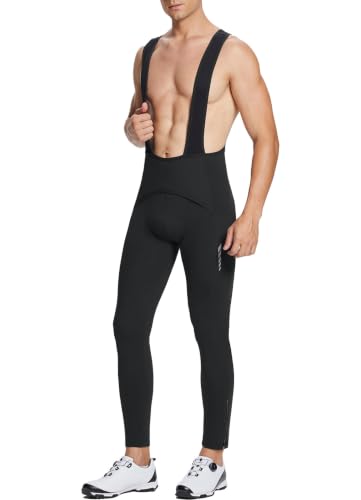
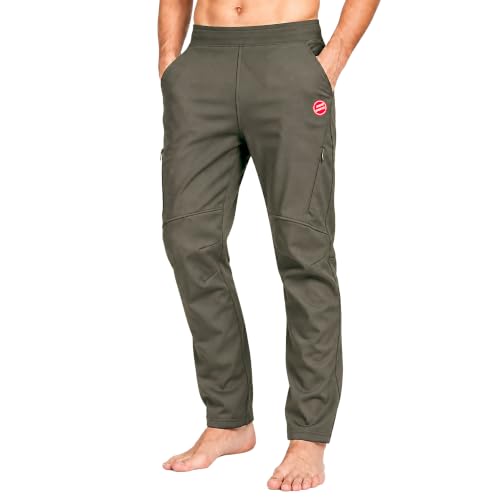
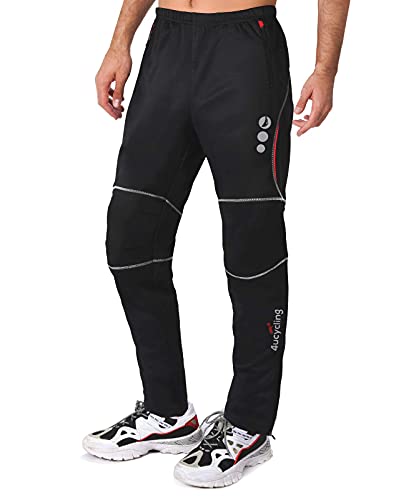

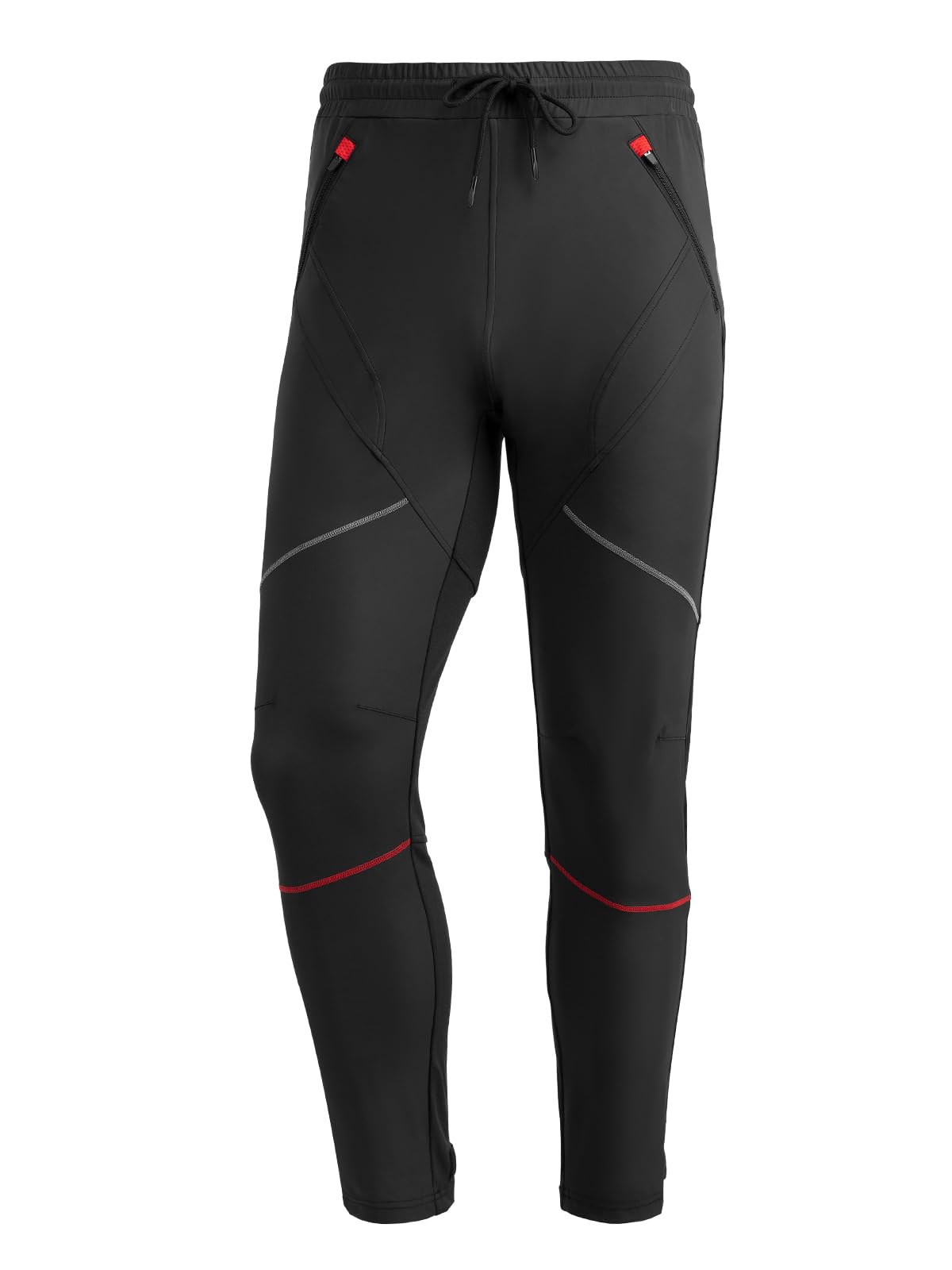
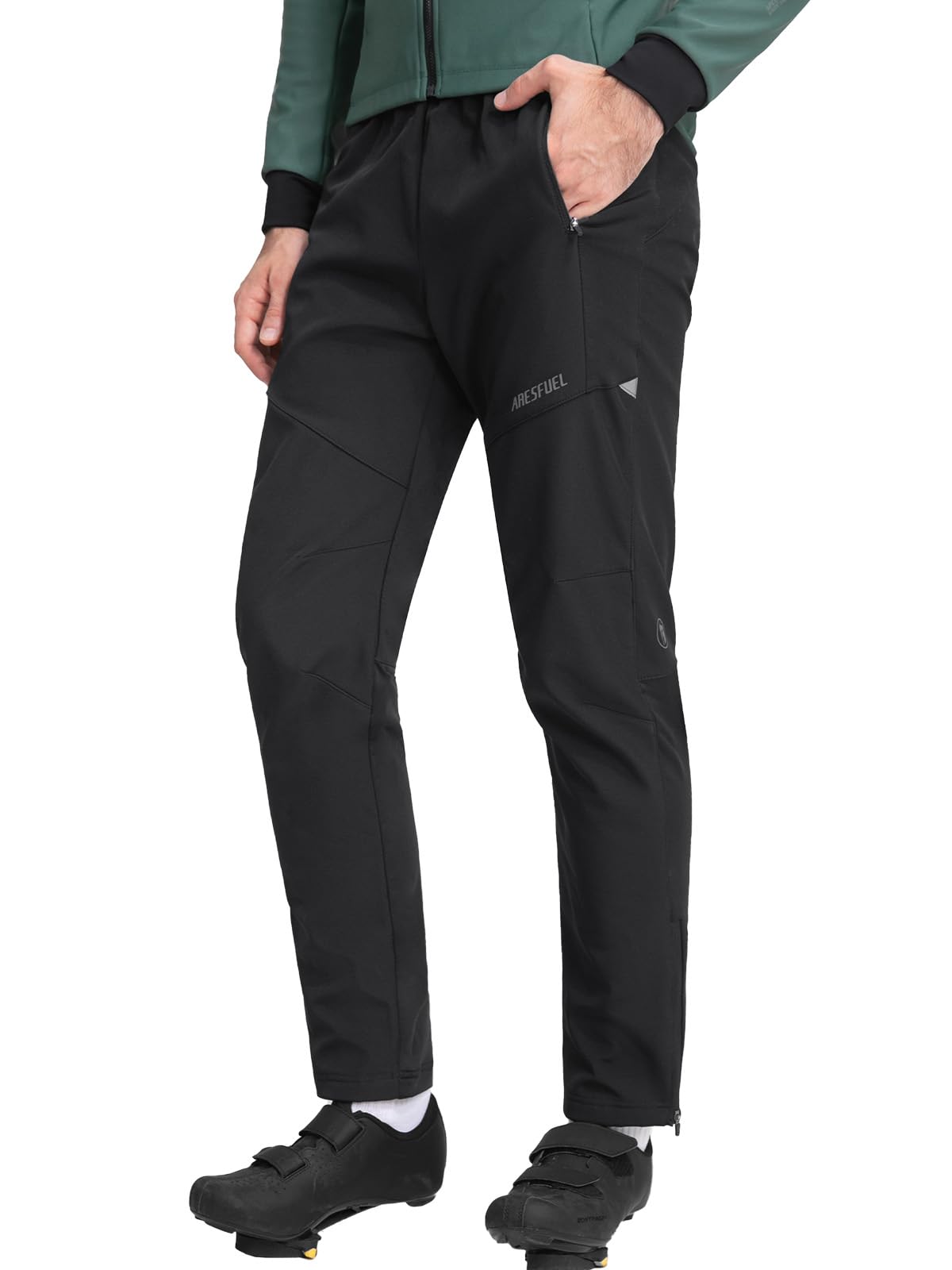


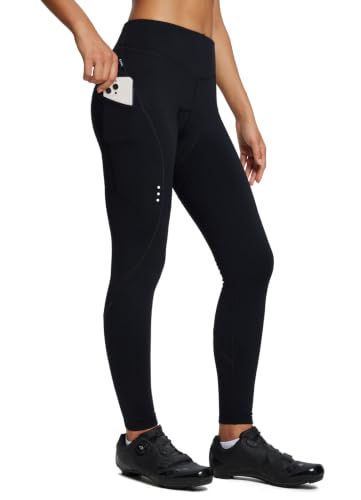
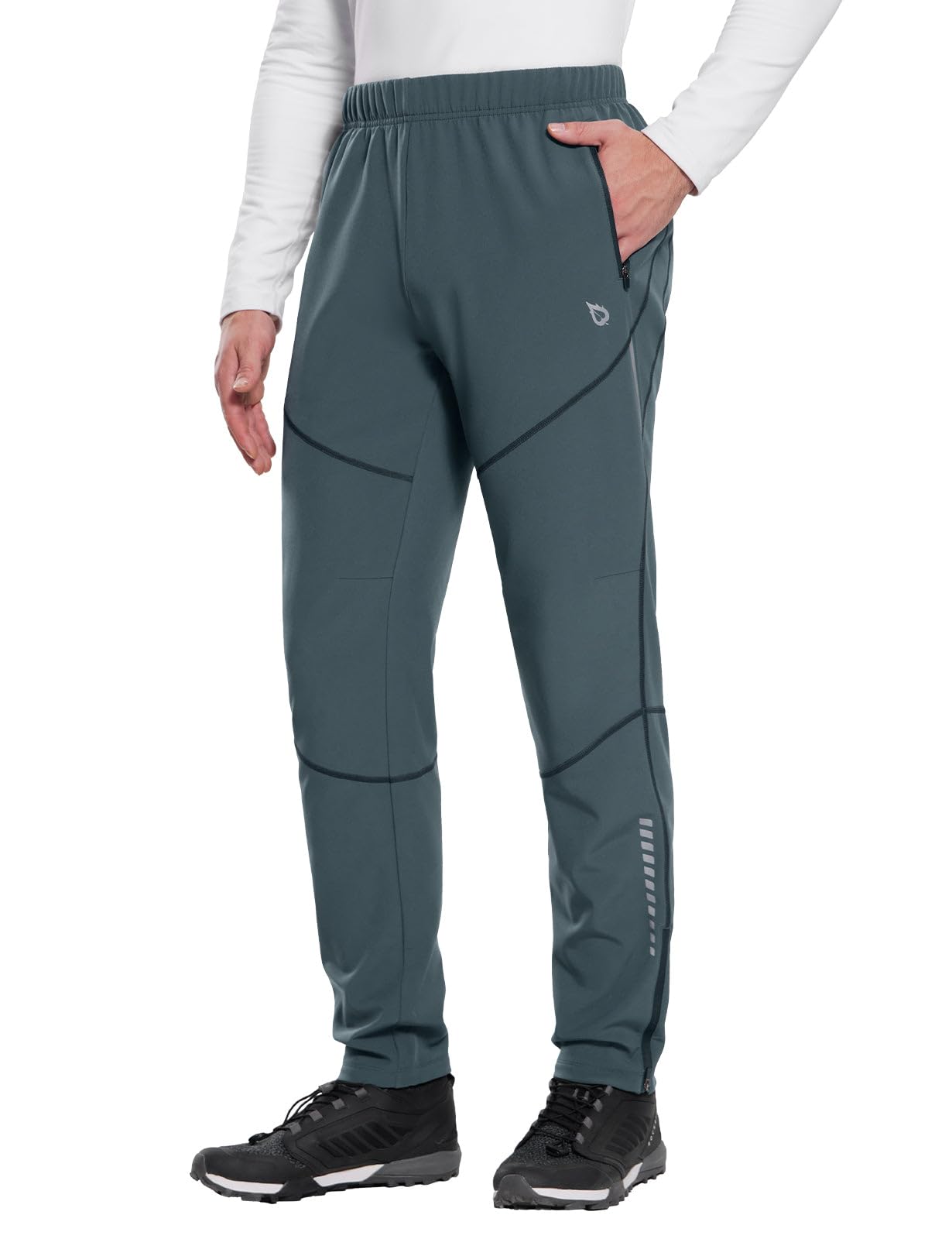
Types of Cold Weather Mountain Bike Pants Compared
Cold weather riding pants fall into three broad types, and the differences matter more than color or pocket count. Insulated softshell pants are the everyday workhorse for dry cold. Waterproof shell pants handle rain, slush, and wet trails. Fleece lined tights and layered options suit riders who pedal hard and generate plenty of their own heat.
Price gives a rough signal of where a pair sits. Light tights often cost around $60 to $120, insulated softshell pants commonly run about $100 to $200, and full waterproof shells can reach around $180 to $300.
Insulated Softshell Pants
Softshell pants use a woven outer fabric bonded to a brushed fleece inner face. The outer surface sheds light drizzle and blocks much of the wind, while the fleece traps warmth without the bulk of a separate lining. Stretch in the weave lets the knee bend freely, and most pairs use a tapered leg that stays clear of the chainring.
Choose this type if most of your winter rides are dry, cold, and windy, and you want one pair to wear on its own. The weakness is heavy rain, because the fabric eventually soaks through and the wet fleece feels cold. Riders who run hot should look for panels of lighter fabric behind the knee.
Waterproof Shell Pants
Waterproof shell pants use a membrane laminated inside a tough outer fabric, with seams sealed so water cannot creep through the stitching. Most have little or no insulation, because the job of the shell is to keep you dry while layers underneath provide warmth. A durable water repellent finish on the surface makes rain bead and roll off at first.
Choose this type for wet climates, sloppy trails, and rides where spray from the rear wheel soaks your legs within minutes. The trade offs are a crinkly feel, less stretch, and warmth that depends entirely on what you wear beneath. If you ride in dry cold only, a shell can feel like paying for protection you rarely use.
Fleece Lined Tights and Layered Options
Fleece lined tights are close fitting stretch pants with a soft thermal inner surface and no baggy outer layer. Some include a chamois pad, while others are unpadded and meant to go over your usual padded liner shorts. Because the fabric hugs the leg, there is nothing to flap, snag, or catch on the saddle when you move around on the bike.
Choose tights if you pedal at a steady effort, ride smoother trails, and dislike loose fabric. They are usually the least protective option in wind and rain, and they offer little coverage against brush or a slide on rough ground.
Softshell Pants vs Waterproof Shell Pants: Which Should You Choose?
The product table lets you compare the options, but the real choice comes down to the weather you actually ride in. Softshell pants win on comfort for dry cold days, because they breathe better during climbs and feel soft from the first minute. Waterproof shells win whenever the trail is wet, because staying dry matters more than a little extra softness once temperatures drop.
Think about your coldest and wettest typical ride rather than the worst day of the year. If rain shows up on half your winter rides, start with a shell and add warm layers beneath it. If rain is rare and biting wind is your main problem, an insulated softshell will likely serve you better and cost less. Many riders pair their shell pants with a weatherproof top layer, so see our guide to the best cold weather mountain bike jacket if your upper body kit needs the same treatment.
How to Choose the Right Pair of Cold Weather Mountain Bike Pants
Once you know your type, choosing the best cold weather mountain bike pants comes down to details that decide whether a pair feels great or gets left at home. Work through warmth, protection, fit, waist design, and the smaller features below, and match each one to your trails and your cold tolerance. Riders building a full winter setup from scratch can also see our guide to the best cold weather mountain bike gear for how the pieces fit together as a system.
Insulation Level and Temperature Range
Insulation works by trapping still air close to your legs, and fleece weight is the main signal of how much warmth a pair provides. Light fleece suits rides around 40 to 50 degrees Fahrenheit for most people, while heavier brushed fabrics and wind blocking panels extend comfort toward 20 to 30 degrees. Your effort level shifts these ranges a lot, because hard pedaling can make a warm pair feel too warm within twenty minutes.
Cold hands can ruin a ride even when your legs feel fine, because fingers do precision work on brakes and shifters. If your hands go numb while your legs stay warm, your kit is out of balance, so see our guide to the best cold weather mountain bike gloves to match your hand protection to the same temperature range as your pants.
Wind and Water Protection
Wind protection matters more than many riders expect, because moving air strips heat from your thighs as you ride into it and descend. Some pants place a wind blocking panel only across the front of the thigh and shin, where airflow hits hardest, and leave the back of the leg more breathable. That split design is often the sweet spot for changeable days.
Water protection sits on a scale. A repellent finish handles road spray and brief showers, a membrane handles steady rain, and sealed seams keep that rain from entering through needle holes. Check whether the seat area uses a tougher or more waterproof panel, because it sits in the spray zone and presses against a wet saddle all ride.
Fit, Pedaling Freedom, and Knee Pad Compatibility
Riding pants should be shaped for the pedaling position, with extra room at the knee, a rise that stays covered when you lean forward, and a leg that narrows toward the ankle. Try the pair in a riding stance rather than standing straight, and pedal in place if you can. Fabric that pulls across the front of the knee on every stroke will annoy you for hours.
Room for knee pads is the fit detail trail riders most often miss. If you wear pads, check that the knee area fits over them without dragging the waistband down, and that the fabric slides over the pad instead of grabbing it. Fit also differs by cut, and riders shopping for a shaped waist and narrower hip to waist ratio can see our guide to the best women's mountain bike pants for sizing points specific to those designs.
Waist, Closure, and Layering Room
The waist has to stay put through pedaling, standing climbs, and moving around on the saddle. Common setups include a partial elastic waist with a drawcord, belt loops with your own belt, a ratchet or snap closure with side adjusters, and simple pull on elastic on tights. Side adjusters are especially useful in winter because they let you snug the waist over different layer thicknesses.
Layering room is the other half of the decision. If you plan to wear a padded liner and a thermal base layer under shell pants, you need a roomier cut than a softshell pair worn alone. Check the size chart for your waist and inseam, and when you fall between sizes, the larger size usually layers better in winter, as long as the ankle still stays clear of the drivetrain.
Pockets, Vents, and Ankle Design
Pockets on winter pants should hold a phone, a small tool, and a snack without bouncing against your thigh while you pedal. Zippered pockets are worth having in cold weather because gloves make open pockets risky and a lost phone ends a ride fast. A pocket placed slightly toward the back of the thigh tends to move less than one hanging at the front.
Ankles deserve close attention because they meet your footwear and take the most spray. A tapered or adjustable cuff keeps fabric out of the chain and lets the hem overlap your shoe tops so water runs over rather than in. If cold feet are your weak point, see our guide to the best cold weather mountain bike shoes for footwear that pairs well with a longer pant hem. Zip vents along the thigh, when present, help on long climbs, though each zip adds weight and one more place for water to enter.
How to Make Your Pair of Cold Weather Mountain Bike Pants Last Longer
Wash riding pants after muddy rides, but gently. Close all zips and fasteners, turn the pants inside out, and use a mild detergent on a cool gentle cycle, because harsh detergents and fabric softeners can clog the pores of membranes and strip repellent finishes. Skip the softener entirely on waterproof and softshell fabrics.
Dry most pairs on low heat or on a line away from direct heat sources, since high heat can damage elastic and seam tape over time. When rain starts soaking into the surface instead of beading, a fresh spray on repellent treatment, applied to clean fabric and warmed gently as the product directs, usually restores shedding. Store pants clean, dry, and loosely folded or hung, and check seam tape, cuff elastic, and zip pulls each season so small repairs happen before a cold ride exposes them.
Cold Weather Mountain Bike Pants: Your Questions Answered
How many layers should you wear under cold weather mountain bike pants?
Most riders need at most one thermal base layer under insulated pants, and one padded liner plus an optional base layer under uninsulated shells. Start with fewer layers than you expect, because legs warm up quickly once you climb. If your knees feel stiff with cold in the first ten minutes but fine later, your setup is about right. Carrying a light packable layer for long descents is often smarter than adding bulk for the whole ride.
Can cold weather mountain bike pants be worn with flat pedal shoes and shin protection?
Yes, cold weather mountain bike pants work with flat pedal shoes, and the tapered cuff actually helps by keeping fabric off the pins and crank arm. Riders who wear tall socks or slim shin guards under the pants should check that the lower leg has enough stretch to slide over them. A cuff that ends just above the shoe gives the cleanest overlap. Avoid very baggy hems with flat pedals, because the fabric can catch when you reposition your foot.
Do cold weather mountain bike pants need a padded liner?
Cold weather mountain bike pants do not include padding in most designs, so most riders wear their usual padded liner shorts underneath. Using the liner you already trust keeps your saddle comfort unchanged while the outer pants handle weather. If a pair of tights includes a built in pad, treat it like padded shorts and skip the extra liner to avoid bunching. On short winter rides under an hour, some riders happily skip padding altogether under fleece tights.
How should cold weather mountain bike pants fit around the waist when you sit and pedal?
Cold weather mountain bike pants should feel snug at the waist without digging in when you sit and lean forward into the riding position. Sit on a chair or your bike and pedal in place, then check that the back of the waistband still covers your base layer. A small gap at standing height often disappears in the riding stance, but a waistband that slides down as you pedal will keep sliding all ride. Side adjusters or a drawcord give you room to fine tune.
Are cold weather mountain bike pants worth it for short winter rides?
Yes, cold weather mountain bike pants are worth it even for short rides, because legs chill fastest while you get ready, load the bike, and roll out at low effort. A single warm pair also removes the guesswork of combining summer pants with leg warmers that slip mid ride. For rides under forty minutes in mild cold near 45 degrees, fleece tights alone may be enough. The colder and windier your start, the more a proper insulated pair earns its place.
Final Thoughts
Start with the weather you ride most, then choose the type that matches it, and then confirm warmth, protection, and a pedaling fit with room for the pads and layers you actually use. The product table can help you weigh those trade offs once you know which type you need. Chosen well, best cold weather mountain bike pants turn winter from a season you endure into extra months of quiet trails and steady fitness.


