
Best Coffee Grinders Under $200 (2026): A Guide for Real Homes
Disclosure: We may earn a commission when you buy through links on this page, at no extra cost to you. As an Amazon Associate I earn from qualifying purchases. Learn more

The best coffee grinder under 200 dollars suits your household size, counter space, and brew method. Compare conical, flat burr, and manual styles.
Saturday morning in a busy kitchen tells you a lot about a grinder. Two people want coffee at once, the counter is already crowded, and nobody wants to fuss with settings before breakfast. The best coffee grinder under 200 for your home is the one that fits your counter, serves the number of people you brew for, and stays simple enough to use every single day.
This guide skips brand hype and walks through types, sizes, and running costs instead, so you can match a grinder to your household rather than to a spec sheet. Start with the product table, then use the checklist that follows to narrow your choice with confidence.
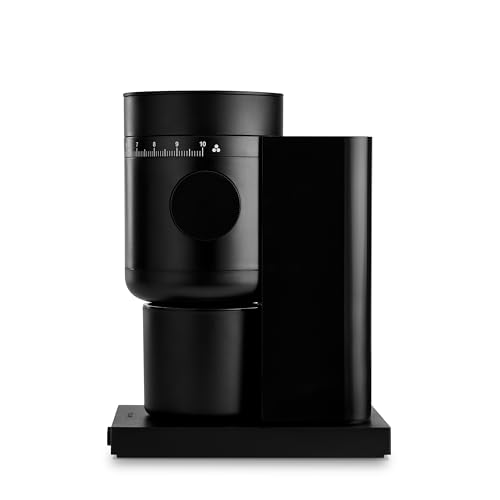


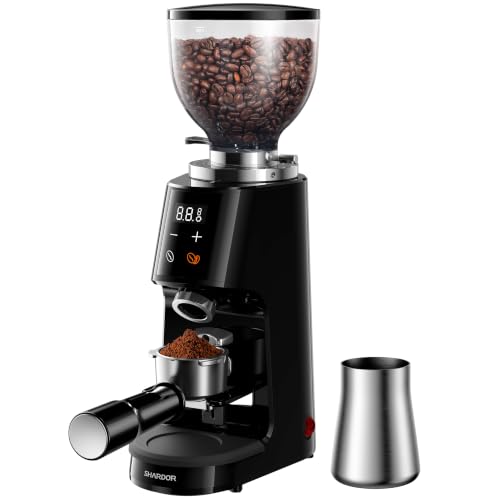
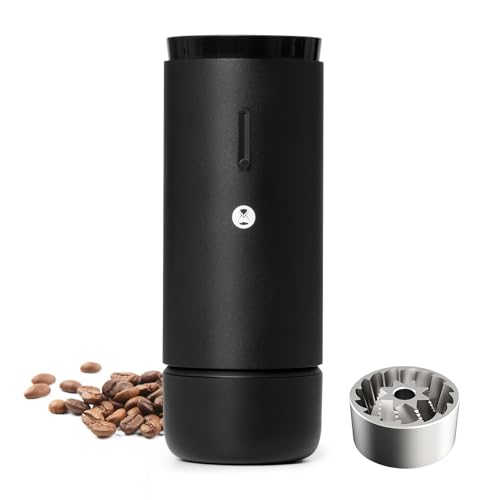

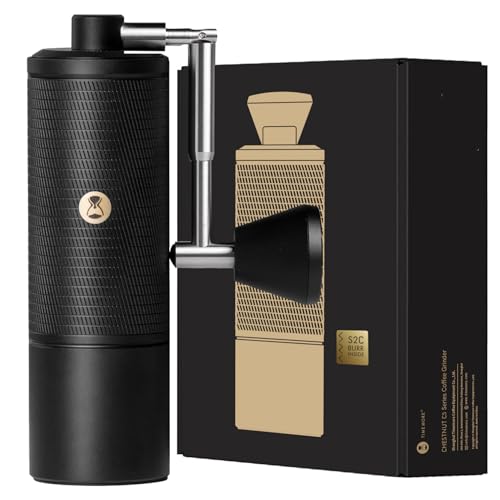


Quick Answer: Three Routes Worth Taking
Most homes land on one of three routes. A conical burr electric grinder is the all round choice for mixed brewing, from drip pots to pour over, and it suits one to four drinkers well. A flat burr electric grinder appeals to espresso fans who want a tighter, more uniform grind and do not mind a larger footprint. A quality manual grinder serves one or two cups at a time, stays quiet, and costs far less to own.
Before You Buy: A Quick Checklist for Choosing a Coffee Grinder
Which Type Fits Your Routine
Burr grinders crush beans between two abrasive surfaces, and they give you far more even particles than a blade model, which chops beans into a mix of dust and chunks. That evenness is why burr designs dominate this price range. Within the burr family, electric models grind a full pot worth of beans in seconds, while manual models trade speed for quiet operation and a tiny footprint. If you are still weighing the basics, our guide to the burr vs blade coffee grinder debate explains why the difference shows up in the cup.
Think about your actual routine before you choose. A household that brews a twelve cup pot every morning needs an electric grinder with a roomy hopper, while a single person making one pour over can be happy turning a hand crank for thirty seconds.
Burr Shape and Grind Range
Conical burrs sit inside a ring and tend to run quieter and cooler, and most mid priced home grinders use them. Flat burrs face each other across a small gap and often produce a very uniform grind that espresso drinkers prize. Neither shape is flat out better, and the full comparison in our conical vs flat burr grinder guide shows where each one shines. What matters day to day is the grind range, meaning how fine and how coarse the settings go.
Check that range against your brew methods. Espresso needs a fine, precise grind with small steps between settings, while French press needs a coarse grind that will not slip through the filter and turn the cup muddy. A grinder that covers both ends without strain is worth more to a mixed household than one tuned for a single method. If espresso is your main drink, our guide to the best coffee grinder for espresso goes deeper on the fine end of the dial.
Dosing Style and Daily Workflow
Some grinders hold a bag of beans in a hopper and grind by time or by weight, which suits households that use one bean for weeks. Others follow a single dose approach, where you weigh each portion before grinding, which suits people who swap beans often and want nothing stale left inside the machine. Single dose designs also tend to keep retention low, so yesterday grounds do not sneak into today cup.
Workflow details add up fast in a real kitchen. A grounds bin that slides out without scattering, a lid that seals well, and controls you can work with sleepy hands all matter more than a long feature list. Static is another daily annoyance, since fine grounds cling to plastic bins and dust the counter, so designs that reduce static save a small cleanup every morning.
Counter Footprint
Measure before you buy, because height is the dimension that catches people out. Many kitchens have about 17 to 18 inches between the counter and the upper cabinets, and a tall hopper can push a grinder past that limit, forcing you to pull it forward every time you refill. Width and depth matter too, especially in galley kitchens where two people pass each other with mugs in hand.
Weight plays a quiet role as well. A heavier grinder stays put while you work, while a light one may wander across the counter during a long grind. Manual grinders dodge every one of these concerns, since they store in a drawer, and our roundup of the best manual coffee grinder options covers that drawer friendly route in full.
Realistic Budget Ranges
Under about $50, you are mostly looking at manual grinders and entry level electrics with small burrs and limited settings. From about $50 to $100, electric conical burr models become common, with wider grind ranges and sturdier bins, a solid step for drip and pour over drinkers.
From about $100 to $200, you gain finer adjustment, better burrs, lower retention, and quieter motors, plus details like timed or weighed dosing. Above $200, gains turn incremental for most homes, mostly in build materials, speed, and espresso precision. That is why this price band is the sweet spot, and why our broader guide to the best coffee grinder at every budget keeps returning to it.
Types Compared: What Your Money Buys Under $200
The first type, the conical burr electric, is the default recommendation for most homes. It handles drip, pour over, and French press with ease, grinds for a crowd without complaint, and asks little of you beyond filling the hopper. Its trade off is size, since it earns a permanent spot on the counter, and its espresso grind is serviceable rather than specialist.
The second type, the flat burr electric, targets drinkers who pull espresso shots daily and want very even particles at fine settings. These models often run louder and take more space, and some sit near the top of the budget. In return you get adjustment fine enough to dial in a shot over several mornings of small tweaks, which casual drinkers may never use.
The third type, the manual grinder, trades electricity for effort and wins on almost every ownership measure. It is quiet enough for early risers in a sleeping house, small enough for a drawer or a travel bag, and built around steel burrs that punch above its price. Its limit is volume, since grinding for four people by hand turns a calm ritual into a chore.
How to Compare Grinders in This Price Range
A fair comparison weighs grind consistency first, because even particles are the whole point of spending this much. Next come ease of daily use, how simple the grinder is to clean, noise level, and build quality judged by materials and parts availability. Rely on manufacturer specifications and patterns in buyer feedback, and favor designs a household can live with for years over designs that merely look impressive on a feature list.
What You Get, and Give Up, Under $200
At this budget you get genuine burr grinding, a range wide enough for nearly every home brew method, and motors built for daily use. You also get thoughtful touches that used to cost more, like anti static grounds bins and lids that slow bean staleness. For one to four drinkers brewing drip, pour over, or French press, nothing essential is missing.
What you give up sits at the extremes. Very fine espresso tuning, grind by weight precision, and commercial duty cycles live at higher prices, as do all metal bodies and near silent operation. A large household brewing back to back pots all morning may also outgrow a home hopper. Knowing these limits up front keeps the purchase honest, and most families will never brush against them.
Common Buying Mistakes to Avoid
- Buying for espresso alone when the household mostly brews drip, which leaves you paying for fine adjustment nobody uses.
- Skipping the cabinet height check, so the grinder only fits when pulled to the counter edge.
- Choosing a tiny hopper for a big household, which means refilling beans in the middle of a busy morning.
- Ignoring cleaning access, since burrs that need tools and twenty minutes to reach will simply not get cleaned.
- Forgetting replacement part costs, because a cracked bin or worn burr set can erase the savings of a cheaper model.
Cost of Ownership and Care
Running costs stay modest. An electric grinder uses little power, roughly what a phone charger draws during its short bursts, so electricity is not a real factor. The real costs are burrs, which dull slowly over years of daily use and cost about $30 to $60 to replace on many home models, plus the odd bin or lid if one cracks. Manual grinders cost even less to keep, with no motor to fail.
Care is simple but not optional. Brush loose grounds out weekly, and every month or so run a deeper clean that clears oils from the burr chamber, since stale oils turn rancid and flavor fresh beans. Our step by step guide on how to clean a coffee grinder walks through the full routine. Store beans in the bag or a sealed canister rather than the hopper if your kitchen runs warm, and your grinder will reward you with years of steady service.
Your Questions, Answered
Can you get a good coffee grinder for under $200?
Yes, and this budget covers the point where quality stops being a compromise. Grinders under $200 offer real burr sets, wide grind ranges, and motors built for daily use, which is everything most home brewing needs. Spending more mainly buys espresso precision, faster grinding, and heavier materials. For drip, pour over, and French press drinkers, a well chosen model in this range is an end point rather than a stepping stone.
How do you clean a coffee grinder without taking it apart?
For a light refresh, unplug the grinder, empty the hopper, and brush the burr chamber and grounds path with a stiff brush, then wipe the bin. Grinder cleaning tablets or a small handful of dry rice run on a coarse setting can pull out loose buildup between deeper cleans. These quick methods handle weekly upkeep well, but oils still build up over months, so plan a full disassembly clean a few times a year.
Is a coffee grinder worth it if you buy preground coffee now?
For most people, yes, because ground coffee loses aroma fast once the bag is open, often within days. Grinding whole beans right before brewing keeps those flavors in the cup, and beans stay fresh for weeks when stored sealed. The change is easy to taste in drip and pour over especially. If you drink coffee daily, a grinder is usually the single upgrade that improves flavor most per dollar spent.
How long does a coffee grinder last in a typical home?
A decent electric burr grinder commonly serves five to ten years of daily home use, and manual models often last longer because they have no motor to wear out. Burrs dull gradually rather than failing, so flavor fades slowly and fresh burrs restore performance. Longevity depends mostly on cleaning habits and avoiding rocks or flavored beans coated in oils, both of which stress the burrs and motor.
What size coffee grinder suits a household of four?
Look for a hopper holding about 8 to 12 ounces of beans and a grounds bin that takes a full pot worth of coffee without packing down. That sizing lets one person grind for the whole household in a single run on busy mornings. Smaller travel sized models force repeated batches, which gets old quickly. Also check the motor duty, since grinding four servings back to back should not trigger overheating shutoffs.
Final Thoughts
Choosing well comes down to three honest questions: how many people you brew for, how much counter you can spare, and which brew method rules your mornings. Match those answers to a type, conical burr electric for most homes, flat burr for devoted espresso drinkers, manual for quiet small batch brewing, and the best coffee grinder under 200 for your kitchen picks itself. The product table pulls the shortlist together, so compare your finalists there before you order.
