
Best Coffee Grinders for Your Home (2026): A Quick Checklist for Choosing Well
Disclosure: We may earn a commission when you buy through links on this page, at no extra cost to you. As an Amazon Associate I earn from qualifying purchases. Learn more

The best coffee grinder for your home: compare burr types, grind settings, capacity, noise, and cleaning effort before you spend a dollar.
The fastest way to improve coffee at home is not a new brewer. It is grinding fresh beans with the best coffee grinder your kitchen, household, and budget can support. A good grinder changes the taste in the cup more than almost any other upgrade, because even, fresh grounds extract evenly instead of leaving you with a mix of sour and bitter notes.
This guide is written for real homes rather than cafe counters. It walks through burr types, grind settings, capacity, footprint, and upkeep costs, so you can match a grinder to the number of people drinking coffee each morning and the space you actually have. Start with the product table, then use the checklist to narrow your choice with confidence.

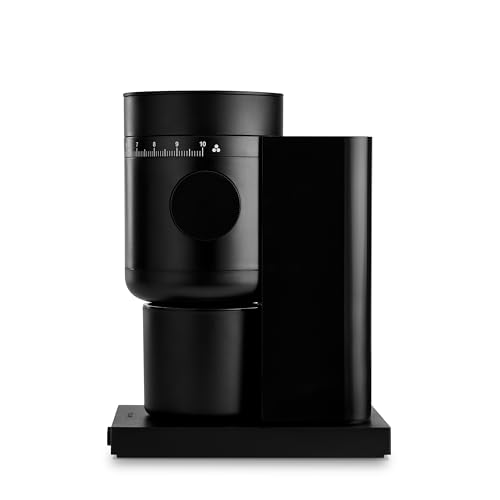
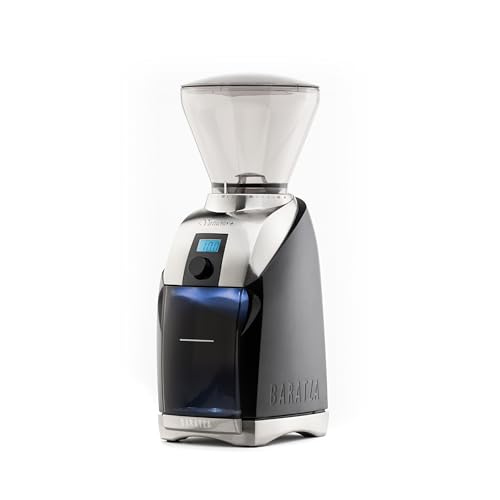

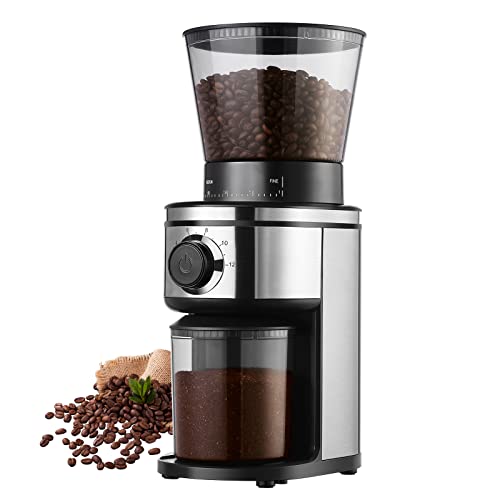

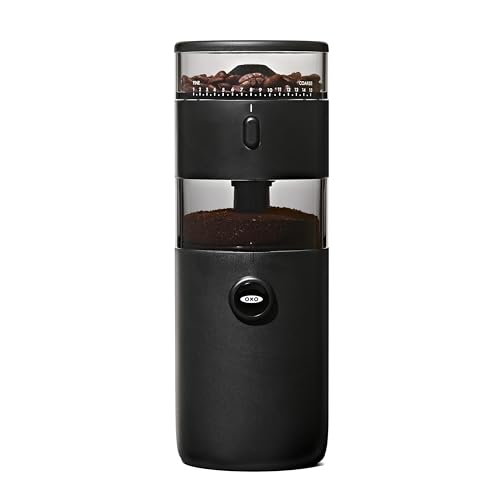
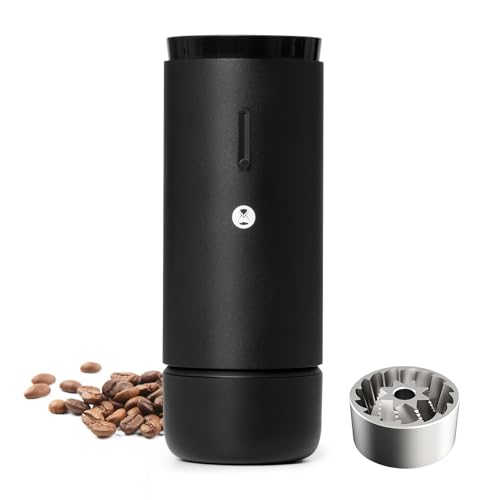
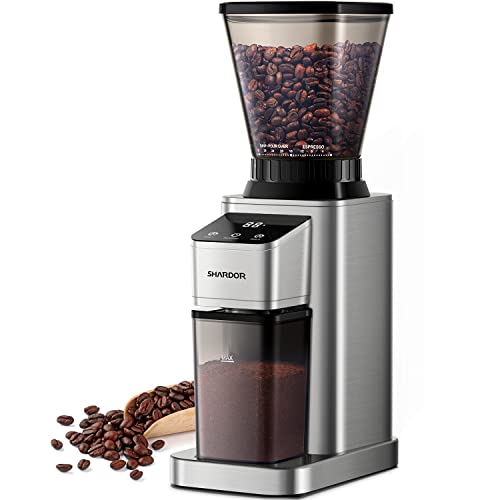
Quick Answer: What Matters Most in a Home Grinder
If you only remember three things, make them these. First, choose a burr grinder over a blade model, because burrs crush beans into far more even particles. Second, match the grind range to your brew method, since espresso needs much finer and more precise adjustments than drip or French press. Third, buy for your daily routine: a grinder that is quick to dose, quiet enough for early mornings, and easy to clean will still be in use a year from now.
Everything else in this guide supports those three decisions. Price, capacity, and extra features only matter once the basics fit your household.
Before You Buy: A Quick Checklist for Choosing a Coffee Grinder
Which Grinder Type Fits Your Routine
Blade grinders chop beans with a spinning blade, much like a small blender, and the result is a mix of dust and chunks that brews unevenly. Burr grinders pass beans between two abrasive surfaces set a precise distance apart, so the grounds come out far more uniform. That uniformity is the whole point of grinding at home, which is why our guide to burr vs blade coffee grinder designs recommends burrs for anyone who drinks coffee daily. Within burr models you will also see manual and electric versions, plus single dose designs that weigh out one portion at a time for maximum freshness.
Conical Burrs Versus Flat Burrs
Conical burrs use a cone shaped inner burr inside a ring, and they are the most common choice in home grinders because they run at lower speeds, stay relatively quiet, and tolerate a wide range of roast levels. Flat burrs use two parallel rings and are prized by enthusiasts for very even particle size, though they often cost more and can retain more grounds inside. Neither shape is automatically better for a home kitchen, and the comparison in conical vs flat burr grinder designs comes down to budget, counter space, and how much you enjoy fine tuning. For most households, a well made conical burr grinder covers every brew method comfortably.
Grind Range and Settings for Your Brew Methods
Every brew method needs a different particle size: coarse for French press and cold brew, medium for drip machines and pour over, and fine for espresso. Count the steps between settings, not just the total range, because small steps near the fine end are what let you dial in espresso shots. If espresso is your main drink, read our guide to the best coffee grinder for espresso before buying, since many grinders that shine for drip cannot grind fine enough or adjust precisely enough for a pressurized basket. Households that split between methods should look for a grinder that returns to a previous setting reliably after you change it.
Capacity, Dosing, and Household Size
A large hopper that holds about 8 to 12 ounces of beans suits a busy household brewing several pots a day, and it saves refilling every morning. Smaller households often do better with single dose grinding, where you weigh each portion and grind only what you need, which keeps beans fresher in their bag instead of aging in a hopper. Think about who makes coffee on weekdays versus weekends, and whether a timer, a scale friendly dosing cup, or simple on and off grinding matches how rushed your mornings feel. The right capacity choice removes daily friction you would otherwise feel hundreds of times a year.
Counter Footprint and Morning Noise
Measure the space under your cabinets before you fall for a tall grinder, because many hoppers need clearance to lift the lid and refill. A compact footprint around the size of a sheet of paper fits most counters, while wider models with built in scales need a dedicated coffee corner. Noise matters too: grinders that run for about 20 to 30 seconds at a lower pitch are far kinder to sleeping family members than high pitched models. If your kitchen is small or open plan, a slower manual option for early mornings is worth considering alongside your main electric grinder.
Realistic Budget Ranges
Under $50 usually means a blade grinder or a very basic burr model, fine for occasional drip coffee but limited in consistency. Around $100 to $200 is where dependable electric burr grinders begin, with enough settings for drip, pour over, and French press. About $200 to $400 buys finer adjustment, quieter motors, and better build quality that suits daily espresso. Spending above that level mainly rewards enthusiasts who want single dose precision or cafe style flat burrs. Set your budget by brew method first, because paying for espresso capability you never use is the most common overspend.
Three Buying Profiles: What to Prioritize
The Busy Household Brewer
If several people drink coffee each morning, prioritize a mid sized hopper, a timer that repeats the same dose, and grounds that drop straight into a basket or container without scattering. Speed and simplicity beat fine adjustment here, because nobody wants to weigh beans at 6 a.m. Look for a footprint that lives permanently on the counter, a lid that seals well enough to slow staling, and parts you can rinse or brush out in a minute. This profile covers most family kitchens and pairs happily with drip machines and French press pots.
The Small Space Starter
For a single drinker, a studio apartment, or a tight galley kitchen, smaller is smarter. A compact electric burr grinder or a slim hand grinder stores in a drawer and still delivers fresh grounds for one or two cups. Our guide to the best manual coffee grinder options explains when hand grinding makes sense, including the minute or so of cranking each dose takes. Spend on burr quality rather than hopper size, keep the setting range focused on the one or two brew methods you actually use, and you will get excellent cups without giving up counter space.
The Long Term Enthusiast
If you brew espresso at home and expect to keep the same grinder for many years, prioritize fine stepped or stepless adjustment, low retention so old grounds do not mix into the next dose, and replaceable burrs that a service shop can swap when they dull. A sturdy metal housing and a motor built for daily use cost more up front but spread that cost over a decade of mornings. This profile also benefits from single dose workflow, since weighing each portion keeps recipes repeatable. Buy once, maintain it well, and the grinder stops being a purchase and becomes part of the kitchen.
How to Judge a Coffee Grinder Without the Hype
Start with grind consistency, because even particles are what separate a grinder upgrade from a sideways move. Then weigh adjustment range, dosing repeatability, noise, footprint, and how much effort cleaning takes, since a grinder that is annoying to maintain quietly stops being used. Build quality matters in specific ways: burr material, housing sturdiness, and whether wear parts can be replaced instead of throwing the whole machine away. Manufacturer specifications and owner feedback help with these criteria, and this framework lets you judge any model in the product table against the same standards.
Common Buying Mistakes to Avoid
- Buying a blade grinder to save money, then wondering why fresh beans still taste dull and uneven.
- Choosing a grinder sized for a cafe when your counter cannot fit it under the cabinets.
- Paying for a huge hopper in a one person home, so beans sit exposed to air and go stale.
- Ignoring the fine end of the grind range, then discovering the grinder cannot handle espresso.
- Skipping the cleaning routine entirely, which lets old oils build up and turn fresh coffee rancid tasting.
- Judging by the number of settings alone, when step size and repeatability matter far more.
Cost of Ownership and Care
A grinder asks little beyond the purchase price: electricity use is trivial, and the real upkeep is cleaning. Brush grounds out of the chute weekly, and every month or so run grinder cleaning tablets through or open the burr chamber for a deeper clean, following the steps in our guide on how to clean a coffee grinder. Burrs slowly dull over years of daily use, and replaceable burr sets, usually about $40 to $80, restore performance for a fraction of a new machine. Store beans in their sealed bag rather than the hopper, keep the grinder dry, and avoid grinding spices or oily flavored beans in it, since those residues linger in the burrs.
Your Questions, Answered
Is a coffee grinder worth it if you currently buy preground coffee?
Yes, a coffee grinder is worth it for most home brewers because beans start losing aroma within minutes of grinding. Preground coffee can sit for weeks before you open the bag, so even a modest burr grinder produces a noticeably fresher cup. One point buyers overlook: start with the coffee you already like in whole bean form, so the only change you taste is freshness, not a new roast.
How often should you clean a coffee grinder at home?
You should clean a coffee grinder lightly once a week and more deeply about once a month. A quick brush out stops loose grounds from going stale in the chute, while the monthly clean removes the oily film that builds on burrs. If you switch between very different roasts, add a small purge grind between them, since a few grams of the new beans push out what the old roast left behind.
How long does a home coffee grinder usually last?
A home coffee grinder usually lasts about 5 to 10 years with regular cleaning and normal household use. The motor rarely fails first; burrs dull gradually, and grind quality slips before anything breaks. Choosing a model with replaceable burrs is the single biggest factor in lifespan, because a fresh burr set makes an older grinder perform close to new again.
Can one coffee grinder handle both espresso and drip coffee well?
One coffee grinder can handle both espresso and drip coffee, but the switching cost is real. Moving from a fine espresso setting back to a medium drip setting rarely lands in exactly the same place, so espresso shots need redialing. Households that brew both daily often keep the main grinder set for the method they drink most, rather than chasing two perfect settings on one dial.
Does grind size really change the taste of drip coffee?
Grind size really does change the taste of drip coffee, because it controls how fast water extracts flavor. Grounds that are too fine over extract and taste bitter, while grounds that are too coarse under extract and taste thin or sour. A useful habit is to change only the grind when a new bag tastes off, keeping your coffee amount and water the same, so you learn what each step on the dial does.
The Bottom Line
Choosing the best coffee grinder for your home comes down to fit: burr type for even grounds, a grind range that covers your brew methods, capacity matched to your household, and a size and noise level your kitchen can live with every morning. Use the product table above to compare models against the checklist in this guide, prioritize the profile that sounds like your household, and keep up the simple cleaning routine. Do that, and fresh ground coffee becomes the easiest upgrade your kitchen ever gets. Prices and availability can change, so check the product page before ordering.

