
Coffee Grinders
Discover the best coffee grinders for achieving the perfect grind size and flavor extraction. From manual grinders to electric burr and blade models, our curated selection helps you find the right option for espresso, drip, or French press brewing.
We evaluate grind consistency, build quality, ease of use, and overall value to guide your decision. Compare top-rated grinders, explore key features, and choose the ideal model to elevate your coffee experience at home.

Best Espresso Grinder Under $100: Complete Buying Guide
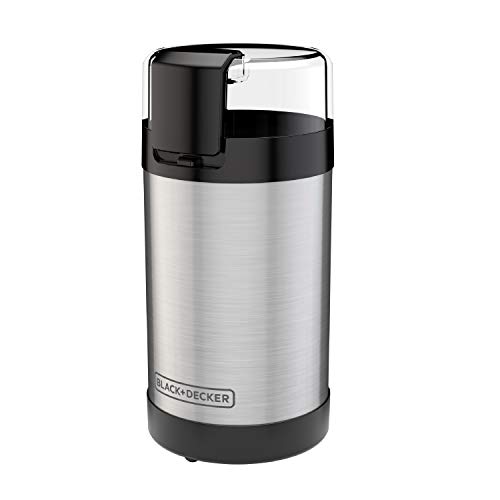
Best Coffee Grinder Under $50: Complete Buying Guide
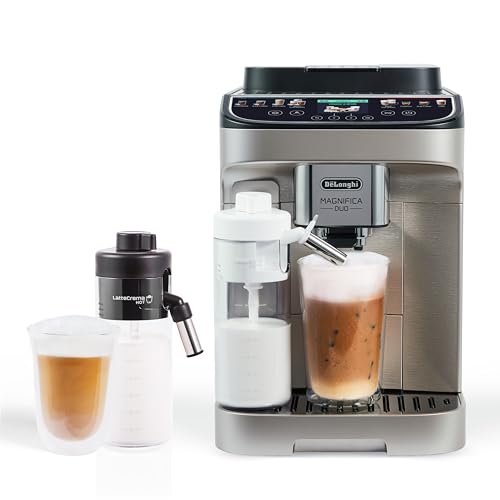
Best Coffee Makers with Grinder (2026 Buying Guide)
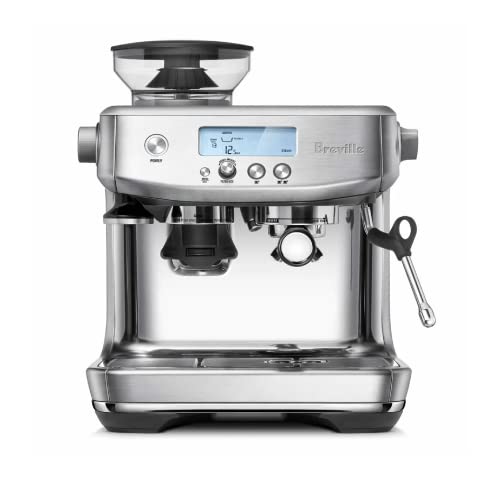
Best Espresso Machines with Grinder (2026 Buying Guide)
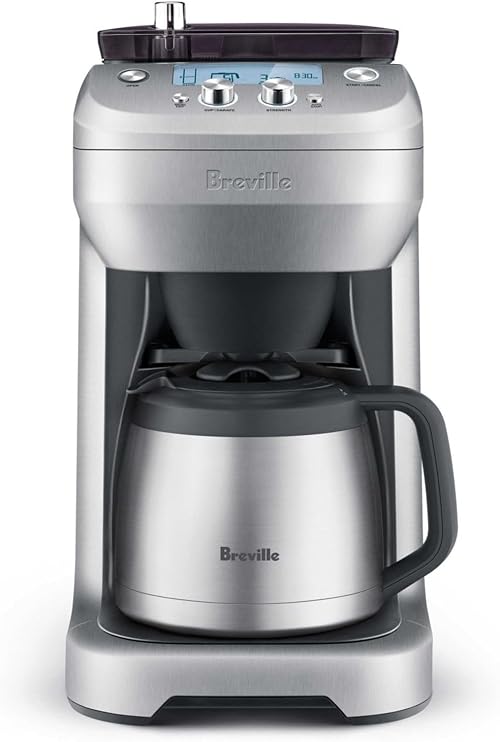
Best Single Cup Coffee Maker with Grinder (2026 Buying Guide)
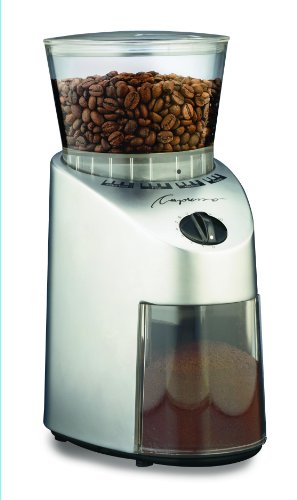
Best Burr Coffee Grinder Under $100 (2026)

Best Espresso Machines with a Built-In Grinder (2026)
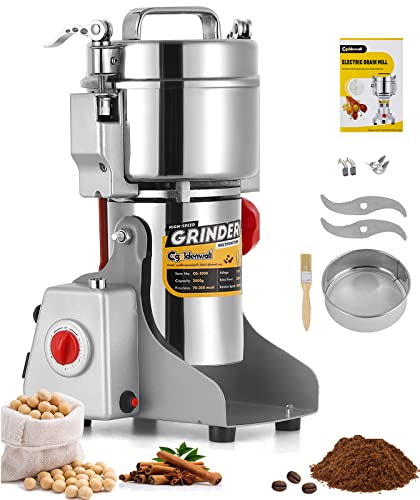
Best Commercial Coffee Grinders (2026 Buying Guide)
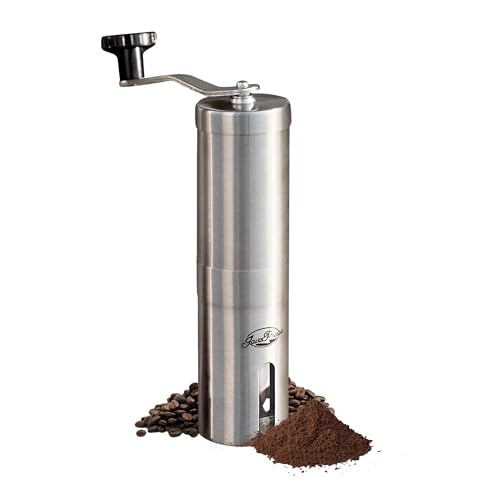
Best Turkish Coffee Grinders (2026 Buying Guide)
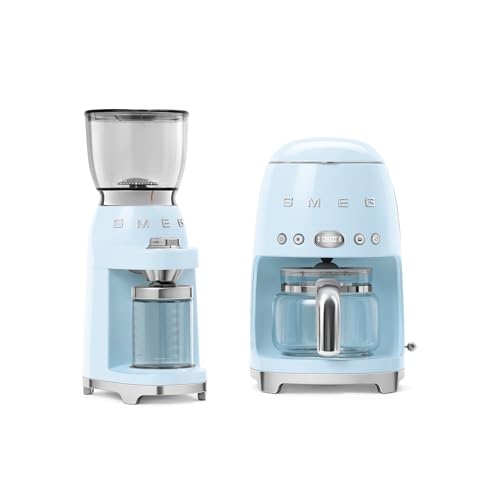
Best Coffee Makers With Grinders (2026 Buying Guide)
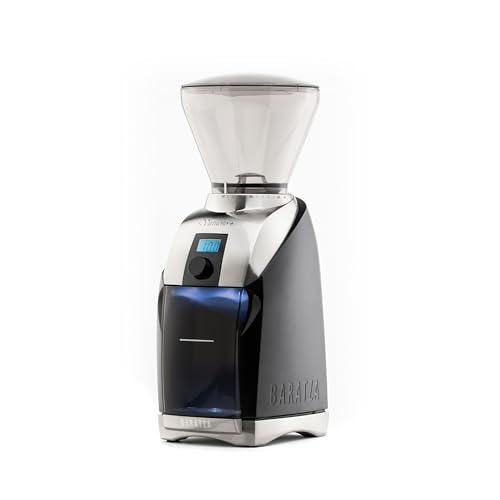
Best Burr Coffee Grinders (2026 Buying Guide)
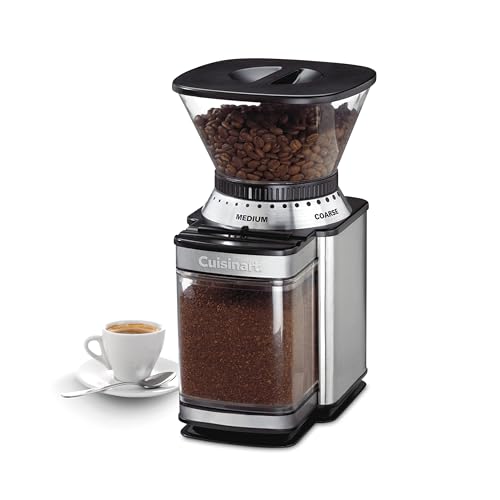
Best Cuisinart Coffee Grinders (2026 Buying Guide)
Why the Grinder Matters So Much
Coffee starts losing aroma soon after it is ground, and uneven particles extract at different rates. That combination explains why the same beans can taste bright and sweet one day and bitter or flat the next. A good grinder gives you fresh grounds and a consistent particle size, which often improves your cup more than upgrading the brewer itself.
Burr vs Blade, Conical vs Flat
- Blade grinders: inexpensive and compact, but they chop rather than grind, producing a mix of dust and chunks. Fine for spices, not ideal for coffee.
- Conical burr grinders: common in home models, generally quieter and forgiving across many brew methods. Our guide to burr coffee grinders compares popular options.
- Flat burr grinders: prized by many espresso and pour-over enthusiasts for very uniform grounds, usually at a higher price.
- Manual grinders: quiet, portable, and often excellent value for one or two cups. See our manual coffee grinder picks if you travel or brew small batches.
Matching Grind Range to Brew Method
Not every grinder handles every method well. Espresso demands very fine, precise adjustments, often stepless or with many small steps. French press and cold brew need a coarse, even grind with few fines. Drip and pour-over sit in the middle. If you mainly make espresso, choose a grinder built for it; models tuned for drip may not go fine enough.
Other features to check
- Grind settings: more steps allow finer dialing in.
- Retention: how much coffee stays inside the grinder between uses.
- Static and mess: some models include anti-static features or dosing cups.
- Motor speed: slower burr speeds tend to generate less heat and noise.
Budget Guidance and Common Mistakes
Capable entry burr grinders for drip and French press often cost around $50 to $150. Espresso-ready electric grinders usually start around $150 and climb quickly. Many buyers regret pairing an expensive espresso machine from our coffee machines section with a grinder that cannot go fine enough.
Other mistakes include never cleaning the burrs, grinding a whole week's supply at once, and changing grind size while the motor is off on models that recommend adjusting while running. Check the manual for your specific grinder.
Coffee Grinders FAQ
Is a burr grinder really better than a blade grinder?
Yes, for coffee. Burr grinders crush beans to a consistent size, which leads to even extraction and better flavor. Blade grinders produce uneven particles, making coffee more likely to taste both bitter and sour at once.
Can one grinder handle both espresso and French press?
Some grinders cover both, but switching between very fine and very coarse settings can be slow and may require re-dialing each time. People who make both often prefer a dedicated espresso grinder or a model with wide, easy adjustments.
How often should I clean my coffee grinder?
Brush out loose grounds every week or two and do a deeper burr cleaning about once a month for daily use. Oily, dark roasts build up residue faster, so they may need more frequent cleaning.
Are manual coffee grinders worth buying?
Manual grinders are worth it for one or two cups a day, travel, or quiet mornings. Good ones produce consistent grounds for the money, though grinding fine espresso by hand takes noticeable effort.
How much should I spend on a coffee grinder?
For drip, pour-over, or French press, around $50 to $150 buys a solid burr grinder. Espresso grinders usually start around $150 and go higher, since they need finer, more precise adjustments.