
Best Coffee Grinders for Espresso Machines in 2026: Which Type Is Right for You?
Disclosure: We may earn a commission when you buy through links on this page, at no extra cost to you. As an Amazon Associate I earn from qualifying purchases. Learn more

Compare grinder types with this buying guide to the best coffee grinders for espresso machines, covering burrs, settings, dosing, and counter fit.
Espresso punishes a poor grinder faster than any other brew method, because tiny changes in grind size swing a shot from sour to bitter. That is why choosing among the best coffee grinders for espresso machines starts with grinder type, not brand or looks. This guide compares standalone grinders with other coffee setups, then explains the settings, burrs, and dosing styles that actually shape your shots.
Use the product table to see how the main types differ in price and purpose, then read on for the detail behind each row.


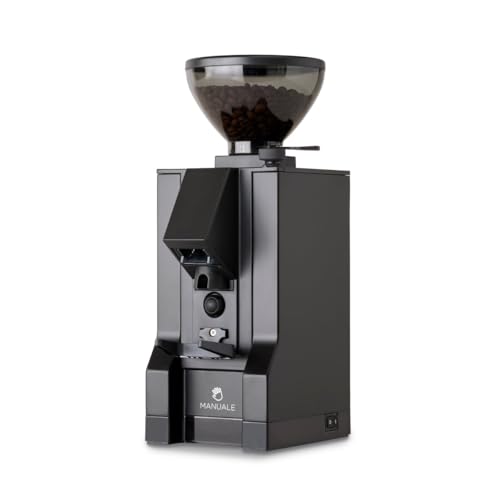


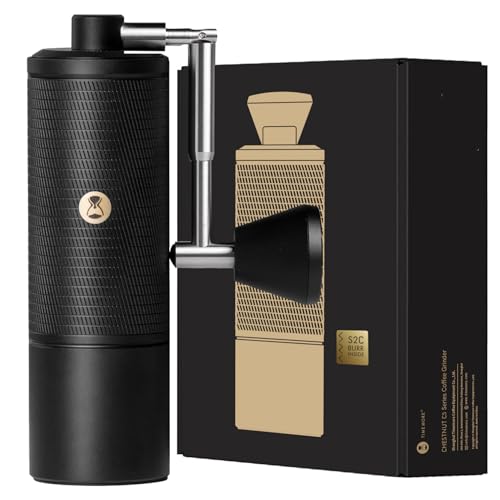
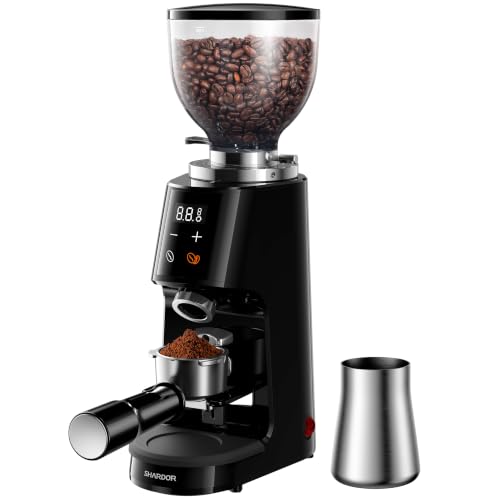
How Coffee Grinders Compare to Other Options
Think of the choice as a ladder of control. A dedicated espresso grinder gives fine, repeatable adjustment made for one job. Machines that grind and brew together trade some of that control for convenience, pod systems trade nearly all of it for speed, and percolators sit outside espresso entirely. Prices follow the same ladder, from around $150 for an entry espresso capable burr grinder to around $700 or more for a fast, quiet, low retention model.
Coffee Grinders vs Grind and Brew Machines
A standalone grinder paired with your espresso machine gives you stepless or fine stepped adjustment, so you can nudge grind size in tiny increments as beans age. Grind and brew machines, covered in our guide to the best grinder coffee machines, combine both jobs but their grinders are usually built for drip fineness, not espresso. Espresso needs a much finer and more even grind than drip brewing. If espresso is your main drink, the separate grinder is the honest choice.
Coffee Grinders vs Single Serve Pod Machines
Pod machines remove grinding entirely, which makes them fast and tidy but locks you into pre ground coffee at a high cost per cup. You cannot adjust grind, dose, or freshness, and espresso style pods rarely match a true pressurized basket shot. A real grinder lets you use any fresh beans and dial in each bag. Choose pods for speed in an office, and a grinder for flavor control at home.
Coffee Grinders vs Percolators
Percolators cycle boiling water through coarse grounds and produce a strong, rustic cup that is nothing like espresso. They need only a coarse, even grind, so almost any basic burr grinder serves them well. Buying an espresso grade grinder for a percolator wastes money on fineness you will never use. Match the grinder to the finest method you brew, and every coarser method is covered automatically.
Who Should Choose Coffee Grinders?
A dedicated espresso grinder suits you if you pull shots at least a few times a week and enjoy adjusting variables. Home baristas who buy fresh beans from different roasters benefit most, because each new bag needs a small grind change. You should also choose a standalone unit if your machine has a non pressurized basket, since those baskets demand precise, even grounds to build pressure.
Skip the dedicated grinder if you mainly drink milk drinks with pressurized baskets, which forgive uneven grinding, or if you brew espresso only on rare weekends. In those cases a midrange all purpose burr grinder, or a machine with a built in grinder, keeps cost and counter clutter down. Be honest about your routine, because an unused precision tool helps no one.
How to Choose the Right Coffee Grinder
Brewing Method and Coffee Style
Espresso is the demanding end of the coffee spectrum, brewed under pressure in about 25 to 35 seconds. A grinder that excels here can also serve pour over, drip, and French press by moving to coarser settings, though some espresso focused models have a narrow useful range. If you split your drinking between espresso and filter coffee, look for a grinder with a wide, clearly marked setting range. Single purpose espresso grinders reward specialists with finer control at the fine end.
Milk Frothing Options
Frothing happens on the espresso machine, not the grinder, but the pairing still matters for your budget. If you plan to spend on a machine with a good steam wand, protect enough budget for the grinder, because steamed milk cannot hide a sour shot. Our overview of the best espresso coffee machines explains wand types and boiler styles. As a rule, split your combined budget roughly evenly rather than starving the grinder.
Footprint and Countertop Fit
Espresso grinders range from slim hand height models to tall hopper designs that may not clear upper cabinets. Measure the space beside your machine, including room to remove the hopper lid and pour beans in. Single dose grinders with bellows are often shorter and suit low cabinets. Also check depth, since a grinder that forces your machine forward can make the whole station feel cramped.
Features That Matter for Espresso Machines
Four specs decide espresso performance: burr size and type, adjustment style, retention, and dosing. Flat and conical burrs both work well, with larger burrs grinding faster and often more evenly. Stepless adjustment lets you land between preset clicks, which matters when one click changes shot time by several seconds. Low retention means fewer stale grounds mixing into each dose, and a timed or weight based dose improves repeatability. Fresh beans complete the picture, so see our guide to the best coffee beans for espresso machines for roast and storage advice.
Care and Maintenance Tips
- Brush the burrs and chute weekly so oily residue does not turn rancid and taint fresh beans.
- Run grinder cleaning pellets through about once a month if you grind daily, following the maker directions.
- Purge a small amount of coffee after every grind change to clear grounds left at the old setting.
- Keep beans out of the hopper when you travel, since heat and light stale them quickly.
- Wipe the dosing fork and grounds bin daily, because static scatter builds up fast near espresso fineness.
- Use filtered water in your espresso machine and descale it every 1 to 3 months, since scale changes pressure and temperature at the group head.
Frequently Asked Questions
What features matter most in a grinder for an espresso machine?
Fine and repeatable adjustment matters most, followed by even particle size and low retention. Espresso extraction changes sharply with small grind shifts, so a grinder must move in tiny steps and hold its setting. A sturdy burr mount keeps that setting from drifting during grinding. Strong motors also help, because stalling on dense light roast beans leads to uneven doses.
Is a more expensive coffee grinder really worth it?
It can be, up to the point where burrs get larger, adjustment gets finer, and grinding gets faster and quieter. Those gains show up in sweeter, more consistent shots and a calmer morning routine. Past a midrange price, improvements shrink and mostly serve heavy daily use or very light roasts. If you pull two shots a day, a solid midrange grinder usually covers your real needs.
Is a grinder built into an espresso machine worth it?
A built in grinder is worth it for convenience and counter space, and modern integrated units can pull good shots. The compromise is adjustment range and upgrade path, since you cannot replace the grinder alone later. If you expect your skills and tastes to grow, a separate grinder ages better. If you value a compact, simple station today, integrated designs make sense.
Can I use regular coffee in a coffee grinder?
Yes, any whole bean coffee can go through the grinder, but pre ground coffee should never be put back in for regrinding. Pre ground coffee is also usually too coarse for espresso and will produce fast, weak shots. Buy whole beans roasted within the last few weeks for best results. Store them sealed at room temperature and grind only what each shot needs.
How often should I clean my espresso grinder?
Brush the burrs and chute about once a week and deep clean about once a month for daily home use. Oily dark roasts coat parts faster, so shorten the gap if you see residue building on the chute walls. Descaling applies to your espresso machine rather than the grinder, and that job runs every 1 to 3 months. A clean grinder keeps yesterday flavors out of today shot.
What grind size works best with an espresso grinder?
The right size feels like fine sand and clumps slightly when pinched, but the true test is shot time. Aim for about 25 to 35 seconds for a double shot at your chosen dose and yield. If the shot runs fast and tastes sour, grind finer; if it chokes or tastes bitter, go coarser. Change one small step at a time and taste again.
The Bottom Line
Choose your grinder by adjustment fineness, burr quality, and how you like to dose, in that order. Those three traits decide whether your machine can reach its best, whatever brand sits beside it. Check the product table for current types and price ranges, then pick the best coffee grinders for espresso machines option that fits your counter, your beans, and how much tweaking you genuinely enjoy each morning.

