Best Coffee Grinder Cleaning Tablets at Every Price: What Your Money Really Gets You for 2026
Disclosure: We may earn a commission when you buy through links on this page, at no extra cost to you. As an Amazon Associate I earn from qualifying purchases. Learn more
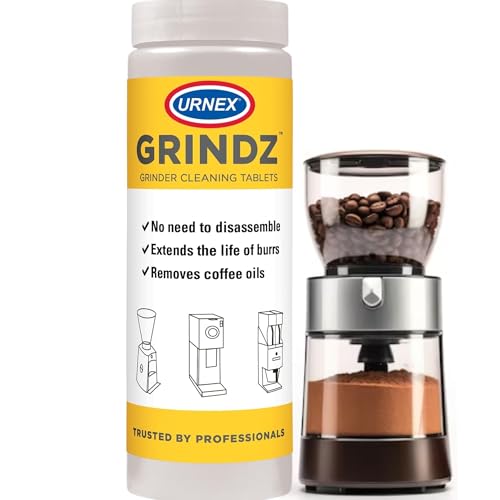
Compare best coffee grinder cleaning tablets by price tier, ingredients, burr safety and dosing in this guide to cleaner grinders and better coffee.
Coffee oils go rancid inside a grinder, and stale grounds hide in every corner around the burrs. Within a few weeks, fresh beans start tasting muddy and flat no matter how carefully you brew. Choosing the best coffee grinder cleaning tablets is the easiest fix, because the pellets sweep out old grounds and absorb oils as they pass through, with no disassembly and no scrubbing.
Prices range from a few cents per clean to premium formulas costing several times more, and the differences are not always worth paying for. This guide breaks down what each tier delivers, which features matter for your grinder type, and how often to clean. Check the product table for pack sizes and prices as you read.


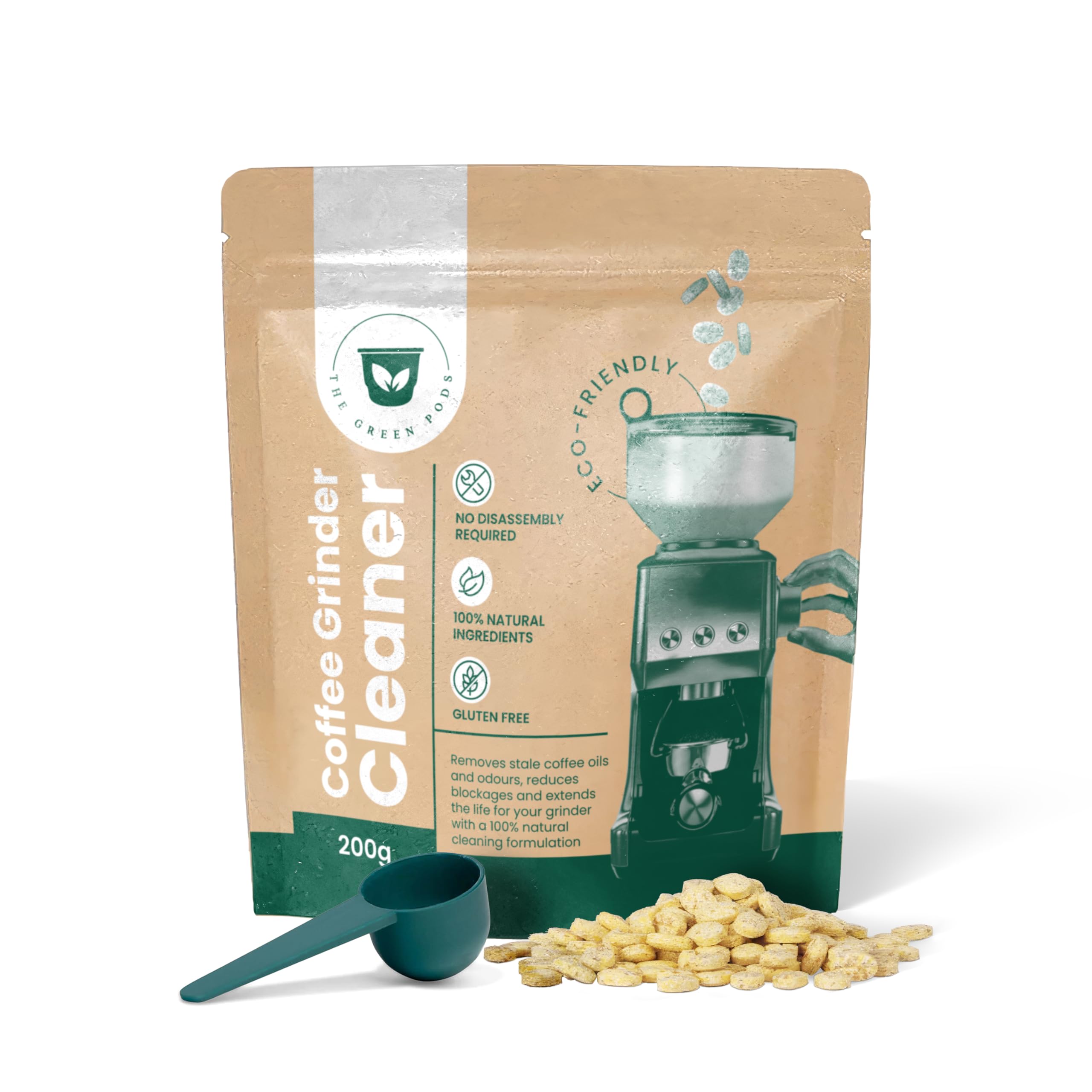


Price Tiers at a Glance: What Changes as You Pay More
Budget Tier Tablets: Basic Cleaning Power
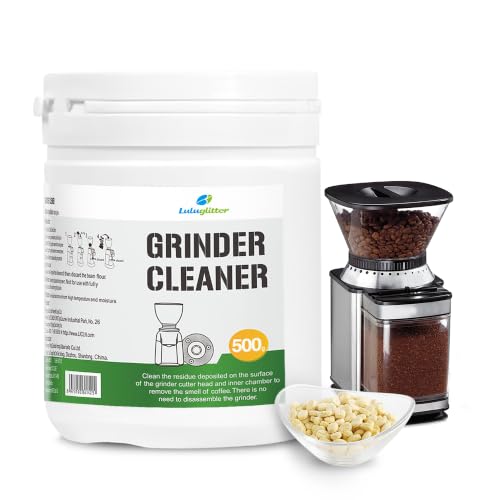
Budget tablets, often around $10 to $15 for a modest pack, use simple food grade pellet formulas that expand slightly as they grind, pushing out trapped grounds and fines. For a home grinder used once a day, that basic action covers most of what cleaning needs to do. The coffee tastes cleaner and the burrs stay free of buildup.
The trade offs are convenience and consistency. Pellets may be sized for common home hoppers and less ideal for large commercial throats. Instructions can be sparse, and formulas may leave more dust to purge with a small dose of beans afterward. If you clean monthly and brew forgiving methods like French press, budget tablets do the job honestly.
Midrange Tier Tablets: Better Fit and Less Waste
Midrange packs, roughly about $15 to $25, usually offer pellets sized for a wider range of grinders, clearer dosing guidance and formulas designed to leave minimal residue. Many include enough tablets for a full year of monthly cleaning, which makes the cost per clean easier to judge and often lower than it first looks.
This is the sweet spot for most home brewers. You get reliable cleaning for espresso capable burr grinders, where tiny amounts of stale fines ruin shots fastest. Packaging tends to reseal better too, which matters because pellets that absorb kitchen moisture soften and lose their scrubbing firmness before you ever use them.
Premium Tier Tablets: Certified Ingredients and Cafes in Mind
Premium tablets, often about $25 to $40 per pack, lean on certified food safe or organic listed ingredients and quality control aimed at cafes. Some are formulated to be safe if a trace remains, and dosing is precise enough for large commercial burrs. For a shop cleaning daily, that assurance and consistency justify the price.
At home, premium money buys peace of mind more than visible results. Your coffee will not taste dramatically cleaner than it does after a midrange tablet used correctly. Pay the premium if ingredient certification matters to you, or if your grinder maker recommends a specific class of cleaner for warranty comfort.
What Your Money Gets You at Each Price Tier
Budget Tier: What to Expect
Expect plain packaging, a single pellet size and a formula focused on the basics, absorbing oils and flushing grounds. Count the tablets and divide by how often you will clean. A cheap pack with few tablets can cost more per clean than a larger midrange box, so compare cost per use, not the sticker price.
Also expect to purge a little more carefully. Run a small handful of beans through after a budget clean and discard them, clearing any pellet dust from the burr chamber. That extra minute is the real price of the budget tier, and it is a fair trade for occasional use.
Midrange Tier: The Sweet Spot for Most Buyers
Midrange money buys formulation tuned for coffee equipment, with binders that hold the pellet together through the burrs instead of crumbling early. Crumbling matters, because dust that falls apart too soon never reaches the oily surfaces higher in the grind path. You also get clearer guidance on dose by grinder size.
Another quiet benefit is freshness dating and sealed packaging. Pellets are mostly starch and cleaning agents, and they work best firm and dry. A resealable midrange pouch stored in a cupboard will still perform a year later, while a torn budget bag in a humid kitchen may not.
Premium Tier: When Spending More Pays Off
Spending more pays off in three situations. First, a high volume home setup or small cafe where cleaning happens weekly and consistency saves staff time. Second, a grinder with expensive flat burrs you want to protect with the gentlest effective formula. Third, households that strongly prefer certified ingredient lists for anything touching food equipment.
Outside those cases, premium tablets mostly duplicate midrange results. Do not let tier marketing convince you that costlier cleaning replaces mechanical care. Burrs still dull with use, and no tablet fixes misalignment or a worn motor. Cleaning keeps a healthy grinder healthy, nothing more.
How to Choose the Best Coffee Grinder Cleaning Tablets
Start by confirming compatibility with your grinder type. Most tablets are made for electric burr grinders, where the motor drives pellets through the burr set exactly like beans. They are not meant for blade grinders, which you should simply wipe out with a dry or slightly damp cloth after unplugging.
Next, match dose size to your machine. Small home grinders need a small dose, often one tablet or a measured cap of pellets, while large hopper machines need more to fill the burr path. Buying the right pack size prevents both waste and half cleaned burrs. If your routine also includes a brewer, our guide to the best coffee machine cleaning tablets covers descaling and brew path cleaning, and the broader roundup in our guide to the best cleaning tablets compares tablet cleaners across appliances.
Features Worth Paying For and Ones to Skip
Cleaning Power and What the Tablets Actually Do
Cleaning tablets work by absorption and gentle abrasion. As the burrs crush them, the pellet material soaks up rancid oils and carries out compacted fines and stale grounds that brushing cannot reach. That is why a grinder that smells like an old diner can smell neutral again after one cycle, and why shots stop tasting ashy.
Understand the limit, though. Tablets do not sharpen burrs, remove mineral scale or repair grind inconsistency caused by worn parts. If your grind suddenly produces wild fines and boulders after cleaning, the burrs themselves are the problem. Cleaning is maintenance, not restoration, and honest expectations keep you from overbuying premium formulas chasing a fix they cannot give.
Ingredient Safety and Residue
Look for food grade ingredients and a clear statement that the formula is safe for coffee equipment. Most reputable tablets are designed so that the small residue after a proper purge is harmless, but you should still grind and discard a small dose of beans after cleaning. That purge sweeps the grind path and confirms the output smells like coffee again.
Skip any product that will not disclose its basic composition or that is marketed for machines but smells strongly perfumed. Fragrance has no place in a grinder. If anyone in your home has a gluten sensitivity, check the label, because many pellets use grain based binders, and some brands offer alternatives worth choosing.
Hopper Capacity and Dosing
Dosing should match how you grind. If you use a hopper filled with beans, the routine is simple. Empty the beans, run the dose of tablets, then return fresh beans and purge. If you single dose, weighing each portion, you already empty the grinder daily, so retention is lower and you may clean a little less often.
Retention is the amount of ground coffee that stays inside after grinding, and it is where staleness hides. Grinders with high retention benefit most from regular tablet cleaning because old grounds mix into every fresh dose. Check your manual for a recommended cleaning amount, and never exceed it hoping for a deeper clean. More pellets than the burr path holds can jam smaller motors.
Burr vs Blade Grinders
Burr grinders, whether conical burr or flat burr designs, are what cleaning tablets are built for. The pellets travel the same path as beans and scrub the surfaces that matter. Stepless adjustment models with fine settings benefit most, because their tight burr gaps trap oily fines that quickly turn rancid and skew extraction.
Blade grinders are a different story. There are no burrs to scrub, the chamber opens fully, and a wipe with a cloth plus a brush for the corners does the whole job in a minute. Never run tablets in a blade grinder expecting a benefit, and never wash the chamber with water unless the maker explicitly allows it, since motors and moisture do not mix. Shoppers weighing combined machines can see our guide to the best grinder coffee machines for how built in grinders change the cleaning routine.
Long Term Costs to Factor In
The tablets themselves are cheap insurance. Cleaning monthly with a midrange pack typically costs only a few dollars per clean, and even weekly cleaning stays modest over a year. Compare that with replacement burr sets, which can cost as much as a budget grinder, and with the beans wasted on flat tasting cups while you wonder what went wrong.
Budget a small purge cost too, since each cleaning discards a little coffee to clear residue. Keep a small bag of inexpensive beans just for purging and for seasoning burrs after a deep clean. Finally, remember the same tablet habit thinking applies elsewhere in the kitchen, from the laundry routine in our guide to the best washer cleaning tablets to the monthly cycle covered in our guide to the best dishwasher cleaning tablets.
Coffee Grinder Cleaning Tablets: Your Questions Answered
How often should I use coffee grinder cleaning tablets?
For most home grinders, once a month is the right rhythm, or after every 10 to 15 lb of beans if you grind a lot. Dark, oily roasts coat burrs faster, so espresso drinkers using dark beans may clean every two to three weeks. Light roast drinkers with low retention grinders can stretch a little longer, but letting months pass lets oils turn rancid and flavors suffer.
What should I do right after running cleaning tablets through my grinder?
Grind and discard a small dose of beans, about what you would use for one cup, then brush out the grounds bin and chute. That purge clears pellet dust from the burr path so your first real cup does not carry residue. Smell the purged grounds. They should smell like coffee, not like the cleaner, before you brew for drinking.
Can cleaning tablets fix an inconsistent grind?
No, cleaning tablets cannot fix inconsistency caused by dull burrs, misalignment or a failing motor. They only remove the oils and compacted grounds that add stale flavor and can worsen fines. If your grind stays uneven right after a proper cleaning, inspect the burrs for nicks and shine spots. Those are wear signs, and replacement, not more cleaning, is the honest answer.
How long do grinder burrs last?
Steel burrs in a home grinder commonly last through several hundred pounds of coffee, which for a household grinding a pound a week can mean many years. Ceramic burrs can last longer but chip if a stone or metal object sneaks in with the beans. Regular cleaning does not wear burrs out. It simply keeps flavor clean so you notice true dullness when it eventually arrives.
Can one grinder handle both espresso and pour over?
One grinder can cover both, but switching back and forth wastes coffee, because each change needs a purge to clear the previous setting grounds. Cleaning tablets help when you make a big switch after weeks at one setting, clearing the oily buildup before you redial. Many home brewers eventually keep the main grinder set for their daily method and accept the small compromise.
Wrapping Up
Clean monthly, buy the midrange tier unless you have a specific reason to spend more, and always purge with a few beans afterward. That simple routine keeps flavors honest and protects the burrs you paid for. Compare pack sizes and cost per clean in the product table, and choose the best coffee grinder cleaning tablets that match your grinder size and roast style.