
Best Coffee Grinder for Espresso for 2026: A Guide for Real Homes
Disclosure: We may earn a commission when you buy through links on this page, at no extra cost to you. As an Amazon Associate I earn from qualifying purchases. Learn more

Compare burr types, grind range, dosing, and footprint to find the best coffee grinder for espresso for your counter, budget, and daily routine.
Your shots can swing from sour to bitter on the same beans, with the same machine, simply because the grind is a little too coarse one morning and a little too fine the next. Choosing the best coffee grinder for espresso is mostly about control at the fine end of the range, and about a workflow you will actually enjoy before work or after dinner. The product table sums up the main types side by side.
This guide helps you choose by household size, counter space, and budget. You will learn which burr types suit espresso, how small adjustment steps need to be, how dosing style changes your mornings, and what daily care involves.


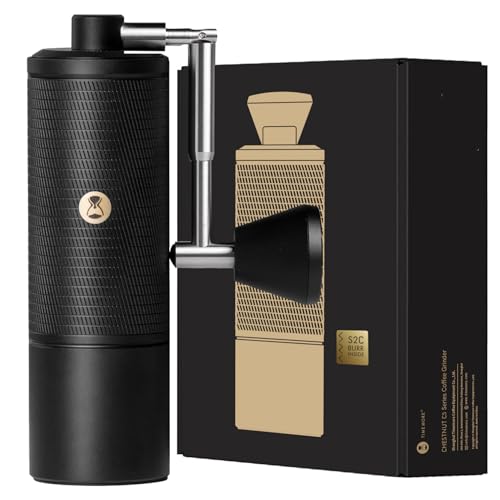


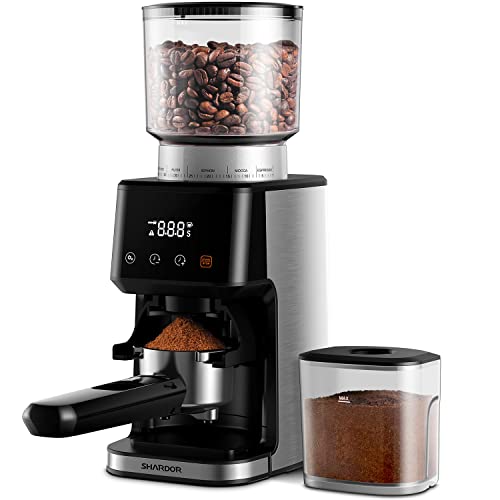
Quick Answer: What Matters Most in 30 Seconds
For espresso, buy a burr grinder that can grind fine enough with room to spare, adjust in small steps, and hold a setting without drifting. A blade grinder cannot give you the even particle size that a 25 to 30 second shot needs. From there, decide how you want to dose, how much counter space you can give up, and how many drinks you make each day.
If you make drinks for a family or for guests, a larger hopper, faster grinding, and easier cleaning will matter more. Budget helps, but grind range and adjustment control should come first.
Before You Buy: A Quick Checklist for Espresso Grinders
Which Type Fits Your Routine
Electric burr grinders do the daily work for most homes because they grind a full dose in seconds and repeat the same setting each morning. Manual grinders cost less, take almost no counter space, and can grind fine enough for espresso, but grinding 18 grams by hand for several drinks in a row gets tiring fast. If you travel or have a tiny kitchen, that trade off may still suit you, and our guide to the best manual coffee grinder explains that route in more depth.
Blade grinders chop beans into uneven pieces, so some particles extract too fast and others too slow in the same shot. Save a blade model for spices or coarse brewing, and put your espresso budget toward burrs instead.
Burr Shape and Burr Size
Conical burrs and flat burrs both work well for espresso, and the choice shapes flavor, noise, and price. Conical sets often run a bit quieter and appear in many compact home models, while flat sets are common in larger models and can give a very even grind at the fine end. Our comparison of conical vs flat burr grinder designs walks through the flavor and upkeep differences in detail.
Burr size matters less than burr quality and alignment, but larger burrs usually grind faster. For one or two drinks a day, a smaller well made burr set is a sensible choice.
Grind Range and Adjustment Steps
This is the factor that decides whether a grinder is truly suited to espresso. You need settings that go fine enough for a slow, even extraction, plus enough steps near that fine end to move a shot from 22 seconds to 28 seconds with a small turn. Wide steps can jump you from choking the machine to a fast, sour shot with nothing useful in between.
Stepless adjustment gives you the finest control because you can stop anywhere along the dial. Stepped adjustment is easier to return to after you switch beans, as long as the steps are small near the espresso range. Also check how easy the dial is to read and to reach.
Dosing, Retention, and Daily Workflow
Think about how coffee moves through the grinder each morning. A hopper fed model stores beans on top and grinds by time or by weight, which suits households that use one bean for a week or more. A single dose workflow weighs each portion before grinding, which suits people who swap beans often and want stale grounds kept to a minimum.
Retention is the ground coffee left inside the machine after each use. High retention means the first shot of the day includes grounds from yesterday, which can dull flavor. Look for a short grind path, easy access to the burr chamber, and a grounds bin that empties without scattering powder across the counter.
Counter Footprint and Noise
Measure the space before you fall for a tall model. Note the height under your upper cabinets, because many hoppers need extra clearance for refilling, and note the depth, because the grounds bin and power cord need room too. A narrow model that fits beside your machine will get used more than a wide model that has to be moved for every shot.
Noise matters in real homes. Grinding at dawn in an open plan kitchen can wake a partner, a baby, or a roommate. Models with slower burr speeds and solid lids tend to sound softer, so weigh noise alongside grind quality if quiet mornings matter to you.
Realistic Budget Ranges
Under $100, expect manual grinders and entry level electric burr models with limited fine adjustment, so check the espresso range carefully before you buy. About $100 to $250 is where electric models built for espresso become much more common, with smaller steps and better burrs. That middle band is a good coffee grinder for espresso starting point for most homes.
About $250 to $500 usually buys faster grinding, lower retention, sturdier housings, and features such as grind by weight dosing. Above that level you pay mostly for speed and build. If your budget is tight, spend more on the grinder and less on machine extras, because grind quality limits every shot.
Three Buying Profiles and What to Prioritize
For Most Homes: Steady Electric Burr Grinding
Most households do best with an electric burr grinder in the middle price band, with small adjustment steps, a modest footprint, and a hopper that holds a few days of beans. Prioritize a dial you can adjust in tiny moves and burrs you can reach for cleaning without tools or with one simple tool.
For Tight Budgets and Small Spaces
If money or counter space is the main limit, a quality manual grinder or a compact entry level electric model can still make real espresso. You give up speed and some fine control, so be honest about how many drinks you make each day. Prioritize a true espresso grind range over extra settings for other brew methods.
As a Long Term Investment
Readers who make several drinks daily and plan to keep the same setup for years should prioritize build quality, replaceable burrs, and spare parts such as hoppers, lids, and grounds bins. A metal housing and a motor rated for frequent use will cost more now and less over time. This profile also suits households that host often.
How to Evaluate an Espresso Grinder Before You Order
Start with the maker specifications for burr type, burr size, and the stated grind range, then read verified buyer reviews for repeated themes rather than single complaints. Look for patterns about static, mess, dial drift, and how hard the burr chamber is to open.
Next, check the practical points. Confirm the voltage suits your home, confirm that replacement burrs and basic parts are sold in your country, and check the return window in case the fine range does not suit your machine. If you also brew drip coffee on weekends, note that many homes keep espresso and drip settings on separate grinders rather than switching one dial back and forth each day.
Living With It: Space, Household Size, and Daily Use
A grinder earns its place when it fits how your household actually lives. A solo drinker needs far less hopper capacity than a family making four milk drinks before school and work. Milk drinks also hide small grind flaws better than straight shots, so a household that mostly drinks lattes can be happy with a simpler model than one that drinks espresso neat.
Bean habits shape the choice too. If you buy one bag and finish it before opening the next, a hopper fed model is convenient and consistent. If you keep three bags open and switch by mood, single dosing keeps each coffee fresh. A shared grinder also works best when one person owns the settings or when changes are noted on the bag.
Finally, reading about the best coffee grinder options for all brew methods helps you see which features are espresso specific and which extras you may not need.
Common Buying Mistakes to Avoid
- Buying a blade grinder for espresso, which gives uneven particles and fast, sour shots no matter how fresh the beans are.
- Choosing a grinder with wide adjustment steps, so one click moves your shot from too slow to too fast.
- Ignoring cabinet height and counter depth, then having to pull the grinder out and push it back for every drink.
- Spending the whole budget on the espresso machine and leaving too little for the grinder that controls extraction.
- Buying for ten brew methods when you only make espresso, and ending up with a dial that is hard to return to your espresso setting.
- Skipping spare parts checks, so a cracked hopper or worn burrs end the life of an otherwise sound grinder.
Cost of Ownership and Care
Running costs stay low for most homes. Electricity use is minor because grinding takes seconds, and the main ongoing costs are replacement burrs after years of use and simple cleaning supplies. Steel burrs dull slowly, and a drop in shot quality that no dial change seems to fix is often a sign that the burrs need attention.
Brush out loose grounds every few days, wipe the hopper lid and grounds bin weekly, and open the burr chamber about once a month to clear packed fines and oily residue. Our step by step guide on how to clean a coffee grinder covers safe methods for both electric and manual models. Avoid water inside an electric grinder, and let washed manual parts dry fully before you grind again, because moisture makes grounds clump and stick.
Store beans in a sealed container away from heat and light rather than in the hopper for weeks. Oily dark roast beans leave more residue, so homes that prefer dark roasts should plan on slightly more frequent cleaning.
Frequently Asked Questions
What is the most reliable coffee grinder type for espresso?
The most reliable type is a well built electric burr grinder with replaceable burrs and parts you can buy easily. Reliability comes less from the badge and more from a sturdy motor, a simple grind path, and a maker that stocks burrs, hoppers, and lids for years. Manual grinders have almost nothing to break, so they are also a sound choice if you accept the effort.
How do you clean a coffee grinder used for espresso?
You clean an espresso grinder by brushing out loose grounds often and opening the burr chamber about once a month to clear packed fines. One point many owners miss is the chute between the burrs and the bin, where oily grounds build up and turn rancid. A small brush or wooden skewer clears that path gently without scratching metal parts.
Is a coffee grinder worth it for home espresso?
Yes, a dedicated grinder is worth it because preground coffee goes stale fast and rarely matches the fine setting your machine needs. Fresh grinding also lets you adjust for each bag, since a light roast and a dark roast often need different settings at the same dose. Even a modest burr grinder gives you control that a bag of preground coffee cannot.
How long does a coffee grinder for espresso last?
A coffee grinder for espresso can last many years when the burrs can be replaced and the motor is not strained by rocks or by constant heavy use. A useful wear sign is needing ever finer settings over months to hold the same shot time, which suggests the burr edges are dulling. Keeping small stones out of the hopper protects both burrs and motor.
What should I look for in a coffee grinder for espresso?
Look for a fine grind range with small steps, burrs that are easy to reach, low retention, and a footprint that fits your counter. Also weigh and time your dose for a few days after setup, because a scale and a timer reveal whether the grinder repeats well. Repeatability across a week matters more than a long list of grind settings you will never use.
Can a burr grinder for espresso also grind for other brew methods?
Yes, many burr grinders cover both espresso and coarser methods, but switching back and forth has a cost. Returning to your exact espresso setting after grinding coarse can take a shot or two of purging and checking, which wastes beans. If you brew both ways daily, a second basic grinder for coarse brewing often saves time and coffee. Our guide to the best burr coffee grinder range explains burr choices in more depth.
Final Thoughts
The right grinder makes espresso at home calmer and more predictable. Match the burr type and adjustment range to your machine, the dosing style to your bean habits, and the size to your counter. When you compare the product table with those needs in mind, the best coffee grinder for espresso for your home is usually the one with fine control and simple cleaning, not the longest feature list.
