
Best Coffee Grinders Under $500 (2026): A Guide for Real Homes
Disclosure: We may earn a commission when you buy through links on this page, at no extra cost to you. As an Amazon Associate I earn from qualifying purchases. Learn more

The best coffee grinder under 500 dollars gives even grounds and fits your counter. Compare conical, flat burr, and single dose styles for your drinks.
Picture a weekday morning in a busy kitchen. One person wants espresso before work, someone else wants a big pot for the table, and counter space is already shared with a kettle and a toaster. Choosing the best coffee grinder under 500 for a home like that is less about chasing the fanciest spec and more about matching grind quality to your space, your household size, and the drinks you actually make.
This guide covers the types that fit under that budget, the features that matter each day, and the costs that follow you home. Use the product table to see how the main types stack up, then read on for the details that decide which one earns a permanent spot on your counter.


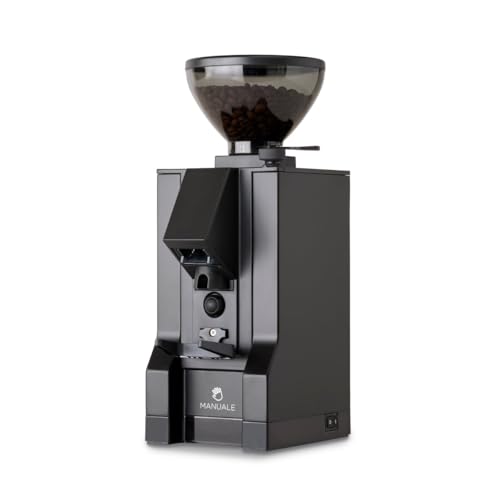
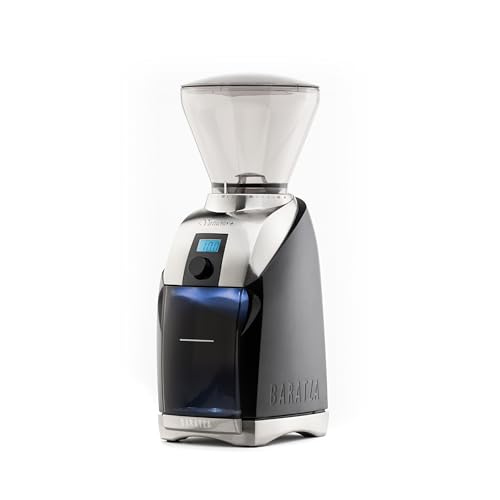


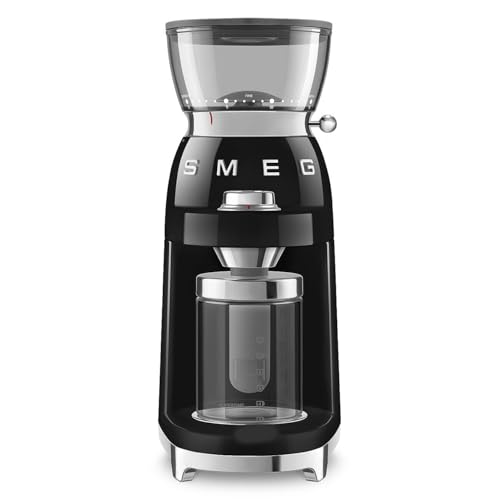


Quick Answer: The Three Types Worth Your Counter Space
If you want the short version, most households shopping for the best coffee grinder under 500 end up choosing between three types. Each one suits a different routine, and none of them requires a cafe sized kitchen.
- Conical burr electric grinders suit mixed brewing at home. They cover filter coffee, French press, and often espresso, and they tend to be compact and simple to live with.
- Flat burr electric grinders suit drinkers who value very even grounds and make the same drinks often. They reward more counter room and more patience while adjusting.
- Single dose and manual grinders suit small households that grind only what they brew. They waste little coffee and store easily, though they ask more of your time and arm.
Before You Buy: A Quick Checklist for Choosing a Coffee Grinder
A grinder is a small appliance you touch every day, so small annoyances grow fast. Work through these four checks before comparing prices.
Which Type Fits Your Routine
Start with how you brew. Burr grinders crush beans between two abrasive surfaces and produce grounds of a fairly even size, which helps water extract flavor evenly. Blade grinders chop beans with a spinning blade and leave a mix of dust and chunks, so cups taste muddy one day and weak the next. Our comparison of burr vs blade coffee grinder models explains that taste difference in plain terms. Electric burr models handle daily volume with a button press, while manual models trade speed for quiet and a tiny footprint.
Burr Shape and Grind Settings
Conical burrs sit inside a ring and tend to run quiet and cool in compact bodies. Flat burrs face each other and are praised for very uniform grounds, especially at finer settings. Our guide to conical vs flat burr grinder designs goes deeper if you want the full picture. Just as important is adjustment. Stepped settings click through fixed positions and are easy to return to after switching drinks. Stepless adjustment moves freely and allows tiny changes, which helps with espresso but makes it easier to lose a setting.
Counter Footprint, Height, and Noise
Measure before you fall for a tall hopper model. Many grinders must slide under upper cabinets, and you still need room above the lid to pour beans in, so check the full height with the hopper open if you can. Depth matters too, since grounds bins that pull forward need clear counter in front. Noise is the other daily factor. Grinding at dawn in a small apartment or near a sleeping baby argues for a slower, quieter motor and a lid that seals well.
Realistic Budget Ranges
Under this budget ceiling, price bands buy clear differences. At about $50 to $100 you mostly find blade models and entry level burr grinders that suit casual filter brewing. Between about $100 and $250, burr quality, motor strength, and setting range improve a lot, and this is where many homes should aim. From about $250 to $500 you pay for finer adjustment, lower retention of old grounds, sturdier parts, and dosing tools such as built in scales or timers.
Types Compared: What Your Money Buys Under $500
Instead of ranking individual models, compare the three types on what you feel daily: consistency, speed, space, and effort.
Conical Burr Electric Grinders for Mixed Brewing
This is the default choice for most homes, and for good reason. A hopper on top holds enough beans for several days, a dial or collar sets the grind size, and one button starts the motor. Grounds land in a removable bin, so serving two or four people takes under a minute. These grinders handle the wide middle of brewing, from coarse French press grounds down to fine filter and often espresso settings. Their limits show up at the extremes, where fine espresso tuning can feel coarse in its steps.
Flat Burr Electric Grinders for Precision
Flat burr models appeal to drinkers who make one or two drinks very well rather than every drink fairly well. The even grounds they produce can make pour over cups taste cleaner and espresso shots easier to repeat once you settle on a setting. They often run a little louder and take more counter depth than conical models at the same price. Many also retain slightly more ground coffee inside, so they suit households that brew the same beans for days instead of swapping beans every morning.
Single Dose and Manual Grinders for Small Households
Single dose electric grinders and hand grinders share one habit: you weigh or scoop only the beans for the drink in front of you. Nothing sits in a hopper going stale, and switching from a light roast to a dark roast takes seconds. If the quiet and ritual appeal to you, see our guide to the best manual coffee grinder options for what hand grinding involves. The trade off is throughput. Grinding for a table of guests by hand gets old quickly, and even electric single dose models add a weighing step to every drink.
How to Compare Grinders in This Price Range
When two grinders look alike on paper, compare them on five practical points. First, grind consistency, since even grounds matter more than a long feature list. Second, the usable setting range for the drinks you make, not the total number printed on the box. Third, ease of cleaning, including whether the upper burr lifts out without tools. Fourth, build quality in the parts you touch daily, such as the dial, the lid, and the grounds bin. Fifth, noise and speed at the hour you actually brew.
What You Get, and Give Up, Under $500
A budget of $500 covers genuinely capable home grinding. You get burr sets that handle filter coffee with ease, motors that do not strain on dense light roast beans, and adjustment fine enough for home espresso in many models. If espresso is your main drink, our guide to the best coffee grinder for espresso explains the finer points of dialing in shots. You also get practical touches like antistatic grounds bins, timed or weight based dosing, and parts that are sold separately when they wear.
What you give up sits mostly at the cafe end of the scale. Commercial duty motors, very large burrs, and near zero retention designs cost more than this ceiling. You may also give up some speed, since home models grind a dose in tens of seconds rather than a few. For one to four drinkers, those limits rarely matter in the cup.
Common Buying Mistakes to Avoid
- Buying for drinks you rarely make, such as paying extra for espresso range when you brew French press every day.
- Ignoring cabinet height, then finding the hopper lid cannot open in the only spot the grinder fits.
- Choosing a huge hopper for a one person home, so beans sit for weeks and lose aroma before you finish them.
- Judging by setting counts alone, when wide gaps between steps matter more than the number printed on the dial.
- Skipping the cost of extras, such as a scale for dosing, replacement burrs, and cleaning tablets, when you set your budget.
- Placing the grinder beside a steamy kettle vent, since moisture inside the burr chamber makes grounds cling and settings drift.
Cost of Ownership and Care
Owning a grinder costs little beyond the purchase if you care for it. Burrs wear slowly and often last for hundreds of pounds of coffee, and replacements for common home models run about $30 to $60. Electricity use is trivial, since the motor runs for seconds a day. The real cost is stale coffee wasted when a hopper sits full for weeks, so buy beans in amounts your household finishes in two to three weeks.
Care is simple. Empty and wipe the grounds bin often, brush loose grounds from the burr chamber weekly, and take the upper burr out monthly for a deeper clean with a dry brush. Never wash burrs with water, since steel burrs can rust and coated burrs can lose their finish. Our step by step guide on how to clean a coffee grinder covers the full routine, including how to clear a jam without forcing the motor.
Your Questions, Answered
Is a coffee grinder worth it if you already buy ground coffee?
For most homes, yes, because ground coffee loses aroma within hours while whole beans stay lively for weeks. Grinding right before brewing is the single change that improves flavor without touching your brewer or your beans. One caution: a grinder only pays off if you buy beans you enjoy and store them in a sealed container away from heat. If your household drinks coffee only on weekends, a manual grinder gives the freshness gain without another appliance on the counter.
How long does a coffee grinder last with daily use?
A cared for home grinder often serves five to ten years, with burrs as the main wear part. You will know burrs are dulling when grind times stretch longer, grounds feel uneven between your fingers, and cups turn bitter and flat at the same setting. Motors rarely fail first in this price range. The lid switches and grounds bin latches are the small parts most likely to crack, so treat them gently and check that replacements are sold before you buy.
What is the best coffee grinder under 500 for a small kitchen?
Look for a compact conical burr or single dose model and judge it by working height, not shelf height. You need clearance to lift the lid and pour beans, which adds a few inches above the listed figure. A front loading grounds bin helps when the grinder lives under cabinets, since you never pull the whole unit forward. Also favor a shorter power cord path or a cord storage slot, because loose cable eats the very counter space you are trying to save.
Can one grinder under $500 handle both espresso and filter coffee well?
Yes, but expect a compromise in workflow rather than in the cup. Moving from filter settings down to espresso and back takes a short purge of grounds and a few test shots, since fine settings hold on to old grounds. Homes that switch drinks daily often keep notes of settings for each method on a card near the grinder. If one person drinks espresso and another drinks filter at the same breakfast, a hopper model with clear numbered steps makes the back and forth far less annoying.
Can you get a good coffee grinder for under $500, or should you save for more?
You can get a genuinely good one, and saving beyond this ceiling brings smaller gains than most people expect. Spend first on the burr set and motor, then judge the finalists by warranty length and parts availability, which protect you long after small spec differences fade. Money left over does more for your cup when it goes toward fresh beans each month. Upgrade later only if a clear limit, such as serving big groups daily, starts to frustrate you.
Final Thoughts
The right choice comes back to your kitchen and your people. Match the type to your drinks, measure your counter and cabinets honestly, and spend in the band that buys consistency rather than decoration. Do that, and the best coffee grinder under 500 for your home becomes an easy pick rather than a gamble. Before you order, glance back at the product table to confirm your type, then read our broader guide to the best coffee grinder if your budget might stretch in either direction.

