
Best Coffee Grinders Under $100 (2026): A Guide for Real Homes
Disclosure: We may earn a commission when you buy through links on this page, at no extra cost to you. As an Amazon Associate I earn from qualifying purchases. Learn more
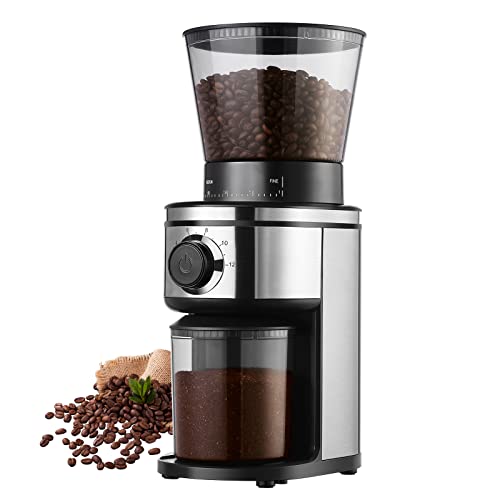
The best coffee grinder under 100 dollars is an electric conical burr or a manual burr model. Compare grind range, size, and noise before you buy.
Picture a weekday morning in a small kitchen. One person wants a full pot of drip coffee, another wants a single mug, and the counter already holds a toaster and a kettle. The right grinder for that home is not the biggest or the fanciest. It is the one that fits the space, serves the right number of people, and grinds evenly enough for the drinks you actually make. If you are hunting for the best coffee grinder under 100 dollars, this guide helps you choose by routine, household size, and budget, and the product table sums up the main types at a glance.
Below you will find the types that sell at this price, the features that matter for daily use, and the trade offs this budget involves.


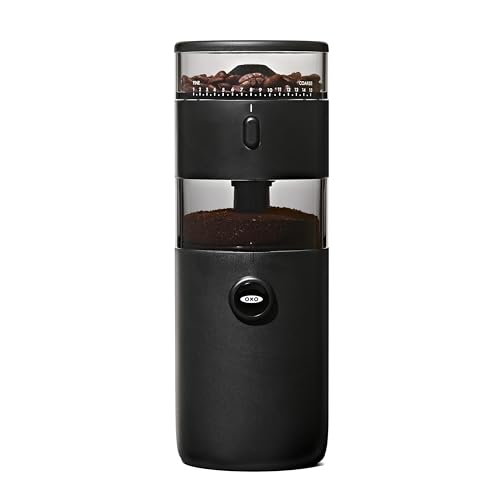
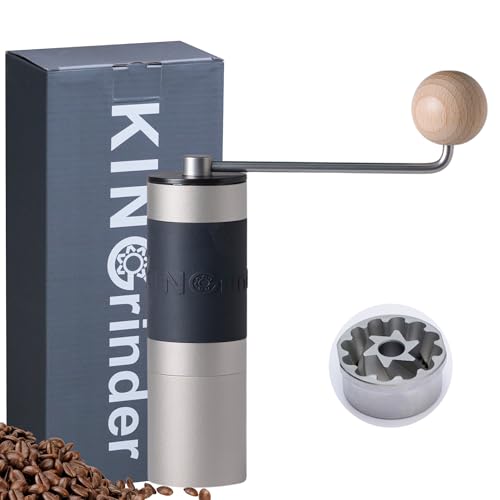
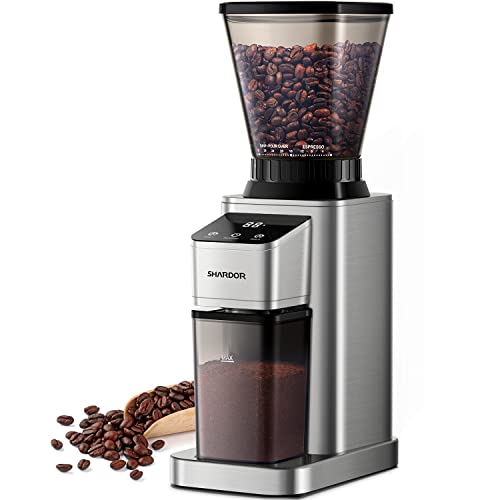
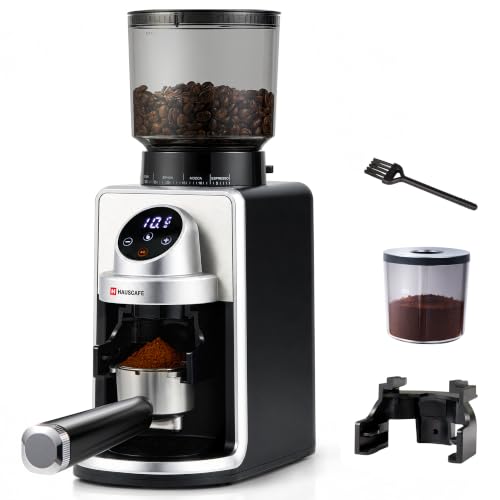


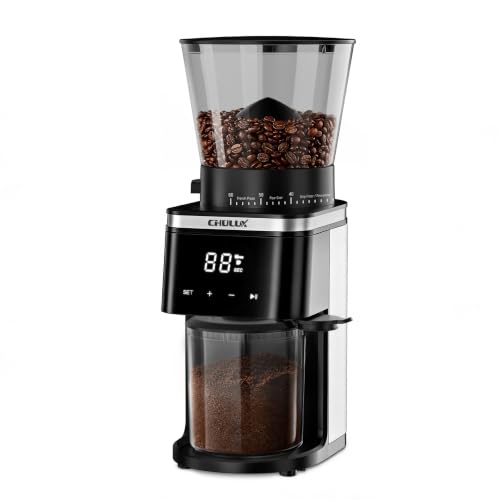
Quick Answer: The Types That Fit This Budget
At this price, three types cover nearly every home. Electric conical burr models are the default choice for most households, since they grind evenly, work fast, and handle daily pots with little effort. Manual burr grinders cost less, stay quiet, and suit one or two cups at a time. Blade models cost the least of all, but they chop beans unevenly, so they suit only coarse and forgiving brews. For most readers, a conical burr model is the safest place to start.
- Electric conical burr: best for daily drip, pour over, and french press in busy homes.
- Manual burr: best for small households, quiet mornings, and travel.
- Blade: best only when the budget is very tight and the brew method is forgiving.
Before You Buy: A Quick Checklist for Choosing a Coffee Grinder
Which Type Fits Your Routine
Start with how you brew on an ordinary day, not on your best day. Burr grinders crush beans between two abrasive surfaces, so particle size stays fairly even and extraction tastes balanced. Blade models spin a propeller that chops beans into mixed dust and chunks, which brews unevenly. The full breakdown in our guide to burr vs blade coffee grinder designs shows why burrs win on flavor. Manual burr models give the same even grind as electric ones, but your arm supplies the power, so grinding for a full pot takes a few minutes of steady cranking.
Grind Range and Brew Methods
Each brew method needs a different particle size. French press wants coarse grounds, drip sits in the middle, pour over needs medium fine grounds, and espresso needs a very fine and very consistent grind. Count the settings on a model and check that the range covers your method with room on both sides. True espresso is the hardest test at this price, and our guide to the best coffee grinder for espresso explains the extra demands it places on a grinder. Water temperature is the job of your brewer, so the grinder only needs to match its grind needs.
Hopper Size and Daily Volume
Hopper capacity decides how often you refill and how well a grinder serves your household. A small hopper suits one or two drinkers who weigh out beans for each brew, and fewer stored beans sit exposed to air and light. A larger hopper suits a family that brews a full pot every morning and wants to scoop and go. Match the ground coffee bin size to your pot as well, because a bin that holds less than one full brew forces you to grind in two rounds.
Counter Footprint and Noise
Measure the space before you buy, including the height under your cabinets, since many kitchens store the grinder pushed back beneath them. A tall hopper that blocks the lid will annoy you every single morning. Footprint matters in apartments and shared homes where counter space is scarce, and a compact manual model can live in a drawer instead. Noise matters too. Electric burr models are loud for the twenty or thirty seconds they run, while a manual model is nearly silent, which counts in a home with sleeping children or thin walls.
Realistic Budget Ranges
Money buys different things at each step of this market. Under about $50, you are choosing between blade models and simple manual burr grinders, and evenness is limited either way. Between about $50 and $100, electric conical burr models appear with real grind settings and bins sized for family pots. Above this range, at about $100 to $250, you gain quieter motors, less static, and finer espresso range. Spending more mainly buys refinement and durability, not a different category of drink, so a careful choice under $100 covers most homes well.
Types Compared: What Your Money Buys Under $100
The three types below are the real choice in this price band. Shoppers who want to compare the wider burr market can also read our guide to the best burr coffee grinder options above this budget, but the strengths and limits at this price are as follows.
Electric Conical Burr Grinders
This is the type most homes should buy. A conical burr spins inside a ring burr, pulling beans down through the gap and producing grounds that are even enough for drip, pour over, and french press. Settings usually run from coarse to fairly fine, and a timed or weighed dose keeps mornings simple. Expect plastic bodies, noticeable noise, and some static that scatters grounds around the bin. The detailed comparison of conical vs flat burr grinder designs explains why conical burrs dominate here: they run slower, stay cooler, and cost less to build than flat burr sets.
Manual Burr Grinders
A manual grinder trades speed for silence, size, and price. The burr set is small but genuinely effective, and the grind quality for one or two cups often matches electric models at twice the price. The cost is effort. Grinding enough beans for a large pot can take several minutes, and fine settings demand real arm strength. This type suits solo drinkers, careful pour over brewers, and anyone who travels or camps. It also works well as a second grinder kept only for decaf beans.
Blade Grinders
Blade models are the cheapest route to freshly ground coffee, and for some homes that is enough. They work acceptably for french press and cold brew, where a coarse grind and long steep hide uneven particle sizes. They struggle everywhere else, since the grounds near the blade turn to dust while larger chunks stay under extracted, and the cup tastes both sour and bitter at once. Buy one only if the budget is firm and your brew method is forgiving, and plan to shake the chamber during grinding to even things out.
How to Compare Grinders in This Price Range
A fair comparison rests on the factors a buyer can verify before ordering: burr type and material, the number and spacing of grind settings, hopper and bin capacity, footprint, and the terms of the warranty. Weigh those specs against buyer reports about static, noise, and parts availability. A model earns its place here by covering a clear household need, not by a long feature list.
What You Get (and Give Up) Under $100
What you get is the single biggest upgrade in home coffee: beans ground minutes before brewing instead of weeks before. You get real grind settings, grounds even enough for the main home brew methods, and a machine that handles daily use for a household. For most drinkers, the jump from ground coffee bought in a bag to a burr grinder at this price is larger than any later upgrade.
What you give up is refinement. Espresso range is limited, so dialing in a shot is harder and sometimes impossible. Motors are louder, bodies are mostly plastic, and static sends grounds onto the counter. Portafilter holders, scales built into the base, and metal burr carriers belong to higher price bands. None of those gaps matter for drip or french press, which is why this budget suits most homes.
Common Buying Mistakes to Avoid
- Buying for espresso alone at this price: most models here cannot grind fine and even enough, so shots run fast and taste sour.
- Ignoring cabinet height: a grinder that cannot sit under your cabinets with the lid open will frustrate you daily.
- Choosing the largest hopper by default: beans stored for weeks in a big hopper go stale faster than beans kept sealed in a bag.
- Skipping the cost of replacement burrs: a cheap model with no spare parts for sale becomes trash the day the burrs wear out.
- Judging by setting count alone: forty settings that cluster at the coarse end help less than twenty settings spread across your brew range.
Cost of Ownership and Care
Running costs at this price are low, since the motor runs for seconds a day. The real costs are replacement burrs after a few years of daily use and the coffee you waste while learning your settings. Care is simple. Empty the bin often, brush loose grounds from the burr chamber weekly, and run grinder cleaning tablets or a small amount of dry rice through the burrs about once a month to clear oils. Our step by step guide on how to clean a coffee grinder walks through the full routine. Never wash electric burrs with water, since trapped moisture rusts steel and ruins the next several brews.
Your Questions, Answered
How long does a coffee grinder under $100 usually last?
With daily use and regular cleaning, most electric burr models at this price last about three to five years before the burrs dull or the motor tires. Manual models often last longer, since there is no motor to fail and the small burr set wears slowly. You can extend the life of either type by grinding only whole beans, never spices or grains, and by clearing jammed grounds gently instead of forcing the burrs to turn.
Is a coffee grinder worth buying if I only drink coffee on weekends?
Yes, and weekend only use actually favors this budget. Beans stay whole and fresh in a sealed bag all week, and you grind only what each Saturday pot needs, so nothing goes stale in a hopper. A manual model makes particular sense here, since the slower pace is no burden twice a week and the low price pays for itself quickly against the markup on small bags of ground coffee from a cafe.
Can a grinder under $100 handle beans for both drip and french press?
Yes, that pairing is the easiest one in this price range. Both methods sit in the middle and coarse parts of the grind scale, well inside the range of any burr model here. The one habit that helps is purging: after switching from coarse back to medium, grind and discard a small pinch of beans first, because coarse fragments retained inside the chamber can otherwise slip into your drip basket and slow the drawdown.
Why does ground coffee from my new grinder scatter across the counter?
Static electricity builds up as beans fracture and slide through plastic chutes, and it is worse with dark roasts and dry indoor air. A single drop of water stirred into the beans before grinding, often called the Ross droplet method, calms most of the scatter. Grounds also cling less when the bin is fully dry, so let a washed bin air out completely before the next use instead of towel drying it halfway.
How fine should I grind for a moka pot?
A moka pot wants grounds a little finer than drip but clearly coarser than espresso, about the texture of table salt. Most burr models under $100 reach that zone comfortably, which suits this budget well. If the pot sputters and the coffee tastes harsh, go one step coarser. If it flows slowly and tastes flat, step one notch finer and tamp nothing down, since moka pots build pressure on their own.
Final Thoughts
Choosing well at this price comes down to your routine. Match the type to your household size, confirm the footprint fits your counter, and spend on burrs rather than extras. Do that, and the best coffee grinder under 100 dollars for your home is simply the one you will use gladly every morning. Before you order, look back at the product table to compare the three types side by side, and see our guide to the best coffee grinder if your budget ever stretches further.


