
Best Coffee Grinders Under $300 (2026): A Guide for Real Homes
Disclosure: We may earn a commission when you buy through links on this page, at no extra cost to you. As an Amazon Associate I earn from qualifying purchases. Learn more

The best coffee grinder under 300 dollars matches your kitchen, brew method, and household size. Compare conical, advanced electric, and manual routes.
Picture a weekday morning in a busy kitchen. One person wants espresso, another wants a full pot of drip coffee, and the grinder has to work fast without waking the whole house or crowding the counter. Finding the best coffee grinder under 300 dollars for that kind of home is less about chasing pro gear and more about matching grind quality, size, and daily effort to your household.
This guide helps you choose by space, number of users, and budget. It compares grinder types, the features that change your daily routine, and the costs that follow you home. Start with the product table, then use the sections that follow to narrow your shortlist. For the wider category view, see our guide to the best coffee grinder.
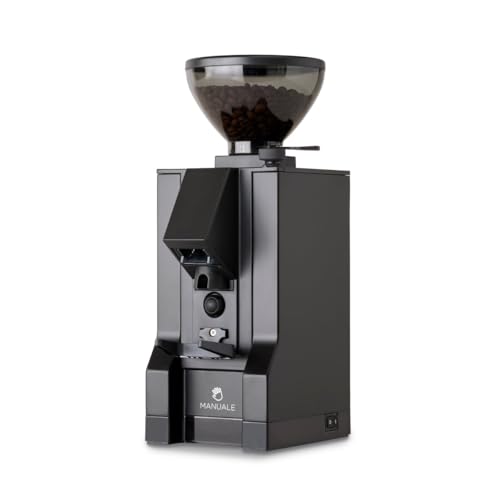

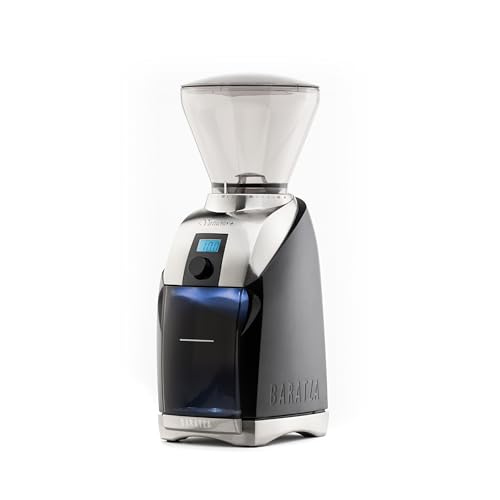


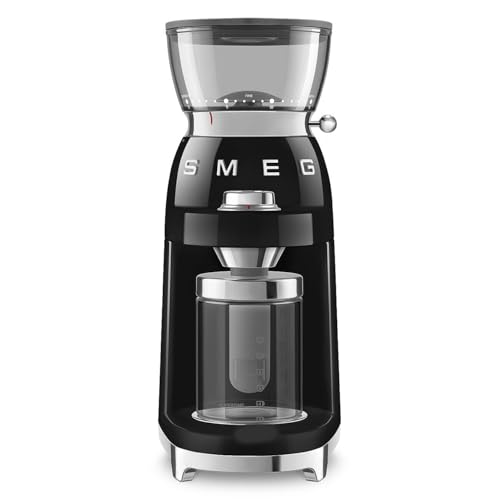


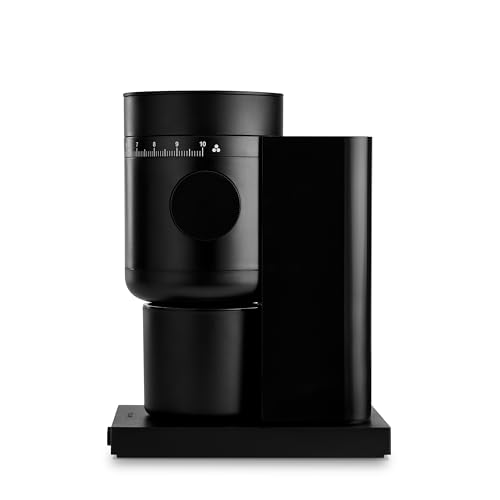

Quick Answer: Three Routes That Fit Real Homes
Most homes under this budget land on one of three routes. Each route below suits a different kitchen, a different number of drinkers, and a different tolerance for morning effort.
- Conical burr electric models suit most households. They handle drip, pour over, French press, and cold brew well, stay compact, and ask little effort from you each morning.
- Advanced electric models suit mixed drink homes. Finer adjustment and better dosing control help when espresso shares the counter with filter brewing.
- Manual models suit small or quiet kitchens. They take no counter space and grind in near silence, but your arm does the work for every cup.
Before You Buy: A Quick Checklist for Choosing a Coffee Grinder
Which Type Fits Your Routine
Start with how you brew most days, because that sets everything else. Burr grinders crush beans between two abrasive surfaces and give even particles, which is why nearly every model worth this budget uses burrs. Our overview of the best burr coffee grinder options explains that format in depth. Blade grinders chop beans into uneven pieces and belong in a much lower budget. Electric models suit daily volume, while manual models suit one or two cups and travel.
Counter Footprint and Cabinet Clearance
Measure before you shop, and measure the way you will actually use the machine. Note the height from counter to cabinet bottom, then add room to lift the hopper lid and pour beans in without pulling the grinder forward. Check the depth with the cord in place, and leave space in front for the grounds bin to slide out. A grinder that fits on paper but blocks a drawer or crowds your brewer will annoy you every single day.
Realistic Budget Ranges
Under about $50, you mostly find blade models and basic manual grinders with limited grind range. From about $50 to $100, entry burr models appear, and filter brewing improves a lot. From about $100 to $200, you gain stronger motors, wider setting ranges, and sturdier burrs. From about $200 to $300, you gain finer espresso adjustment, quieter motors, better dosing control, and more metal in the body. Spending more inside this band buys refinement and ease, not a different category of machine.
Key Features to Compare
Burr Shape and Grind Consistency
Conical burrs use a cone shaped piece inside a ring, run at lower speeds, and tend to stay compact and affordable. Flat burrs use two facing discs and often deliver very even particles at filter settings, in a taller or wider body. Consistency matters because even particles extract at the same pace, so your cup tastes balanced instead of sour and bitter at once. If you want the full geometry debate, read our guide on conical vs flat burr grinder designs before you decide.
Grind Settings and Espresso Range
Filter methods forgive small setting errors, but espresso does not. A tiny change in grind size changes shot time a lot, so espresso fans need small, repeatable steps at the fine end of the range. Stepped adjusters click into fixed positions and are easy to return to later. Stepless adjusters move freely and allow finer tuning, but they are easier to knock off your setting. If espresso is your main drink, compare the fine range first, and see our guide to the best coffee grinder for espresso for method specific advice.
Dosing Style: Hopper, Single Dose, or Timed Output
A hopper holds beans for days of grinding and suits homes that brew the same coffee all week. Single dose designs grind only the beans you weigh for one drink, which keeps beans fresher in their bag and lets you switch coffees often. Timed dosing grinds for a set number of seconds, while weight based dosing stops at a target mass and repeats more closely. Large households value speed and a hopper. Solo drinkers who rotate beans usually prefer single dose work flow.
Motor, Noise, and Heat in Daily Use
Motor strength shows up when you grind fine settings or large amounts back to back. A strained motor slows down, sounds harsh, and can heat the burrs during long runs, which is rough on aroma. Noise matters more in homes than in cafes. Early risers in apartments or houses with sleeping kids often prefer slower, quieter conical models over loud high speed designs. Check the stated wattage and duty guidance, and favor models that grind your normal dose without pausing to cool.
Build, Capacity, and Ease of Handling
Metal bodies and burr mounts feel solid and resist the flex that can shift grind settings over time. Mostly plastic bodies cost less and weigh less, which helps if you store the grinder in a cabinet and lift it out daily. Hopper capacity should match your household, not your ambition. A huge hopper on a one person kitchen just holds beans that slowly go stale. Grounds bins with lids, clear dose markings, and parts that rinse or brush clean easily all lower daily friction.
Types Compared: Three Routes Under $300
Conical Burr Electric Grinders for Most Homes
This is the default route for good reason. These models balance price, size, and grind quality for drip machines, pour over, French press, and cold brew. They fit under most cabinets, start with one button, and serve a family pot without fuss. Their limit is fine tuning. Many cover casual espresso, but the steps at the fine end can feel coarse when you chase exact shot times.
Advanced Electric Grinders With More Control
Paying near the top of this budget buys control features rather than raw power. Expect finer adjustment, lower ground retention, better anti static design, and dosing by weight on some models. These grinders suit homes where one person dials in espresso while another brews filter coffee on weekends. They are larger and cost more to repair, so buy this route only if you will use the extra control weekly, not just admire it.
Manual Grinders for Small and Quiet Kitchens
A manual grinder holds a surprising amount of burr quality for its price, because none of your money pays for a motor or electronics. It stores in a drawer, travels easily, and grinds quietly enough for a sleeping household. The cost is effort and time, roughly a minute or more of cranking per drink, and small capacity per load. If that trade sounds fair, compare options in our guide to the best manual coffee grinder.
What You Get and Give Up Under $300
At this level, a shopper can expect steel burrs, even grinding for every filter method, motors that handle daily home volume, and settings broad enough for several brew styles. Most homes will taste a clear jump over preground coffee and over budget blade models. This is the band where grind quality stops being the weak link for filter brewing in most kitchens.
What you give up is pro margin. Retention is low but rarely near zero, duty cycles suit homes rather than cafe rushes, and warranties tend to run shorter than on commercial gear. Espresso range exists, but usually with compromises in step size or dose control. You also give up redundancy. If the grinder fails, most homes have no backup, so brand support and part availability matter more than one extra feature.
Common Mistakes to Avoid
- Buying a blade grinder for espresso, so uneven particles make shot times swing from choked to watery.
- Choosing by setting count alone, so you get many steps that all sit too coarse for your main brew method.
- Skipping the cabinet height check, so the hopper lid cannot open where the grinder has to live.
- Filling a large hopper in a sunny kitchen, so beans stale in warm light before a small household uses them.
- Ignoring noise ratings in an open plan home, so the morning grind wakes people in the next room.
- Forgetting cleaning supplies in the budget, so grounds and oils build up because no brush is on hand.
Cost of Ownership and Care
Running costs stay modest. Electricity use is small because grinding takes seconds per drink. The ongoing spend is cleaning supplies, such as a stiff brush and grinder cleaning tablets, plus replacement burrs after years of use when grind quality fades even at the same setting. Keep the receipt and warranty details in one place. A model with available spare burrs, bins, and lids usually costs less over its life than a cheaper model you replace whole.
Daily care takes under a minute. Knock out loose grounds, brush the chute, and empty the bin before old grounds scent the next dose. Keep beans in their sealed bag in a cool cupboard rather than in the hopper if you drink slowly. For the full routine by part and by schedule, follow our guide on how to clean a coffee grinder. Never wash burrs or motor parts with water, and always unplug an electric model before you open the burr chamber.
Your Questions, Answered
What is the most reliable coffee grinder brand?
No single brand wins for every home, and reliability claims are hard to verify across model lines. A better test is support. Favor brands that sell replacement burrs and bins for your exact model, publish clear warranty terms, and answer service questions in your region. A simpler model with strong parts support will usually outlast a feature packed model that nobody can repair near you.
How do you clean a coffee grinder?
Unplug the grinder, remove the hopper and upper burr, and brush grounds from the burrs, chute, and chamber with a dry brush. One point many owners miss is flavor carryover. Clean the bin and chute right after grinding oily or flavored beans, because their residue can scent plain beans for days. Wipe the exterior with a damp cloth and let every part dry before reassembly.
Is a coffee grinder worth it for a home kitchen?
Yes, if you buy whole beans at least some of the time. Ground coffee loses aroma fast once exposed to air, so grinding right before brewing keeps more of what you paid for in the cup. Small households gain the most from this habit when they buy beans in modest bags and finish each bag within a few weeks of opening it.
How long does a coffee grinder last in daily home use?
Usage volume is the biggest factor. A grinder serving one person may run for many years, while the same model grinding for a large household works several times harder each week. Watch for warning signs of wear beyond age alone, such as a motor that labors at settings it once handled easily, or grounds that turn uneven even right after a thorough cleaning.
Can you get a good coffee grinder for under $300?
Yes. This budget covers the best coffee grinder under 300 dollar options for filter brewing with room to spare, plus capable espresso options if you choose the fine range carefully. One smart way to spend here is to put money into the burr set and motor first, and skip extras like touchscreens or app links that do nothing for the grounds in your bin.
Final Thoughts
Choose by your kitchen first and your brew method second. Measure your cabinet clearance, count your daily drinkers, and pick the route, conical electric, advanced electric, or manual, that fits that life. The product table sums up the types side by side. When you find the best coffee grinder under 300 for your home, it should feel easy on a rushed Tuesday morning, not just impressive on the day it arrives.

