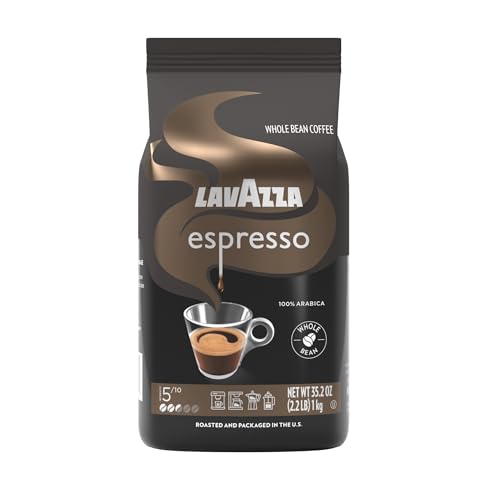
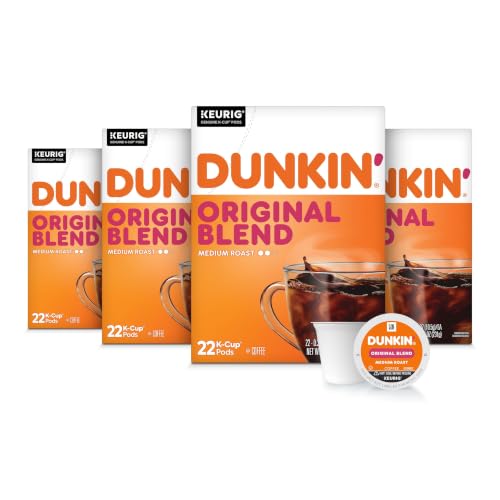
Best Coffee Beans for Espresso Machines: A Buying Guide for 2026
Disclosure: We may earn a commission when you buy through links on this page, at no extra cost to you. As an Amazon Associate I earn from qualifying purchases. Learn more
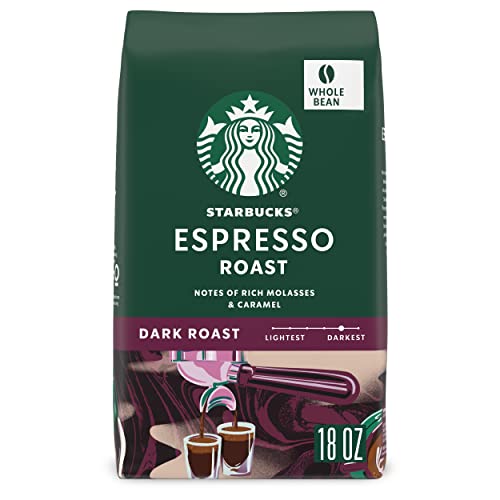
Choose the best coffee beans for espresso machines by roast level, freshness, grind, and origin for better shots at home every day.
Espresso is unforgiving: a small change in bean, grind, or freshness shows up right away in the cup. The best coffee beans for espresso machines give a balanced shot with sweetness and body instead of harsh bitterness or thin, sour flavor that no machine setting can fully fix.
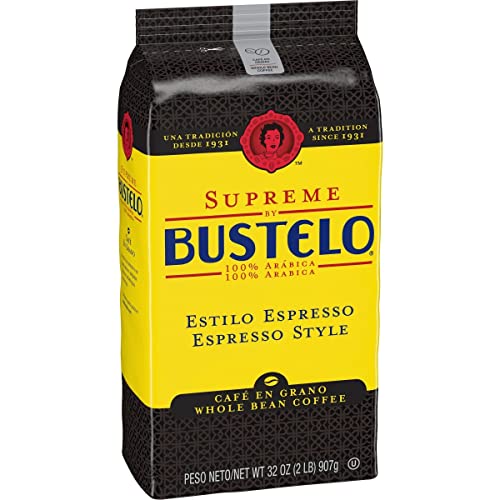
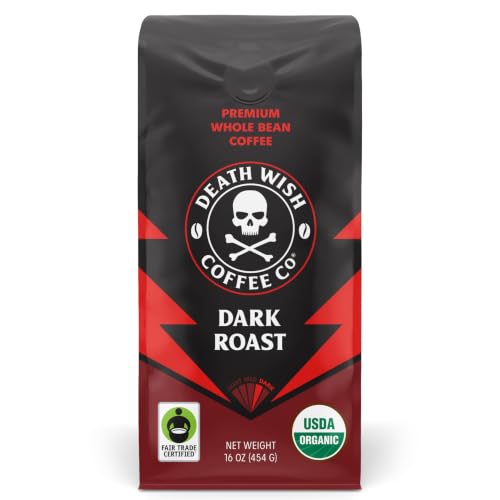
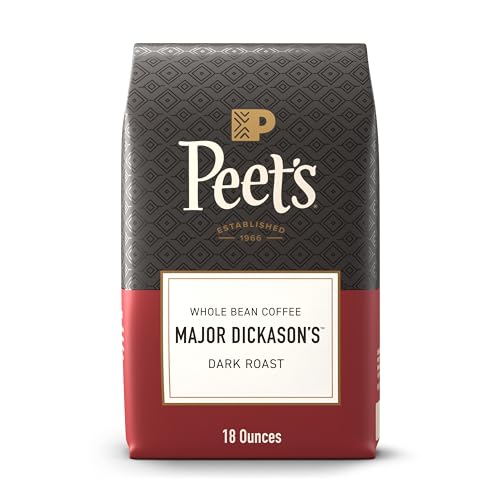
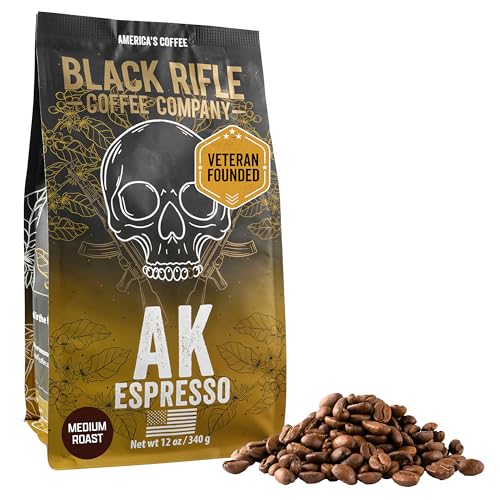
This guide covers roast level, origin, freshness, and oil, and it shows how to match beans to a manual, semi automatic, or super automatic machine. Use the product table to see the range of bags available, then use the sections below to narrow your choice by taste and machine type.
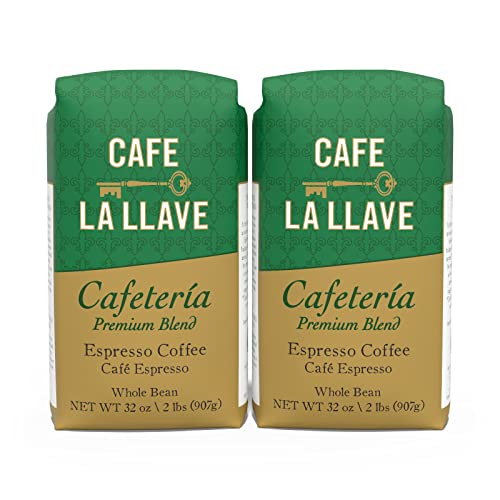
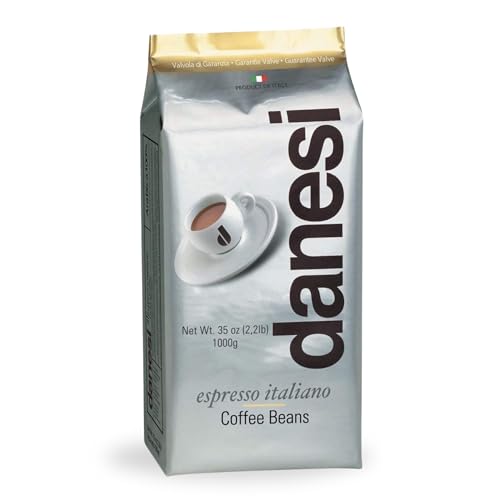


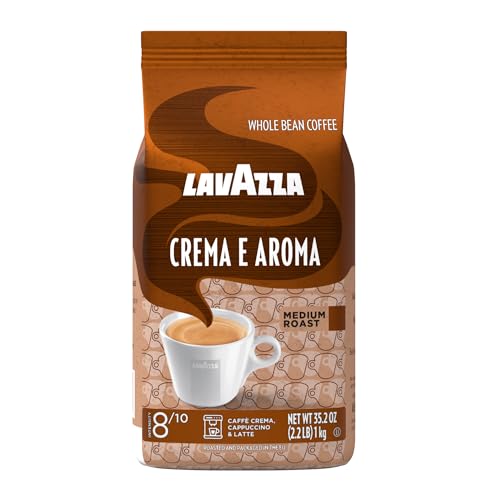
Who Should Buy Espresso Beans
Espresso roasts suit home baristas, owners of bean to cup machines, and anyone moving from pods to fresh beans for better flavor. They also suit hosts who serve espresso based drinks and want consistent results. If you mostly drink filter coffee, beans roasted for filter brewing may suit you better, since espresso roasts are developed for pressure extraction and milk drinks.
Key Features of the Best Coffee Beans for Espresso Machines
Judge beans on these points, and keep your recipe the same while you compare them.
- Roast level. Medium to medium dark roasts often balance sweetness and body for espresso. Very dark roasts can taste bitter and burnt, and very light roasts can taste sour unless the grind and water temperature are dialed in.
- Freshness. Beans taste best within a few weeks of roasting, so look for a roast date rather than a best by date alone.
- Origin and blend. Single origins show distinct flavors such as fruit or nuts, while blends aim for a steady taste from bag to bag and tend to work well in milk drinks.
- Grind suitability. Espresso needs a fine, even grind, so whole beans ground just before brewing usually beat pre ground coffee.
- Oiliness. Very oily beans can gum up the grinder in a super automatic machine, so check the maker's guidance before buying shiny, dark beans.
Blends, Single Origins, and Decaf Compared
Single origin beans highlight the character of one region, with notes such as chocolate, berries, or toasted nuts, and they suit drinkers who enjoy variety. Blends combine beans for balance and consistency, which suits daily drinking and lattes. Decaffeinated beans suit evening drinkers. Decaffeination shifts flavor slightly, so buy a small bag before you commit to a large one.
How to Compare Options Side by Side
Start with the roast date and roast level, then taste each bag with your usual dose, grind, and milk preference. Change only one variable at a time, such as grind size, and jot down the result, because memory alone is a poor guide. Compare small bags before buying in bulk, and compare price per cup rather than price per bag, since dose and waste differ between households.
To compare nearby topics, see the best espresso coffee machines, the best coffee beans for espresso, and the best coffee beans for superautomatic espresso machines. The guides to the best coffee beans for automatic espresso machines and the best bean to cup espresso coffee machines add a wider view.
Budget, Midrange, and Premium Beans
Budget bags can taste excellent when fresh, so favor roast date over brand prestige. A fresh budget bean ground just before brewing will beat a stale premium bean every time. Midrange beans from roasters who print roast dates and describe flavor notes give home baristas the most to learn from, especially in medium to medium dark roasts. Premium single origins offer distinct flavors and seasonal variety, but they cost more per cup and need careful dialing in, because light roasts taste sour when grind or temperature is off. Buy premium beans in small amounts and use them promptly.
Setting Up and Everyday Use
Store beans in an airtight container away from light, heat, and moisture, and grind only what you need for each session. Purge a little coffee after changing the grind setting, and clean the grinder and machine regularly, since old grounds turn stale quickly. Use filtered water if your tap water tastes strongly of chlorine, and descale as the machine maker directs to protect both flavor and equipment.
In the first weeks with a new bag, keep the dose and recipe steady while you adjust the grind in small steps and note the taste. This shows you what each bean offers without confusing variables. Switch beans when shots taste flat despite a correct grind, fresh roast, and clean machine, or when a roast no longer suits your milk preference.
Care and Long Term Value
Keep beans out of the fridge, where moisture and odors harm flavor, unless you freeze sealed portions for longer storage. Clean portafilters, baskets, and milk parts after each use, since milk residue and old oils spoil taste. Replace grinder burrs when the grind becomes inconsistent, and check seals and gaskets yearly on manual machines. A clean machine lets good beans show their best.
Common Mistakes to Avoid
Buying large bags of stale beans is the most common error, since espresso magnifies staleness. Another is changing beans, dose, and grind all at once, which makes diagnosis impossible. Using pre ground coffee that has sat open for weeks is also costly for flavor. Finally, do not ignore machine guidance on oily beans, because a clogged super automatic grinder needs professional cleaning.
Frequently Asked Questions
What roast is best for espresso?
Medium to medium dark roasts suit most espresso drinkers, balancing sweetness, body, and low bitterness. Very dark roasts can taste bitter, while very light roasts can taste sour under pressure. Taste a few roasts on your own machine before settling on a favorite.
How fresh should espresso beans be?
Beans are usually best within a few weeks of roasting, after a short resting period of several days. Check roast dates on the bag, and buy smaller amounts more often rather than one large bag that goes stale.
Are oily beans bad for super automatic machines?
Very oily beans can clog the grinder and brew unit in super automatic machines, leading to poor grinding and service visits. Favor medium roasts with a dry surface for these machines, and follow your maker's guidance. Manual machines with a separate grinder tolerate oily beans better.
Should I buy single origin or blends for espresso?
Single origins offer distinct flavors and variety, while blends offer consistency for daily drinking and milk drinks. Many people keep a blend for everyday use and a single origin for tasting.
Why does my espresso taste sour or bitter?
Sourness often points to under extraction from a grind that is too coarse, water that is too cool, or a shot that runs too short. Bitterness often points to over extraction, very dark beans, or stale coffee. Adjust one variable at a time, and clean the machine before blaming the beans.
Final Thoughts
For the best coffee beans for espresso machines, fresh beans at a suitable roast, ground just before brewing, make the biggest difference to your daily cup. Taste methodically, store beans well, and keep your machine clean, and good espresso becomes a reliable pleasure rather than a gamble. The product table is a quick way to revisit the main options after reading the guide.