Best Coffee for Superautomatic Espresso Machines: A Buying Guide for 2026
Disclosure: We may earn a commission when you buy through links on this page, at no extra cost to you. As an Amazon Associate I earn from qualifying purchases. Learn more
Learn how to choose the best coffee for superautomatic espresso machines, from roast level and oil content to freshness, storage, and flavor fit.
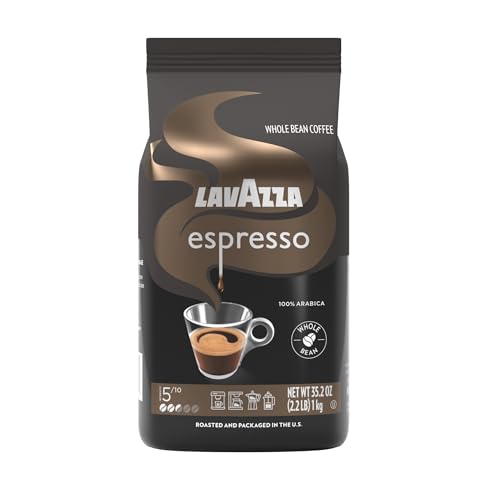
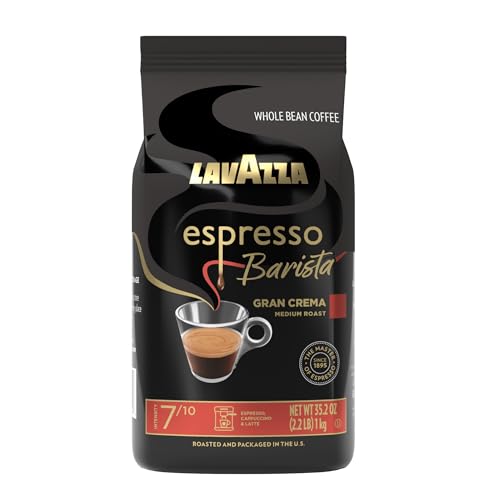
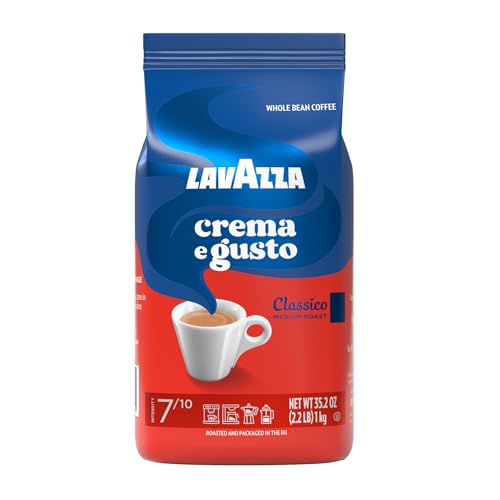
A superautomatic machine grinds, tamps, and brews at the touch of a button, but it can only work with the beans you feed it. Choosing the best coffee for superautomatic espresso machines starts with a fact many buyers miss: very dark, oily beans can coat the built in grinder and brew unit, while fresh medium roasts flow cleanly and taste balanced. This guide explains roast level, oil content, freshness, and flavor so you can match a coffee to your machine and your taste, and the product table gathers real options in one place.
You will also learn who each coffee style suits, how whole bean and pre ground options differ, which buying mistakes shorten the life of a bag, and how storage habits protect flavor. There is no single bag that pleases everyone, so the goal is a coffee your machine handles easily and that you look forward to drinking every morning.
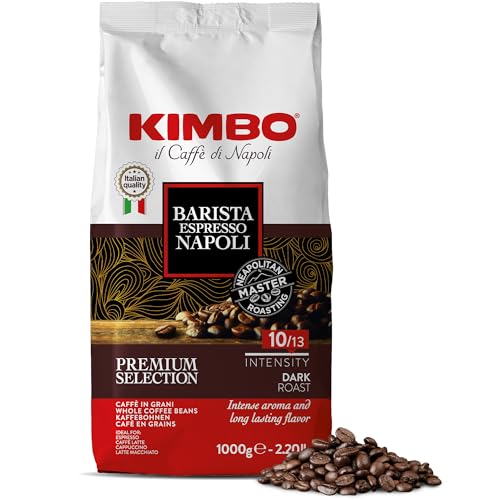


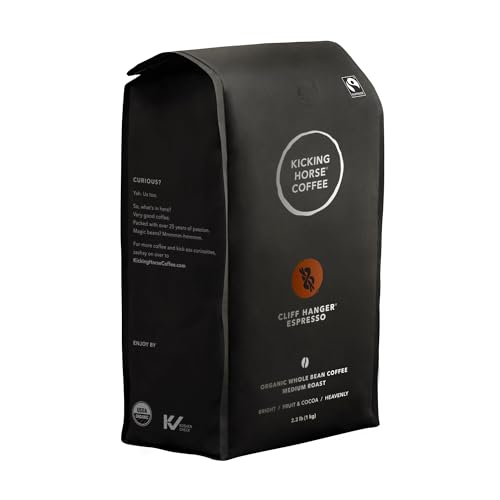

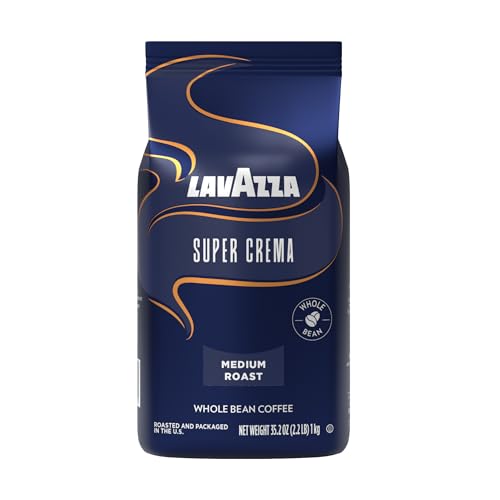
Who Should Buy Which Coffee for a Superautomatic Machine?
Start with how you actually drink your coffee, because the right bag for straight shots is rarely the right bag for milky drinks. If you are still comparing machines before stocking up, see our guide to the best coffee automatic espresso machines. Once the machine is settled, the three groups below cover most home users.
Straight Espresso Drinkers
If you drink espresso on its own, small differences stand out, so bean quality matters most for you. Look for medium roasts with clear tasting notes such as chocolate, toasted nuts, or red fruit, and consider single origin beans when you enjoy brighter, more distinct flavors. Freshness is critical because a straight shot has no milk to hide staleness. Buy from roasters that print a roast date, choose bags you can finish within about a month, and expect to adjust the grind setting a few clicks as each new bag settles in.
Latte and Cappuccino Fans
Milk softens acidity and mutes delicate flavors, so coffees that taste perfect as straight espresso can seem dull in a latte. You are usually better served by blends built for body and sweetness, often combining Brazilian and Colombian beans for chocolate and caramel notes that carry through milk. A medium dark roast adds richness, but stop before the beans look shiny with oil, since that oil is hard on your machine.
Households That Brew All Day
When several people brew from morning to evening, consistency and value matter more than rare tasting notes. Choose a dependable medium roast blend that tastes good across a range of grind settings, because different users rarely dial in a shot with care. If caffeine is a concern later in the day, keep a medium roast decaf in a separate sealed container for evening drinks. Gentle, low acid blends are also worth considering if strong coffee bothers your stomach, and two smaller bags keep the last week of coffee tasting fresher than one huge bag.
How to Choose Coffee That Suits Your Machine
A superautomatic extracts under pressure, with the pump rated well above the roughly 9 bars that reach the coffee puck, so even small changes in the beans change flow and flavor. The factors below decide whether a bag brews cleanly or causes clogs, sour shots, and constant adjustments, and they are what separate the best coffee for superautomatic espresso machines from a bag that merely works. If you want to see how machines themselves differ, see our guide to the best espresso coffee machines.
Roast Level and Surface Oil
Roast level is the single most important factor for this machine type. As beans roast darker, oils migrate to the surface, and those oils stick to burrs, coat the brew unit, and build up until grounds stop flowing freely. Medium and medium dark roasts are the sweet spot: they dissolve well under pressure, produce balanced sweetness, and keep the grinder clean far longer. Light roasts are safe for the machine but can taste sharp or sour if your model cannot get hot or fine enough to extract them fully. Judge a bag by appearance as well as the label, and skip beans that look glossy or leave oil on your fingers.
Freshness and the Roast Date
Whole beans begin losing aroma within weeks of roasting, and a superautomatic shows staleness quickly because it grinds fresh for every cup. Choose bags with a printed roast date rather than only a best by date, and aim to use the coffee about one to four weeks after roasting. Very fresh beans, only a day or two off the roast, can also brew unevenly because they still release gas. Order quantities you can finish in about a month. For a focused look at bean freshness and roast dates, see our guide to the best coffee beans for superautomatic espresso machines.
Blends, Single Origin Beans, and Flavor
Blends combine beans from several regions for a steady, rounded flavor, and roasters can adjust the mix as harvests change, which keeps your daily cup consistent. Single origin beans come from one region or farm and show distinctive flavors, from floral and citrus notes to deep cocoa, but they vary more from bag to bag and may need more grind adjustments. Neither is better in general: blends reward convenience, while single origin beans reward curiosity. If you are comparing bean styles across espresso setups, see our guide to the best coffee beans for espresso machines.
Whole Beans and Grind Settings
Superautomatics are built around whole beans, and the built in grinder is calibrated for them, so whole bean coffee should be your default. The right grind setting depends on the bean: denser, lighter roasts often need a finer setting, while darker roasts flow faster and may need the opposite. Change the setting only while the grinder is running, move one step at a time, and brew two cups before judging, because the first cup still holds grounds from the old setting. If shots taste sour and run fast, go finer; if they drip slowly and taste bitter, go coarser.
Bean Consistency and Quality
Uniform bean size and careful sorting help the grinder produce even grounds, and even grounds extract at the same rate, which means fewer bitter or watery cups. Broken beans, fragments, and stones occasionally slip into low grade bags, and hard fragments can damage burrs over time. You do not need rare or expensive coffee, but buy from roasters who grade their beans and roast in batches small enough to stay consistent. Check a new bag by spreading a handful of beans on a plate: they should look similar in size and color, with few broken pieces and no debris.
Whole Bean, Pre Ground, and Other Options
Whole beans are the natural fit for these machines, but most models offer one alternative, and a few popular options do not work at all. Knowing the limits before you buy saves money and frustration.
Pre Ground Coffee in the Bypass Doser
Most superautomatics include a bypass doser, a small chute with a measuring scoop that lets you brew one cup from pre ground coffee without emptying the hopper. It is handy for serving decaf to a guest or trying a sample bag. The coffee must be ground for espresso, because coarse drip grind runs through too fast and tastes weak. Flavor fades fast once coffee is ground, so treat the doser as an occasional option, not your daily routine.
Pods and Capsules
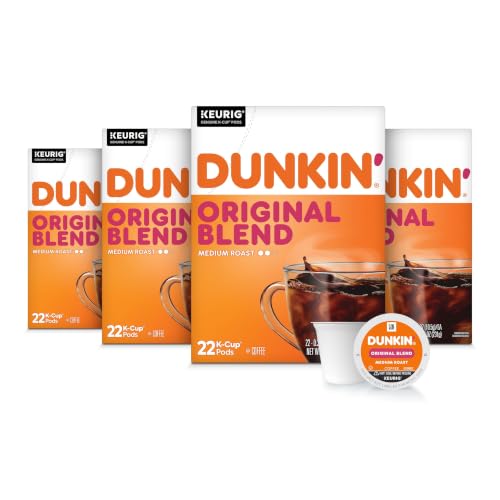
Pods and capsules cannot be used in a superautomatic machine, because there is no chamber built to hold or pierce them. If sealed single servings matter more than fresh grinding, single serve pod machines are the separate category built for that job. Some owners keep both styles, using pods for rushed mornings and the superautomatic for a proper espresso. Do not empty pod contents into the bypass doser either, since the grind and dose rarely match what the machine expects.
Beans Meant for Other Brewers
Coffee sold for drip brewers, pour over, or cold brew is usually roasted with those slower methods in mind, and grind and brew machines pair that style with a very different extraction. The beans are not harmful, and a medium roast sold for drip will still work in your hopper, but very light roasts developed for filter coffee often taste thin or sharp as espresso. When in doubt, choose bags the roaster describes as suitable for espresso, since that wording signals a roast developed for pressure brewing.
Common Mistakes to Avoid
- Buying glossy, very dark beans, because the surface oil coats the grinder and brew unit until grounds clog and flavors turn stale.
- Pouring pre ground coffee into the bean hopper, because fine grounds jam the grinder and can damage the burrs.
- Storing beans in the hopper for weeks, because warm air above the machine speeds up staling and flattens the flavor.
- Buying the largest bag on sale, because the final third often tastes dull long before you finish it.
- Using flavored beans coated with added oils and sugars, because the sticky residue is hard to clean from the grinder and flavors every cup after it.
- Changing the grind setting several steps at once, because you overshoot the right setting and waste coffee chasing the flavor back.
How to Store Coffee Beans and Protect Flavor
Good storage keeps the bag you bought tasting the way it did in its first week. Keep beans in their original bag if it has a resealable closure and a one way valve, or move them to an airtight container that pushes out excess air. Store the container in a cool, dark cupboard away from the oven and sunlight, since heat and light speed up staling. Avoid the refrigerator, where beans absorb moisture and odors from other foods.
Fill the hopper with only a few days of beans at a time, and keep the rest sealed in the cupboard, because the hopper sits above a warm machine and is rarely airtight. If you buy in larger amounts, divide the beans into weekly portions in sealed bags and freeze the portions you will not use soon, letting each portion reach room temperature before opening it so condensation stays off the beans. Finally, wipe the empty hopper with a dry cloth before refilling, since old oil residue can make fresh beans taste tired.
Frequently Asked Questions
Why do oily coffee beans cause problems in a superautomatic espresso machine?
Oily beans cause problems because the oil coats the burrs and brew unit, trapping old grounds that turn rancid and slow the flow of fresh coffee. Over time the buildup can make the grinder strain and shots taste stale even from a fresh bag. If you have already used oily beans, run the machine cleaning cycle, wipe the hopper and chute with a dry cloth, and switch to a drier medium roast so the residue gradually clears.
Can you use pre ground coffee in a superautomatic espresso machine?
Yes, you can use pre ground coffee in most superautomatic espresso machines through the bypass doser, adding one level scoop only while the machine is set to that mode. Never pour ground coffee into the bean hopper, where it can jam the grinder. Use coffee ground for espresso, add a single dose at a time, and expect slightly softer flavor than whole beans, since ground coffee loses aroma quickly once the bag is open.
How long do coffee beans for a superautomatic espresso machine stay fresh after opening?
Coffee beans stay at their best for about two to four weeks after opening when stored in a sealed container away from heat and light. Flavor rarely vanishes overnight, but aroma fades steadily, and by the second month most beans taste noticeably flat in a straight shot. A household brewing two cups a day uses roughly a standard bag in two to three weeks, which fits the peak window neatly.
Does coffee for a superautomatic espresso machine need a special grind size?
No, coffee for a superautomatic espresso machine does not need a special grind size, because the machine grinds whole beans itself and you simply pick a setting. Start in the middle of the dial, judge by flow and taste, then adjust one step at a time while the grinder runs. One useful detail: a new bag of the same coffee can need a slightly different setting than the last bag, since bean moisture changes with roast date and storage.
Is decaf coffee safe to use in a superautomatic espresso machine?
Yes, decaf coffee is safe in a superautomatic espresso machine as long as you choose a medium roast without a shiny, oily surface. Decaf beans are often a little softer and can look darker than regular beans of the same roast, so judge them by touch rather than color. If you switch between regular and decaf in the same hopper, run one throwaway cup after each change, because a small amount of the previous beans always remains in the grinder.
Final Thoughts
Most of the decision comes down to three checks: pick a medium or medium dark roast with a dry surface, buy fresh beans in amounts you can finish within a few weeks, and store them sealed away from heat and light. Match the flavor profile to how you drink, whether that is straight shots, milky drinks, or all day family brewing, and adjust the grind in small steps as each bag settles in. Use the product table to compare options side by side, and let it point you to the best coffee for superautomatic espresso machines for your kitchen and your taste.