Best Coffee for Coffee Machines: A Buyer Checklist for 2026
Disclosure: We may earn a commission when you buy through links on this page, at no extra cost to you. As an Amazon Associate I earn from qualifying purchases. Learn more

A buyer checklist for the best coffee for coffee machines: grind, roast dates, storage, and cost per cup matched to drip, espresso, and pod machines.
Two bags can sit at the same price and taste completely different in your machine, and the gap usually comes down to match and freshness rather than brand. The best coffee for coffee machines is coffee ground for your brewer, roasted recently, and stored so it stays that way until the bag is empty. This checklist walks through each check in the order that matters.
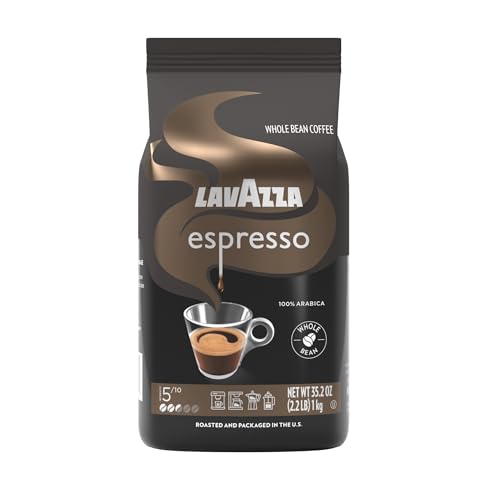
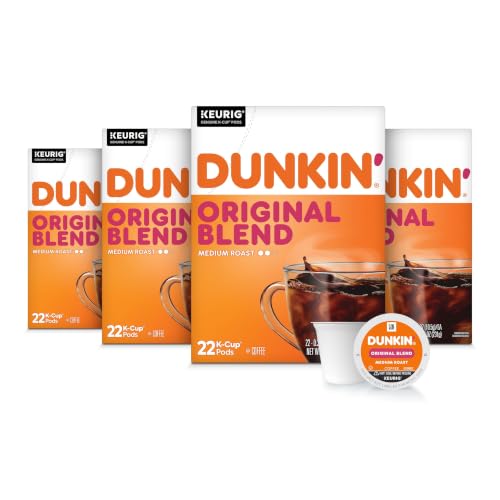
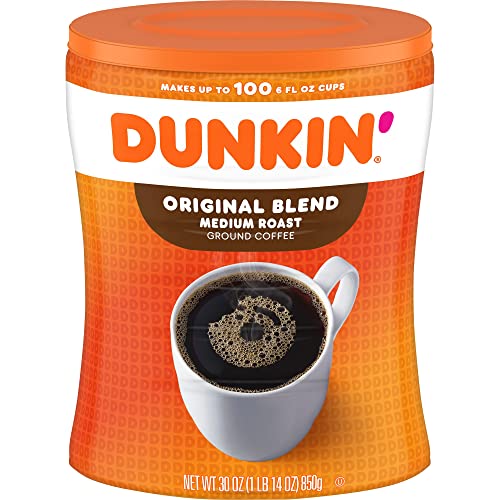
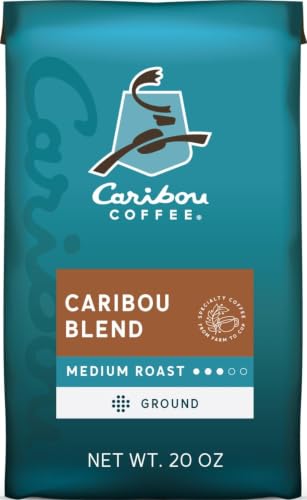
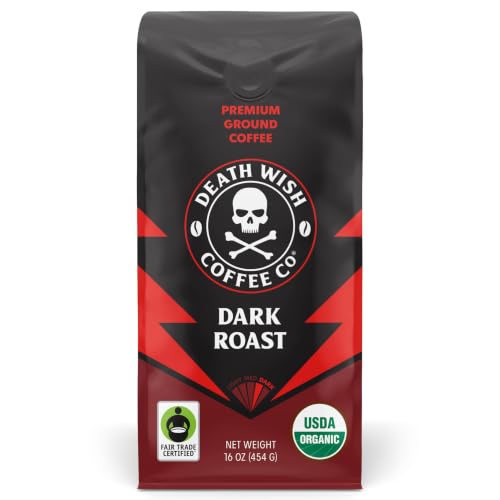
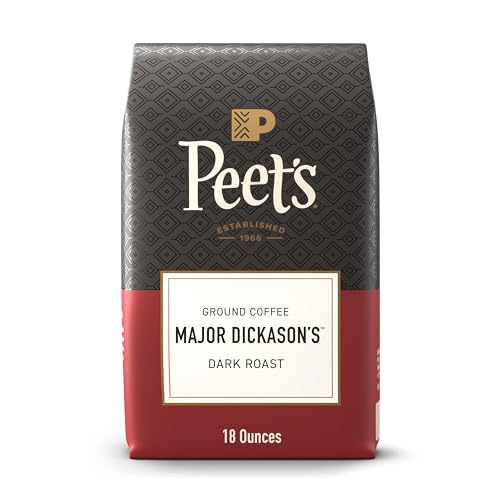
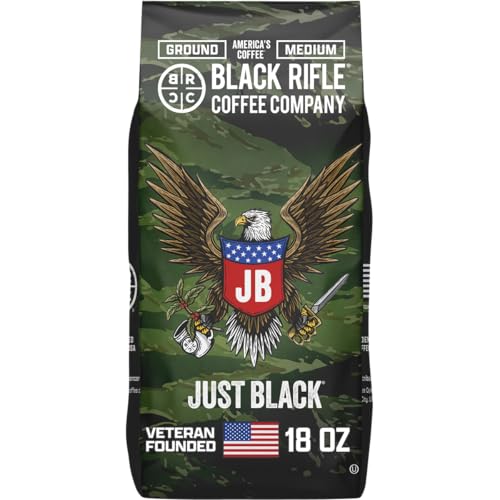
Start with your machine type, because it fixes the grind and format you can use at all. Then check the roast date, the roast level, and the true cost per cup before you commit to a large bag. The product table summarizes the main formats side by side, and the steps after it turn each point into a quick yes or no decision.





Step One: Match the Coffee to Your Machine
Every later check is wasted if the format is wrong. Grind size and packaging are dictated by the brewer, so settle this step before you read a single tasting note.
Drip Machines Want a Medium Grind
Flat bottom and cone basket brewers extract best with a medium grind, roughly the texture of coarse sand. Ground coffee sold for drip machines is ground to about that size, but whole beans plus your own grinder give you control when a cup tastes off: slightly finer if it tastes thin and sour, slightly coarser if it tastes harsh. If you are still choosing the brewer itself, our guide to the best drip coffee machines explains how basket shape and carafe type change what ends up in the cup.
Espresso Machines Want Fine, Fresh, and Consistent
Espresso pushes hot water through a compact puck in under a minute, so the grind must be fine and even, and freshness matters more here than in any other format. Ground espresso coffee bought off the shelf often disappoints twice over: it stales within days of grinding, and its fixed fineness may run too fast or too slow in your portafilter. Medium dark and dark roasts are the forgiving starting point because they extract easily and hold up in milk drinks. Shoppers comparing brewers in our guide to the best espresso coffee machines should budget for a capable grinder alongside the machine.
Pod and Capsule Machines Are Closed Systems
A pod machine accepts only its own format, so the box wording has to match your system exactly; a similar looking capsule from another system will not fit or will brew badly. That lock in is the real product you are buying, more than any single flavor. Refillable pods break the lock by letting you add your own ground coffee, though results vary with how evenly you fill and tamp them. Check pod compatibility first, then judge the coffee inside on the same freshness terms as any other ground coffee.
Machines With Built In Grinders Want Whole Beans
If your brewer grinds for you, whole bean coffee is the format, and bean choice affects the machine as well as the cup. Very oily dark roast beans can coat grinder parts and hopper walls over time, so many owners of grind and brew machines stick with medium roasts and wipe the hopper during regular cleaning. Our guide to the best grinder coffee machines covers how burr quality and dose settings shape the result. Whatever the roast, add beans in amounts you will use within a week or so, since the hopper is not airtight storage.
Small Machines, Small Batches
A compact brewer that makes one to four cups a day moves through a bag slowly, and slow use is the enemy of freshness. Buy smaller bags of about 8 to 12 ounces so the last cup tastes close to the first, even if the per ounce price runs a little higher. The same logic applies to the hardware side in our guide to the best small coffee machines: small households do better with right sized gear. A giant bargain bag is only a bargain if you drink it while it is still fresh.
Step Two: Check Freshness Before Flavor Notes
Coffee is a food with a short peak, and machines cannot rescue stale beans. These three checks matter more than origin stories or tasting vocabulary.
Roast Dates Beat Best By Dates
A printed roast date is the single most useful line on a bag, because it tells you where the coffee sits in its life. Most coffee tastes best from a few days after roasting through about the next two to four weeks, with espresso often improving after a short rest of several days. A best by date can sit a year or more in the future and tells you almost nothing about flavor. Roasters who print roast dates are also signaling that freshness is part of their product, which is a good sign in itself.
Whole Bean vs Ground
Grinding exposes far more surface to air, so ground coffee fades within days while whole beans hold their flavor for weeks. If you own any grinder at all, buy whole beans and grind each batch just before brewing. If you buy ground coffee, buy it in the smallest bag you can find and treat the first week as the good window. Splitting the difference also works: some roasters sell half pound bags precisely because they know home use is slow.
Storage That Protects Flavor
Move coffee out of its opened bag into an opaque airtight container in a cool, dark cupboard. Keep it away from the top of your machine, where heat rises all day, and skip the fridge, which adds moisture and lets coffee absorb food odors. Freezing is acceptable only in sealed single portions you will use within days of thawing; repeated trips in and out of the freezer do more harm than good. Good storage will not revive stale coffee, but poor storage can ruin fresh coffee in a week.
Step Three: Roast Level, Origin, and Blend
Roast Level Changes What the Machine Shows You
Light roasts keep the distinct character of the bean and taste bright and sometimes sharp in drip brewing, which rewards an accurate, hot brewer. Medium roasts are the balanced default for most machines and most drinkers. Dark roasts taste bold and roasty, cut through milk in espresso drinks, and forgive small brewing errors, though heavy roast flavor can cover up the differences between origins. Match the roast to how you drink: black coffee drinkers notice roast level most, while milk drinkers can safely choose darker and cheaper.
Blends vs Single Origin
A blend combines beans from several sources to hit the same flavor target bag after bag, which suits a household that wants its morning cup to taste identical every day. A single origin coffee comes from one place and shows that place's character, which is more interesting but shifts with the harvest season. Neither is better; they answer different wishes. If you are dialing in a new espresso machine, start with a consistent blend so the coffee is not the variable changing under you.
Step Four: Work Out the Cost Per Cup
Bag prices mislead until you divide by cups. A standard home dose is about 17 grams of coffee per cup, so a 12 ounce bag holds roughly 20 cups. At about $14 to $22 a bag, bean coffee lands around $0.70 to $1.10 per cup. Pods flip the math: the coffee inside each pod costs about $0.80 to $1.30 per cup, and you pay it forever, while a bag buyer pays mainly for the beans. Machine owners comparing total budgets in our guide to the best affordable coffee machines will find the same pattern: the format you choose matters more over a year than the sticker price of any one bag.
Use the product table to compare formats on cost per cup rather than shelf price. One more line belongs in the budget: a very cheap stale bag that you drink reluctantly for a month is worse value than a fresh bag at twice the price that you finish in two happy weeks.
Caffeine and Decaf: What Labels Do Not Tell You
Most bags do not print caffeine content, and that is because it genuinely varies: bean species, dose, and brew method all move the number. Robusta beans carry roughly twice the caffeine of arabica, and a strong, large mug of drip coffee delivers more total caffeine than a small, intense espresso shot, even though espresso is stronger per ounce. As a rough guide, an 8 ounce cup of drip coffee lands around 80 to 100 mg, with a wide range around that. Decaf is not caffeine free either; it usually keeps a few milligrams per cup.
If you manage caffeine for sleep or on medical advice, a consistent dose at a consistent time of day is easier to control than chasing exact milligrams, and personal limits are a question for your clinician.
Quick Buyer Checklist
- Does the bag print a roast date you can read before buying?
- Is the grind right for your machine, or are the beans whole with a grinder at home?
- Is the bag small enough to finish within about three weeks of opening?
- Does the roast level match how you drink it, black or with milk?
- Have you worked out the cost per cup instead of just the price per bag?
- For pods, is the format exactly the one your machine takes?
- Do you have an opaque airtight container stored away from heat and light?
Red Flags to Watch For
- No roast date anywhere on the bag, only a distant best by date or no date at all.
- Heavily flavored and oily beans for a machine with a built in grinder, since flavor oils go stale fast and coat the burrs.
- Very large bags at bargain prices aimed at households that will take two months to finish them.
- Vague origin wording with no roast level stated, which leaves you guessing at both flavor and grind behavior.
- Espresso coffee that brews in seconds and tastes flat, a sign the grind is wrong or the coffee was ground long ago.
Tips to Get the Most From Your Coffee
Use filtered water if your tap water tastes of chlorine, since coffee is mostly water and off flavors carry straight through; it also slows scale buildup inside the machine. Descale every one to three months depending on your water hardness, because scale makes brew temperature wander and dulls extraction. Rinse the basket and carafe after each use so yesterday's oils do not turn rancid against today's fresh coffee. Keep your dose and water ratio steady, around 1 part coffee to 16 parts water by weight as a starting point, and change one variable at a time when you adjust.
Coffee Questions Answered
What grind size works best for a drip coffee machine?
A medium grind, close to the texture of coarse sand, works best for most drip machines. The cup itself tells you how to adjust: sour and thin usually means under extraction, so grind a little finer or check that your brewer heats water properly; bitter and harsh usually means over extraction, so grind a little coarser. Cone and flat bottom baskets behave slightly differently, but the same taste test steers both. Change the grind in small steps, one brew at a time.
How long does coffee stay fresh after the bag is opened?
Whole beans stay near their best for about two to four weeks after roasting when stored airtight, and opening the bag starts a faster countdown. Ground coffee has a shorter window, closer to a few days up to a week before it tastes noticeably flat. Coffee past its peak is not unsafe, just dull, and it still works in cold brew or cooking. To stretch freshness, split a large bag into sealed portions and freeze the extras until you need them.
Can I use regular ground coffee in an espresso machine?
Regular drip grind is too coarse for espresso, so water rushes through the puck and produces a weak, sour shot with thin crema. Espresso needs a fine, even grind that resists the pump pressure for roughly half a minute of extraction. Machines with pressurized baskets forgive grind problems more than standard baskets do, but they still need coffee ground for espresso. If you lack a suitable grinder, buy small amounts of espresso ground coffee from a roaster and use each bag quickly.
Is more expensive coffee really worth it for a home machine?
Only when the extra money buys freshness and careful roasting, not when it buys packaging or a famous name. A modest bag roasted last week will beat a costly bag that sat in a warehouse for months, in almost any machine. Spend in this order: first on fresh beans, then on a grinder if you do not own one, and only then on premium origins. Your machine sets the ceiling, but stale coffee sets a much lower one.
How much caffeine is in a cup from a home coffee machine?
It varies enough that any single number would mislead you. An 8 ounce cup of drip coffee typically lands around 80 to 100 mg, but bean species, dose, and cup size can push the real figure well below or above that range. An espresso shot is smaller and usually carries about 60 mg despite tasting stronger. If caffeine matters to your sleep or health, keep the same beans, dose, and cup size daily so your intake stays predictable, and ask your clinician about personal limits.
Final Thoughts
Run the checks in order and the choice gets simple: format and grind that fit your machine, a roast date close to today, a bag size matched to how fast you drink, and a cost per cup you have actually calculated. Compare the formats in the product table against your answers, and the best coffee for coffee machines for your kitchen will usually be the fresh, correctly ground bag rather than the famous one. Prices and availability can change, so check the product page before ordering.