Best Coffee Beans for Automatic Espresso Machines: What Actually Matters Before You Buy for 2026
Disclosure: We may earn a commission when you buy through links on this page, at no extra cost to you. As an Amazon Associate I earn from qualifying purchases. Learn more
Use this checklist to choose the best coffee beans for automatic espresso machines by roast level, freshness, surface oil, bag size, and grinder fit.
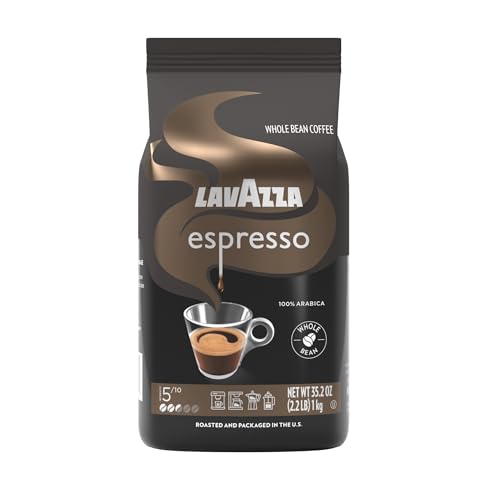
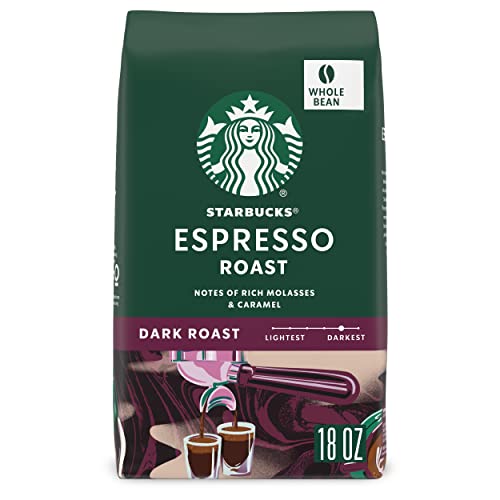
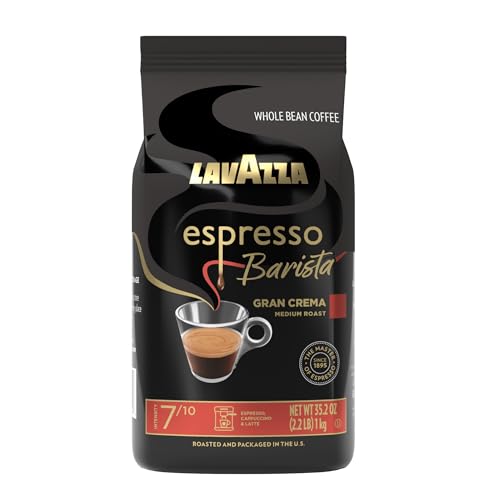
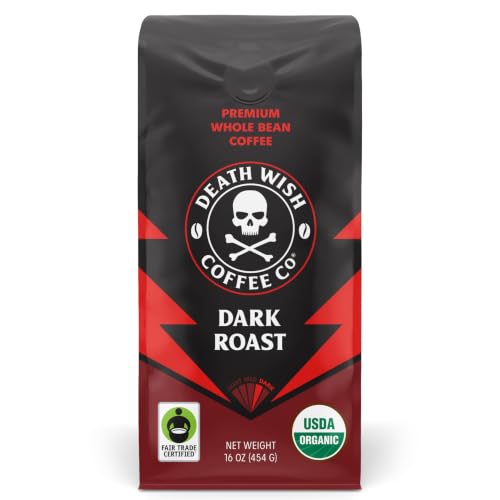
Espresso magnifies everything about a bean, including its flaws, so a simple scoring checklist beats guesswork at the store shelf. This guide shows you how to judge the best coffee beans for automatic espresso machines by freshness, roast level, surface oil, and how well the beans suit a built in burr grinder. Each criterion below includes a clear good and poor threshold, so you can score any bag in about a minute.
Start with the product table to see the range of roast styles and bag sizes, then use the checklist sections to narrow your choice. By the end you will know which trade offs matter for milk drinks, which matter for straight shots, and which are mostly marketing.
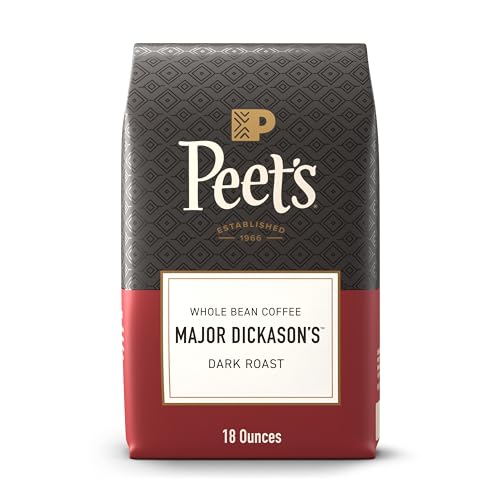
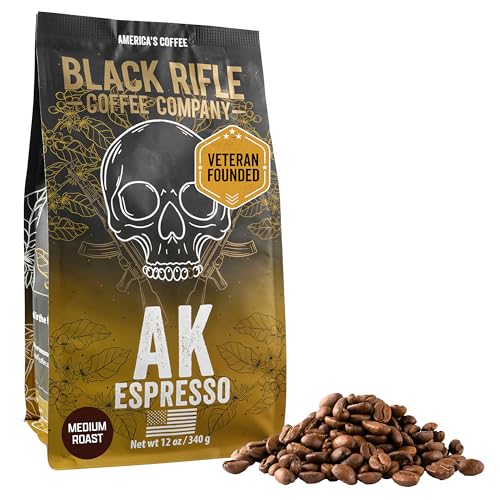
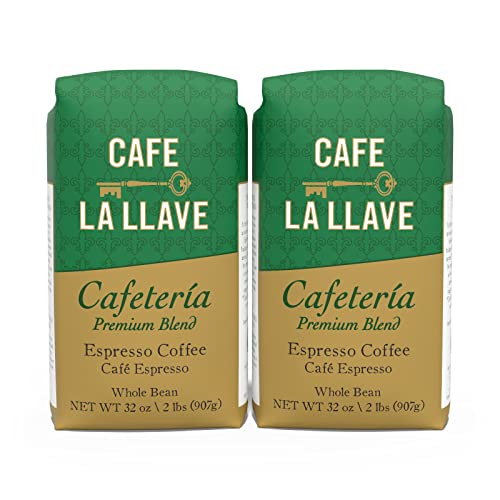
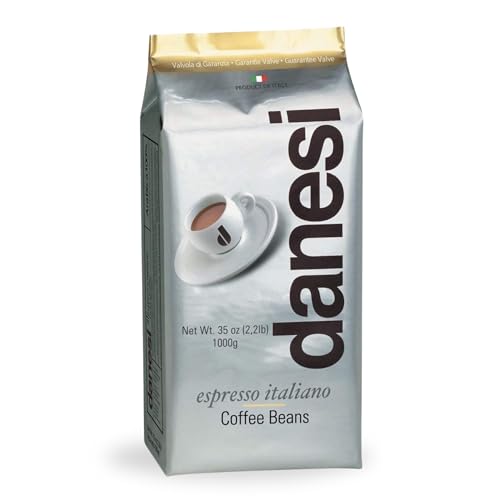
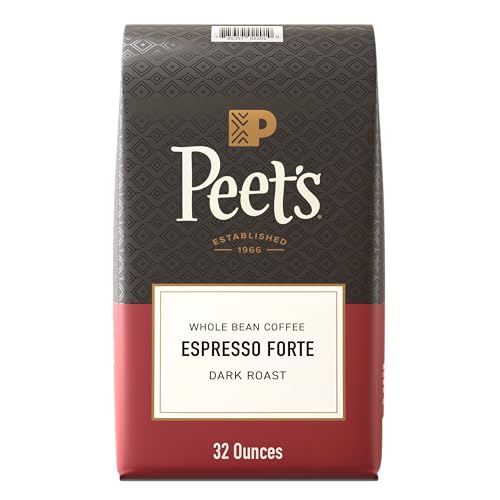

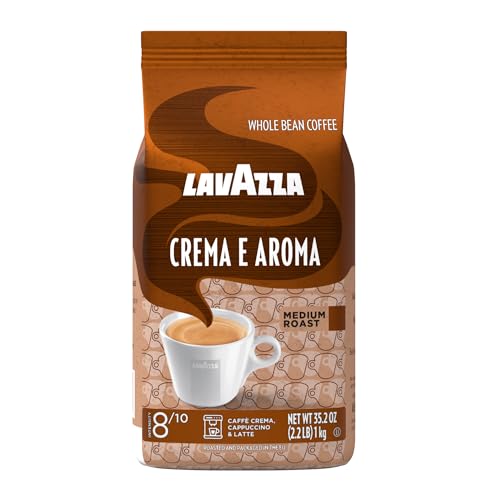
How to Judge Coffee Beans for Automatic Espresso Machines
Score each bag on the six areas below. A bag that scores well on freshness and oil level but poorly on roast fit for your drinks still needs a second thought, because automatic espresso machines grind and extract with fixed mechanics that reward the right bean and punish the wrong one quickly.
Features That Matter for Automatic Espresso Machines
Automatic espresso machines need beans that feed smoothly, grind evenly, and extract at steady pressure around 9 bars. Look for whole beans with a dry to lightly satin surface, a printed roast date, and a medium roast as your safe starting point. Very oily dark beans score poorly here because oil builds up on burrs and in the brew unit, changing grind consistency over time. Beans roasted within the past month score best, while bags with only a distant best by date score poorly because you cannot judge their real age.
Brewing Method and Coffee Style
Espresso is a concentrated method, so bean style shows up boldly in a small cup. Medium roasts tend to give balanced sweetness for both shots and milk drinks, while light roasts can taste bright and sometimes sour if the machine runs a little cool. Dark roasts taste bold but lose origin character and add oil risk. Drip, pour over, and cold brew methods forgive older beans more easily, and single serve systems remove grind choice entirely. If most of your drinks are lattes, weight body and sweetness higher than delicate floral notes that milk will hide.
Build Materials (Plastic vs Stainless vs Glass)
Packaging and storage materials protect beans more than most buyers expect. Bags with a one way valve and a strong seal score well because they let roast gas escape without letting air rush in. At home, an opaque airtight canister in stainless steel or ceramic beats a clear glass jar on a sunny counter, since light and air both speed staling. Avoid thin plastic bags with no valve for anything you plan to keep beyond a few days. Whatever container you choose, keep it away from the heat your machine gives off during long sessions.
Milk Frothing Options
Your frothing setup changes which beans score highest. An automatic frother heats and sweetens milk, which pairs well with a bean that has gentle acidity and a solid chocolate base. A steam wand gives you thinner, glossier milk that lets brighter beans shine in smaller drinks like a cortado. If you mostly drink straight espresso, skip milk considerations and judge purely on shot balance. One practical point: sweetened or flavored beans should never go through the grinder, because their coatings foul both the burrs and the milk system.
Programmable Features and Controls
Machine controls let you rescue a decent bean, but they cannot fix a stale one. Brew strength settings change dose, grind settings change extraction speed, and temperature settings, when offered, fine tune sour versus bitter balance. Score beans assuming you will adjust these controls, because the same bag can taste dull at default settings and sweet one step finer. A programmable timer matters less for whole bean machines that grind on demand. If you compare machines as well as beans, our guide to the best espresso coffee machines explains which controls actually change the cup.
Capacity and Serving Size
Bag size is a quality decision, not just a price one. A household pulling two shots a day uses roughly a standard small bag in about two weeks, which matches the peak flavor window nicely. Bigger bags score well only if you can split and seal portions, or if several people drink espresso daily. Hopper capacity also matters: fill only what you will use within a week, because beans age faster in a warm hopper than in a sealed bag. Thermal carafe and carafe based drip systems follow different rules, since they brew large batches at once.
Three Bean Profiles That Fit Most Households
Use these three profiles to read the product table. Each describes the beans that fit a common situation, what they do well, and the limit you accept, without tying you to any single bag or brand.
The Balanced Profile
The balanced profile is a fresh medium roast with a dry surface, sold in a bag size your household finishes in two to three weeks, usually around $15 to $25 per bag. It suits most drinkers because it pulls sweet shots, holds up in milk, and treats the grinder kindly. Two strengths stand out: forgiving extraction across small setting changes, and consistent flow through the hopper. The limit is excitement, since a balanced blend rarely shows the striking fruit notes a fresh light roast can offer.
The Value Profile
The value profile keeps freshness and drops ceremony. Look for a roaster who prints dates and sells a straightforward house blend at around $12 to $18 per bag, rather than a discount bag of unknown age. It fits households that drink espresso daily and go through beans quickly enough that a slightly larger bag still stays fresh. Strengths include low cost per cup and easy availability. The trade off is nuance, because value blends aim for steady sweetness instead of distinctive origin character. Similar logic applies when you compare the best coffee automatic espresso machines, where core performance matters more than extras.
The Heavy Use Profile
The heavy use profile serves homes or small offices pulling many shots a day. Prioritize a bean sold in larger sealed bags with a recent roast date, a roast level that stays dry on the surface, and a supplier you can reorder from reliably at around $20 to $35 for the larger format. Strengths include cost per cup and consistent supply, which keeps your settings dialed in for weeks. The limit is storage discipline: without portioning and sealing, the last third of a big bag will taste noticeably flatter than the first.
Quick Buyer Checklist
Run through these questions at the shelf or product page. Mostly yes answers mean the bag is a safe buy.
- Does the bag show a roast date within roughly the last month?
- Are the beans whole, with a mostly dry and unbroken surface?
- Is the roast level medium, or matched to drinks you actually make?
- Will your household finish this bag size within about three weeks of opening?
- Does the bag have a resealable closure or a one way valve?
- Are the beans free of added flavor coatings and sweeteners?
- Can you reorder the same beans easily when this bag runs out?
Red Flags to Watch For
Put the bag back when you see these signs. A shiny wet looking surface on a dark roast warns of oil that will coat your grinder. Missing roast dates, or only a best by date a year away, hide the true age of the beans. Broken beans and lots of dust in the bag suggest rough handling and uneven extraction. Vague origin claims with no roast information at all signal a seller competing on story rather than freshness. Finally, unusually low prices on large bags often mean old stock, which costs you more in wasted shots than you save. For a related shortlist approach, see the best coffee beans for fully automatic espresso machines.
Tips to Get the Most From Your Beans
Use filtered water to protect flavor and reduce scale, because espresso concentrates water taste as much as bean taste. Descale every one to three months depending on water hardness, and wipe the steam wand and rinse the brew group as the manual directs after heavy use days. Store the open bag sealed in a cool dark cupboard, and only fill the hopper for the week ahead. When you start a new bag, expect to adjust the grind once, then leave settings alone for a few cups before judging.
Frequently Asked Questions
What features matter most in coffee beans for automatic espresso machines?
For the best coffee beans for automatic espresso machines, freshness, a low oil surface, and a roast matched to your drinks matter most. A medium roast with a recent roast date gives the machine an even grind and a balanced extraction at normal settings. Also confirm the beans are whole and unflavored. One point buyers miss: consistency between bags matters too, because a bean you can reorder lets you keep your settings instead of redialing with every purchase.
Are more expensive coffee beans really worth it?
It is worth it when the price buys a printed roast date, careful sourcing, and a bag size you finish fresh. It is not worth it when the premium pays only for elaborate packaging or rare origin stories on beans roasted months ago. A fair home test is to pull shots from two bags on the same day at the same settings. If you cannot taste a clear difference in your usual drink, the cheaper fresh bag wins.
How long do coffee beans usually last?
A roasted whole bean holds peak flavor for about one to four weeks after roasting, then fades gradually. Opened bags stored sealed and cool stay enjoyable for roughly three weeks, though the brightest notes leave first. Freezing unopened portions in airtight bags can extend storage for a month or more, but thaw a portion fully before opening it to keep condensation off the beans. Ground coffee, by contrast, loses most aroma within days.
Is a machine with a built in grinder worth it?
Yes, that setup is worth it for most espresso drinkers. Grinding seconds before brewing preserves aroma that pre ground coffee loses quickly, and the burr grinder inside an automatic machine is matched to its pump and brew group. The cost is maintenance: you must clean the burrs and avoid oily beans. If you already own a good separate grinder, a bypass chute can serve for occasional decaf.
How often should I descale my automatic espresso machine?
Descale the machine every one to three months, guided by your water hardness and the machine alert if it has one. Hard water and heavy daily use push you toward monthly descaling, while filtered water stretches the interval. Skipping descaling slowly lowers brew temperature and flow, which makes even fresh beans taste sour and weak. Keep the descaling solution your maker approves on hand so an alert never waits weeks for a delivery.
The Bottom Line on Coffee Beans for Automatic Espresso Machines
Score every bag the same way: recent roast date, dry surface, sensible bag size, and a roast level matched to your favorite drinks. Use the product table to compare your finalists, and check the guides to the best coffee beans for espresso machines and the best espresso beans for automatic machines for more angles on the same decision. With those habits, the best coffee beans for automatic espresso machines become an easy repeat purchase rather than a fresh gamble each month.