Best Coffee for Keurig Coffee Makers Made Simple: A Clear Buying Guide for 2026
Disclosure: We may earn a commission when you buy through links on this page, at no extra cost to you. As an Amazon Associate I earn from qualifying purchases. Learn more
New to pod coffee? This simple guide explains how to choose the best coffee for Keurig coffee makers, compare pod and ground costs, and keep every cup fresh.
If you already own the brewer, the machine is only half of the cup. What you feed it decides the flavor, the cost per mug, and how much work each morning takes. This guide is about the coffee itself, meaning factory sealed pods and ground coffee used in a refillable pod, and it starts from the basics so a first time buyer can follow along without any background knowledge.
Choosing the best coffee for keurig coffee makers comes down to a few simple ideas: how fresh the coffee can realistically be, which roast matches your taste, and what each cup costs over time. The product table lines up the main options side by side, and the sections after it explain every term in plain language before you spend anything.




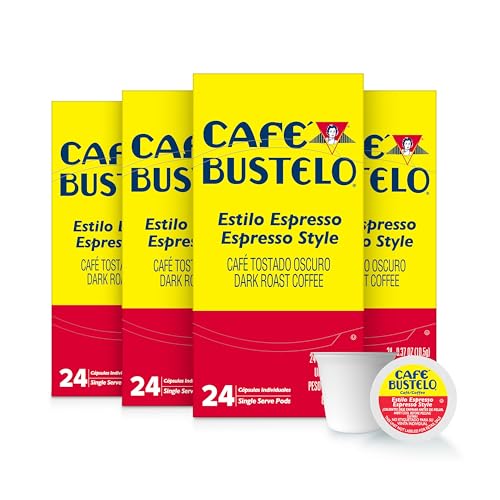
Coffee for Keurig Coffee Makers: The Basics
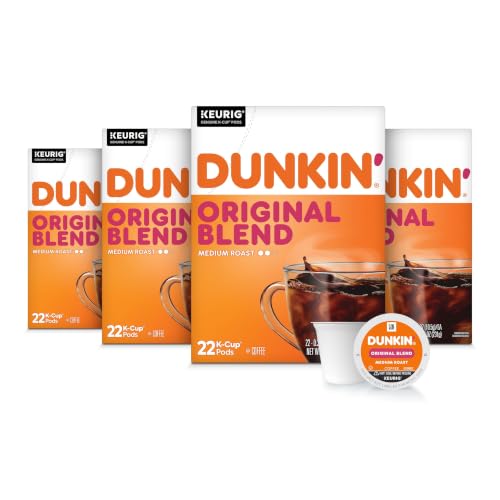
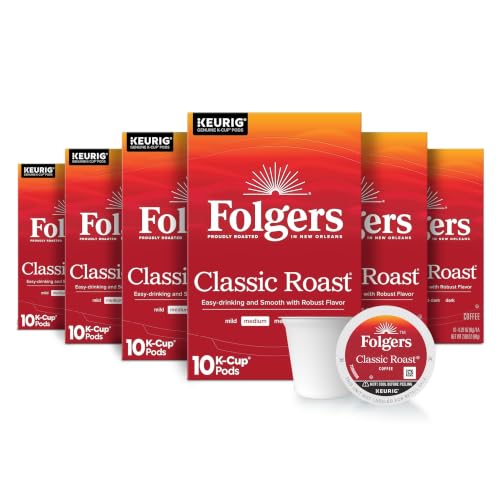
A pod is a small sealed cup that holds ground coffee with a paper filter built inside. The brewer pierces the lid, pushes hot water through the grounds under pressure, and fills one mug in about a minute. Nothing about the coffee is brewed in a pot or kept warm on a plate, so every cup is a single serving made on demand.
The second format is a reusable pod, an empty cup with a fine mesh basket that you fill with your own ground coffee and rinse after each use. It works in the same brewer, but it turns the coffee back into a normal bagged product that you measure yourself. Most households end up using one format or the other most days, so it helps to decide which routine fits your mornings before you stock up.
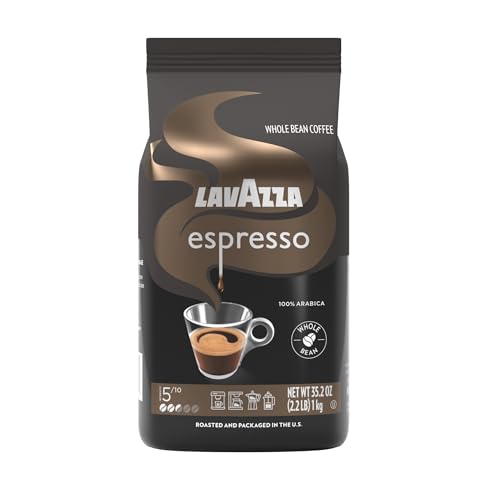
Three terms cover most of the box labels you will see. Roast level describes how dark the beans were roasted, from light to dark, and it is the single biggest driver of flavor. A blend mixes beans from several places for a steady taste, while a single origin coffee comes from one region and tastes more distinct. Flavored coffees have flavoring added after roasting, so the aroma is strong even when the coffee underneath is mild.
The pod format also carries drinks beyond coffee, including teas and cocoa mixes that brew the same way. A household that shares one machine often keeps a small box of something like best hot chocolate for keurig coffee makers next to the coffee pods for drinkers who want a warm cup without the caffeine. Just run a water only cycle after a sweet drink if you are picky, because a trace of cocoa flavor can linger into the next coffee.
Key Specs Explained in Plain English
Features That Matter for Keurig Coffee Makers
Pod coffee is a closed system, so the coffee itself carries the specs that matter. The first is how much coffee sits in each pod, usually about 9 to 12 grams. That amount sets a ceiling on strength, because the same grounds must flavor whatever cup size you select. A pod brewed at 6 ounces tastes full, while the same pod at 12 ounces tastes thin no matter what the box promised.
Format fit is the one machine detail worth checking. Pods in this style fit the large majority of single serve brewers, but a few machines use a different pod shape, so confirm the format named on the box matches your brewer before buying in bulk. Beyond that, your real choices are roast, freshness format, and price per cup, all covered below. If you are still choosing the brewer itself rather than the coffee, our guide to best single coffee makers covers the machine side of that decision.
Roast and Coffee Style
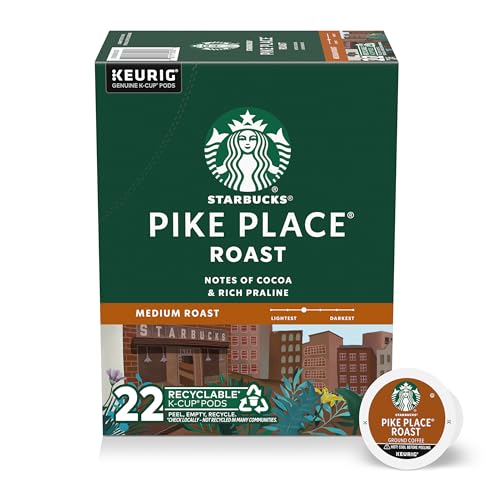
Light roasts taste bright and can seem almost tea like, with the natural character of the bean showing through. Medium roasts are the balanced middle ground most people picture when they think of a diner mug, and they forgive small brewing variations. Dark roasts taste bold and roasty, and they hold up best when you add milk or brew a larger cup, because the strong flavor pushes through the dilution.
Blends are the safer first purchase because makers tune them for consistency across the whole box. Single origin pods cost more and taste more specific, which some drinkers love and others find strange. Flavored options such as vanilla or hazelnut are really about aroma, so buy a small count first. If you take your coffee with milk and sugar, a medium or dark roast will usually taste more like coffee and less like warm milk.
Brew Strength and Cup Size Settings
Your brewer settings change how the same pod tastes, so treat them as part of the coffee decision. A smaller cup size runs less water through the same grounds and gives a stronger, more concentrated cup. A strength setting, where a machine offers one, slows the water down so it spends more time in contact with the grounds, which pulls out more flavor.
The common trap is brewing one small pod twice to fill a travel mug. The second pass mostly extracts bitter compounds that the first pass left behind, so the mug tastes harsh and thin at the same time. If you drink large cups, the better fix is choosing a pod with more coffee in it or a darker roast, then brewing once at the size you actually drink.
One more limit shapes your choices: most pod brewers heat water to a single fixed temperature, with no adjustment for the drinker. Brewing methods with kettles let you cool the water for a delicate light roast, but a pod machine gives you no such lever. That is another reason the coffee itself carries so much weight in this format, and why a roast that tastes good at the machine temperature matters more than a rare label.
Pod Cost and Long Term Value
Convenience has a clear price. A factory sealed pod usually costs about $0.60 to $1.10 per cup, while a cup made from bagged ground coffee usually lands around $0.20 to $0.40. In plain terms, pods cost roughly two to three times as much per cup as bagged coffee, and a two cup a day household feels that gap within a few months.
| Format | Freshness | Cost per cup | Daily effort |
|---|---|---|---|
| Factory sealed pods | Good, with a ceiling | About $0.60 to $1.10 | Almost none |
| Reusable pod with ground coffee | Best when the bag is fresh | About $0.20 to $0.40 | Filling and rinsing each cup |
| Compostable pods | Good, similar to sealed pods | About $0.80 to $1.30 | Almost none |
A reusable pod closes most of that gap, but it trades money for minutes, since every cup adds filling, tapping, and rinsing to your routine. Buying pods in large boxes or on a delivery subscription lowers the price per pod, sometimes by a fifth or more, but it only saves money if you drink them while they still taste fresh. A slow household with a giant stockpile can end up paying less per cup for coffee it enjoys less, which is a poor trade.
Pod waste is the other long term cost. Some makers run recycling programs with mail back bags or drop off points, but the pods must be emptied and rinsed first, and most used pods still go to landfill in practice. Compostable pods generally need a commercial composting facility, which many towns do not offer.
Storage, Freshness, and Machine Care
Here is the honest limit of pod coffee. The beans were ground before the pod was sealed, and ground coffee loses aroma far faster than whole beans, so a pod has a freshness ceiling that no packaging fully removes. Sealing does slow the decline, which is why pods stay pleasant for months, but you will rarely find a roast date on a pod box, only a best by date.
Ground coffee for a reusable pod follows normal coffee rules. Store it in an airtight container in a cool dark cupboard, never in the fridge, where it picks up moisture and food odors, and plan to use an opened bag within about two weeks. Keep pods away from heat and sunlight for the same reason. A stale pod makes a weak, flat cup, and no strength setting on the machine can fix coffee that has already faded.
The freshest route of all is buying whole beans and grinding a small amount right before you fill the reusable pod. Beans hold their aroma for weeks where grounds hold it for days, so the grinder does the freshness work. A simple blade grinder is inconsistent but still fresher than an old bag of grounds, while a burr grinder gives an even grind that brews more evenly. Either way, grind only what the pod needs, because leftover grounds start fading within the hour.
What the Pod Itself Is Made Of
A standard pod is a plastic cup with a foil lid and a paper filter bonded inside. The plastic holds the pressure, the foil seals in the coffee until the needle pierces it, and the filter keeps grounds out of your mug. Some brands now use thinner plastic or fiber based filters, and many label their pods as BPA free, which you can check on the box if that matters to your household.
Reusable pods come in two builds. Plastic versions with a mesh screen cost the least and work well, while stainless steel mesh versions cost more up front, rinse cleaner, and last for years instead of months. If you go the reusable route, buy at least two, so one can dry while the other brews. A damp pod filled the night before grows stale flavors fast, which quietly erases the freshness advantage you bought it for.
Rookie Mistakes to Avoid
- Buying the biggest variety box first. A 72 count sampler feels smart, but most drinkers settle on one or two roasts, so half the box often sits until it goes stale.
- Judging strength by the roast name alone. Words like bold on a pod label have no shared standard, and they can describe the roast, the amount of coffee, or nothing measurable at all.
- Storing pods next to the stove or in sunlight. Heat and light speed up staling, so a pretty countertop display quietly makes every cup taste older.
- Assuming decaf means zero caffeine. Decaf coffee still contains a small amount of caffeine, which matters if you drink it late in the evening.
- Packing a reusable pod as tight as possible. Water needs room to flow through the grounds, and a densely packed pod can brew slowly, overflow, or taste uneven.
Getting Started: Setup and First Use
Your first cups teach you more than any label, so run them like a small taste test instead of a routine.
- Run one water only cycle with no pod in place. This rinses the needle and warms the brewer so your first real cup is not lukewarm.
- Brew a medium roast pod at the middle cup size and taste it plain, before milk or sugar. You now have a baseline for every change that follows.
- Change one thing at a time. Try a smaller cup size for strength, then a darker roast, and notice what each change actually does.
- Use filtered water if your tap water tastes strong. It protects the flavor and reduces the scale that builds up inside the machine.
- Note the descaling rhythm for your home. With hard water, plan to descale about every one to three months following the machine manual, and less often with soft water, because scale slows the water and cools the brew, which weakens every coffee you put in it.
If you bought a reusable pod, add one habit: fill it loosely to the line, level it with a finger, and rinse it right after brewing. Grounds left sitting in the mesh dry into a crust that is far harder to clean and leaves a stale taste in the next cup.
Keurig Coffee Questions Answered
What features matter most in coffee for Keurig coffee makers?
When choosing the best coffee for Keurig coffee makers, roast level, the amount of coffee in each pod, and freshness format matter most. Roast decides the basic flavor, the coffee amount decides how strong a full mug can taste, and the format decides freshness and cost. One useful habit is checking whether the box lists the coffee weight per pod, since brands that state it tend to fill generously. A small variety pack is a sensible way to learn your roast preference before committing to a large box.
How long does coffee for a Keurig brewer stay fresh?
Sealed pods stay drinkable for many months, but their aroma flattens slowly the whole time, so the best by date is a quality guide rather than a safety line. Ground coffee fades much faster once a bag is opened, and two weeks is a fair window for good flavor. If you buy whole beans ahead, freezing them in small sealed portions keeps them far better than a half open bag in the cupboard.
Is a more expensive coffee really worth it in a pod brewer?
Only up to a point, because pod brewing is fast and fixed, so the subtle notes of a rare single origin coffee get partly muted. Money spent on freshness usually beats money spent on prestige in this format. For many drinkers, the best value upgrade is a reusable pod filled with a good freshly ground bagged coffee, which can taste better than premium pods while costing less per cup.
Can I use regular ground coffee in a Keurig coffee maker?
Yes, with a reusable pod made for your brewer style, since the machine cannot hold loose grounds on its own. A medium grind works best for most people. Grind that is too fine can clog the mesh and cause overflow, while a very coarse grind lets water rush through and produces a weak cup. Espresso grind is the one to avoid, because it is far too fine for the mesh basket.
How much caffeine is in a typical coffee pod?
Pod labels rarely state caffeine, so treat any number as an estimate. A typical cup lands around 75 to 150 mg of caffeine, depending on the coffee used and the cup size brewed, while decaf usually holds only a few milligrams. The caffeine mostly follows the amount of coffee in the pod, not the roast color, so a light roast is not a reliable low caffeine shortcut. If caffeine timing matters for your sleep, keep pods for the morning and decaf for later.
Wrapping Up
Keep the decision simple. Pick the roast family you enjoy, choose sealed pods for zero effort mornings or a reusable pod for fresher coffee at a lower cost per cup, and store everything away from heat and light. The product table pulls the main options together if you want the short version. Once those basics are in place, the best coffee for keurig coffee makers is simply the one whose taste, price, and morning routine you are happy to repeat every day.