
Best Beans for Superautomatic Espresso Machines: Roast, Oil and Freshness for 2026
Disclosure: We may earn a commission when you buy through links on this page, at no extra cost to you. As an Amazon Associate I earn from qualifying purchases. Learn more

Best beans for superautomatic espresso machines compared by roast, oil level and freshness, with grinder care tips for balanced home espresso.
A superautomatic machine grinds, tamps, brews and often froths milk at the touch of a button, so the beans you load do all the work that a barista's technique would do on a manual setup. The best beans for superautomatic espresso machines grind cleanly in a built-in burr set, stay fresh in a hopper, and taste balanced in a machine that you cannot adjust shot by shot. Choosing the wrong bag can clog chutes, wear burrs and leave every cup bitter.
This guide explains roast, oil level, freshness and storage for hopper-fed machines, so you can pick from the product table above with confidence.


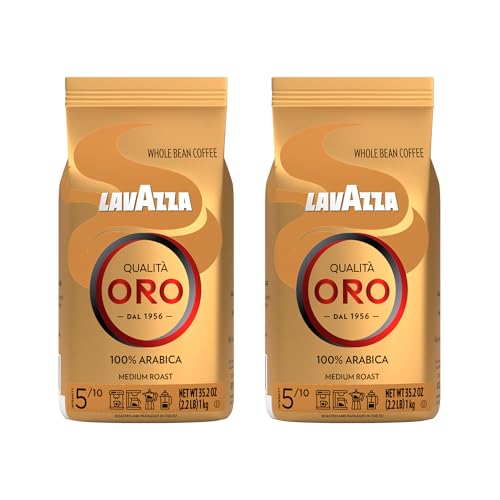
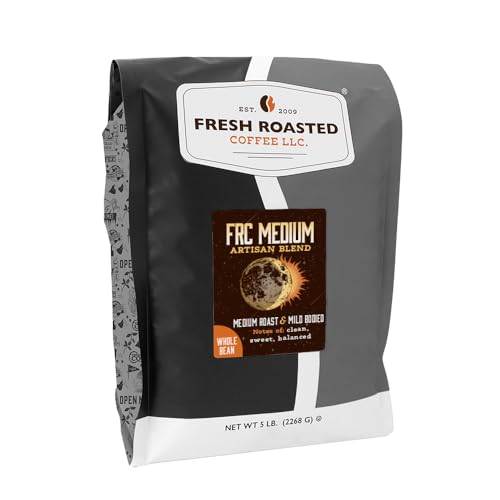


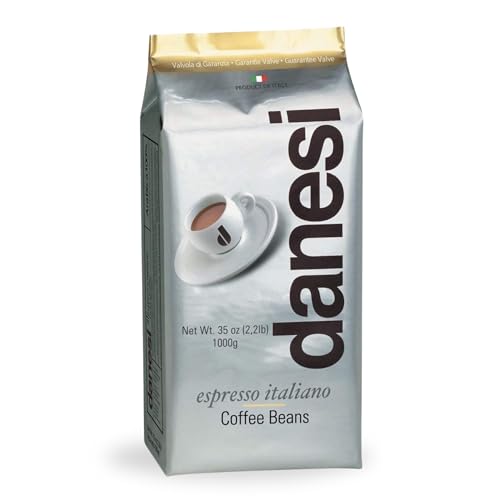
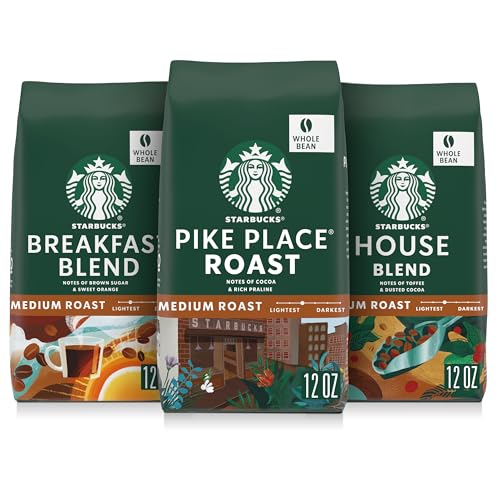

Why Superautomatic Machines Need Careful Bean Choices
On a semi-automatic machine you can change dose, tamp and grind for each bag. On a superautomatic, you set a grind step, a coffee strength and a volume, and the machine repeats them. That makes the beans themselves the biggest variable. Beans that are too oily, too light or too stale give weak or bitter results, and nothing in the machine can fix them.
The built-in grinder is also a wear part. Very oily beans coat burrs, stick in the chute and gum up the brew unit. Hard, dry, very light roasts can strain small motors and taste sour. A medium to medium-dark roast with a moderate, dry surface is the safest start.
Roast Level and Oil
| Roast | Result in a Superautomatic | Grinder Impact |
|---|---|---|
| Light | Sour or thin unless the machine heats well | Hard beans, more motor strain |
| Medium | Balanced, sweet, forgiving | Clean grinding, low residue |
| Medium-dark | Rich, chocolatey, good with milk | Light oil, clean regularly |
| Dark and oily | Bitter, smoky | Residue builds up fast, risk of clogs |
If the beans leave a shiny, greasy film on your fingers, they are very oily. Most machine makers advise against them. Look for bags that describe a matte or dry surface, and clean the grinder more often if you drink dark roasts.
Freshness, Grind and Strength Settings
Choose a bag with a roast date from the last few weeks, and use it within about a month of opening. Stale beans lose crema and make weak coffee. Because the hopper is open to air, fill it with only about a week of beans at a time, and keep the lid closed and out of sunlight.
Start with the grind setting in the middle of the range, then move one step at a time. If the coffee runs fast and tastes sour, grind finer. If it drips slowly and tastes bitter, grind coarser. Change the grind only while the grinder is running, as the maker advises, and wait a few cups for the change to settle. Raise the strength setting for darker, milky drinks, and lower it for black coffee.
Blends and Single Origins
Espresso blends of arabica, sometimes with a little robusta, are the easiest match for superautomatics because they deliver steady crema and body. Single origin beans can taste excellent but may need a grind change with each bag, which is a hassle on a machine with limited control. Flavored beans, caramelized beans and anything coated with oil or sugar should stay out of the hopper, because they leave sticky residue.
Whole beans only: never put ground coffee in the bean hopper. Use the bypass chute for pre-ground coffee or decaf, one scoop per cup.
Matching Beans to Your Drinks and Budget
If most of your cups are lattes and cappuccinos, a medium-dark blend cuts through milk and keeps its flavor. If you drink black coffee or americanos, a medium roast with chocolate and caramel notes tastes cleaner and less harsh. Households with two coffee drinkers who disagree can keep a decaf bag for the bypass chute and a regular bag in the hopper.
Price matters over a year of daily cups. Large two-pound bags often cost about $15 to $30 and drop the cost per cup, but only if you finish them while fresh. Specialty bags cost more per pound and suit weekend treats. A good rule is to buy the amount you will use in three to four weeks, and to try one new bag at a time so you can compare the taste and the grinder behavior with the last one.
Storage and Machine Care
Store the main supply in an airtight container, away from heat and light, and top up the hopper from it. Brush the grinder chute each week, empty the grounds bin daily, and run the cleaning and descaling programs when the machine asks. A weekly rinse of the milk system keeps flavors clean, and filtered water protects both taste and internal parts.
If the machine leaks, smells burnt or shows an electrical fault, stop using it and contact the maker or a qualified technician.
Common Mistakes to Avoid
- Filling the hopper with very oily dark roast, which clogs the chute.
- Loading a month of beans at once and letting them go stale.
- Switching beans without adjusting the grind and judging the first cup.
- Using flavored or sugar-coated beans in the grinder.
- Skipping grinder cleaning, then blaming the beans for bitterness.
Related Guides
For more on this topic, see our guides to the best coffee beans for superautomatic espresso machines and the best coffee for superautomatic espresso machines. General espresso advice is in the best beans for espresso machines and the best coffee beans for espresso machines.
Frequently Asked Questions
What roast is best for a superautomatic machine?
A medium or medium-dark roast with a dry surface works best. It grinds cleanly, tastes balanced and avoids the oil build-up of very dark roasts.
Can I use oily beans in a superautomatic?
Occasionally, but the oil coats burrs and clogs the chute over time. If you love dark roasts, brush the chute weekly and run cleaning cycles regularly, and check your manual for guidance from the maker.
How often should I refill the bean hopper?
Fill it with about a week of beans, then refill from an airtight container. Large amounts sitting in the hopper go stale and lose crema.
Should I change the grind for each new bag?
Yes, a small adjustment is often needed. Move one step at a time and wait a few cups to judge, since the grinder holds some beans from before the change.
Can I put pre-ground coffee in the hopper?
No, ground coffee can jam the grinder. Use the bypass chute for pre-ground or decaf coffee, and add only one scoop per cup.
Final Thoughts
Pick fresh, dry-surfaced medium or medium-dark beans, load only a week at a time, and keep the grinder clean. The best beans for superautomatic espresso machines are the ones your machine grinds smoothly and turns into a balanced cup, so use the product table above to try a few bags.


