Best Coffee Beans for Superautomatic Espresso Machines for 2026
Disclosure: We may earn a commission when you buy through links on this page, at no extra cost to you. As an Amazon Associate I earn from qualifying purchases. Learn more
The best coffee beans for superautomatic espresso machines balance roast, oil, and freshness so the built in grinder stays healthy and each cup tastes good.
A superautomatic machine does everything between the hopper and the cup, which means the beans you pour in decide the flavor, the crema, and how often the grinder needs attention. This guide explains how to pick the best coffee beans for superautomatic espresso machines, from roast level and surface oil to bag size and storage, so your first month with a new machine tastes better than your last month with pods.
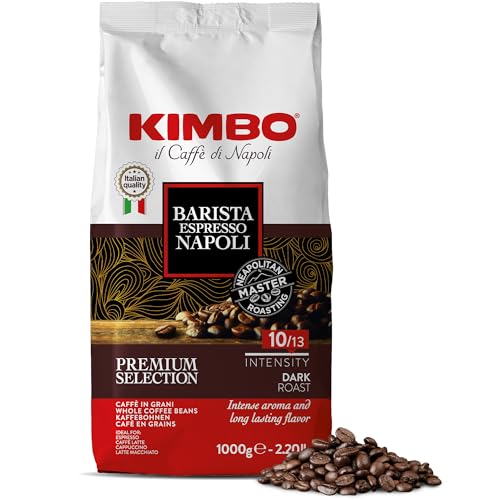
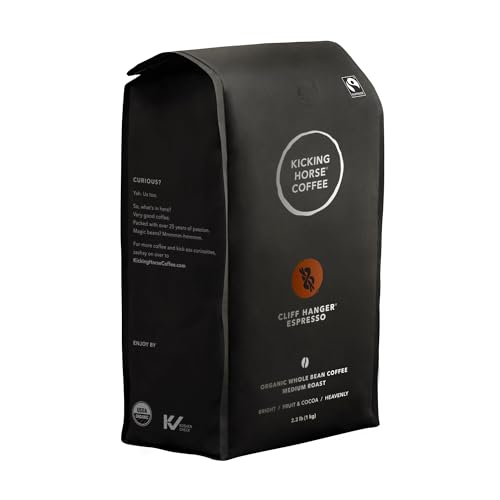
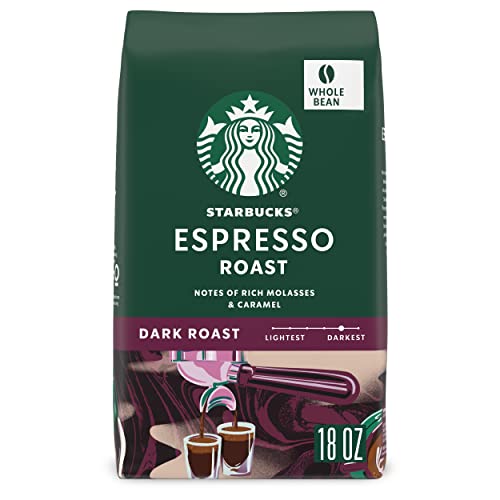
Use the product table to see the kinds of whole bean bags that suit these machines, then read on to learn which differences matter at home and which are mostly marketing.



Who Needs Special Beans for a Superautomatic Machine
Daily Espresso Drinkers
If you pull a few drinks every morning, you want a bean that tastes balanced as a short espresso and as a longer coffee. A medium roast with a modest amount of surface oil usually delivers sweetness without leaving a sticky film on the burrs. Because the machine grinds fresh for every cup, a bag that you finish within a few weeks keeps the flavor steady.
Milk Drink Lovers
Lattes and flat whites need a bean with enough body to stay recognizable under steamed milk. Blends with chocolate and toasted nut notes, or a roast slightly darker than medium, tend to hold up better than bright, fruity light roasts, which can taste thin or sour once milk is added.
First Time Owners
New owners are better served by a forgiving, whole, unflavored bean with a printed roast date than by an exotic single origin. A predictable bean lets you learn the grind and strength settings without wondering whether the bag or your technique is the problem.
Key Features of Beans for Superautomatic Espresso Machines
Roast Level and Flavor
Lighter roasts taste brighter and fruitier, while darker roasts taste bolder and more bitter. Start with a medium roast, then move lighter if the cup tastes flat or darker if you want more body. Change roast and grind settings on separate days so you know which change helped.
Oil Level and Grinder Health
Very oily beans smear onto burrs and chutes, and over time the grinder jams or grinds unevenly. A dry to lightly satin surface is the safest choice for a machine you plan to keep for years. If you love dark roasts, wipe the hopper and clean the grinder area more often, and follow the maker's cleaning instructions.
Freshness and Roast Date
Fresh beans produce better crema and a clearer flavor than beans that have sat on a shelf for months. Look for a roast date on the bag rather than only a best by date, buy smaller bags more often, and keep them sealed away from heat and light. Avoid repeated freezing and thawing of the same bag.
Bean Size and Consistency
Uniform whole beans feed evenly through the hopper and into the grinder. Bags with many broken beans or dust can produce uneven grinding and clog the chute. A bag that pours cleanly is a good sign.
Types of Beans to Consider
Espresso Blends
Blends combine several origins for balance, body, and steady crema, and many are built for milk drinks. They suit households that drink both short espresso and milk drinks from the same hopper. Some blends include a share of robusta for thicker crema and a stronger kick.
Single Origin Beans
Single origin beans highlight one region, with floral, fruity, or nutty character. They suit people who mostly drink straight espresso and enjoy tasting differences. They show more when fresh and are less forgiving in a milk drink.
Medium Roast All Rounders
A medium roast with moderate acidity is the safest all rounder, working in espresso, long coffee, and milk drinks. It is a good bag to keep in the hopper while you decide whether you prefer something lighter or darker.
How to Choose Step by Step
- Pick a whole, unflavored medium roast with a clear roast date.
- Start at the maker's default grind and strength settings.
- Taste a plain espresso before adding milk.
- Move the grind one step at a time, and give each setting a few cups.
- Note the roast date and your favorite setting for each new bag.
Common Mistakes to Avoid
- Pouring very oily beans into the hopper, which gums up the grinder.
- Buying a large bag that goes stale before you finish it.
- Changing grind, strength, and temperature all at once.
- Putting flavored or sugar coated beans through the grinder.
- Skipping the cleaning and descaling prompts the machine gives you.
Care and Long Term Use
Store beans in a sealed container away from heat, light, and moisture, and fill the hopper with roughly a week of beans rather than the whole bag. Empty the grounds container and drip tray often, rinse the milk system after each use, and run the cleaning program on the schedule the machine suggests, because old coffee oils turn bitter. Descale when the machine asks, using the product the maker recommends, and use filtered water if your tap water is hard.
Related Guides
For machine choices, see the best espresso coffee machines. For more on beans, read the best coffee beans for espresso machines, the best beans for superautomatic espresso machines, and the best coffee beans for espresso. If you also care about the coffee style itself, the best coffee for superautomatic espresso machines guide adds more angles.
Frequently Asked Questions
What roast is best for superautomatic machines?
A medium roast is the safest starting point because it balances sweetness, body, and grinder friendliness. Very dark, oily roasts can clog the grinder, while very light roasts may taste sharp in milk drinks. If you want to experiment, change only the roast first and leave every other setting alone.
Should I avoid oily beans?
Prefer dry to lightly glossy beans, because heavy oil can cause slow grinding and clogs over time. If you love a darker roast, clean the grinder area more often and watch for the machine grinding more slowly than usual.
How fresh should beans be?
Use beans within a few weeks of roasting for the best crema and flavor. A roast date on the bag is a better guide than a best by date, and smaller bags bought more often beat one huge bag.
Can I use flavored beans?
Flavored beans leave residue on the burrs and can taint later drinks, so many makers advise against them. If you try them anyway, clean thoroughly afterward and expect some flavor to carry over into the next bag.
Why does my espresso taste bitter?
Bitterness can come from stale beans, a grind that is too fine, a very dark roast, or a dirty brew group. Change one variable at a time, starting with freshness and cleaning, before you adjust the grind.
Final Thoughts
The product table gives a quick overview, but the right bag comes from matching roast and oil level to how you drink coffee. Choose fresh, whole, unflavored beans, keep the grinder clean, and adjust one setting at a time. With those habits, the best coffee beans for superautomatic espresso machines become a simple repeat purchase instead of a monthly experiment.