
Best Bean to Cup Espresso Coffee Machines for Every Need: How to Pick the Right One for 2026
Disclosure: We may earn a commission when you buy through links on this page, at no extra cost to you. As an Amazon Associate I earn from qualifying purchases. Learn more

Choose among the best bean to cup espresso coffee machines by grinder, temperature, size, and care needs with this clear and practical home buying guide.
No single espresso machine fits every kitchen, because households differ in drink count, counter space, and how much control they want over each shot. The best bean to cup espresso coffee machines share a strong core of grinder, stable heat, and pressure, but they diverge on automation, size, and milk handling in ways that matter daily.
This guide sorts machines by household type first, then explains the features that change extraction and upkeep. Look over the comparison table below, note your space and routine, and use the sections that follow to build a shortlist that fits both.
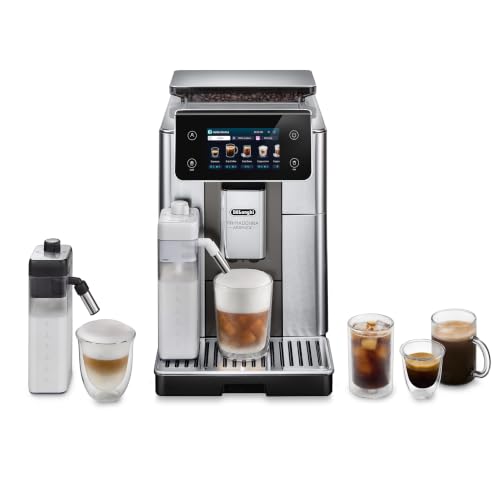


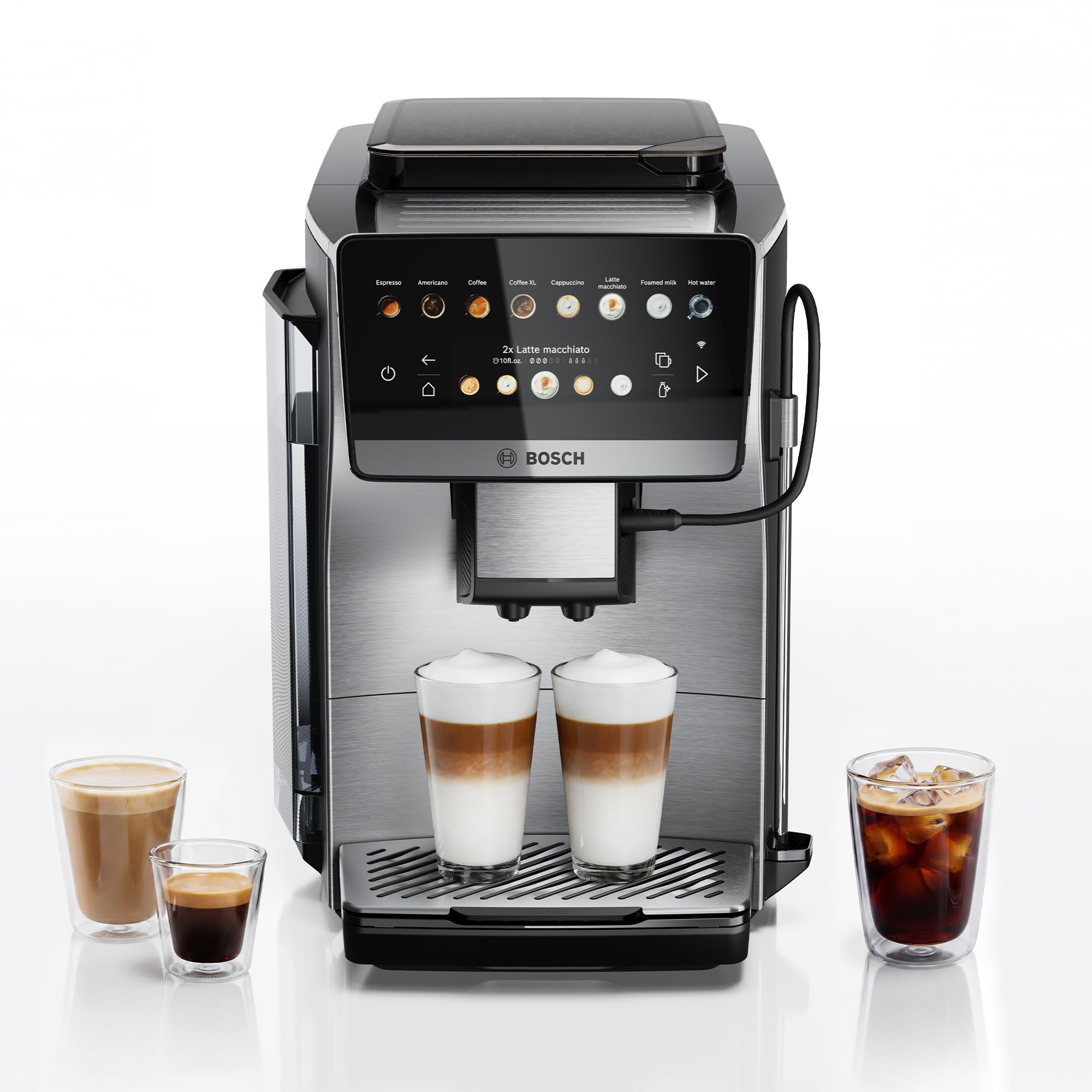

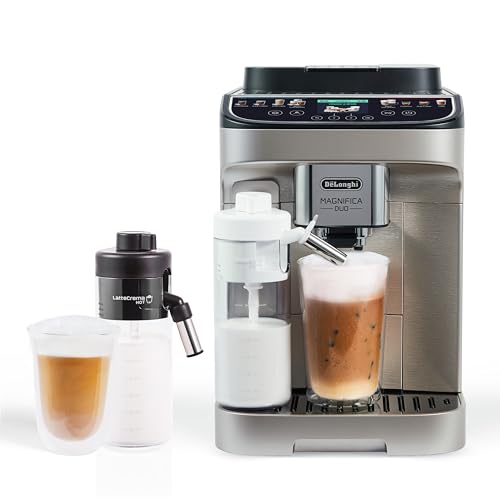
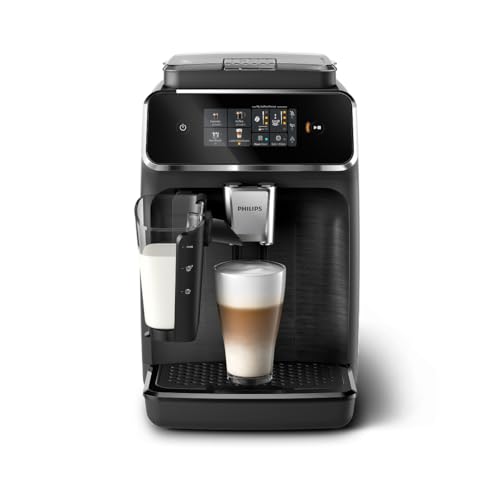
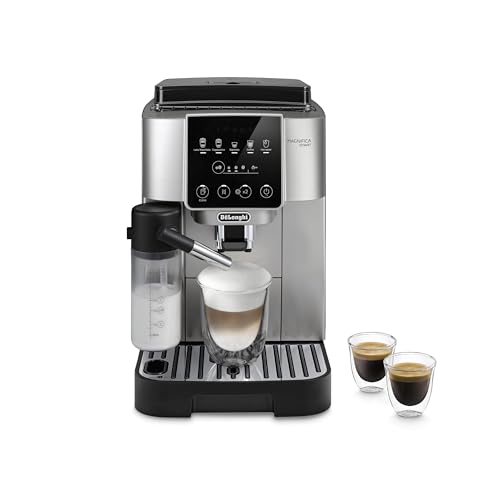

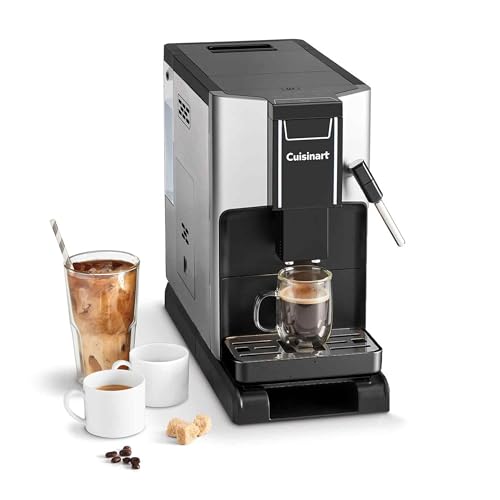
Who Should Buy Which Bean to Cup Espresso Coffee Machines?
For Busy Families Cooking Every Day
Your home needs capacity and speed: a water tank of 2 liters or more, a generous bean hopper, and a grounds bin that survives a full morning. Saved profiles for each person prevent daily reprogramming, and a milk carafe in the fridge speeds up breakfast drinks. Choose guided cleaning programs, because a family machine that is annoying to descale quietly falls out of care. Durability and warranty support outrank extra drink recipes for you.
For Occasional Users on a Budget
If you make espresso a few times a week, a simple model with a burr grinder, a manual steam wand, and a pre ground bypass covers you well for around $300 to $600. You give up profiles and automation, but the core shot can still taste excellent with fresh beans. Compact size also helps if the machine shares counter space with other appliances. Spend your savings on good beans and a water filter instead of features.
For Small Kitchens and Apartments
Measure before you fall for any model. Slim machines under about 10 inches wide exist, and front loading water tanks avoid the need to slide the unit out from under cabinets. Check the height with the bean lid open, and leave room for the steam wand to swing over a milk pitcher. A smaller machine may need more frequent refills, a fair trade for a counter you can still cook on. Renters should also value light weight for moves.
Key Features to Compare
Built In Grinder vs Pre Ground
A built in burr grinder grinds beans seconds before brewing, protecting aroma and letting you tune fineness to each bag. Conical burrs are standard at home level, while flat burrs appear on premium models and can taste a touch clearer. Pre ground mode through a bypass chute is handy for decaf, but grounds stale within days of opening. If you compare machines, count grind settings and check how easily the burr set lifts out for cleaning, since oily beans leave residue.
Build Materials (Plastic vs Stainless vs Glass)
Stainless steel bodies shrug off heat and stains and suit busy counters, while sturdy plastic keeps price and weight down for apartment living. Inside, favor stainless or aluminum thermal blocks and boilers, BPA free tanks and milk parts, and a metal drip tray that will not crack. Glass shows up mainly on carafes for long coffee modes. In every material, removable parts and smooth corners matter most, because espresso making is a daily wipe and rinse routine.
Footprint and Countertop Fit
Record three numbers for your space: width, depth, and clear height under cabinets, often about 17 to 18 inches in US kitchens. Then check machine drawings for lid swing, tank direction, and cord length. Place the machine near a sink if you can, since rinsing the brew group and emptying the tray involve drips. A tape outline on the counter for a day reveals traffic problems that a spec sheet never shows. Shoppers new to the category can compare our guide to the best espresso coffee machines for how manual and automatic formats differ in size.
Brew Temperature and Extraction
Espresso extracts best with water around 195 to 205 degrees Fahrenheit, the range the SCA uses for quality brewing, and a pump that delivers about 9 bar at the coffee puck during extraction. Machines advertise 15 or 19 bar pump maximums, but regulation at the group is what shapes flavor. Stable temperature across back to back shots separates better machines from basic ones. If your shots taste sour, suspect cool water or coarse grounds before blaming the beans.
Brewing Method and Coffee Style
Bean to cup espresso machines brew under pressure for true espresso, the base for lattes, cappuccinos, and americanos. Many add a long coffee mode that lowers pressure for a milder cup, useful for guests who dislike intensity. They do not replace drip makers for large pots, pour over for ritual brewing, or cold brew for summer batches. Decide which drinks make up ninety percent of your week and judge the machine on those alone. Bean choice matters too, and our guide to the best coffee beans for espresso machines explains roast and freshness in depth.
Common Mistakes to Avoid When Buying Bean to Cup Espresso Coffee Machines
- Chasing pump bar numbers. A 19 bar label is a maximum, not better extraction; steady delivery near 9 bar at the puck is what counts.
- Skipping the tape measure. Lids, tanks, and wands need working room beyond the body dimensions printed online.
- Ignoring grinder access. If burrs are hard to reach, oily residue builds up and quietly turns shots bitter.
- Buying far beyond your routine. Dual boilers and huge menus add cost and cleaning for households making two drinks a day.
- Forgetting warranty and service. Espresso machines have pumps and valves; check parts support before you buy, and browse our guide to the best bean to cup coffee machines for the wider category picture.
How to Make Your Bean to Cup Espresso Coffee Machine Last Longer
Use filtered water to protect flavor and reduce scale, and replace filters on the maker schedule rather than by taste. Descale every one to three months depending on water hardness, or whenever the machine prompts you. Rinse the brew group weekly if it removes, empty and wash the drip tray and grounds bin before odors set in, and wipe the steam wand right after each use while purging a short burst of steam.
Store beans in an airtight container away from light, and keep only a few days of beans in the hopper so oils stay fresh. If you shop by bean style, our guide to the best coffee beans for espresso can help you pair roast level with your machine. Brand support also affects lifespan, so our guide to the best coffee machine makers is worth a look before a major purchase.
FAQs
Is a bean to cup espresso coffee machine with a built in grinder worth it?
Yes, it is worth it for nearly every home, because fresh grinding is the largest single flavor gain available. You also remove a separate grinder from the counter and keep dose and grind in one workflow. The exception is a household using only pre ground decaf, which makes the grinder dead weight. For everyone else, treat a burr grinder as a requirement, not an upgrade.
How often should I descale my bean to cup espresso coffee machine?
Descale every one to three months in most homes, sooner with hard water or heavy use. Many machines track water volume and prompt you, and that prompt should win over any calendar guess. Filtered water lengthens the interval but never removes scale fully. Skipping descaling slows flow, cools extraction, and can void warranty coverage, so keep descaler on hand before the alert appears.
How long does a bean to cup espresso coffee machine usually last?
A cared for home machine usually lasts five to seven years, and premium builds can pass a decade with seal and burr service. Drink volume matters: a family making ten drinks a day ages a pump faster than a solo user. Watch for longer warm up, weaker steam, and inconsistent shot times as early wear signs. Planned care costs far less than early replacement.
Is a more expensive bean to cup espresso coffee machine really worth it?
It is worth it when the premium buys a better grinder, faster steam, or profiles your household will use every day. It is not worth it for styling, huge drink menus, or app control you will open twice. Divide the price gap by your yearly drink count. Busy homes often find the cost per drink tiny, while light users should stay midrange and invest in beans.
What grind size works best with a bean to cup espresso coffee machine?
A fine grind that yields a shot in about 25 to 30 seconds is the target, adjusted one step at a time. Begin at the maker default, taste, then move finer for sour and fast shots or coarser for bitter and slow ones. Dark roasts often need a slightly coarser setting than light roasts. Keep dose and tamp equivalent settings fixed while you adjust, so the grind change is the only variable.
Can I use regular coffee in a bean to cup espresso coffee machine?
Yes, you can use pre ground regular coffee through the bypass chute, one portion per drink. It suits decaf evenings and visitors who bring their own coffee. Do not put grounds in the bean hopper, and do not use flavored grounds if the maker warns against oils and sugars in the grinder path. Whole bean mode remains the better daily choice for freshness and consistency.
The Bottom Line
Match the machine to your household size and counter first, then insist on a burr grinder and stable temperature near 9 bar extraction. Care habits, especially descaling and filtered water, decide how long that quality lasts. Compare your finalists in the product table above, and the best bean to cup espresso coffee machines for your routine will be easy to spot.


