
Best Coal Barbecue Grills for 2026: A First Time Buyers Guide
Disclosure: We may earn a commission when you buy through links on this page, at no extra cost to you. As an Amazon Associate I earn from qualifying purchases. Learn more
The best coal barbecue grills for a first buyer come down to size, heat control and build: learn fuel choices, vents, grates and safety basics before you pick.
If you are shopping for best coal barbecue grills for the first time, the choices can look confusing at first glance. Some grills are small and simple, while others are large, heavy, and full of vents, dampers, and gauges. This guide walks you from the basics to a confident choice, and the comparison table below can help you compare the main types side by side.
The good news is that you do not need the biggest or most complex grill to cook well. You need a size that fits your usual meals, a design that lets you control heat, and materials that stand up to regular use outdoors. By the end of this guide, you will know which features matter most and which ones you can safely skip for now.



Coal Barbecue Grills 101: The Basics
A coal barbecue grill burns solid fuel to create heat for cooking. The fuel sits in a firebox or charcoal grate, and air flows in through vents near the bottom and out through a vent in the lid. More air makes the fire hotter, while less air cools it down. That simple idea is the heart of coal grilling, even on large and feature rich models.
New buyers often hear a few terms again and again. Searing means cooking food quickly over high direct heat to build a browned surface. Low and slow cooking means holding a low, steady temperature for a long time, which suits larger cuts that need time to become tender.
A grate is the cooking surface where food sits, while the fire grate below it holds the fuel. Knowing these terms makes it much easier to read product descriptions and compare designs.
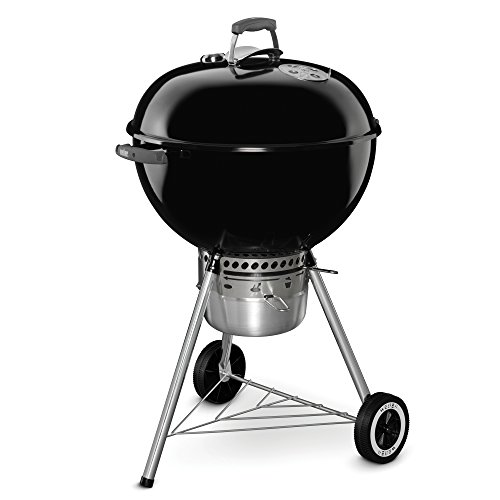
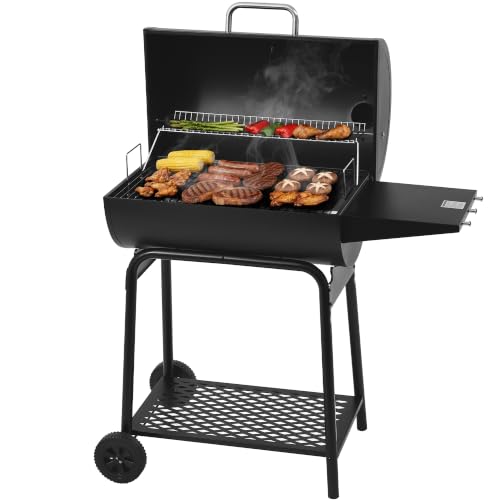
Most coal grills fall into a few broad shapes. Kettle style grills are round, with a lid and a bowl shaped body. Barrel and offset style grills have a larger cooking chamber and often a separate firebox.
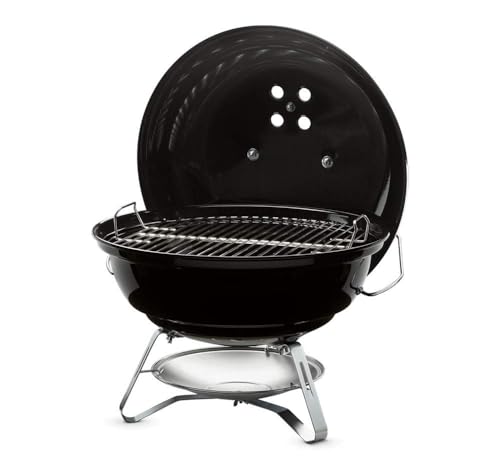
Portable grills are smaller and lighter, which makes them easier to carry to a park or a tailgate. Each shape can cook well, but they differ in space, heat control, and how much food they can handle at once.
Key Specs Explained in Plain English
Spec sheets for the best coal barbecue grills can be full of jargon, but only a few numbers really change how a grill cooks. The sections below explain each one in simple language, so you can judge what matters for your meals, your space, and your budget.
Fuel Type
Coal grills most often use lump charcoal or briquettes, and each has trade offs. Lump charcoal lights quickly, burns hot, and leaves less ash, but pieces vary in size and burn time can be less even. Briquettes are more uniform, so they give a steadier and longer burn, which helps when you want stable heat for a longer cook.
Some designs also accept wood chunks for extra smoke flavor, while pellet and gas designs belong to a different category and cook in a different way. For a first grill, pick the fuel you can buy easily near home and that matches how often you plan to cook. For charcoal focused designs, see our guide to the best charcoal barbecue grills. If you are also weighing gas, see our guide to the best barbecue grills propane.
If you want a clear sense of how fuel choices compare across grill families, see our guide to the best coal grills. It puts coal cooking in context without changing the focus of this guide, which stays on barbecue grills built around solid fuel.
Build Quality and Materials
Body thickness matters because thin metal loses heat faster and can warp over time. A heavier body holds heat more steadily, which makes temperature control easier, especially on a windy day. Stainless steel resists rust and is easy to wipe clean, while painted or porcelain coated steel can also last well if the coating stays intact.
Cast iron grates hold heat well and give strong sear marks, but they need regular cleaning and drying to avoid rust. Lighter wire grates heat up faster and are easier to brush clean, but they may not hold heat quite as evenly.
Temperature Control and Smart Features
Heat control on a coal grill comes mainly from vents, not from dials. Bottom vents feed air to the fire, and the top vent lets heat and smoke escape. Small changes make a real difference, so vents that move smoothly and stay where you set them are worth seeking out. A built in thermometer in the lid gives a rough guide, but lid temperature can differ from grate temperature, so a separate probe thermometer gives a more useful reading for food safety and for steady cooking.
Some newer grills add fans, probes, or wireless monitors that adjust airflow for you. These tools can help a beginner hold a steady low temperature, but they add cost and parts that need power and care. They are helpful, not required. Learn to control heat with the vents first, and you will understand what any added tool is doing for you.
Portability and Footprint
Think about where the grill will live and how often it will move. A large grill suits a fixed spot on a patio, while a compact grill suits a small yard, a balcony where grilling is allowed, or trips away from home. Measure the space, including room to open the lid fully and to stand safely beside the grill.
Also allow space for a heat safe surface under the grill and for storing fuel away from the house. For outdoor only models, see our guide to the best outdoor barbecue grills.
Heat Output and Temperature Range
Heat output is often described with a burner style rating, but for coal grills the more useful question is how hot the grate can get and how steady the heat stays. A grill that can reach high heat works well for searing steaks, burgers, and vegetables. The same grill should also be able to hold a low temperature, around 225 degrees Fahrenheit, for slow cooking. That range, from hot searing to gentle slow cooking, gives you the most flexibility.
Cooking area also shapes what you can do. A small grate suits meals for two or three people, while a larger grate lets you cook for a group and use two heat zones at once. Two zone cooking means hot coals on one side and little or no direct heat on the other side, so you can sear food and then move it to finish gently. If you often cook for friends and family, that extra space is worth the larger footprint.
Rookie Mistakes to Avoid
- Lighting far too much fuel for a small meal, which makes the grill run hot and wastes charcoal.
- Closing all the vents to put out a flare up, then opening them wide again, which can cause a sudden burst of heat.
- Skipping preheating, so food sticks to a cool grate and cooks unevenly.
- Placing food over direct heat for the whole cook, even when a gentler finish would give a better result.
- Leaving ash in the grill after cooking, which blocks airflow and speeds up rust over time.
Getting Started: Setup and First Use
Start by placing the grill on a flat, stable surface outdoors, away from walls, fences, overhangs, and dry leaves. Assemble it by the maker instructions, and check that all bolts are tight and the lid opens and closes cleanly. Keep children and pets away from hot parts at all times, and keep a pair of long heat resistant mitts and long tongs nearby.
For your first cook, light a modest amount of fuel and let the grill preheat for 10 to 15 minutes before cooking. Clean the grates while warm with a suitable brush, then oil them lightly if the maker guidance allows it. Start with simple foods, such as burgers, sausages, or vegetables, so you can learn heat control without worrying about a long cook. After cooking, close the vents, let the coals cool fully, and dispose of ash only when it is completely cold.
Never use a coal grill indoors, in a garage, or under a covered structure with poor airflow. Coal fires produce carbon monoxide, which is odorless and dangerous in enclosed spaces. Always cook outdoors in open air, and follow local balcony and fire rules before grilling on a balcony or in a shared outdoor space.
FAQs
How often should I clean my coal barbecue grill?
Brush the cooking grate after every cook, while it is still warm, and empty ash once the grill is fully cold. A deeper clean every few weeks of regular use helps airflow and slows rust. Remove the grates, brush off built up residue, and wipe the inside of the bowl and lid with a damp cloth. Check the vents at the same time, because ash can block them and make heat control harder.
How long should a good coal barbecue grill last?
A well made coal grill can last many years with basic care, while a thin, lightly built grill may wear out sooner. The biggest factors are material thickness, rust protection, and how well you clean and cover it. Grates wear faster than the body, so expect to replace a grate sooner than the grill itself. Keep the grill dry, clean ash promptly, and touch up any chips in a coated finish by the maker guidance.
Is a pellet grill worth it?
A pellet grill suits cooks who want steadier automatic temperature control and less hands on fire management. It uses wood pellets and a powered feed system, so it feels closer to an oven with smoke flavor than to a traditional coal fire. It costs more to buy and to run, and it needs power and dry pellet storage. If you enjoy tending a coal fire and want strong searing heat, a coal grill may suit you better.
What type of coal barbecue grill gives the best flavor?
Flavor comes more from fuel, airflow, and cooking method than from the shape of the grill alone. Lump charcoal and wood chunks can add a stronger smoke note, while briquettes give a steadier and more neutral heat. A tight lid and good vent control help smoke linger around the food instead of escaping quickly. Avoid lighter fluid flavor by using a chimney starter or another maker approved lighting method.
Can I use a coal barbecue grill on a balcony?
It depends on local rules, building rules, and the layout of your balcony, so check all three before you grill there. Many buildings and local fire rules restrict open flame cooking on balconies, even when the space looks large enough. A small grill still produces heat, smoke, and embers, and wind can carry sparks to nearby surfaces. If grilling is allowed, use a stable surface, keep the grill away from railings and walls, and never leave it unattended.
How big of a coal barbecue grill do I need?
Match the grate size to the meals you cook most often, not to the largest party you might host once a year. A compact grate suits one or two people, a midsize grate suits a family of four, and a large grate suits regular group cooking. Extra space also lets you set up two heat zones, which is useful for searing and finishing food. Larger grills use more fuel and take more space to store, so do not buy extra size you will rarely use.
The Bottom Line
For a first coal grill, focus on three things: steady heat control, a size that fits your usual meals, and a sturdy build that you can clean and cover easily. A simple design with smooth vents and a solid grate will teach you good habits and cook a wide range of food well. To compare broader options, see our guide to the best barbecue grills to buy. The comparison in the product table above can help you weigh those points side by side.
Start with a modest setup, learn your vents, and build up to longer cooks as your confidence grows. When you choose with your space, your fuel supply, and your cooking style in mind, best coal barbecue grills stop feeling like a maze and start feeling like a practical tool for relaxed outdoor meals. Follow maker safety guidance, keep children and pets clear of hot parts, and enjoy learning one cook at a time.

