Best Charcoal Barbecue Grills in 2026: A Complete Buying Guide
Disclosure: We may earn a commission when you buy through links on this page, at no extra cost to you. As an Amazon Associate I earn from qualifying purchases. Learn more
Compare charcoal barbecue grill types, cooking areas, grate materials, and prices, with vent control and fire safety guidance for your next grill.
Charcoal asks more of you than gas. You light a fire, wait for the coals to settle, and manage the heat by hand instead of turning a knob. The reward is real smoke flavor and a sear that most other fuels struggle to match. The best charcoal barbecue grills share a few traits: a bowl that holds heat well, vents you can adjust with precision, and a grate sized for the way you actually cook.
This guide skips the product reviews and focuses on the buying decisions: which grill type fits your space, how much cooking area you need, how vent control shapes temperature, and what separates a grill that lasts two seasons from one that lasts ten. Use the comparison table below to see how the main options stack up, then read on for the details behind each spec.




Fire Safety and Carbon Monoxide: Read This Before You Buy
Every charcoal grill is an open fire, and it belongs outdoors only. Never use one in a garage, inside a screened porch, under a low overhang, or indoors for any reason. Burning charcoal produces carbon monoxide, a gas with no color and no smell that builds up fast in enclosed spaces and can kill before you notice anything is wrong. If a rainy day tempts you to drag the grill under cover, cook something else instead.
Set the grill on a level, stable surface well away from siding, wooden decking, fences, and anything that can catch a spark, following the clearance distances in the maker manual and your local fire rules. Never leave a lit grill unattended, and keep children and pets out of the grill zone until the bowl is cool to the touch. Check local fire codes and apartment balcony rules before you buy, because many buildings and cities ban charcoal on balconies and near multi unit housing entirely.
Cleanup has a safety rule of its own. Coals stay hot for many hours after the food is done, so let ash cool completely before you touch it. Fire services commonly advise waiting at least 48 hours, then moving ash into a metal container with a tight lid, never into plastic, paper, or a household trash bin.
Store lighter fluid away from heat and living areas, and never pour it onto coals that are already burning. A chimney starter lights charcoal with newspaper or starter cubes and removes the need for fluid at all.
The Four Main Types of Charcoal Grill
Type decides almost everything else: how much food fits, how steady the heat runs, and how much yard space the grill claims. If you are planning a full outdoor cooking area rather than a single grill, our guide to the best outdoor barbecue grills covers how charcoal stations sit beside other outdoor setups. For most readers, though, the choice narrows to the four designs below.
Kettle Grills
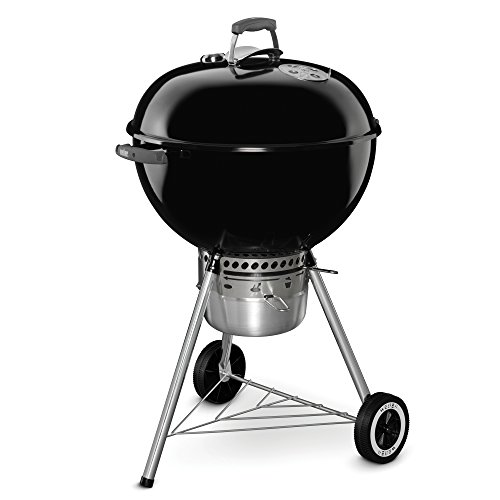
The kettle is the classic round bowl on three legs, sold in sizes from about 18 to 26 inches across. A 22 inch kettle offers roughly 363 square inches of cooking grate, enough for a family cookout without taking over the patio. Kettles are light, affordable, and easy to store, and the round bowl circulates heat well for both direct grilling and two zone cooking.
The limits show up on cheap versions: thin steel, wobbly legs, and basic ash handling. A well made kettle with a good ash catcher is the default recommendation for most homes.
Kamado Ceramic Grills
Kamado grills use thick ceramic walls inside an egg shaped shell, and that mass changes the cooking completely. The ceramic holds heat for hours on a small load of charcoal, holds a steady low temperature for smoking, and still climbs high enough to sear steaks with real char. Fuel use is the lowest of any charcoal type.
The trade offs are weight, price, and fragility: many kamados weigh well over 150 pounds, cost several times more than a kettle, and a dropped lid can crack. Choose one if you cook year round and want one grill for smoking and searing.
Barrel and Drum Grills
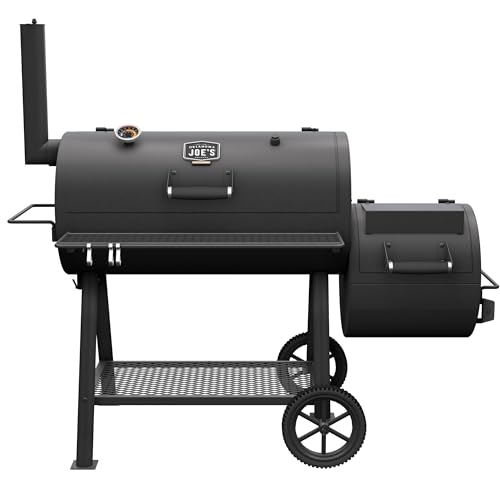
Barrel grills stretch the firebox into a long rectangle, which buys serious grate area for ribs, briskets, and big batches of chicken. Many add a side firebox for offset smoking, where the fire sits beside the food instead of under it. They suit people who cook for crowds and want smoker behavior without buying a separate unit.
Watch the steel gauge, because thin barrels leak air at the seams and make temperature control a fight. Look for tight fitting lids, sealed edges, and a charcoal tray you can reach without moving the food.
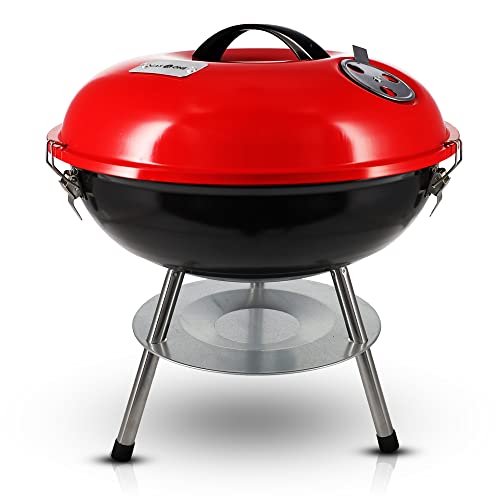
Portable and Tabletop Grills
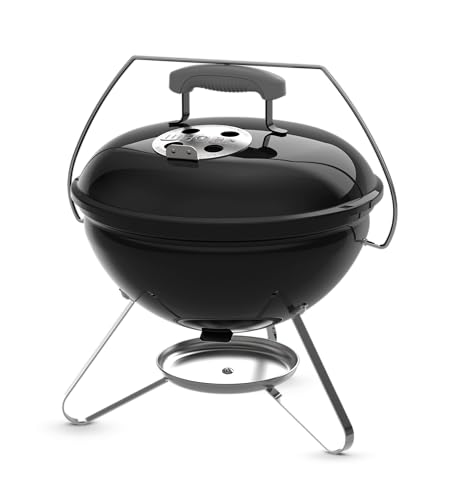
Small grills trade capacity for freedom. A compact kettle or tabletop model rides along to campsites, tailgates, and small patios, and our roundup of the best small charcoal barbecue grills covers the size class in detail. Expect grate areas under 200 square inches, low lids that crowd out beer can chicken and tall roasts, and legs or mounts that need a stable surface.
Heat control is cruder at this size, so these grills shine at burgers, sausages, and skewers rather than long low cooks. For a couple or a small household, a portable model can honestly be the only grill you need.
What Your Money Buys: Three Price Bands
Prices for charcoal grills run from under fifty dollars to well past a thousand, and the steps between bands buy durability more than cooking ability. A cheap grill can sear a fine steak on day one; it just may not survive many winters. If you want the wider shopping picture across fuel types, our guide to the best barbecue grills to buy explains how charcoal fits the overall market.
Starter Kettles and Barrels: About $80 to $200
This band covers basic kettles, simple barrels, and most portables. Steel is thin, grates are usually plated steel that will rust if left wet, and ash handling means a small pan or nothing at all. Vent control works but feels coarse.
These grills cook well and are a sensible first purchase, especially if you are unsure charcoal is for you. Budget for a cover and expect a service life of a few seasons of regular use before rust starts winning at the bowl and leg joints.
Enamel, Cast Iron, and Better Ash Systems: About $200 to $450
The middle band is where long term value lives. Porcelain enamel over heavier steel resists rust and cleans up with a brush and warm water. Hinged cast iron grates appear, along with ash sweeping systems that clear the bowl with a lever, removable ash pans with real capacity, lid thermometers, and side shelves that fold down for storage.
Temperature control gets finer because lids seal better and vents move in smaller steps. For a household that grills weekly, this band usually ends the search.
Ceramic Kamados and Heavy Steel: About $450 to $1,200
Premium money buys mass. Thick ceramic or heavy gauge steel holds temperature through wind and winter, gaskets seal the lid, and carts roll on large wheels with locking casters.
Warranties stretch longest here, especially on ceramic shells and metal fireboxes. You also gain accessories that matter to frequent cooks: raised second cooking levels, divide and conquer style grate systems, and ports for temperature controller fans. None of this is required to cook well, but heavy grills forgive mistakes and hold low heat with far less tending.
How to Choose: The Details That Decide Your Cookouts
Spec sheets make the best charcoal barbecue grills sound alike, so judge the six details below instead. Together they decide how the grill behaves on a Tuesday night and during a six hour rib cook alike.
Cooking Area and Capacity
Compare primary grate area only, because warming racks hold finished food but rarely cook raw food evenly. A practical guide is roughly 75 to 100 square inches of primary grate per person when you cook mixed foods with sides on the grill. A 22 inch kettle at about 363 square inches handles burgers for six to eight people in one batch, or a couple of whole chickens with room for vegetables at the edges. If you often cook for crowds, a barrel shape uses its area better than a round bowl of the same footprint.
Vent Control and Temperature Range
Vents are your throttle. The intake vents under the coals feed oxygen to the fire, and the exhaust vent in the lid lets heat and smoke escape, so temperature moves when you move them. For searing, open everything and let the coals glow until the grate is ripping hot, often 500 to 700 degrees.
For low and slow cooking at about 225 to 250 degrees, close the intake most of the way and make small changes, then wait ten minutes before judging the result. Grills with smooth, marked vent settings make this learning curve much shorter.
Grate Material and Bowl Build
Cast iron grates hold heat, lay down strong sear marks, and reward a little care: brush them clean and oil them lightly so they do not rust. Porcelain coated steel is the low effort option and suits most cooks. Plain plated steel is the first thing to fail on cheap grills.
Bowl build matters just as much, and our guide to the best quality charcoal grills digs into construction standards if you want the deep version. Feel the steel before you buy if you can. A bowl that flexes when you press it will dent, chip its coating, and rust early.
Ash Management and Cleanup
Ash is not just mess. A thick layer under the coals chokes airflow and slowly kills your fire mid cook, and damp ash left in the bowl corrodes steel faster than rain does. Good designs sweep ash into a catcher with a lever, offer a removable pan you can carry to the metal bin, or let you lift the whole charcoal grate out for dumping.
Long cooks produce a lot of ash, so catcher capacity matters if smoking is on your menu. Whatever system you choose, empty it on a rhythm rather than when it overflows.
Charcoal Grate Height and Fuel Access
Distance between coals and food is a heat control that vents cannot copy. An adjustable charcoal tray, cranked up for searing and lowered for gentle cooking, gives you a second dial to work with. Fixed grills can fake this by banking coals to one side, but a moving tray is easier to learn.
Fuel access matters on long cooks too: hinged grate sections let you add charcoal or wood chunks without lifting the food off, and a front fuel door on barrels and kamados does the same job. Without one, every refill means gloves, tongs, and lost heat.
Assembly, Warranty, and Useful Extras
Most charcoal grills assemble in about 30 minutes to two hours with basic tools, though kamado carts take longer and really want a second pair of hands. Warranty terms tell you what the maker believes about its own grill: longer coverage on bowls, lids, and ceramic parts than on grates and plastic pieces is the normal pattern. Useful extras include a lid thermometer placed near grate level, side tables that hold a tray, tool hooks, and a port for an automatic temperature controller fan, a small PID controlled blower that holds smoking temperatures steady on kamados and barrels. Skip gimmicks like built in bottle openers and LED lights.
Charcoal Next to Gas, Pellet, and Other Options
Charcoal is a choice, not a default. Here is the honest comparison with the fuels you will see beside it in the store.
Gas Grills
Gas wins on speed and convenience. You push a button, wait ten minutes, and cook, with heat you can dial up or down instantly. Flavor is cleaner and milder because there is no wood fire under the food.
Running costs favor gas for frequent short cooks, and readers comparing fuels often start with the best barbecue grills propane shoppers choose for weeknight use. Choose gas if weeknight speed matters more than smoke flavor, and choose charcoal if the fire itself is part of the pleasure.
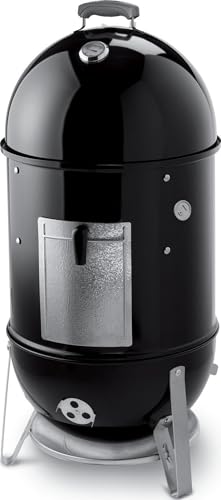
Pellet Grills and Vertical Smokers
Pellet grills burn compressed wood pellets with an electric auger and fan, holding a set temperature almost like an oven. The smoke flavor is gentle, the effort is low, and most models struggle to sear hard because the fire is indirect and modest. Vertical smokers take the opposite path: a tall charcoal or wood chamber built only for low and slow cooking, with stacked racks and a water pan. If brisket and pork shoulder are your main goal, a dedicated smoker does that one job better than any grill, but it gives up weeknight versatility.
Electric Grills
Electric grills exist for the places fire cannot go. Many apartment buildings, condos, and city codes that ban charcoal and gas on balconies allow electric models, and they are the only legal option for some readers. In exchange you give up smoke flavor, high searing heat, and the ability to cook during a power outage. Treat electric as a rules driven choice: if your building allows charcoal, charcoal cooks better; if it does not, an electric grill with a heavy cast grate is the sensible fallback.
Setup and Care Tips
- Preheat with the lid closed for 10 to 15 minutes after the coals ash over, so the grate is hot enough to sear and release food cleanly.
- Clean the grate while it is still warm, using a stiff brush or a balled piece of foil held in long tongs, then wipe it with a lightly oiled cloth.
- Empty ash only when it is completely cold, following the cooling and metal container routine in the safety section above.
- Cover the grill between cooks and check each season for rust at the leg joints, vent edges, and bowl bottom, touching up chips before they spread.
- Store charcoal in a sealed, dry bin off the floor, because damp charcoal lights slowly, burns cool, and smokes heavily.
- Season new cast iron grates with a thin coat of cooking oil and a hot empty burn before the first food goes on.
Charcoal Barbecue Grills: Your Questions Answered
What size charcoal grill do I need for family cookouts?
For most families, a 22 inch kettle with about 363 square inches of primary grate is the right size. It fits roughly a dozen burgers or two whole chickens with vegetables at the edges. One catch buyers miss: two zone cooking, with coals banked on one side, gives up about a third of the grate to the cool zone. If you plan to cook indirectly often, size up one step or choose a barrel shape so the working area stays generous.
Can I use a charcoal grill on an apartment balcony?
Usually not, and you should confirm before buying. Many leases, condo rules, and city fire codes ban charcoal grills on balconies, especially wood decks and balconies above the ground floor, because a single coal can smolder unnoticed for hours; some buildings allow only electric grills. Distance rules for ground level patios also apply in many areas, often requiring the grill to sit well away from the building wall. If the rules ban charcoal, a small electric grill is the legal alternative, not a charcoal grill used quietly.
Do I need a chimney starter, or is lighter fluid fine?
A chimney starter is the better tool and costs little. It lights a full load of charcoal evenly in about 15 to 20 minutes using newspaper or a couple of starter cubes, with no chemical taste on the food. Lighter fluid works but can flavor the first batch if the coals are not fully lit before cooking, and it carries storage and handling risks. Whichever method you use, never add fluid to coals that are already burning, which is one reason most experienced charcoal cooks retire the fluid bottle within a season.
Is the thermometer built into the lid accurate enough?
It is a rough guide, not a measurement. The lid probe reads air near the top of the grill, which can run 30 to 50 degrees hotter than the air at grate level where the food sits. For burgers and steaks that gap hardly matters, but for low and slow cooking it can mislead you for hours. A simple probe thermometer clipped at grate level, or a dual probe unit with one probe for the grate and one for the meat, fixes the problem for little money.
Can a charcoal grill work as a smoker for ribs and brisket?
Yes, with the right setup and the right grill shape. Banking coals to one side and placing meat on the other, over a drip pan, turns a kettle into a basic smoker for ribs and pork shoulder. Kamados and barrels hold low temperatures longest and need the least refueling, which is why they suit brisket. A basic kettle can do it too, but plan on adding charcoal every hour or so on long cooks, and expect a learning curve on vent settings before the temperature truly settles.
How long should a good charcoal grill last?
A porcelain enamel kettle from the middle price band commonly lasts a decade or more with a cover and regular ash removal. Cheap thin steel grills often rust through at the fire bowl within a few seasons, because heat, ash, and moisture all attack the same spot. The parts that wear first are the cooking grate, the charcoal grate, and the ash catcher, and all three are replaceable on better brands. Replacing a grate every few years is normal maintenance, not a sign the grill is finished.
Final Thoughts
Choosing among the best charcoal barbecue grills comes down to three decisions: the type that fits your space, enough grate area for your typical crowd, and vent control you can fine tune without fighting the hardware. Kettles remain the value answer for most homes, kamados reward cooks who grill and smoke all year, and barrels feed crowds without drama. Compare your shortlist against the product table above, keep the safety rules in this guide in front of you, and the grill you pick will earn its place on the patio. Prices and availability can change, so check the product page before ordering.