
Best Coal Grills of 2026: A Complete Buying Guide
Disclosure: We may earn a commission when you buy through links on this page, at no extra cost to you. As an Amazon Associate I earn from qualifying purchases. Learn more
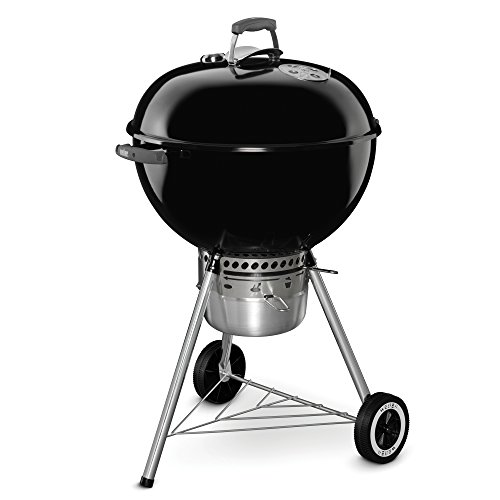
The best coal grills manage a live fire well: compare charcoal fuel costs, ash systems, vent control and grate height adjustment, with fire safety guidance.
First, a naming honesty note: despite the name, these grills do not burn coal from the ground. They burn charcoal, which is wood that has already been charred, and the word coal in listings is shorthand for that fuel. The best coal grills are not really sold on steel and styling at all. They are sold on how well they manage a live fire: how the fuel loads, how the air flows, and how the ash gets out of the way.
That is why this guide leads with fuel and fire management instead of body shapes. You will learn how lump charcoal and briquettes behave differently, which fire control features actually earn their cost, what each cook costs in fuel, and how size and build quality fit around the fire. Check the comparison table below for the quick view, then use the sections that follow to match a grill to the way you cook.


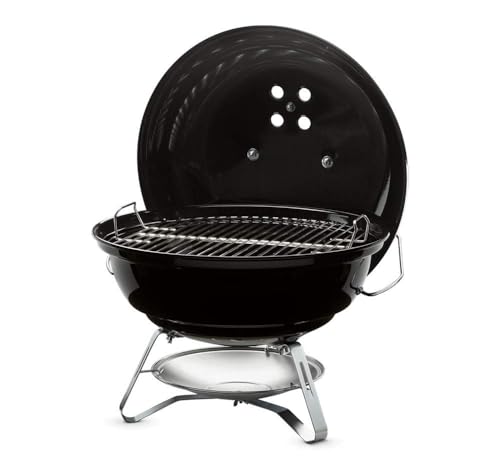

Safety Around Fire, Smoke, and Ash
Start with placement, because placement prevents most grill accidents. Put the grill on firm, level ground outside, with clear space above and on every side, following the distance guidance in the maker manual and your local fire code. Wind matters more than most buyers expect: a steady breeze into the intake vents can push a grill far hotter than your settings suggest, and gusts carry sparks toward fences, dry grass, and deck boards.
Never run a coal grill in a garage, a tent, a porch enclosure, or indoors. Charcoal gives off carbon monoxide, which has no color and no odor, and it can reach dangerous levels in a closed space long after the visible flames die down.
Ash is the quiet hazard. A coal bed can hide live heat for a day or longer under a gray surface that looks cold. The safe routine is patience: close the vents, let the grill sit for at least 48 hours, then shovel the ash into a metal container with a lid and set that container outside, away from the house, deck, and anything that burns.
Never dump ash into a plastic bin, a paper bag, or the household trash. Keep lighter fluid, if you use it at all, stored away from heat sources and children, and never spray it onto a fire that is already lit. Finally, treat a lit grill like a stove burner that never turns off: stay nearby, and keep children and pets back until the metal is cool.
Rules can end the shopping trip before it starts. Many apartment and condo communities ban charcoal outright, and some cities restrict grills on wood decks or near multi unit buildings. Read your lease and local fire rules first. If charcoal is banned where you live, no feature list matters, and an electric model becomes the practical choice.
Start With the Fuel: Lump Charcoal and Briquettes
A coal grill is a fire holder, and the fuel decides the fire. Two grills with identical steel cook differently on different charcoal, so learn the fuel before you judge the hardware. This section covers the two fuel types, how to light them cleanly, and how much a single cook actually consumes.
Lump Charcoal
Lump charcoal is wood that was charred in chunks, with nothing added. Pieces come in uneven sizes straight from the bag, from small shards to fist sized blocks. It lights quickly, burns hot, and leaves very little ash, which makes it the favorite for steaks, skewers, and any cook where a fierce sear is the goal.
The heat curve rises fast and falls sooner than briquettes, and the cost per cook runs higher. Bag quality varies between brands and even between bags, so serious lump users pour the bag into a bin and sort out the dust and tiny pieces that choke airflow.
Briquettes
Briquettes are uniform pillows pressed from char dust and binders, and their sameness is the point. Every piece lights at a similar rate and burns down on a similar schedule, so the fire behaves predictably for hours. That steadiness makes briquettes the smart default for long cooks and for beginners still learning vent control.
They produce noticeably more ash than lump, which matters in small grills. One firm rule: skip instant light briquettes soaked in lighter fluid. They can leave a chemical taste on food and encourage the dangerous habit of adding fluid to a lit fire.
Lighting the Fire Without Ruining Dinner
The chimney starter is the most useful ten dollars in charcoal cooking. Fill it, set newspaper or a starter cube under it, and in about 15 to 25 minutes the top coals ash over and the whole load is ready to pour. You get an evenly lit fire with no fluid taste and no flare up from pooled liquid.
Pour the coals where the cook needs them: spread flat for direct grilling, banked to one side for two zone cooking, or arranged in a ring for a long slow session. Lighting directly in the grill works too, but the chimney gives you a measured, repeatable amount of lit fuel every time.
How Much Charcoal per Cook
A standard chimney holds roughly 80 to 100 briquettes, and thinking in chimneys keeps fuel planning simple. Half a chimney covers a small grill or a quick sear for two people. A full chimney is the usual load for a full size kettle cooking dinner for a family.
Long low cooks use less at any moment but more in total, because you are feeding the fire in stages for six, eight, or twelve hours. Briquettes also let you count: about 30 lit briquettes will hold a modest grilling fire, and you can add unlit ones around the edge for a longer burn. Buy charcoal in larger bags when storage allows, since the per cook cost drops and you never face an empty bag on a Saturday.
Fire Control: The Features That Manage Heat
Fire control is what separates the best coal grills from a metal bowl on legs. Fuel, air, and ash form one system, and the features below are the levers you actually use. Judge every grill in this section first, and let looks come later.
Adjustable Coal Grate Height
Moving the fire is the fastest temperature change you own. An adjustable charcoal tray, raised and lowered by a crank or lever, brings the coals within an inch or two of the food for a hard sear, then drops them away for gentle cooking without burning. The effect is immediate in a way vent changes are not, because vents work on the whole fire over minutes while distance works on the food in seconds. Fixed tray grills can copy the trick by banking coals higher on one side, but a moving tray gives beginners a control they understand at once.
Intake and Exhaust Vents
Air is the throttle and the brake. Intake vents below the coals feed oxygen to the fire, while the exhaust vent in the lid draws smoke and heat out. Open both and the fire climbs; close the intake and the fire starves down.
Work in small moves: a quarter turn of the intake, then a wait of about ten minutes, because a coal fire answers slowly and overshooting leads to an hour of chasing the temperature. Fully closing both vents at the end of a cook smothers the fire and saves unburned charcoal for next time, one of the small economies that make briquettes cheap to run.
Ash Systems That Keep Air Flowing
Ash is the enemy of airflow. As it piles up under the coal grate, it blankets the intake vents and the fire slowly suffocates, no matter how wide you open the dampers. Good grills fight this with sweeping levers that push ash through slots into a catcher, deep removable ash pans, or a fully separate ash can you can empty between stages of a long cook.
On short cooks almost any system works. On a ten hour cook, ash capacity is the difference between a fire that holds its temperature and one that fades at hour six with the meat only half done.
Holding Low Heat for Hours
Long cooks at about 225 to 250 degrees use arrangement more than hardware. The best known method lines unlit briquettes in two neat rows along the inside wall of the bowl, a snake that burns slowly from one end, giving hours of gentle, even heat from a single lighting. A pan of water set over the coals steadies temperature swings and adds moisture to the air inside.
When the fire finally needs feeding, hinged cooking grates and front fuel doors let you add lit coals without removing the food or dumping all the heat. The lid stays closed as much as possible: every peek costs heat and adds time.
Size, Build, and the Cost of Fuel
Cooking Area and Capacity
Measure the main grate and ignore the warming rack when you compare sizes, because the rack is a holding shelf, not cooking space. A round 22 inch grate offers about 363 square inches, which translates to real food as roughly a dozen burgers, four to six chicken halves over two zones, or two racks of ribs laid flat. Count what your household actually cooks at once: weeknight dinners for four fit on a mid size grill with room to spare, while a grill bought for the two biggest parties of the year will sit oversized and fuel hungry the other fifty weekends.
Steel, Enamel, and Grate Materials
The firebox lives a hard life, and build quality decides how long it survives. Porcelain enamel over steel is the workhorse finish: it shrugs off heat, resists rust, and wipes clean. Thin painted steel on bargain grills warps near the fire and rusts at every scratch.
For the cooking grate, cast iron is the sear champion, heavy and heat hungry, holding a hard temperature even when cold food lands on it. Porcelain coated steel and stainless steel grates trade a little of that searing power for easy cleaning and no seasoning routine. Whatever you choose, check leg stability and wheel quality in person, because a full load of lit charcoal is the worst cargo a wobbly grill can carry.
What Each Cook Costs in Fuel
Charcoal is a pay as you go fuel. A full chimney of briquettes costs on the order of a dollar or two, lump somewhat more, and a long smoking session still totals only a few dollars. That compares well with the refill cycle of the best lp grills, where a tank lasts many cooks but costs real money to swap, and with the steady pellet consumption of the best pellet grills and smokers, which burn through bags of pellets on long cooks.
Charcoal also never needs electricity, which keeps it viable at campsites and during power cuts. The hidden costs are accessories: chimneys, gloves, thermometers, and replacement grates over the years.
What Your Money Buys
Price bands for coal grills are wide, and the jumps buy fire control and longevity rather than better flavor on day one. Timing helps stretch the budget too: our guide to the best time to buy grills explains when seasonal sales knock the most off shelf prices. Buy the band that matches how often you will cook, not the band that matches your best summer weekend.
Starter Grills: About $60 to $150
Entry level kettles and small drum grills live here. Expect thinner steel, plated grates, simple one lever ash handling, and vents that adjust in bigger steps. They cook a perfectly good burger and teach you the basics of fire management for the price of a few bags of charcoal.
Many households start in this band on purpose, learn whether charcoal fits their routine, and upgrade later with real knowledge. Plan on a shorter life than the bands above, especially if the grill lives uncovered outdoors.
Family Workhorses: About $150 to $400
This is the value center of the market. Porcelain enamel bowls, hinged cast iron or heavy steel grates, crank adjustable charcoal trays on many models, ash sweepers with real catchers, and side shelves that make cooking easier all show up in this range. Vent control gets precise enough for true low and slow work. For a household grilling every week through the season, this band usually ends the search: the grill is durable enough to keep for years and capable enough that the cook, not the hardware, becomes the limit.
Heavy Steel and Ceramic: About $400 to $1,100
Premium money buys thermal mass and sealing. Ceramic kamado style grills and thick steel cookers hold a set temperature through wind, cold, and long nights on remarkably little fuel.
Gasketed lids, smooth dampers, and sturdy carts with big wheels round out the package, and warranty coverage on the firebox and shell runs longest here. These grills reward committed cooks who smoke in January and sear in July. They are also heavy, sometimes extremely heavy, so plan the delivery and the final spot before the truck arrives.
Choosing Coal Grills for Your Situation
Sections above rank features; this one matches them to people. This guide concentrates on the fire itself, so readers who want a shape by shape tour of lidded barbecue models can also browse our overview of the best coal barbecue grills before deciding. Most buyers, though, will recognize themselves in one of the three situations below.
Best Char Coal Grills
Some buyers chase one thing above all: a dark, crisp char on steaks, chops, and skin on chicken. If that is you, the best char coal grills share three traits. First, the coal tray or grate adjusts close to the food, within an inch or two, so radiant heat hits hard.
Second, the cooking grate is heavy cast iron, which stores heat and brands the surface instead of letting it steam. Third, the grill burns lump charcoal well, with vents that open fully for maximum airflow. Char comes from very hot metal and dripping fat meeting the fire, and hardware that maximizes both is what to pay for.
Small Yards and Patios
Compact spaces call for a compact fire. A small kettle or a slim barrel with folding shelves gives you real charcoal cooking in a footprint that still leaves room to stand. Measure your space with the safety clearances included, not just the grill body, and favor models with two wheels and a handle so the grill can move to the safest open spot for each cook. Storage counts as well: a grill that rolls into a corner under a cover survives apartment and townhouse life far better than one that blocks the door all winter.
Feeding a Crowd
Big gatherings are a logistics problem wearing an apron. Long barrel grills earn their floor space here, because two fire zones at different heats let you sear on one end and hold finished food warm on the other. Plan the cook in waves: dense items like chicken pieces first, fast items like burgers and dogs last, and keep a lit chimney in reserve for a mid cook boost. A second small grill dedicated to vegetables or a vegetarian main is a cheaper crowd upgrade than one giant grill, and it keeps flavors and timing separate.
Care, Cleaning, and Cooking Safely
- Brush the cooking grate while it is warm after each cook, and give cast iron grates a light coat of oil before storage to hold rust back.
- Empty ash only when it is fully cold, using the metal container routine from the safety section, and check that vents still move freely afterward.
- Once a season, tighten leg and wheel hardware, inspect the firebox for rust spots, and sand and touch up small chips before they spread.
- Store charcoal in a sealed bin in a dry place, off a bare concrete floor, so the fuel lights quickly and burns at full heat.
Fire management ends at the cutting board, and food safety deserves the same discipline as vent settings. Use a probe thermometer rather than color or timing: chicken is done at 165 degrees, ground beef at 160 degrees, and whole steaks and chops at 145 degrees followed by a short rest, matching United States food safety guidance. Keep raw meat on its own plate, and never return cooked food to the plate that carried it raw. Use clean tongs for finished food, and get leftovers into the refrigerator within about two hours, or one hour on very hot days.
Coal Grills: Your Questions Answered
How much charcoal does a coal grill burn in one cook?
It depends on the cook, but chimneys make the math easy. A quick weeknight grilling session for two or three people uses about half a chimney of briquettes. A full family cookout on a full size kettle uses a whole chimney. Long smoking sessions are different: the fire sips fuel slowly, yet the total across eight or more hours can reach two chimneys worth, added in stages; lump charcoal burns faster by weight, so budget a little more of it for the same cook.
Why does my coal grill keep running too hot or dying down?
Most temperature trouble traces back to air, not fuel. A grill that runs too hot usually has an intake vent opened wider than the cook needs, or a lid gasket leaking air around the rim. A fire that keeps dying is often choked by its own ash piled over the intake, or built from charcoal that picked up moisture in storage. Wind is the hidden variable in both directions: a breeze aimed into the intake can overheat a grill, while a sheltered corner can starve it, so check ash and vents first and change one thing at a time.
Can I add fresh charcoal in the middle of a long cook?
Yes, and long cooks usually require it. The clean way is to light the new charcoal in a chimney starter first, then pour the glowing coals through a hinged section of the cooking grate or a fuel door, so the fire never sees a pile of cold, smoking briquettes. Adding unlit charcoal directly works in a snake arrangement, where the burning end lights the next section on its own, but scattering raw briquettes over a lit fire stalls the temperature and clouds the food with start up smoke for several minutes.
What is the difference between a coal grill and a smoker?
A coal grill is built for direct heat: food sits over the fire and cooks hot and fast. A smoker is built for indirect heat: the fire is offset, baffled, or below a water pan, and food cooks slowly in warm smoke at low temperature. The overlap is real, because a kettle or barrel grill can smoke with a two zone setup, and many smokers can grill small amounts over their firebox. The difference is effort: a dedicated smoker holds low temperatures for hours with little attention, while a grill asked to smoke needs more frequent checking and feeding.
How should I store charcoal between cookouts?
Store it dry, sealed, and off the floor. A lidded plastic or metal bin in a garage or shed keeps rain and humidity out, and charcoal left in an opened paper bag slowly drinks moisture from the air until it lights badly and burns cool and smoky. Damp charcoal is not ruined forever: spread it in the sun on a dry day and it recovers much of its performance. Lump charcoal has one extra quirk, because the pieces break down if the bag is crushed under heavy storage, leaving you with dust and shards that choke airflow.
Final Thoughts
The right choice among the best coal grills follows a simple order: pick your fuel habits first, then the fire control features that manage that fuel, then the size and build your space and budget allow. Briquettes and a good ash system make the steadiest first grill, while lump charcoal, an adjustable coal tray, and cast iron grates serve cooks chasing serious char. Weigh your shortlist against the product table above, respect the safety distances and ash routine, and your grill will cook well for years. Prices and availability can change, so check the product page before ordering.

