Best Cleaner for Grills in 2026: What Actually Matters Before You Buy
Disclosure: We may earn a commission when you buy through links on this page, at no extra cost to you. As an Amazon Associate I earn from qualifying purchases. Learn more

Use this checklist to choose the best cleaner for grills: match strength to the soil, check surface safety, format, scent and cost per use before you buy.
Most grill cleaner buying advice starts with products. This guide starts with criteria instead, because the right cleaner depends on the surface in front of you and the soil sitting on it. Choosing the best cleaner for grills means scoring every option against the same short checklist: what it must remove, where it will be used, how strong it needs to be, and what it costs each time you clean.
The sections below walk through that checklist in order: surfaces first, then strength, then the label claims and formats that separate a good buy from a regret. You will also find a yes or no checklist to run before ordering, red flags that mark weak products, and price bands that show what each level realistically buys. The comparison table below previews how the main cleaner classes stack up against these criteria.

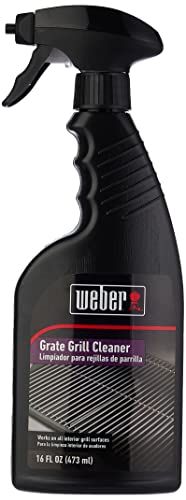
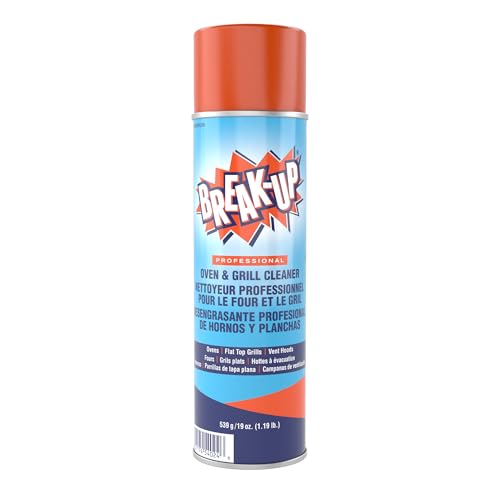
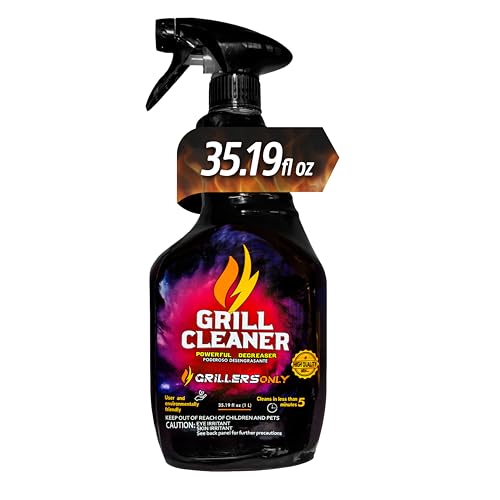
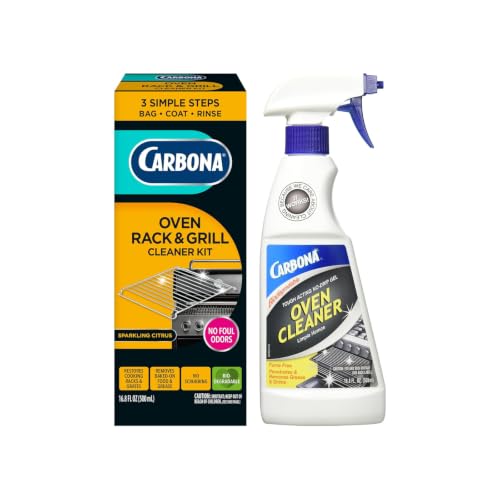


Start With the Surface You Are Cleaning
One bottle rarely suits every part of a grill, which is why the best cleaner for grills is often two bottles. Grates take direct heat and food contact, lids and shelves take weather and grease mist, and polished panels show every scratch and streak. Score any cleaner first by the surface you will use it on most, and only then by everything else.
Cooking Grates
Grates are the surface that matters most, because they touch food and collect the heaviest soil. Porcelain coated grates need gentler formulas and soft tools, since chips in the coating expose the metal beneath to rust. Bare steel and cast iron tolerate stronger degreasers and stiffer brushes. Whatever the material, abrasive powders and aggressive pads can scratch or chip, so try any new cleaner or pad on a hidden patch at the back of the grate first.
Finish every grate clean with a plain water rinse, because this is the one surface where residue has nowhere to hide.
Lids, Side Shelves and Exterior Panels
Exterior surfaces collect a different kind of dirt: a thin film of grease mist mixed with dust, pollen and rain spots. Mild formulas handle it easily, and reaching for a heavy degreaser here only adds risk. Strong alkaline products can dull painted lids, cloud plastic trim and streak powder coated shelves. Wipe exteriors with the cleaner on a cloth rather than spraying the whole panel, so the product lands only where the film sits.
A product that leaves the lid clean but spotty has failed this surface even if it excels on grates.
Stainless Steel Surfaces
Stainless panels reward care and punish shortcuts. Wipe along the direction of the metal grain rather than across it, because cross grain scrubbing leaves visible scratches that no polish removes. Strong chlorine based cleaners can mark stainless, so check the label before using a heavy formula on a polished lid or door. Readers focused only on this surface can compare the best stainless steel cleaner for grills, a narrower category built for that one job.
For everyone else, a mild cleaner and a soft cloth cover stainless duty inside a general grill routine.
Then Match the Strength to the Soil
Strength is the second score on the checklist. Too mild and you scrub without progress; too strong and you accept finish risk, rinsing work and fumes that the job never required.
Light Soil and Routine Wipe Downs
Fresh grease from the last few cooks is the easiest soil class there is. A mild spray, a short wait and a brush or cloth remove it before heat cycles bake it into something harder. Cleaning at this stage, once the grill is fully cool, is the single habit that keeps deep cleans rare. Mild formulas also suit households that clean after nearly every session, where gentle ingredients and low residue matter more than raw power.
If your grill never gets worse than this class, you can skip the strong end of the shelf entirely.
Baked On Grease and Carbon
Carbon is grease that heat has hardened in layers, and it answers to time more than force. A stronger formula needs dwell time to soften the layer, and a gel earns an advantage here because it clings to vertical firebox walls instead of running down them. Expect a neglected grill to need a second application rather than harder scrubbing, since gouging at carbon with metal tools damages grate coatings. Judge strong cleaners by how they handle this class, and be suspicious of any that promise instant results on it.
Heat, Flames and Ventilation
Strength means little if the clean itself is unsafe. Work only on a cool grill with the fuel supply off, and never spray cleaner toward a lit burner, a pilot light or hot coals, because mist and fumes can ignite or blow back at you. Gloves are ordinary practice with any formula stronger than a mild spray. Outdoor work still deserves airflow, so position yourself upwind on breezy days and step away while a strong product dwells.
These habits cost nothing and prevent the only cleaning injuries that matter.
The Criteria Checklist
With surface and strength settled, score the remaining criteria straight off the label. If your cooking is mostly barbecue, our companion guide to the best cleaner for bbq grills compares the same shelves by cleaner type rather than by criteria.
Features That Matter for Grills
Four label details carry real weight for this product. A stated dwell time tells you the maker has thought about carbon rather than only dust. A surface list that names your grate material beats a vague claim of universal use. Clear rinse directions signal a formula designed for food contact areas.
Temperature guidance matters too, because a cleaner rated only for cold surfaces should never be part of a warm grill routine.
Effectiveness on the Specific Mess
Claims should name soils, not promise miracles. A useful label says whether the formula targets fresh grease, baked on carbon, rust colored water spots, or the mineral film that hard water leaves on shelves. Match the named soil to the worst mess on your own grill, not the average one. A cleaner that is honest about handling two soil classes well is a better buy than one claiming to handle everything.
Ingredients and Safety
Ingredient transparency is a buying criterion, not a bonus. Recognized label programs such as EPA Safer Choice indicate a formula screened against a published standard, which saves you decoding chemistry at the shelf. Check where the product will live between uses: any strong cleaner needs storage out of reach of children and pets. Keep bleach based products apart from other chemicals in that storage spot, a habit the care section returns to.
Format: Spray, Gel, Wipes and Concentrate
Format changes both convenience and cost. Sprays cover large areas fast and suit grates laid flat. Gels cling to vertical walls and buy longer dwell where carbon builds up. Wipes handle shelves and handles between cooks but cost the most per use.
Concentrates ask you to dilute and supply your own bottle, and repay that small effort with the lowest cost per clean on this list.
Scent and Fragrance Free Options
Scent deserves one line on any checklist for a food adjacent product. Fragrance free formulas remove one more residue from grates and suit buyers who react to perfumes or cleaning fumes. Scented products are harmless on lids and shelves, where nothing edible touches the surface. If a scented formula is your pick for the whole grill, budget the extra rinse time its perfume makes necessary on cooking surfaces.
Cost per Use and Value
Bottle price misleads; cost per clean tells the truth. Divide the price by the number of full cleans the bottle realistically covers, counting dilution for concentrates and coverage for sprays. A large grill cleaned monthly can make a mid priced concentrate cheaper per year than a budget spray replaced every few weeks. Value also includes your time, so a formula that finishes in one application can beat a cheaper one that needs three.
Eco Friendly Packaging
Packaging is the last criterion, and it still counts. Refill pouches and concentrate bottles cut the plastic per clean sharply compared with a new trigger spray every month. Biodegradable claims describe how a formula breaks down after use, not how gently it treats a grate, so read them as disposal information rather than performance. Choose recycled or recyclable packaging when two cleaners tie on every criterion above it.
Three Price Bands and What Each One Buys
Under About $10: Light Duty Basics
The lowest band buys small ready to use sprays and wipes aimed at fresh grease and quick wipe downs. Expect mild formulas, modest coverage and little help with carbon. This band suits small grills, infrequent cooks and anyone finding out whether a cleaning routine will actually stick.
About $10 to $18: The Middle Shelf
The middle band is where most owners should land. It buys full size degreasers with real dwell strength, better triggers and gels that cling, plus natural formulas with enough active ingredients to matter. One bottle here typically covers a season of routine care for a midsize grill.
About $18 to $30: Heavy Duty and Concentrates
The top band buys the strongest formulas and the big concentrate bottles that dilute into many refills. You are paying for carbon strength or for volume, and both only pay off if your grill is large or neglected. If the grill itself is close to replacement, read our guide to the best time to buy grills before paying premium prices to restore it.
Quick Buyer Checklist
Run these yes or no questions before ordering any cleaner. A single no does not always disqualify a product, but two or more should send you back to the shelf.
- Does the label name your grate material as a suitable surface?
- Does it state a dwell time rather than promising instant results?
- Does it explain how to rinse before food touches the surface again?
- Do you know the cost per full clean, not just the bottle price?
- Is it fragrance free, if scent or fumes bother anyone in your household?
- Do you own gloves and a brush class that match the formula strength?
- Does it avoid promising to repair rust, pits or peeling coatings?
Red Flags to Watch For
- Restoration promises. No cleaner restores metal that rust has pitted or heat has burned through; cleaning removes soil, not damage, and any label implying otherwise is selling fiction.
- No surface guidance. A product that never names the surfaces it suits or excludes leaves you to discover its limits on your own grill.
- Instant carbon claims. Carbon built over a season does not melt away in seconds, so instant results language marks a weak or dishonest formula.
- Missing safety directions. No mention of gloves, ventilation or keeping the product away from flames means the maker skipped the basics.
- No ingredient information. A label that hides what is inside asks for trust it has not earned, especially for a food contact surface.
Picking the Right Cleaners for Different Uses
Best Oven Cleaner for Grills
An oven cleaner belongs to a stronger indoor chemical class, built for enclosed boxes where heat soaked grease coats every wall. On a grill, that strength belongs on removable parts only, such as grates soaking in a tub, and even then with gloves, open air and a full rinse before the part goes back over food. Keep it off painted exteriors and never use it on a warm surface. Chosen carefully, it is a rescue tool for the worst carbon, not a routine grill cleaner.
Best Spray Cleaner for Grills: What to Check
A spray cleaner lives or dies by delivery. Check the trigger first: an adjustable nozzle that switches between stream and mist lets one bottle serve grates and shelves. Cling matters next, because a thin spray that runs off a firebox wall wastes its dwell time on the floor of the grill. Last, check coverage claims against bottle size, since a spray that empties in two cleans costs more than its shelf price suggests.
Care and Maintenance Tips
Always read the label before the first use and try the product on a small area you cannot see from the front of the grill. Never mix bleach with ammonia or acids, and store every cleaner capped, upright and away from children, pets and freezing temperatures. Ventilate the space while you clean, even outdoors when the air is still. Rinse brushes and cloths after use so old residue does not ride along to the next session.
Grill Cleaner Questions Answered
Can a grill cleaner also be used inside an oven?
Sometimes, but only when the label allows both uses. Grill cleaners are often milder and built for outdoor ventilation, while oven products are stronger and made for enclosed spaces. A grill formula may underperform on oven carbon, and drips inside an oven are harder to rinse away completely. Check the surface list on the label before trying, and never use either product during a self cleaning oven cycle unless the label states that is safe.
Does a grill cleaner disinfect the cooking surface?
No, cleaning and disinfecting are different jobs. A grill cleaner removes grease and soil, which is what blocks heat, feeds flare ups and causes stale flavors. True sanitizing on a cooking grate comes from heat: after cleaning and rinsing, running the grill hot for several minutes before food goes on is the step that matters. Products carrying disinfect claims are meant for hard household surfaces, not for grates that touch food, so do not pay extra for that claim here.
How long should a grill cleaner sit before scrubbing starts?
Most grill cleaners need about 5 to 15 minutes of dwell time, and the figure on the label governs. Heavy carbon may need the full time plus a second application rather than harder scrubbing, which only risks the coating. Keep the surface wet while the product works, because on a breezy or sunny day the cleaner can dry out, and a dried cleaner stops working and can bake onto the metal. Shade and patience both help.
Is a fragrance free cleaner a better choice for cooking grates?
For cooking grates, fragrance free is usually the safer pick, because scent ingredients are one more residue to rinse away before food touches the metal. On lids and shelves a scented formula is simply a matter of preference. People with scent sensitivity may also react to fumes during application, which is another reason fragrance free formulas suit routine grate care. Either way, a thorough rinse matters more than the scent choice itself.
When is a grill grate too damaged for cleaning to help?
Cleaning stops helping when the damage sits in the metal itself. Flaking rust that returns within days, deep pits you can feel with a fingernail, and coating that peels away in sheets all mean the grate is shedding material rather than holding soil. At that point food sticks no matter how clean the surface looks, and replacement is the honest fix. A cleaner can still serve the lid, shelves and firebox while you shop for a new grate.
Wrapping Up
Score every candidate the same way: surface first, strength second, then the label criteria of dwell time, rinsing, format, scent and cost per use. Run the yes or no checklist before ordering, and walk away from products that promise restoration no liquid can deliver. Keep the routine light and the deep cleans rare, and one well chosen bottle will cover a full season. Set against the product table above, the best cleaner for grills for your kitchen is the one that passes each check for the surfaces you actually own.