Best Cleaner for BBQ Grills in 2026: Which Type Is Right for You?
Disclosure: We may earn a commission when you buy through links on this page, at no extra cost to you. As an Amazon Associate I earn from qualifying purchases. Learn more

Compare the best cleaner for bbq grills by type, with pros, cons, ideal uses and typical prices for heavy duty, natural, everyday and concentrate formulas.
The grill cleaning shelf is crowded: sprays, gels, foams, wipes and concentrates all promise a spotless grill, yet they are built for very different kinds of soil. Picking the best cleaner for bbq grills starts with a simpler question: what exactly is stuck to your grates, fresh grease, baked on carbon, or a season of exterior grime? Match the formula to that soil and the job gets easier. Match it wrong and you scrub harder, spend more, and still leave residue behind.
This guide compares the four main cleaner types side by side, explains where each one earns its place, and shows how to choose by soil, surface and budget. You will also find the safety habits that matter around heat and food surfaces, plus the simple tools that quietly do half the work. The comparison table below sums up each type, its best use and its typical price, so you can narrow the shelf down to one or two candidates before reading on.


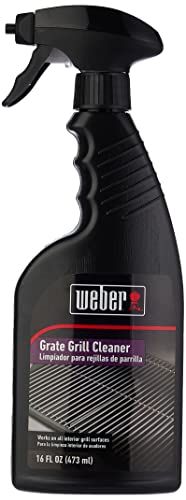


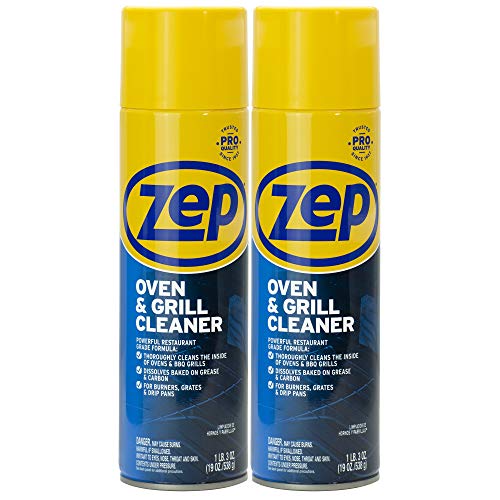


Types of Cleaners Compared
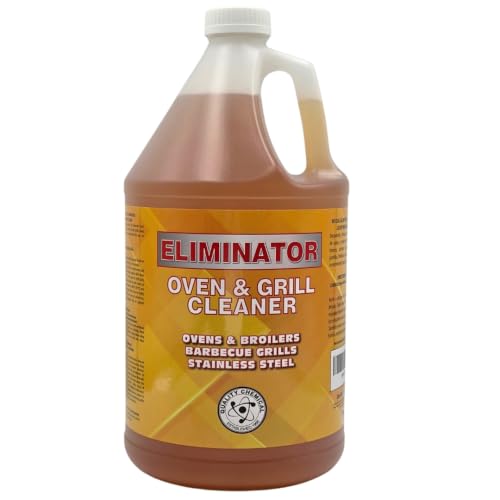
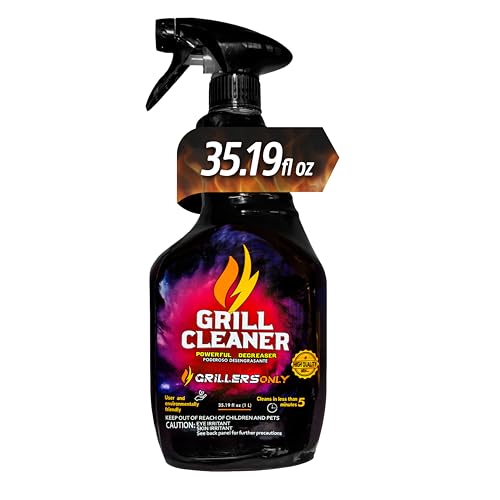
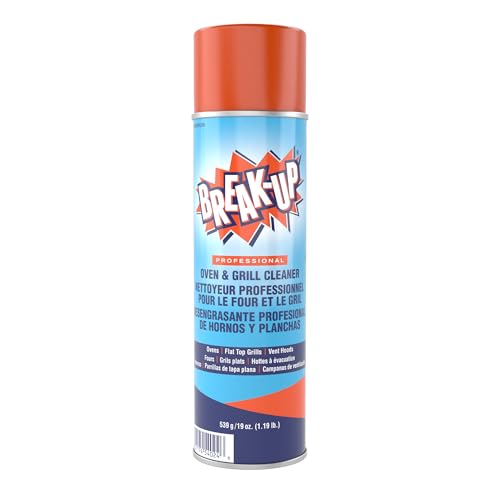
Cleaner types differ less in shelf claims than in chemistry and format, and the best cleaner for bbq grills in one yard may be the wrong strength in the next. Heavy duty formulas attack old carbon, natural options trade raw strength for gentler ingredients, everyday sprays handle routine grease, and concentrates stretch a single bottle across a whole season. The table sums up the trade offs, and the sections below explain who should buy each type and where each one falls short.
| Type | Best For | Pros | Cons | Typical Price |
|---|---|---|---|---|
| Heavy duty formula | Baked on carbon and old grease | Softens thick soil with less scrubbing | Harsh on some coatings, needs careful rinsing | about $10 to $18 |
| Natural and eco friendly | Light soil and frequent cleaning | Gentler ingredients, mild scent | Slow on old carbon, may need repeat applications | about $8 to $15 |
| Everyday spray | Weekly wipe downs after cooking | Fast, ready to use, no mixing | Higher cost per use, small bottles run out | about $5 to $10 |
| Concentrate and refill | Large grills and frequent deep cleans | Lowest cost per use, less packaging waste | Needs dilution and a refillable spray bottle | about $12 to $25 |
Heavy Duty Formulas
Heavy duty formulas use strong alkaline ingredients to break down grease that heat has hardened onto metal. You apply the product, give it dwell time to soften the layer, and then scrub away soil that a mild cleaner would barely touch. They suit neglected grills, end of season deep cleans, and grates that have not been cleaned in months. The trade offs are real: wear gloves, keep the area ventilated, and rinse food contact surfaces with care before cooking again.
On painted or coated parts, try a hidden patch first, because strong formulas can dull some finishes.
Natural and Eco Friendly Options
Natural and eco friendly cleaners rely on plant based surfactants and mild acids to lift grease rather than dissolve it. They shine on fresh soil and routine care, where a short dwell and a stiff brush finish the job without strong fumes. Many are fragrance free or lightly scented, which suits households that cook for children or simply dislike chemical smells near food.
Their limit is old carbon: a black crust built up over a season may need several applications, and even then the result can lag behind a heavy duty formula. Buy this type for weekly habits, not for rescue work.
Everyday Cleaners
Everyday cleaners are the ready to use sprays and wipes that live beside the grill and come out after ordinary cooking sessions. Their strength sits in the middle: enough to cut fresh grease and sauce splatter, mild enough for frequent use on most surfaces. The appeal is speed, since there is nothing to mix and no long dwell to wait through.
The cost is convenience priced per use, because small bottles empty quickly on a large grill. Treat this type as your maintenance player, and keep a stronger option in reserve for the deep cleans it cannot handle.
Concentrates and Refills
Concentrates sell you the active ingredients in a compact bottle and let you add the water yourself. Diluted in a refillable spray bottle at the ratio on the label, one purchase can cover a full season of cleaning for a fraction of the per use cost of ready sprays. Accuracy matters here: mix too weak and the cleaner fails on grease, mix too strong and you waste product and leave more residue to rinse.
Mark the dilution on the bottle so the mix stays consistent. This type rewards organized owners who clean often and hate running back to the store.
Heavy Duty or Natural: How the Two Extremes Compare
Most buyers end up choosing between the strongest type and the gentlest one, so it helps to compare them on the points that actually decide the job. On raw soil strength, heavy duty formulas win clearly, softening carbon that natural products only loosen at the edges. On surface safety the order reverses, since natural formulas are far less likely to dull paint, coatings or polished metal. Residue also differs: strong degreasers demand thorough rinsing before food returns, while natural options rinse away with less effort and less worry.
Scent and cost split the pair as well. Heavy duty products often carry a sharp chemical smell during use, whereas natural options stay mild or fragrance free. Per bottle, prices overlap, but heavy duty formulas usually cost less per deep clean because they finish in one pass. The practical answer for many households is both: a natural or everyday cleaner for the routine weeks, and one heavy duty bottle kept for the single hard clean each season.
How to Choose the Right Cleaner
Type is only the first filter. The four checks below separate a good buy from a wasted one, whatever shelf you end up shopping.
Start With the Soil You Actually Have
Grill soil falls into three rough classes. Fresh grease is hours old, still soft, and wipes or brushes away with almost any cleaner. Baked on carbon is the black, hard layer that builds up over months of heat cycles, and it needs dwell time and real strength. Exterior grime is the film of dust, pollen and grease mist that coats lids and side shelves, and it responds to mild products.
One honest limit applies to every type: a cleaner removes soil and grease, but it does not restore metal that rust has pitted or heat has burned through.
Ingredients and Safety
Start every cleaning session with a cool grill and the fuel supply off, because cleaner never goes on a hot grill. Keep sprays and gels away from open flames and pilot lights while you work, and treat gloves as ordinary practice with any degreasing formula. Read the ingredient panel before the marketing panel: recognized label programs such as EPA Safer Choice signal that a formula was screened against a published standard. Never mix bleach with ammonia or acids, and give any strong product ventilation, even outdoors on a still day.
What BBQ Grills Ask From a Cleaner
A bbq grill is a harder cleaning job than a stovetop because its surfaces cycle between high heat and outdoor weather. Grease near the burners bakes on in layers, while lids and shelves collect weather grime between cooks. Pellet models add ash and a burn pot to the routine, and our guide to the best pellet bbq grills explains how that design changes upkeep. Gas models add burner tubes and a grease tray, as shown in our guide to the best bbq grills propane.
If you are still comparing grill designs themselves, start with our guide to the best bbq grills.
Scent and Fragrance Free Options
Scent is a small detail that looms large next to food. Strongly perfumed formulas can leave a smell on grates that transfers to the next cook if rinsing is rushed, so fragrance free products are the safer default for cooking surfaces. On lids and shelves, scent matters only as personal preference. Buyers with scent sensitivity should also weigh fumes during application, since even a mild product can bother sensitive noses in a still yard.
When in doubt, choose fragrance free for the grates and save scented options for exterior panels.
Best Cleaners for Specific Needs
Some needs cut across the four types. The clearest example is the degreaser, a formula family defined by one job. For a broader checklist that scores cleaners by surface and strength instead, see our guide to the best cleaners for grills.
Best Degreaser Cleaner for BBQ Grills
A degreaser differs from a general cleaner in focus: every ingredient serves the single task of breaking down grease, fresh or baked on. Judge one by dwell time first, since a degreaser that needs fifteen minutes of contact will outclean a stronger spray that dries in two. Choose a gel for vertical surfaces like firebox walls, where it clings instead of running off, and a spray for grates you can lay flat. After degreasing any food contact surface, rinse it thoroughly and heat the grill empty for several minutes before food goes back on, so no residue meets the next meal.
Brushes and Scrapers: The Tools Beside the Bottle
Chemistry loosens soil, but tools remove it, and a cleaner paired with the wrong tool looks weaker than it is. Brush and scraper classes are the neighboring purchase to plan alongside the bottle. Brass bristle brushes are the gentle option for coated grates, stainless bristles suit bare steel and cast iron, nylon brushes belong only on fully cool grates, and coil brushes avoid bristles altogether. Wooden scrapers slowly carve grooves that match your grate pattern, while flat metal scrapers clear firebox floors and grease trays.
Whichever brush you own, inspect it before each deep clean and replace it once bristles start to loosen, because a worn brush can leave bristles behind on the grate.
How to Make Your Cleaner Last Longer
Storage and habits decide how far a bottle goes. Keep cleaners capped tightly, stored upright, and out of heat and freezing swings, since temperature abuse weakens many formulas. Read the label before the first use and try the product on a small hidden area, which protects both the finish and your supply of the right strength. Use the mildest type that handles the soil in front of you, so the heavy duty bottle is still full when carbon season arrives.
A quick brush and scrape while the grill cools after cooking also stretches every bottle, because fresh grease removed early never becomes the carbon that drinks up cleaner later.
Questions Answered About BBQ Grill Cleaners
Can a BBQ grill cleaner be sprayed on a hot grill?
No. Spraying cleaner on a hot grill flashes liquid to steam, can push chemical mist toward your face, and risks flaring residue sitting on burners or coals. Wait until the grates are cool enough that you can hold a hand just above the surface without pulling back, which usually means at least an hour after cooking ends. A cool grill also gives the formula its full dwell time, so patience makes the cleaner work better, not just safer.
How often should a BBQ grill get a deep clean?
For a grill used weekly, plan a deep clean about once a month during the cooking season and once more before storage. Light brush work after ordinary sessions stretches that gap, because fresh grease never gets the heat cycles that turn it into carbon. Grills used daily or mostly for fatty foods may need a deep clean every two weeks instead. The grease tray fills faster than the grates show soil, so check and empty it at every deep clean.
Do natural cleaners remove baked on carbon from grill grates?
Natural cleaners soften fresh and medium soil well, but old carbon is their weak point. Expect two or three applications with long dwell times, and try covering the treated grate with a damp cloth so the product stays wet while it works. Even then, a thick black crust may only loosen at the edges during the first session. Many owners use a natural formula for routine care and keep one heavy duty bottle for the single deep clean each season.
How much cleaner does one deep clean of a BBQ grill use?
A standard spray bottle of about 16 to 24 ounces usually covers two to four full deep cleans of a midsize grill, depending on how much also goes on the lid and shelves. Concentrates stretch much further, since a few ounces diluted in water fill a whole spray bottle. Count cost per clean rather than bottle price when you compare. A larger concentrate that lasts a season often costs less per use than small ready to use sprays bought one at a time.
Which cleaning chemicals should never be mixed together?
Never mix bleach with ammonia or with acids such as vinegar, because those combinations release gases that can seriously harm your lungs. The same caution applies to blending two grill cleaners together to make a stronger mix, since overlapping chemicals can react, damage finishes, or leave worse residue behind. Use one product at a time instead. Rinse the surface with plain water before switching to another product, and let the grill dry in between.
The Bottom Line
Match the cleaner to the soil first, the surface second, and your tolerance for strong chemicals third. Heavy duty formulas earn their place on neglected grills, natural and everyday options handle the routine weeks, and concentrates reward anyone who cleans often. Keep a brush and scraper in the same kit, because tools and chemistry share the work on every clean.
Whichever type you choose, work on a cool grill, rinse food contact surfaces with care, and check the details against the product table above. The best cleaner for bbq grills is simply the one whose strengths line up with the mess you actually make.