
Best Barbecue Grills for 2026: Matching the Right Model to Your Routine
Disclosure: We may earn a commission when you buy through links on this page, at no extra cost to you. As an Amazon Associate I earn from qualifying purchases. Learn more

The best barbecue grills fit your routine: pick fuel, size, and heat control for easy weeknight meals and weekend smoking.
No single grill suits every cook, because weeknight burgers, slow smoked brisket, and small balcony meals ask for very different strengths. The best barbecue grills for your home are the ones that match how often you cook, how much space you have, and how much cleanup you will accept. The product table gives a quick overview before the detailed guide that follows.
This guide groups grills by real routines rather than by specs alone, then explains fuel types, heat control, size, and care in plain terms. By the end you should know which fuel and size fit your cooking style, which features deserve extra money, and which extras you can safely skip.
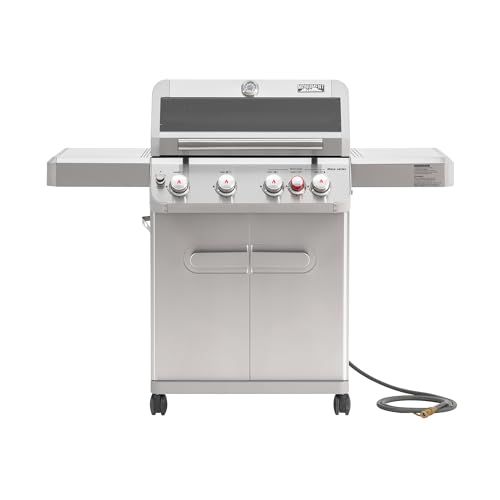


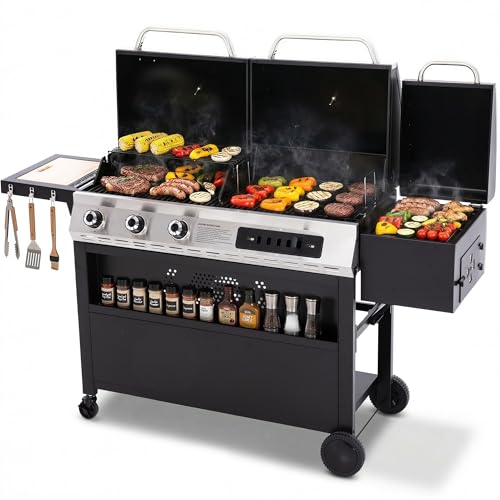


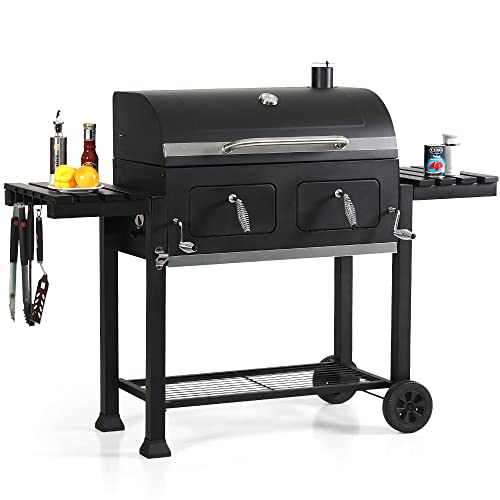
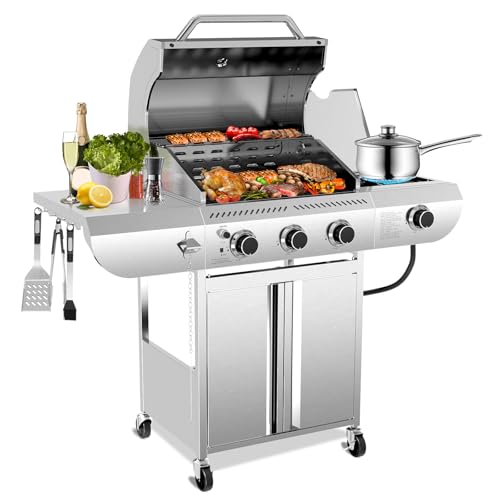
Who Should Buy Which of the Best Barbecue Grills?
Your routine decides the grill more than any single spec. A cook who grills twice a week needs fast heat and easy cleanup, while a weekend smoker needs steady low heat and a large cooking area. Start from your habits, then match fuel and size to them.
For Weekend Beginners
Weekend beginners benefit from simple controls, forgiving heat, and a sturdy build that does not demand constant attention. Gas and pellet models often suit this group, since they light easily and hold temperature with little fuss. Look for clear temperature gauges, easy ignition, and grates that clean with a brush while warm.
For Bad Weather and Tough Conditions
Cooks in windy, rainy, or coastal areas need thick metal, tight lids, and rust resistant finishes that hold up outdoors year round. Heavy lids keep heat steady when wind gusts try to cool the fire, and good seals prevent flare ups from sudden gusts. Stainless steel and porcelain coated parts resist rust better than thin painted metal.
For Frequent or Serious Users
Frequent cooks should spend more on build quality, heat range, and warranty, since a grill used several times a week wears faster than an occasional one. Look for thick grates, solid burners, and a frame that does not wobble when you open a heavy lid. A wide temperature range matters too, from a hot sear to low and slow cooking near 225 degrees Fahrenheit.
For Small Spaces and Easy Storage
Small space cooks need a compact footprint, folding shelves or legs, and a weight they can move without help. Tabletop and compact cart models fit balconies and small patios, though you must still follow local rules and maker guidance on clearance and ventilation. Measure the storage spot before buying, including lid height when open.
Grills for Specific Needs
Some routines need a grill built around one clear priority, such as long smoking sessions, high heat searing, or a luxury outdoor kitchen feel. Narrowing that priority first prevents paying for features that never improve your meals.
Best Luxury Barbecue Grills: What to Prioritize
Best luxury barbecue grills differ mainly in materials, heat control, and warranty, not in flashy extras. Thick stainless steel bodies hold heat evenly, resist rust, and feel solid for years, while precise burners and good insulation give steady temperatures across the grate. Look for a long warranty on burners and body, plus parts that a local service shop can supply.
Luxury models also tend to offer larger cooking areas, rotisserie mounts, and side burners, but buy those only if your routine uses them. A luxury grill that sits unused because it feels too large or complex wastes its premium. For outdoor use, see our guide to best outdoor barbecue grills for weather and placement guidance that applies at any price.
Key Features to Compare
Compare features of the best barbecue grills by how they change a real cook, not by how impressive they sound in a list. Fuel cost, cleanup, assembly, heat range, and fuel type together decide whether a grill feels easy or becomes a chore.
Fuel Cost and Availability
Fuel cost per cook varies by type and local prices, so estimate it before you buy. Propane refills cost more per cook than charcoal for short grilling, while pellet fuel adds up on long smoking sessions. Charcoal costs depend on bag size and how much you use per cook, and electric models add a small amount to a power bill.
Ash, Grease Management, and Cleanup
Cleanup decides whether you grill often or avoid it, so study the ash and grease systems closely. Charcoal models need an ash catcher that slides out without scattering ash, while gas and pellet models need a grease tray you can reach and empty safely. A tray that requires tipping the grill or removing hot parts will discourage regular cleaning.
Assembly and Warranty
Assembly time ranges from under an hour for compact models to several hours for large cart grills with many parts. Check whether assembly needs two people, since heavy lids and frames can be awkward alone. Some sellers offer assembly for a fee, which may be worth it for a large model.
Heat Output and Temperature Range
Heat output, often listed in BTU, tells only part of the story, since insulation, grate distance, and lid seal shape real cooking heat. A high BTU rating with a leaky lid can cook less evenly than a modest burner in a well sealed body. Look for even heat across the grate, which you can check with a simple bread or thermometer check on a first cook.
Temperature range matters for cooks who both sear steaks and smoke low and slow. A grill that holds near 225 degrees Fahrenheit steadily for hours suits smoking, while one that reaches high heat quickly suits searing. If you cook both ways, a model with separate zones or adjustable burners gives more control than a single burner design.
Fuel Type (Gas, Charcoal, Pellet, Electric)
Gas grills light fast, control heat easily, and suit weeknight cooking, though some cooks miss charcoal flavor. Charcoal grills give strong smoky flavor and high searing heat, but they need more time to light, more cleanup, and more attention to airflow. Pellet grills automate temperature control and add wood flavor, but they need power, pellet storage, and regular cleaning of the hopper and fire pot.
Electric grills suit balconies and places where open flame is restricted, and they heat steadily with little smoke, though they rarely reach charcoal searing heat. For indoor options, see our guide to best indoor barbecue grills for ventilation and clearance rules that apply indoors. For electric models, see our guide to best electric barbecue grills for power and heat limits to expect.
Common Mistakes to Avoid When Buying Barbecue Grills
- Judging by price alone, without checking fuel cost, warranty, and build quality over several seasons.
- Buying a grill far larger than your usual meals, which wastes fuel and makes cleanup feel like a chore.
- Ignoring grease and ash systems, which decide whether regular cleaning feels quick or messy.
- Skipping a check of local rules, balcony limits, and clearance needs before a large grill arrives.
- Overlooking assembly time and help needed, especially for heavy cart models with many parts.
Care and Maintenance Tips
Preheat for 10 to 15 minutes before cooking so food sears evenly and sticks less to the grate. Clean grates while warm with a brush, then oil lightly if your grate type calls for it, since a clean grate also reduces flare ups. Cover the grill after it cools fully, and check for rust at joints, legs, and fasteners each season.
Empty ash and grease regularly, and never leave a hot grill unattended, since wind and grease can turn a small flare into a larger fire. Store fuel safely away from heat and children, and keep charcoal dry so it lights reliably. Check hoses, regulators, and burners on gas models each season, and replace worn parts before they leak or fail.
Use your grill outdoors only unless the maker clearly rates it for indoor use, and follow local rules for balconies and shared spaces. Keep children and pets away from hot surfaces, and keep a safe distance from walls, railings, and flammable materials. With steady care, a well built grill can serve for many seasons.
Barbecue Grills: Your Questions Answered
How long should a good barbecue grill last?
A good barbecue grill should last about five to ten years of regular home use, with build quality and care deciding where it falls in that range. Thick metal bodies, solid burners, and rust resistant finishes last longer than thin painted parts exposed to rain. Regular cleaning, a cover, and dry storage extend life noticeably, while grease buildup and rust at joints shorten it. Replace a grill when burners fail repeatedly, the body rusts through, or repair costs approach half the price of a new model.
Can I use a barbecue grill on a balcony?
You can use a barbecue grill on a balcony only if local rules, building rules, and maker guidance all allow it for that grill type. Many buildings ban open flame grills on balconies, while some allow electric models with strict clearance rules. Check your lease, local fire rules, and the maker manual before buying, since a grill that cannot legally sit on your balcony wastes money. Even where allowed, keep clearance from railings and walls, never leave it unattended, and store fuel safely.
How big of a barbecue grill do I need?
Choose grill size from your usual guest count and the largest meal you cook, not from the biggest model that fits your patio. A cooking area near 400 square inches suits most families of four, while frequent hosts may want 500 square inches or more. Larger grills waste fuel on small meals and take longer to preheat, so buy extra area only if you use it often. Measure the patio and storage spot too, including lid height when open and room to move safely around a hot grill.
What type of barbecue grill gives the best flavor?
Charcoal grills usually give the strongest smoky flavor, since burning charcoal and wood add compounds that gas alone does not produce. Pellet grills add wood flavor with steadier temperature control, though the smoke taste runs milder than a charcoal fire. Gas grills give clean flavor and precise heat, which suits cooks who prize control over smoke. Flavor also depends on meat quality, seasoning, and cooking skill, so fuel type alone never guarantees a better meal.
Is a pellet grill worth it?
A pellet grill is worth it if you want wood flavor with steady temperature control and you cook low and slow often. It holds low temperatures for hours with little attention, which suits smoking ribs, brisket, and pork shoulder. The tradeoff is higher fuel cost, a need for power, and regular cleaning of the hopper, fire pot, and grease system. If you mainly grill burgers and steaks quickly, a gas or charcoal model may give similar results for less money and upkeep.
How often should I clean my barbecue grill?
Clean your barbecue grill grates after every cook while they are still warm, since food residue hardens as it cools and becomes harder to remove. Empty grease trays and ash catchers regularly, at least every few cooks, to prevent flare ups and stale odors. Deep clean the interior, burners, and drip system every few months or after heavy smoking sessions. A cover between cooks keeps dust and rain off the grill, which reduces deep cleaning needs over a season.
The Bottom Line
Match fuel, size, and heat control to your routine first, then weigh build quality and warranty against price. Weeknight cooks need fast heat and easy cleanup, while weekend smokers need steady low heat and a larger cooking area. Small space cooks need compact size and safe placement above all.
When those needs are clear, the best barbecue grills become easier to compare without getting lost in specs. Check the product table, confirm local rules and clearance, and choose the grill you will actually enjoy using week after week.


