The Best Closed Toe Sandals for Work: A Buying Guide for 2026
Disclosure: We may earn a commission when you buy through links on this page, at no extra cost to you. As an Amazon Associate I earn from qualifying purchases. Learn more

Workers on hard floors need the best closed toe sandals for work: this guide covers fit, support, slip resistant soles and materials for a full shift.
Many workplaces ask for covered toes but still leave you hot, sore, and tired by midday in regular shoes. The right best closed toe sandals for work pair gives you toe protection, airflow, and steady support through a full shift. This guide explains what actually matters for work use, from sole grip on smooth floors to a toe box that leaves room at the end of a long day.
Use the comparison table below to spot the basic shape, closure, and price range of each option, then read on for the details that decide comfort. A sandal that looks fine in a photo can still fail at work if the straps rub or the sole slips on tile.


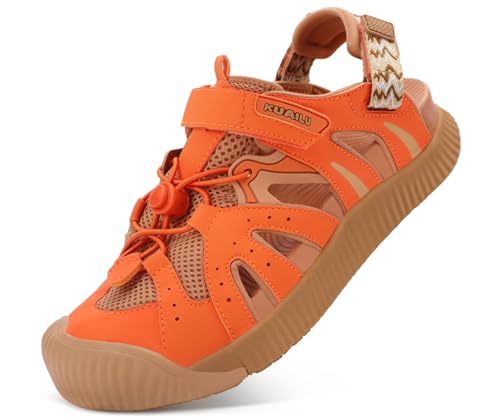
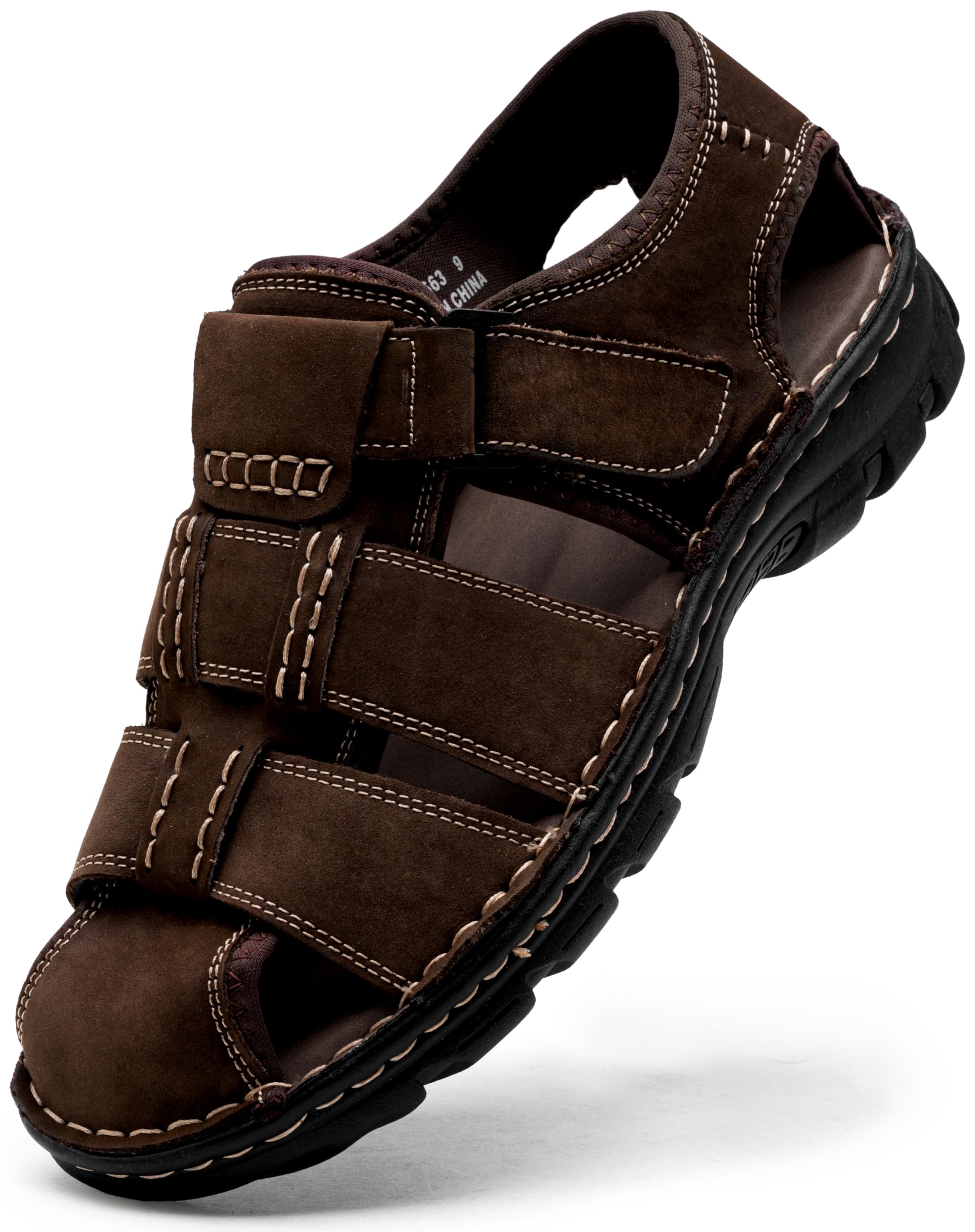
Price Tiers at a Glance
Price alone does not tell you how a sandal will hold up at work, but tiers do follow a pattern. Use these ranges as a starting filter, then judge fit and sole design before you spend more.
Entry Tier, Around $40 to $70
Entry tier work sandals usually have a molded footbed, a simple strap or enclosed upper, and a synthetic sole made for light duty. They can suit short shifts, mostly seated jobs, or a backup pair kept at work. Expect thinner cushioning that packs down sooner. If you stand on hard floors most of the day, this tier often feels flat after a few weeks, so check the return window before you commit.
Mid Tier, Around $70 to $120
Mid tier pairs are the sweet spot for most workers. You usually get a shaped footbed with real arch support, a firmer midsole that resists packing down, and an outsole made for grip. Uppers tend to use better leather or sturdier woven fabric, and closures allow finer adjustment. For teachers, retail staff, and clinic workers who move between standing and walking, this tier balances comfort, durability, and cost well.
Premium Tier, Around $120 to $180
Premium work sandals focus on lasting structure. The footbed holds its shape longer, the midsole blends cushioning with stability, and the uppers resist scuffs and stretching. You may also find wider size ranges, replaceable insoles, and soles that grip wet entryways more securely.
This tier makes sense if you work five long shifts a week or want one pair to last several seasons. The trade off is weight and cost, and a stiff pair can need a longer break in period.
How to Choose Work Sandals: A Buying Guide
Work use is harder on sandals than casual wear. You repeat the same movements, stand on the same hard surfaces, and often cannot sit down when your feet start to ache. The points below help you match a pair to your actual job.
Features That Matter for Work
Start with your dress code and safety rules. Some employers require a fully enclosed toe and a heel strap, while others accept a covered toe with an open heel. Toe coverage guards against dropped items, cart wheels, and stubbing on shelving, so look for a bumper that extends slightly past your longest toe.
A secure closure matters just as much, because a sandal that shifts as you walk forces your toes to grip and tires your feet. Finally, check sole grip for your floor type, since polished tile, sealed concrete, and kitchen floors each behave differently when wet.
Fit, Sizing, and Toe Box
Measure your feet late in the day, when they are at their largest, and match the longer foot to the size chart for that specific style. You want about a thumb width of space beyond your longest toe and enough width that the forefoot does not spill over the footbed edge. The heel should sit inside the heel cup without hanging off the back. If you are between sizes, a style with an adjustable forefoot strap usually works better than sizing up, because extra length in front can catch on steps and floor edges.
Last shapes also differ between brands, and some run narrow even in a medium width. Households comparing pairs may also want to see our guide to the best men's closed toe sandals for notes on wider lasts. Whatever style you choose, walk on a hard floor at home for twenty minutes before your first shift, and watch for heel slip and toes that drift forward as you stop.
Outsole Traction and Terrain
For indoor work, a flatter tread with many small contact points usually grips smooth floors better than deep lugs, which are made for dirt. Look for a rubber compound described as slip resistant and a tread that channels water away from the contact area, because a thin film of water on tile is a common cause of slips. Flex the shoe in your hands as well. A sole that bends only at the forefoot, and resists twisting through the middle, will feel steadier during long periods of standing and turning.
Outdoor jobs are different. If your shift includes gravel lots, wet grass, or uneven loading areas, deeper tread and a more protective toe bumper help. For fully outdoor terrain rather than workplace floors, see our guide to the best closed toe hiking sandals for tread patterns built for trails. A trail sole on polished concrete can feel clunky, so match the sole to the surface you stand on most.
Cushioning and Support
Cushioning should absorb impact without feeling unstable. A very soft footbed feels kind at first, but if your heel sinks and rolls, your ankles and knees do extra work all shift. Most workers do well with a firm base layer, a moderate top layer, and a heel to toe drop of about 4 to 8 mm, which keeps the calf from straining.
Arch support should meet your arch without pushing into it. If you use custom orthotics, choose a style with a removable insole and enough depth that your heel still sits securely.
Think about your movement pattern too. If your job is mostly standing in one place, pressure spreads best on a broad, stable footbed with a slight rocker at the front. If you walk constantly, lighter cushioning and a flexible forefoot reduce fatigue. Readers whose walking happens off the clock may also like our guide to the best closed toe sandals for walking for distance focused fit advice.
Durability and Expected Lifespan
A work sandal worn daily lives a hard life. Stitching at strap anchor points, the bond between upper and midsole, and outsole thickness are where wear shows first. With daily use, many pairs stay supportive for about eight to fourteen months before the midsole packs down, even if the upper still looks fine.
Rotate two pairs if you can, because a rest day lets the cushioning recover. Replace a pair when the tread is smooth under the heel or the footbed feels flat.
Upper Materials and Breathability
Leather uppers mold to your foot, resist scuffs, and suit smarter dress codes, but they dry slowly and need conditioning. Woven fabric and mesh panels breathe better in hot kitchens and warehouses, though they offer less protection against spills. Knit uppers feel soft right away and stretch over bunions, yet they can stretch too much and let the foot slide. For most work settings, a mixed upper works well, with solid panels over the toes for structure and lighter panels at the sides for airflow.
Types of Closed Toe Sandals
Within the work category, a few broad styles cover most jobs. If you are still comparing the wider family of styles, our guide to the best closed toe sandals gives a useful overview before you narrow down to work use.
Neutral Cushioned Sandals
Neutral styles use an even footbed without strong motion control, and they suit feet that roll neither inward nor outward in an obvious way. They feel flexible and natural for mixed standing and walking. The downside is less guidance for tired feet late in a shift, so people with flat feet may prefer a more shaped footbed.
Water Resistant Sandals
Water resistant styles use coated uppers and sealed seams to shed splashes from mopping, dish areas, or rainy walks between buildings. They protect against light wet work but breathe less, and standing water can still enter through strap openings. They suit janitorial, food service, and garden center roles. If your job is dry, skip this feature, because the extra coating adds warmth and cost without giving you anything back during a normal shift.
Lightweight Sandals
Lightweight styles trim the sole and upper so each step costs less effort, which matters when you take thousands of steps per shift. They pack easily as a spare pair and feel kind to tired legs. The trade off is thinner protection underfoot and a shorter lifespan on rough surfaces. They fit best for light duty roles and workers who change footwear during the day.
Choosing Closed Toe Sandals for Your Situation
Best Closed Toe Sandals for Work Women
When you shop for best closed toe sandals for work women styles, look beyond color ranges. Many women specific lasts have a narrower heel and a higher instep fit, which can stop the heel slip that a scaled down unisex style often causes. Check that the toe box still gives width at the forefoot, since a tapered fashion shape defeats the purpose of a work sandal.
Adjustable straps at both the forefoot and heel help most. For a fuller comparison of women specific fits, see our guide to the best closed toe sandals for women before you order.
Care and Maintenance Tips
- Rotate two pairs. Alternating days lets cushioning rebound and linings dry, which extends the life of both pairs and reduces odor.
- Air dry away from heat. After a wet shift, stuff the sandals with plain paper and dry them at room temperature, because direct heat can crack leather and warp molded footbeds.
- Clean the footbed weekly. A soft brush and mild soap lift the sweat and dust film that makes footbeds slippery and shortens their grip on your foot.
- Check straps and stitching monthly. Catching a loose anchor point early lets a cobbler restitch it before the strap tears out during a shift.
- Refresh grip awareness. Once the tread under the heel looks smooth, treat the pair as house shoes only, since worn soles are a slip risk at work.
Closed Toe Sandals: Your Questions Answered
What features matter most in closed toe sandals for work?
Secure fit, sole grip, and shaped support matter most. A covered toe that extends past your longest toe guards against bumps, while a heel strap or enclosed heel keeps the sandal from sliding as you stop and turn. Also confirm your employer accepts sandals at all, since some sites require full shoes for insurance reasons even when the toe is covered.
How long is the break in period for work sandals?
Most work sandals settle in within three to five shifts. Leather uppers and firm footbeds take the longest, while knit and soft synthetic styles feel right sooner. Wear a new pair for short errands first, and add an hour a day. Sharp pain, numb toes, or blisters that return in the same spot signal a fit problem rather than a break in stage, so exchange sizes instead of pushing through.
Can I wear closed toe sandals for work all day?
Yes, if the pair matches your floor time and foot shape. Workers who stand in one place often need more structure than walkers, and a mid shift sock change can refresh comfort in hot settings. Build up over a week if you are switching from supportive shoes. If pain in the arch or heel grows across the week rather than easing, the footbed shape is likely wrong for you, whatever the size.
Are expensive closed toe sandals worth it?
They can be, when the extra cost buys a longer lasting midsole and better sole rubber. For daily wear, a premium pair that stays supportive for a year often costs less per shift than two cheap pairs that go flat. For occasional or seasonal work, the mid tier usually gives the same practical comfort. Spend first on fit and grip, and let brand extras come last in your decision.
How should closed toe sandals fit?
They should fit with room to wiggle your toes, a heel that stays in the cup, and straps that hold without pinching. Your forefoot should rest fully on the footbed with no overhang at the sides. Try them at the end of the day with the socks you plan to wear, if any. A useful check is a brisk walk and a sudden stop, because a sandal that slides forward on stopping will bother you all shift.
Do I need waterproof shoes for work?
You need full waterproofing only if your feet get wet often, such as dish pits, car wash bays, or outdoor work in steady rain. For occasional splashes, a water resistant upper and a quick drying lining are enough and will breathe better. Note that sandals can never seal fully at the strap openings, so roles with standing water or chemical washdowns call for proper boots instead, for both safety and hygiene.
Our Verdict
Start with your floor surface, your dress code, and how many hours you truly spend on your feet. Fit the toe box and heel first, then compare support and sole grip, and only then look at price tiers in the product table above. Chosen that way, the best closed toe sandals for work pair for you will feel steady in the morning and still kind at the end of your shift.