
The Best Close Focus Binoculars: Buying Guide and Top Picks for 2026
Disclosure: We may earn a commission when you buy through links on this page, at no extra cost to you. As an Amazon Associate I earn from qualifying purchases. Learn more

Compare the best close focus binoculars by minimum focus distance, magnification, field of view, and eye relief to find a pair that fits your budget.
Most binoculars are built for distance, so they go blurry just when a butterfly lands a few feet away. The best close focus binoculars solve that problem by focusing down to a few feet, which turns a normal walk into a close look at wing patterns, bees working a flower, or carving details on a museum artifact. That one spec changes what you can observe, and it is easy to overlook when listings lead with magnification.
This guide explains the numbers that actually matter at short range. The comparison table below gathers the headline specs in one place, and the sections after it show you how to read those specs for your own subjects and habits.

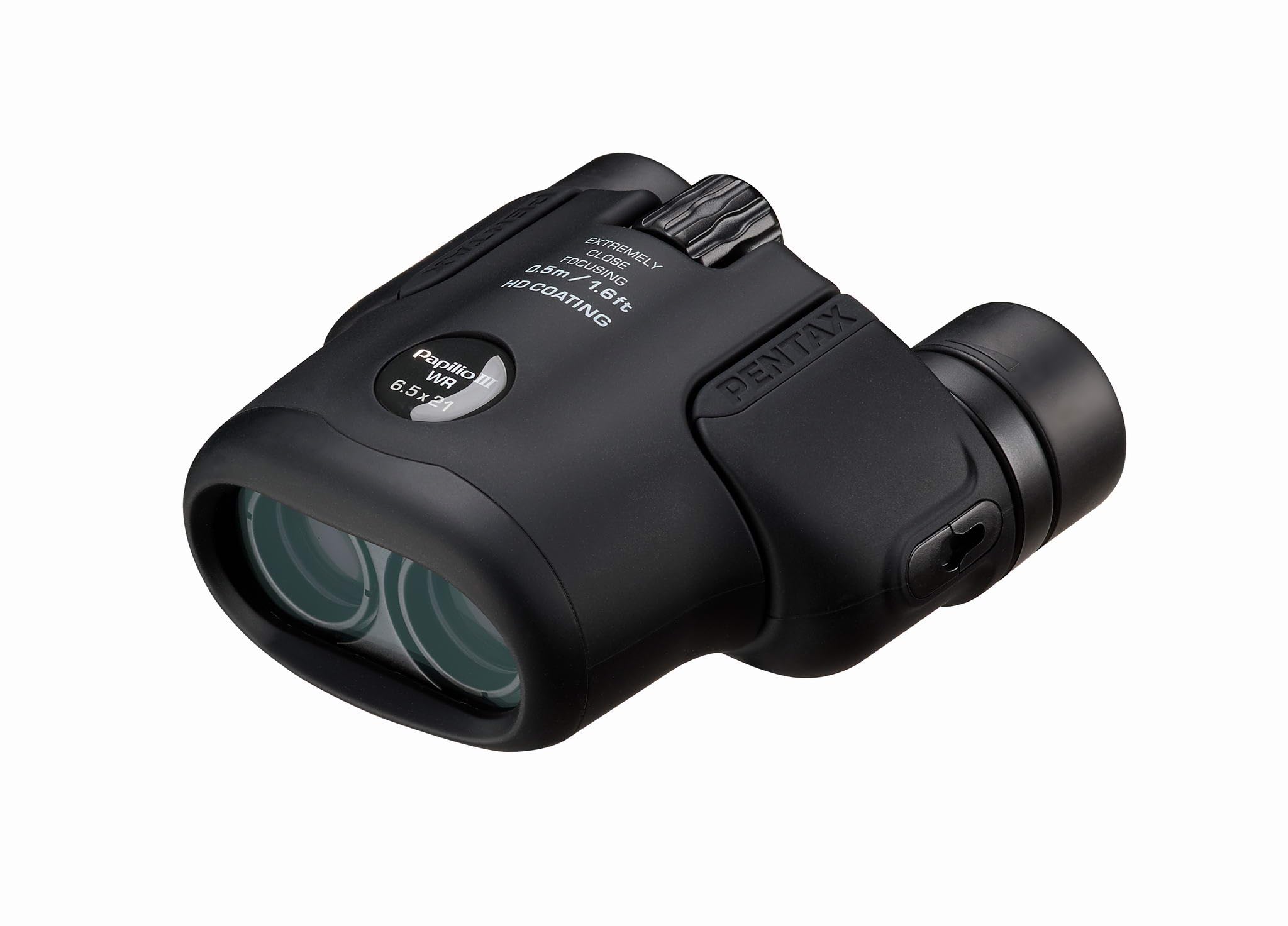
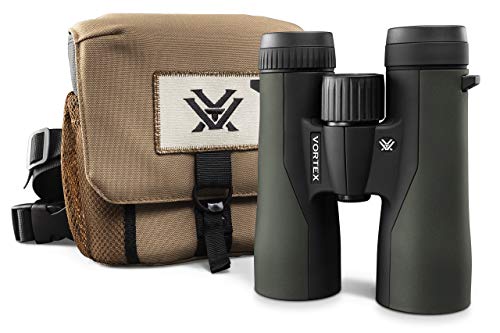

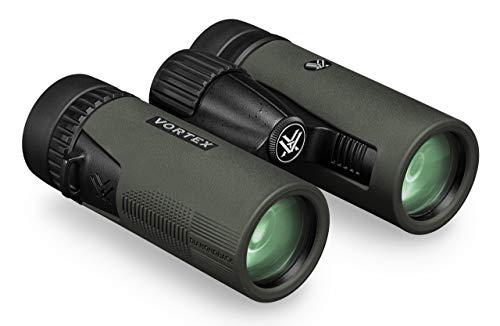


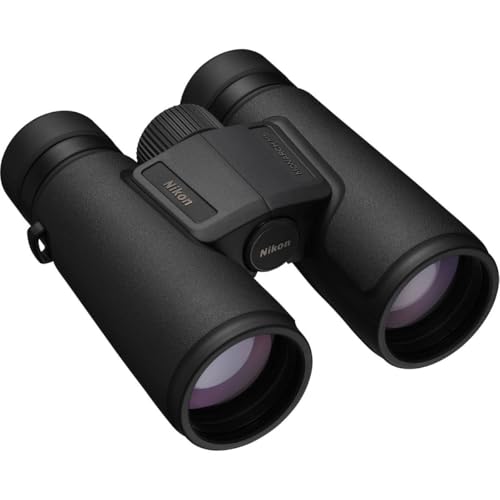
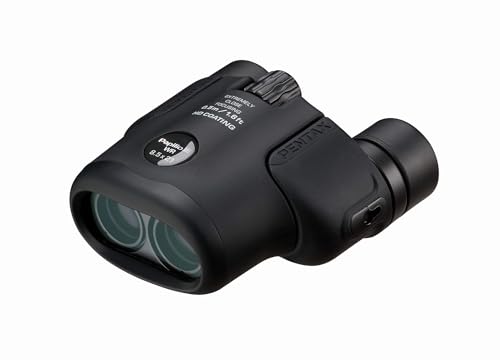
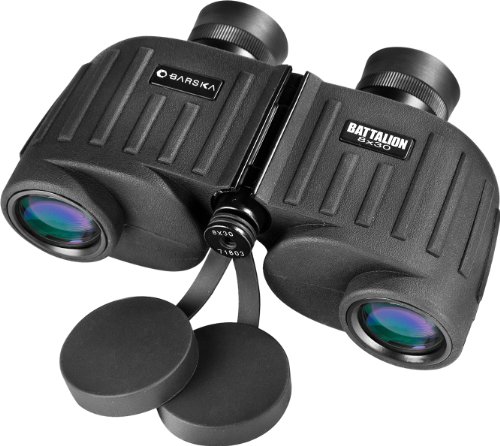
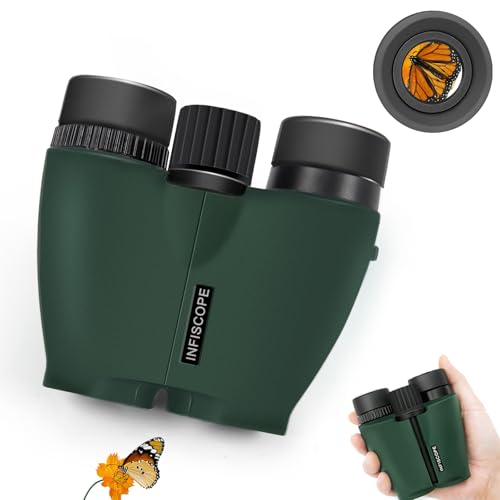
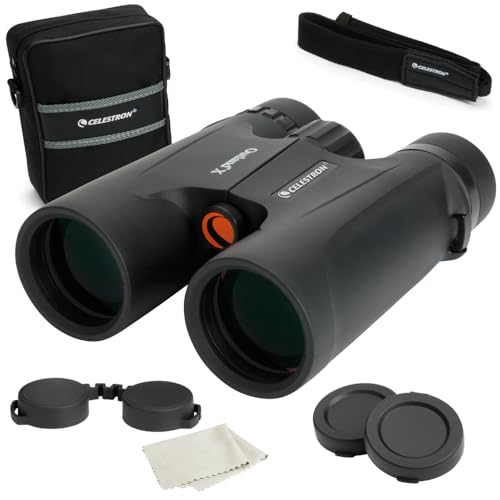
Who Should Buy Binoculars That Focus Up Close?
A short minimum focus distance is not a niche extra. It suits anyone whose subjects regularly sit inside the limits of ordinary binoculars, which often stop focusing at 10 feet or more.
Butterfly and Dragonfly Watchers
Insects reward patience, but they punish anyone who steps too close. A pair that focuses at 5 feet or less lets you study wing scales, eye structure, and body markings from a distance that does not startle your subject. Light weight matters almost as much as focus distance here, because you will raise and lower the binoculars dozens of times on a single outing.
Gardeners and Plant Observers
Gardeners use close focus to inspect pollinators, check leaf damage, and enjoy flower structure without picking blooms or trampling beds. A focus distance around 4 to 6 feet lets you stand on a path and examine a plant at the back of a border. The same setup works well with children, since a magnified look at a ladybug holds attention far longer than a quick glance.
Birders Who Also Watch Near Subjects
Many birders discover close focus on the days when birds go quiet and butterflies take over. If your main interest is birds at a distance, see our guide to the best binoculars for birdwatching for the wider picture, then weigh how much near viewing you really do. A birder who visits wetlands and botanical gardens will use short focus range constantly.
Key Features to Compare
Spec sheets list dozens of numbers, but five or six decide how a pair performs at arm length distances and beyond. Shoppers comparing the best close focus binoculars should work through them in this order, because the first one defines the category and the rest decide comfort and image quality.
Minimum Focus Distance, the Defining Spec
This is the closest distance at which the binoculars can form a sharp image, measured from the subject to the front lenses. Ordinary models often stop at 8 to 12 feet, while designs built for near work reach 6 feet, 4 feet, or in specialty cases under 2 feet. Shorter is not automatically better, since extremely short focus usually comes with lower magnification or a smaller body. Match the number to your subjects: insects and flowers reward the shortest distances, while museum viewing works well around 5 to 6 feet.
Magnification and Objective Lens Size
The two numbers in a name like 8x42 describe magnification first and objective lens diameter in millimeters second. At close range, 6x, 7x, or 8x usually beats 10x, because lower magnification gives a wider view and a steadier image when your subject sits only a few feet away. Larger objective lenses gather more light, which helps at dawn and in woodland shade. A compact 8x32 gives up some brightness for a lighter carry, while an 8x42 stays easier to use as light fades.
Field of View at Short Range
Field of view tells you how wide a scene you see at a set distance, and it matters more up close than many buyers expect. A wide view makes it far easier to find a moving dragonfly in the frame and to keep it there as it shifts between stems. Narrow views feel tunnel like at short distances and slow you down every time you lift the binoculars. When you compare models, favor the wider figure once magnification is equal.
Focus Wheel Feel and Diopter Adjustment
Near subjects demand constant small corrections, so the center focus wheel should turn smoothly with no gritty spots or stiff patches. A wheel that moves too fast makes sharp focus at 4 feet hard to hold, while a slow, even wheel lets you creep onto the exact plane of an insect eye. The diopter dial, usually on one eyepiece, balances the two barrels for your two eyes, and it deserves one careful setup so the center wheel alone does the work afterward. If you prefer a design that needs no focusing at all, see our guide to the best auto focus binoculars to understand the close range precision you give up with that convenience.
Eye Relief and Eyecups for Glasses Wearers
Eye relief is the distance your eyes can sit behind the eyepieces while still seeing the whole view, and glasses wearers generally need about 14 mm or more. Eyecups that twist out in steps let you set that distance precisely, and they also shade stray light for people who do not wear glasses. At close range the full view matters even more, because a cropped circle makes tracking a small subject frustrating. Check that the eyecups stay put rather than collapsing when the binoculars hang from a strap.
Build, Sealing, and Weight
Garden and field use means dew, drizzle, dust, and the odd knock against a gate post. Sealed, weatherproof bodies shrug off morning moisture, and rubber armor softens bumps while improving grip with damp hands. Weight shapes how long you can hold a pair steady, since a heavy model that feels fine for a minute becomes tiring during a long butterfly count. Shoppers who want strong all round optics before narrowing by focus distance can see our guide to the best rated binoculars for broader context on build and glass quality.
Types of Close Focus Binoculars
Compact Models for Pockets and Day Bags
Compact binoculars in the 6x21 to 8x25 range slip into a jacket pocket and come along on walks where a full size pair would stay home. Their small objective lenses limit low light use, but at butterfly distances in daylight they perform beautifully. Many of the shortest focusing designs live in this group, which makes compacts the natural first stop if near subjects are your main goal.
Midsize Models for All Day Versatility
Midsize pairs around 8x32 balance brightness, weight, and handling better than any other group. They focus closely enough for garden and trail use while still serving well for birds and scenery, so one pair covers a whole day out. If you split your time between near and far subjects, this is usually the sensible middle path.
Full Size Models for Dim Light
Full size 8x42 and 10x42 models deliver the brightest image, which suits dawn surveys and forest interiors. The trade off is bulk, and their minimum focus distance often runs a little longer than compact designs. Readers who mostly scan open country at long range may also want to see our guide to the best auto focus binoculars for hunting, because distance glassing rewards magnification and light gathering more than short focus range.
How to Use the Close Focus Range Well
Technique matters as much as specs at short distances. Set the barrel width so the two circles merge into one clean image, then approach your subject slowly and stop outside its comfort zone, letting magnification close the remaining gap instead of your feet.
At very short range, only a thin slice of the scene sits in sharp focus at one time, so brace your elbows against your body or a fence rail to steady the view. Focus on the part that matters most, usually the eye of an insect or the center of a flower, and let the rest soften.
Common Mistakes to Avoid
- Buying on magnification alone, so you end up with a shaky, narrow view that makes near subjects hard to find and follow.
- Ignoring the minimum focus distance, so your new pair stays blurry at exactly the range you bought it for.
- Choosing the shortest focus distance available without checking magnification, so the image is too small to show the detail you wanted.
- Skipping the diopter setup, so one eye always works harder and the image never feels fully sharp.
- Trying the pair only on distant scenery in the store, so close range wheel stiffness and edge softness go unnoticed until you get home.
- Forgetting glasses clearance, so the eyecups cut off the edges of the view every time you raise the binoculars.
How to Make Your Close Focus Binoculars Last Longer
These habits protect the lenses, seals, and focus mechanism of this exact tool, and they take only moments each.
- Clean the lenses with a soft lens cloth and gentle breath moisture, never a shirt sleeve, because grit dragged across the coatings leaves fine scratches.
- Keep the eyepiece and objective covers on between outings, since most lens damage happens in bags and car consoles rather than in the field.
- Store the pair in a dry, padded case away from direct sun, because heat and damp together encourage internal fogging and degrade rubber armor over time.
- Use the neck strap or a harness every time out, because a single drop onto stone can knock the two barrels out of alignment.
- Wipe dew and rain off before casing the binoculars, and let a soaked pair air dry at room temperature before you seal it away.
- Turn the focus wheel through its full range now and then during storage months, which keeps the mechanism moving freely.
Frequently Asked Questions
What does 8x42 or 10x42 mean on close focus binoculars?
The first number is magnification and the second is the objective lens diameter in millimeters, so 8x42 magnifies eight times through 42 mm front lenses. For near work there is a practical extra point: the exit pupil, found by dividing the second number by the first, hints at brightness, and 8x42 gives a generous 5.25 mm. That is one reason 8x42 stays comfortable in shade while many 10x42 views feel dimmer at dusk.
Is a smartphone enough instead of close focus binoculars for insects and flowers?
A smartphone works for still subjects you can approach, but binoculars win when the subject will not tolerate you nearby. A phone forces you within inches of a butterfly, which usually ends the encounter, while binoculars deliver a large, steady view from several feet away. Phones also process the image heavily, so fine wing detail often turns soft. Keep the phone for photos of plants and use binoculars for watching living subjects.
What specs matter most for beginners buying close focus binoculars?
Beginners should rank minimum focus distance first, then a moderate magnification of 6x to 8x, then enough eye relief for comfortable viewing. One simple check is weight in hand: if a pair feels tiring during a one minute hold in the shop, it will feel worse on a long walk. A strap, case, and lens covers in the box are worth more to a new owner than exotic glass coatings.
How much should I spend on my first pair of close focus binoculars?
Most first time buyers do well at about $60 to $200, where focus wheels turn smoothly and optics stay clear to the edges of the view. Under about $50, close focus figures are often optimistic and the image tends to soften quickly away from the center. You can spend about $200 to $400 for better coatings and sealing later, but technique and time outdoors will improve your results more than an early splurge.
Which close focus binoculars work better in low light, 8x42 or 10x32?
An 8x42 works better in low light because its larger lenses gather more light and its lower magnification keeps the image steadier as brightness falls. The extra detail that 10x promises disappears once the view gets dim and shaky, which happens fast under trees or at dawn. If your subjects are mostly active in full daylight, the smaller 10x32 remains a fair choice.
Final Thoughts
Choosing well comes down to a short list: the shortest focus distance your subjects demand, a moderate magnification you can hold steady, and eye relief that suits your eyes. The product table above pulls those numbers together so you can compare candidates side by side. Pick the pair that fits the way you spend time outdoors, and the best close focus binoculars for you will open up a layer of detail that was always there, just out of reach.


