Best Budget Hiking Sandals: Types Compared and How to Choose for 2026
Disclosure: We may earn a commission when you buy through links on this page, at no extra cost to you. As an Amazon Associate I earn from qualifying purchases. Learn more

Compare each type's pros and cons, ideal users and price range to choose the best budget hiking sandals for your trails.
Hiking sandals range from sturdy closed toe trail models to light camp sandals that only look trail ready. Picking the best budget hiking sandals means sorting those types honestly, because a sandal built for river walks will disappoint on rocky climbs and the reverse is also true.
This guide compares each type by support, protection, and grip, then shows you how to check fit and value before you buy. Start with the comparison table below for a quick view, then read the type sections that match the trails and trips you actually plan.





Types of Hiking Sandals Compared
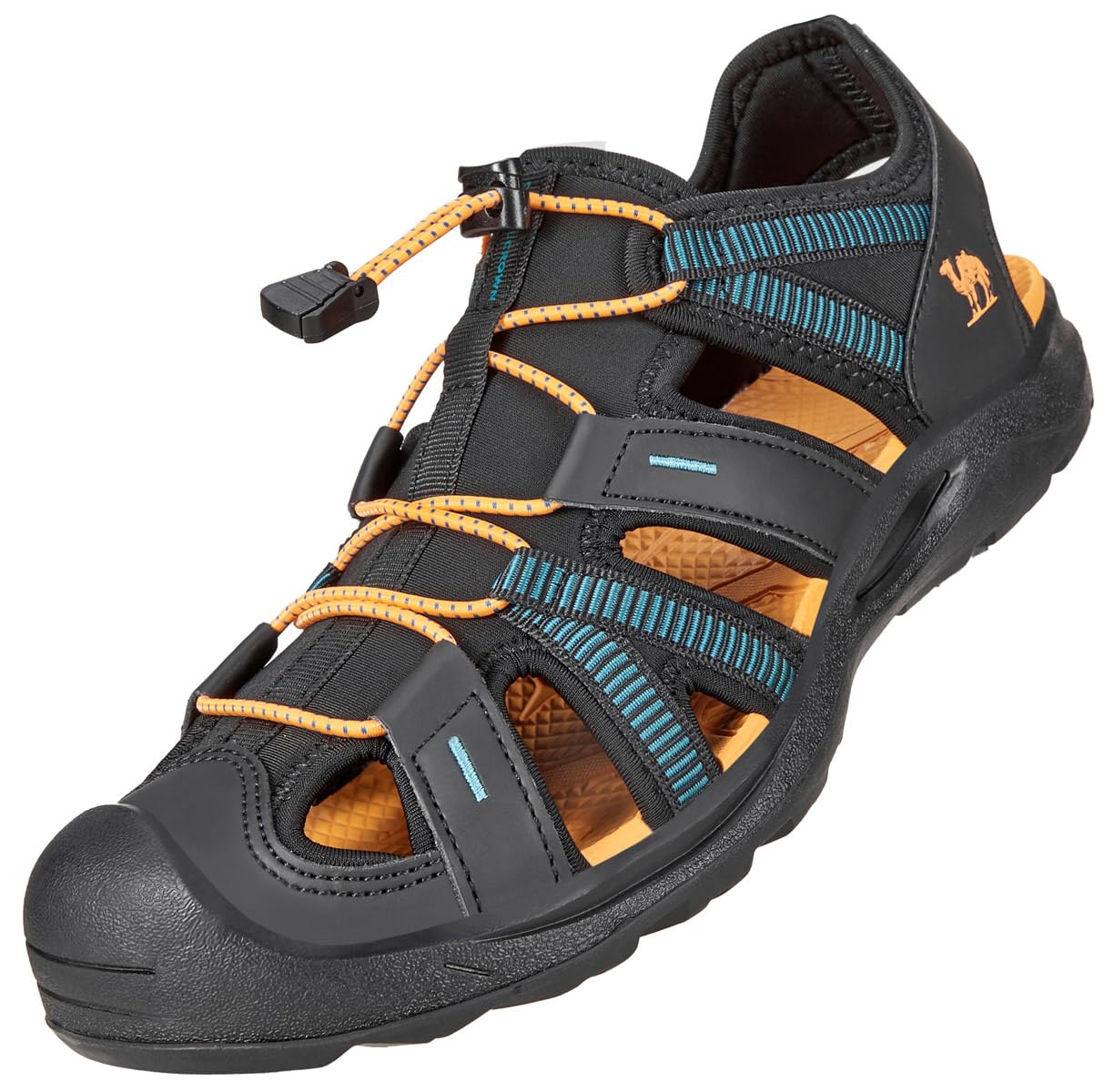
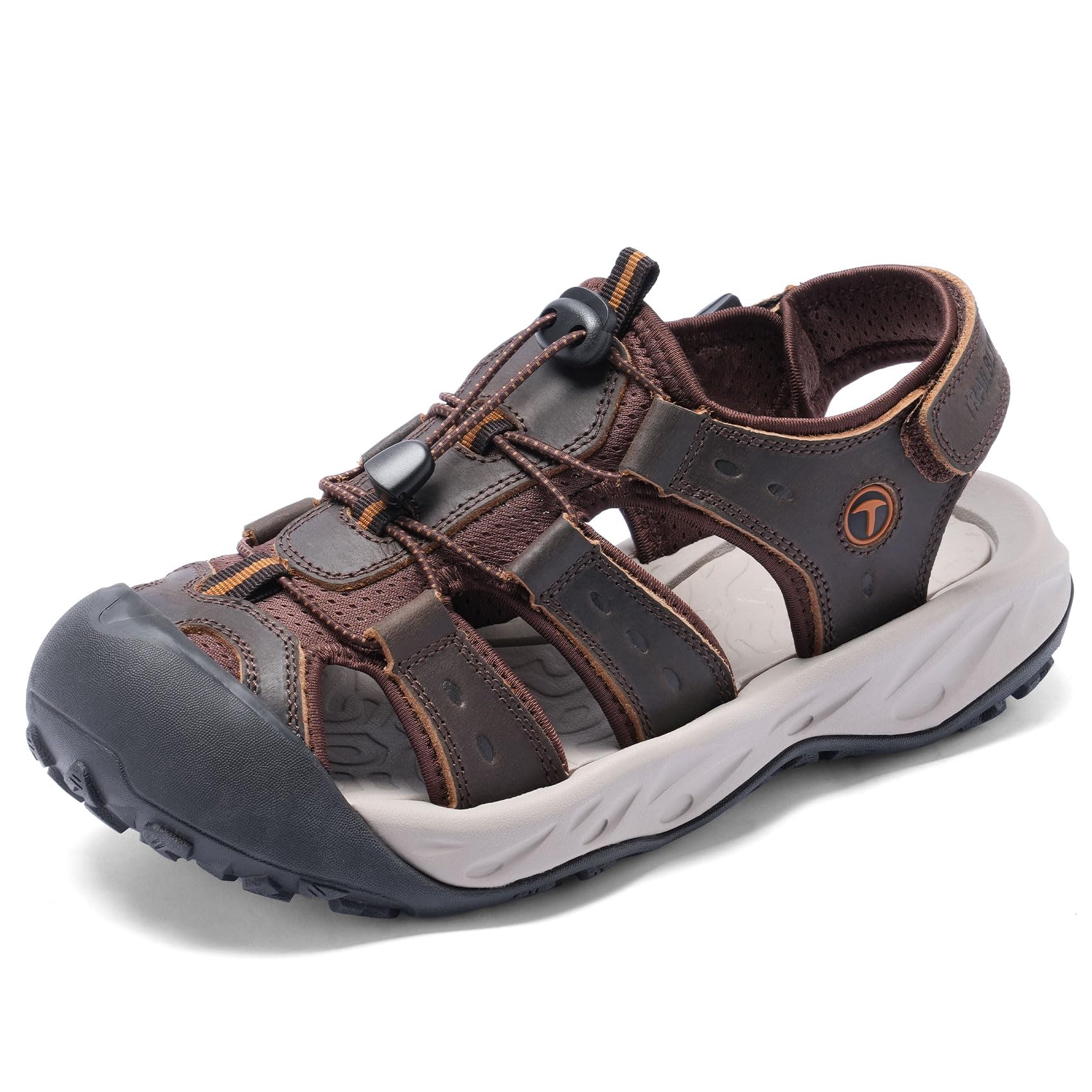
All hiking sandals share straps, an open or partly open upper, and a lugged outsole, but they differ in arch support, toe protection, and weight. Those differences decide how far you can walk comfortably and how safe your feet feel on roots, wet rock, and loose gravel. The four types below reflect the main design families sold at budget prices.
Stability and Support Sandals
In sandal form, this type means firm midsoles, shaped footbeds, and sometimes a closed toe bumper that guards against stubs on rock. The straps usually adjust at two or three points, so the foot stays centered instead of sliding forward on descents. These sandals suit longer trail days, uneven ground, and walkers who need steady arch support under a day pack.
The trade offs are weight and warmth, since more structure means more material around your foot. Break in time is also longer, because a firm footbed softens gradually. If you hike more than a few miles at a time, this extra support is usually worth both the cost and the patience. For higher rated support options, see our guide to the best rated hiking sandals and compare footbed designs.
Camp and Recovery Sandals
This type covers soft, cushioned sandals meant for camp, travel days, and gentle paths after harder activity. The footbed feels plush at first step, straps are simple, and the outsole is thinner with shallower lugs. They pack flat, dry fast, and give tired feet a break in the evening or on an easy lakeside stroll the next morning.
Do not ask this type to handle steep or rocky trails, because the soft sole twists easily and offers little protection from sharp edges. Use them as a second pair rather than your only trail footwear. They shine on beach trips, campground wear, and short flat walks where comfort matters more than grip or structure.
Lightweight Sandals
Lightweight hiking sandals trim the midsole, use thinner straps, and keep the outsole lean to cut ounces on long travel days. They suit fast walkers on maintained trails, warm climates where airflow matters, and packers who count every gram in a carry on bag. Many double well as water sandals because the materials drain and dry quickly after stream crossings.
The limits show up under heavy loads and on rough descents, where a thin sole transmits more shock and offers less torsional control. Check lug depth in photos, because some light models save weight by shaving the tread you need on wet surfaces. If your routes stay smooth and your pack stays light, this type can be the most enjoyable of all.
Neutral Balanced Sandals
Neutral in this context means balanced sandals with moderate cushioning, moderate support, and no strong correction for how your foot rolls. They are the all rounders of the budget range, fine for mixed trail and town days, sightseeing on foot, and moderate hikes where the ground changes from pavement to dirt and back again.
Choose this type if you want one pair for a varied trip and your feet have no special support needs. The compromise is that specialists beat them at extremes, so serious arch support seekers and ultralight packers should look at the types above instead. Value is often strongest here, since simple balanced designs cost less to make well.
Stability and Support Sandals vs Camp and Recovery Sandals: Which Should You Choose?
Compare them on four points. Support goes clearly to the stability type, whose firm footbed holds your arch over long miles, while recovery sandals feel soft but flatten under distance. Protection also favors stability models, especially closed toe versions on rocky ground. Recovery sandals win on packability, price, and instant comfort at camp after you change out of boots or trail shoes.
Your itinerary should decide. For a trip built around daily hikes, buy the stability type first and add a cheap recovery pair later if space allows. For a beach or resort trip with one short nature walk, the recovery type may be all you need. Many hikers own both, because each does its own job better than a compromise pair does either job.
How to Choose the Right Hiking Sandal
Waterproofing and Drainage
Most hiking sandals skip membranes such as Gore Tex because the open design lets water in by intent, then drains it fast. That approach suits warm weather and stream crossings better than sealing water inside. Leather budget models may use a water resistant treatment, which sheds light splashes but soaks through in steady rain and dries slowly. For wet trails, choose synthetic straps and a rubber outsole with deep lugs, and accept wet feet that dry quickly over sealed feet that stay damp.
Fit, Sizing, and Toe Box
Measure your feet in the afternoon, when they are at their largest, and compare the length with the brand size chart rather than your usual shoe size. Your toes should sit fully on the footbed with a small margin at the front, never hanging over the edge. A wide toe box lets toes spread on descents and reduces rubbing. Adjust every strap before judging fit, because one loose heel strap can make a correct size feel sloppy and unstable.
Cushioning and Support
Match support to your feet and distance. Firm shaped footbeds help if your arches tire on long walks, while softer neutral cushioning suits shorter outings. Heel to toe drop in sandals is usually low, which feels natural but asks more of your calves on hills, so build distance gradually. Press the midsole with your thumb in a store if you can. If it collapses with almost no resistance, it will likely feel flat and tiring by mile three.
What You Can Realistically Get on a Budget
For around $30 to $60 you can expect adjustable straps, a contoured footbed, and a lugged rubber outsole that grips dry and lightly wet trails well. Around $60 to $90 often adds a closed toe option, better strap padding, and tougher hardware. Below around $30, expect thinner soles and simpler straps, fine for camp and town but limiting on real trails. Spend first on outsole grip and strap adjustment, because those two decide safety and fit. Shoppers comparing general low price options can see our guide to the best budget sandals for everyday styles beyond the trail.
Setup and Care Tips
Before a big hike, wear new sandals on several short walks and adjust straps in small steps until no single point rubs. Air dry wet sandals away from direct heat, since heat warps footbeds and weakens strap glue. Rinse mud and sand from the buckles and hook and loop closures so grit does not wear the fibers. Rotate two pairs for daily wear on long trips if you can, and replace sandals when the tread smooths out or the midsole stays compressed, often after a few hundred miles of trail use.
For water heavy routes, confirm the straps and footbed are fully synthetic so they dry overnight. Our guide to the best hiking and water sandals covers drainage and grip details that matter most at crossings and boat ramps.
Hiking Sandals: Your Questions Answered
Do I need waterproof hiking sandals?
You rarely need waterproof hiking sandals, because the open design cannot keep water out in any case. What you need for wet routes is fast drainage, synthetic straps that do not stay soggy, and strong wet grip. Waterproof membranes make more sense in closed shoes for cold rain. In warm conditions, sandals that get wet and dry fast are more comfortable than sealed footwear that traps sweat and splash water inside.
How should hiking sandals fit?
Hiking sandals should fit with your heel seated in the cup, straps snug without pinching, and a small space in front of your longest toe. Your foot must not slide forward when you mimic a downhill step, because sliding causes toe bang and blisters. Walk around for several minutes before deciding. Sizes vary widely between brands, so trust the length chart and your test walk over your usual number.
Are expensive hiking sandals worth it?
Higher prices can be worth it when they buy a better outsole compound, stronger strap hardware, and a footbed that keeps its shape for seasons. The gain is grip and durability, not fashion. Still, a well chosen budget pair around $50 to $80 covers most maintained trails comfortably. Pay more only if you hike often, carry a heavier pack, or need a closed toe design for rocky routes.
Can I wear hiking sandals all day?
Yes, you can wear supportive hiking sandals all day once they are broken in and adjusted well. Start with shorter days so your feet adapt to the open straps and lower structure. Watch for hot spots at strap edges and adjust early rather than pushing through. If you develop persistent foot, ankle, or knee pain, stop increasing distance and consider advice from a clinician or a footwear specialist about your support needs.
How long is the break in period for hiking sandals?
The break in period is usually three to five short walks, about one to two weeks of regular use. Firm support models take the longest, while soft neutral models feel ready almost at once. Wear them around the house first, then on a one mile walk, then on a short trail. Never debut a new pair on your longest hike of a trip, because small strap rubs become blisters at distance.
How often should I replace my hiking sandals?
Replace hiking sandals when the lugs are worn smooth, the footbed stays flattened, or straps and buckles show cracks or weak stitching. For regular trail users that point often arrives after about three hundred to five hundred miles, similar to light trail shoes. Inspect the outsole before each season, because worn tread on wet rock is a safety issue, not just a comfort issue.
Final Thoughts
Choose the type by your terrain, then judge fit, grip, and strap adjustment before price. Support models serve long trail days, light models serve travel and water, and balanced models serve mixed trips. Compare your short list with the product table above, and the best budget hiking sandals for your feet and routes will be easy to spot.