
Best Closed Toe Hiking Sandals Women's: The Buyer Checklist We Use for 2026
Disclosure: We may earn a commission when you buy through links on this page, at no extra cost to you. As an Amazon Associate I earn from qualifying purchases. Learn more

Use a clear buyer checklist to find the best closed toe hiking sandals women's styles, with guidance on fit, toe room, support, grip, and drying.
A hiking sandal has to do two jobs that pull in opposite directions: stay open and breathable like a sandal, yet protect and grip like a trail shoe. The closed toe versions add a bumper that shields your toes from rocks and roots, and quality varies a lot behind that shared feature. This checklist for the best closed toe hiking sandals women's styles shows exactly which specs separate a dependable pair from a disappointing one.
Work through the criteria in order: fit for women, toe box room, comfort, support, durability, waterproofing, and weight. Then compare your shortlist against the comparison table below with clear pass and fail standards in mind.


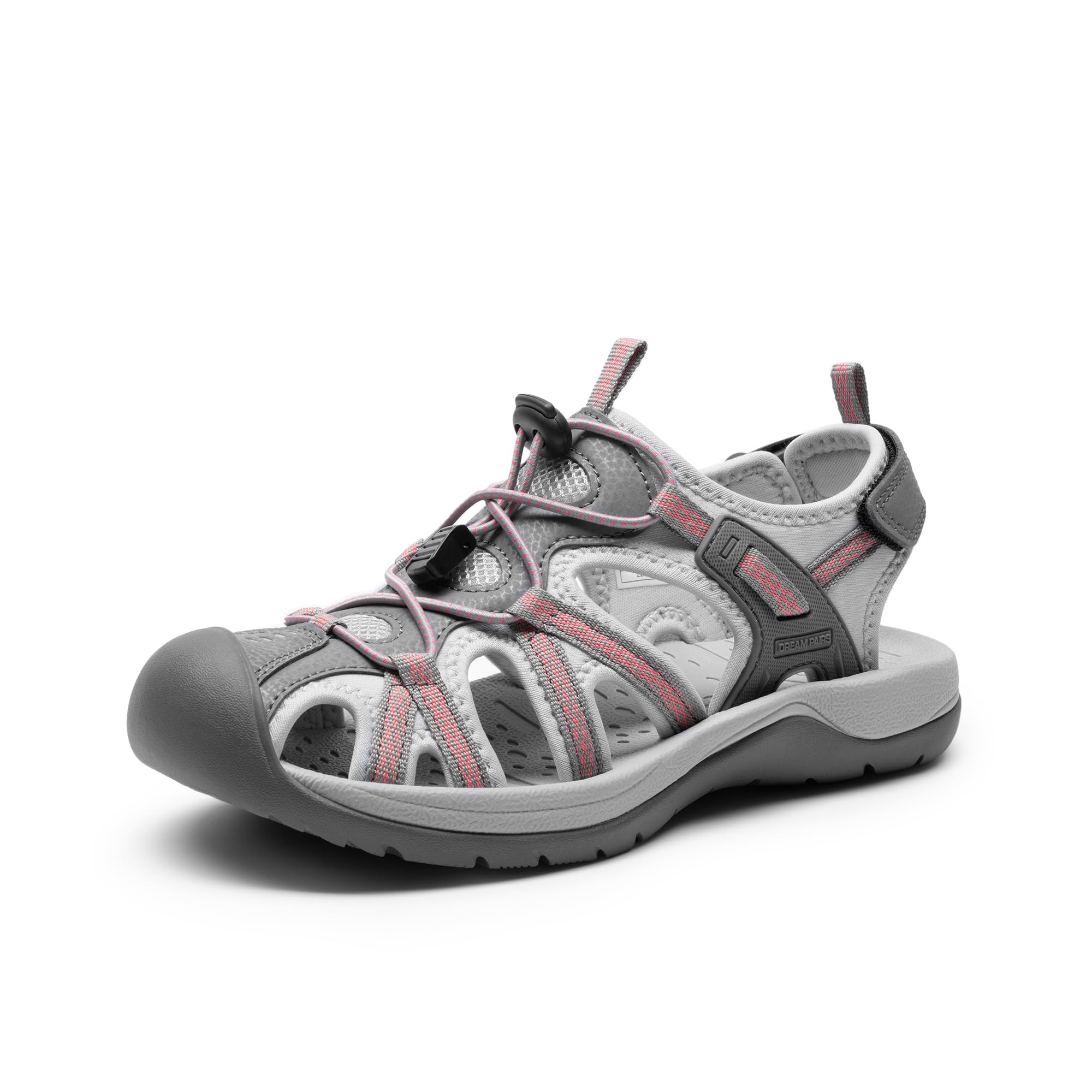
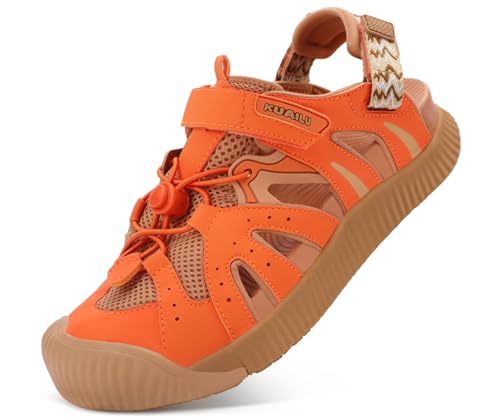

How We Evaluate Closed Toe Hiking Sandals
Each criterion below includes a simple good and poor benchmark, so you can score any pair in a store or from a product page. A sandal does not need to ace every category. It does need to pass the ones your trails demand, and fit always comes first, because the best outsole in the world cannot fix a sandal that hurts by mile two.
What Women Should Look For
Women specific lasts are usually narrower in the heel and midfoot with a roomier forefoot than a shrunk down men's model, and that shape matters on descents. Look for a heel cup that holds without lifting and straps that adjust at two or three points. Good sign: the sizing chart lists actual foot length in centimeters.
Poor sign: the listing only says the fit runs true to size with no measurements at all. For a wider women's range beyond trail use, see our guide to the best women's closed toe sandals.
Fit, Sizing, and Toe Box
Measure your feet in the afternoon, when they are at their largest, and compare against the brand chart rather than your usual shoe size. Your longest toe should sit about a thumb width behind the toe bumper, close enough for control but clear of impact on downhills. The toe box should let your toes spread naturally.
If you fall between sizes, most hikers do better sizing up in sandals, since straps can snug a slightly long pair. A pair that feels perfect standing still but pushes your toes into the bumper on a slope will punish you on real descents.
Break In Period and Comfort Out of the Box
Quality hiking sandals should feel comfortable on a short walk immediately, with no strap edge digging in and no stiff spot folding against your skin. A brief break in of two or three short hikes lets the footbed mold and the straps settle. Persistent rubbing after that is a fit problem, not a break in problem.
Try them indoors first so you can return a pair that pinches. Pay attention to where the toe bumper seam sits and whether the arch area feels supportive or lumpy. Comfort problems rarely improve with miles; they usually get worse.
Arch Support and Foot Type
Match the footbed shape to your arch. Flat feet usually do better with a firmer, more structured footbed that resists overpronation, while high arches often prefer more cushioning under the midfoot. Neutral feet can wear most designs. A contoured footbed with a defined arch and heel cup is the good sign here.
A completely flat, soft footbed is the poor sign for long hikes, because it lets your foot roll and tires your legs early. If you wear orthotic insoles in your shoes, note that most sandals cannot accept them, so the built in support has to do the whole job.
Durability and Expected Lifespan
Judge durability at the strap anchors, the toe bumper joint, and the outsole rubber. Straps that are stitched and bonded where they meet the footbed outlast glued only attachments. A reasonable expectation is roughly 300 to 500 miles of trail use before the cushioning packs down and the tread smooths out, similar to a pair of trail runners.
Thicker lugs, around 4 to 5 mm, signal a sandal built for real trails rather than boardwalks. If the product page hides outsole material and lug depth entirely, treat that silence as a durability warning.
Waterproofing (Gore Tex and Membranes)
Sandals handle water differently from boots. Most closed toe hiking sandals are not waterproof in the membrane sense; they are built to get wet and dry fast, with drainage and non absorbent straps. That is usually the right design, because a waterproof membrane in an open sandal traps the water that enters over the top.
Choose quick drying materials for stream crossings and summer rain. Reserve waterproof boots with Gore Tex style membranes for cold, wet seasons when your feet stay inside the shoe. If a sandal claims to be both fully open and fully waterproof, read that claim with suspicion.
Weight and Flexibility
Weight on your feet costs more energy than weight on your back, so lighter sandals feel fresher on long days. A good target for a women pair is roughly 450 to 700 grams, depending on size and protection level. Flexibility should be moderate: the sandal should bend at the forefoot but resist twisting through the midfoot.
Picture the twist check from the product photos and reviews. A sandal that folds like a flip flop offers little protection on rocky ground. One that feels like a stiff board will fight your stride on smooth paths. The middle ground serves most hikers best.
Three Price Tiers That Pass Our Checklist
Instead of naming models, use the tiers below to see what your budget should deliver. Any pair, at any tier, must still pass the fit and toe box checks above. Price buys durability, support shaping, and strap quality more than it buys basic competence.
The Overall Tier
Around $90 to $130, this tier should give you a contoured supportive footbed, lugged rubber outsole, three point adjustable straps, and a reinforced toe bumper. This is the sweet spot for regular trail use, weekend trips, and travel days that mix pavement and paths. Most women who hike weekly will be happiest shopping here, because the support and grip hold up season after season.
The Value Tier
Under about $90, expect simpler footbeds, thinner lugs, and fewer adjustment points, but a closed toe bumper and basic trail grip should still be present. These pairs suit light trails, camp wear, and finding out whether the style suits you before spending more. The compromise is lifespan: cushioning and strap padding usually wear sooner. For occasional summer hikes, that trade can be perfectly sensible.
The Premium Tier
Above about $130, you should see premium outsole rubber with stronger wet grip, a more sculpted footbed, and materials that shrug off repeated soaking. Some premium pairs add antimicrobial footbed treatments and reinforced strap anchors for rough terrain. This tier makes sense for long distance trips and rocky trails where a failure costs more than money. If your hiking is gentle, the overall tier delivers nearly the same day to day comfort for less.
Quick Buyer Checklist
- Does the size chart list foot length, and does your afternoon measurement fit with room before the toe bumper?
- Do the straps adjust at two or more points, including over the forefoot?
- Is the footbed contoured with a visible arch and heel cup rather than flat foam?
- Are the outsole lugs about 4 mm or deeper, in rubber rather than soft foam?
- Are the straps and upper made of materials that dry quickly after soaking?
- Does the pair weigh under about 700 grams in your size?
- Can you return the sandals after an indoor trial walk if the fit feels wrong?
Red Flags to Watch For
Walk away from listings with vague specifications and no measurements, because honest brands publish lug depth, weight, and materials. Be wary of a very short warranty or none at all on a premium priced pair. Reviews that repeat identical praise in clusters, or that never mention a single drawback, are another warning sign.
On the product itself, glued strap joints with no stitching, foam outsoles with painted on tread patterns, and toe bumpers that flex flat under thumb pressure all predict early failure. Finally, treat sizing charts that copy a generic table across every shoe type as a red flag; sandal sizing should be specific to the model.
Choosing Closed Toe Hiking Sandals for Your Situation
Most readers need the protection of a closed toe, but one nearby style is worth understanding before you decide, especially for hot and easy trails.
Best Open Toe Hiking Sandals Women's
Shoppers comparing open toe hiking sandals for women usually hike in hot, dry conditions on smooth paths, where airflow matters more than protection. Open designs dry faster and feel cooler, and they can be lighter. The cost is exposure: stubbed toes, trail debris, and sunburned feet are common complaints. If your trails are rocky or overgrown, or you hike with a pack that makes foot placement less precise, the closed toe remains the safer default.
Care and Maintenance Tips
Rinse sandals with clean water after muddy or sandy hikes and let them air dry away from direct heat, which can warp footbeds and weaken glues. Scrub footbeds with mild soap when odor builds up, and check strap anchors and tread before big trips. Retire a pair around 300 to 500 miles, or sooner if the tread is smooth or the footbed has packed flat, since worn sandals raise your risk of slips and sore feet.
Closed Toe Hiking Sandals: Your Questions Answered
What makes closed toe hiking sandals for women different?
The fit and shaping are the real differences, not the colors. Women specific pairs typically use a narrower heel, a shaped arch, and sizing built on women lasts, which reduces heel slip on descents. If you are comparing across lines, our guide to the best closed toe hiking sandals covers unisex options as well. Always trust the centimeter measurement over the printed size when the two disagree.
How often should I replace my closed toe hiking sandals?
Plan on replacement after about 300 to 500 miles of trail use, or when clear wear signs appear. Smooth tread in the forefoot, a footbed that stays compressed, and straps that no longer hold adjustment are the practical signals. Rotating two pairs across a season can extend each pair's life. Keeping a worn pair for camp and short walks is fine, but retire it from rocky trails.
How should closed toe hiking sandals fit?
They should fit snugly at the heel and midfoot with space ahead of your toes. Your heel should not lift out of the cup as you walk, and straps should hold without needing to be wrenched tight. Leave roughly a thumb width between your longest toe and the bumper. If you want a second opinion on fit across styles, see our guide to the best closed toe sandals for everyday wear comparisons.
How long is the break in period?
Expect two or three short hikes, totaling perhaps five to ten miles, before the footbed molds and straps settle. A good pair feels comfortable for a one hour walk right away, with only mild stiffness. Blisters or hot spots during this period point to a fit or strap placement problem. Address them early with strap adjustments, and return the pair if rubbing persists.
Do I need waterproof shoes?
For most summer hiking, no. Closed toe sandals are designed to drain and dry, and a soaked pair often feels fine within an hour of walking. Waterproof footwear earns its place in cold rain and muddy shoulder seasons, when staying dry protects warmth.
Think of the two as seasonal partners rather than rivals. Your sandals handle warm trails, and boots handle the cold and wet months.
Are expensive closed toe hiking sandals worth it?
They are worth it when you hike often enough to use what the money buys: grippier rubber, better support shaping, and longer lasting straps. Occasional hikers on easy trails get most of the experience from the value tier. One useful measure is cost per season.
A premium pair lasting four seasons can cost less per year than a cheap pair replaced every summer, so match the tier to your real mileage. Our roundup of the best rated women's hiking sandals shows how higher priced pairs tend to differ.
Can I wear closed toe hiking sandals all day?
Yes, many people wear them for full days of travel and mixed walking once the fit is dialed in. The keys are arch support that matches your feet and straps adjusted before small rubs become hot spots. Carry a small piece of tape or a blister patch on long days as insurance. If your feet ache by evening, alternate with cushioned shoes the next day while your feet adapt.
The Bottom Line
Fit first, then support, then grip: that order settles most of the decision. Confirm your size with a measurement, demand a contoured footbed and real lugs, and pick the price tier that matches your mileage. Compare your finalists in the product table above, and the best closed toe hiking sandals women's pair for your trails will be an easy call.


