
Best Climbing Shoes for Roman Feet: Everything to Know Before Your First Purchase for 2026
Disclosure: We may earn a commission when you buy through links on this page, at no extra cost to you. As an Amazon Associate I earn from qualifying purchases. Learn more

Shopping for the best climbing shoes for roman feet for the first time? Learn the terms, compare options, and avoid rookie mistakes with this easy guide.
If your first three toes are about the same length, you likely have what fitters call a Roman foot shape, and that shape changes which climbing shoes feel right. Many popular shoes taper hard toward the big toe, which squeezes the second and third toes of a Roman foot. This guide starts with the basics, explains each spec in plain words, and shows how to shop with confidence. Finding the best climbing shoes for roman feet is mostly about toe box shape, not brand or price.
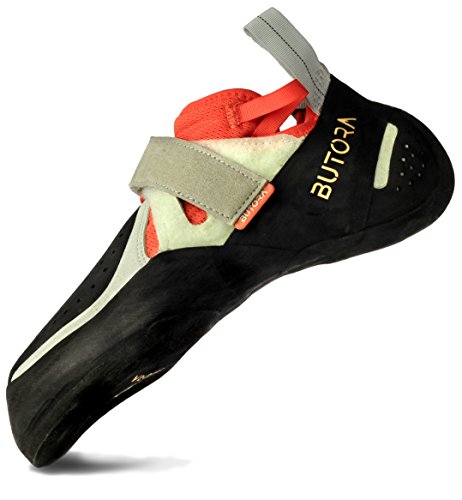
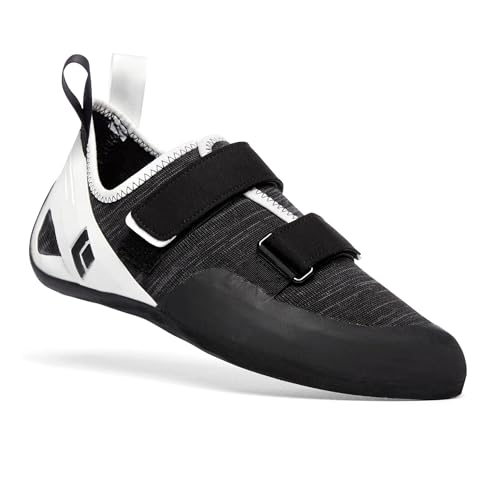
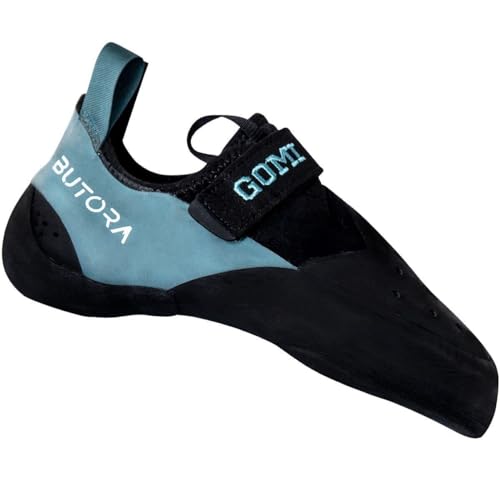
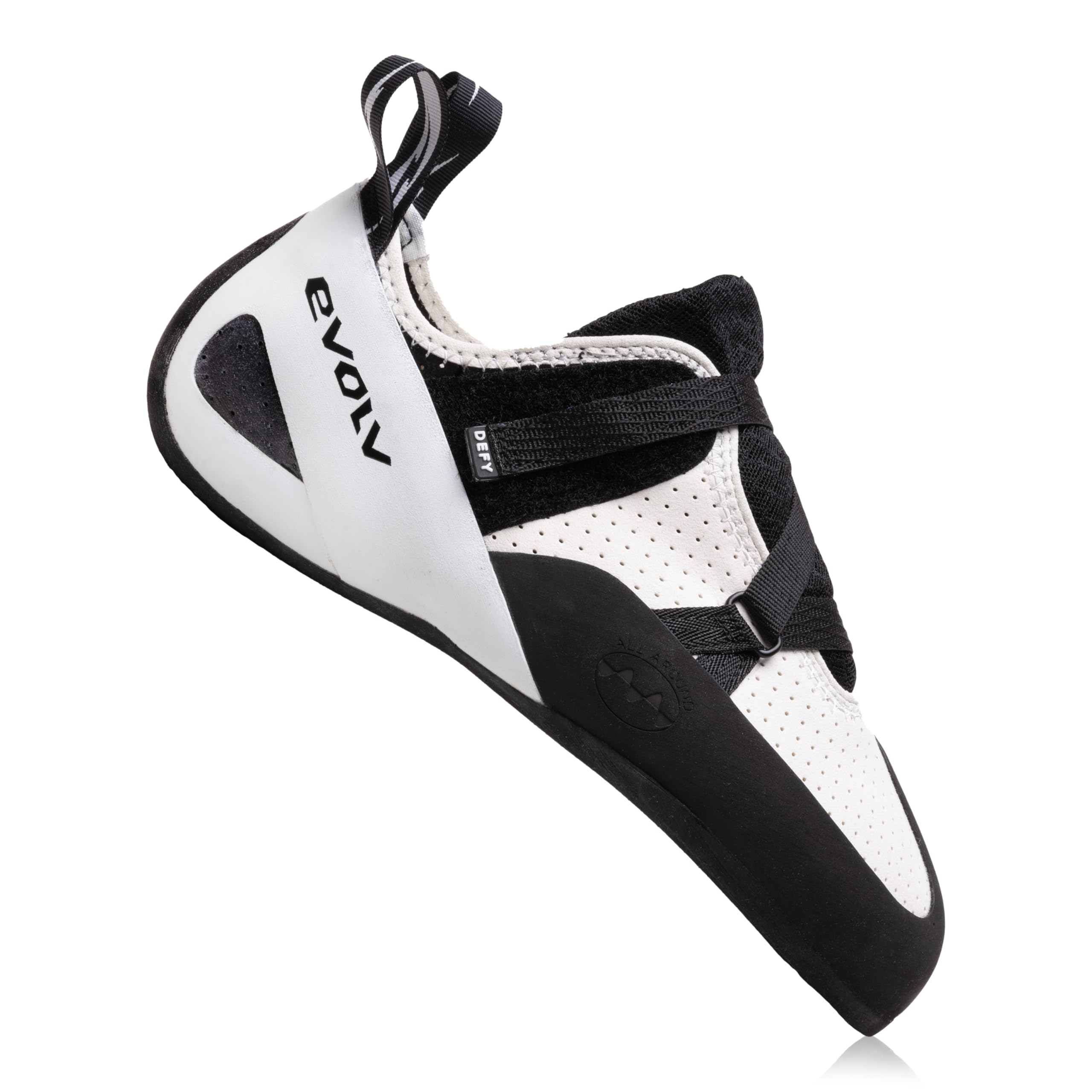
The comparison table below shows toe shapes, closures, and price tiers side by side. Keep your own toe profile in mind as you read, and picture how each shape would treat your second and third toes after an hour of climbing, not just in the first minute.





Climbing Shoes 101: The Basics
A climbing shoe is a close fitting shoe with sticky rubber that lets you stand on holds far too small for normal footwear. Unlike a running shoe, it has almost no cushion, because you need to feel the rock and press force through your toes. The upper wraps the foot, a midsole adds support or flex, and the rubber sole and rand provide grip and protect the toe area.
Three shape words explain most of the fit puzzle. The last is the mold a shoe is built on, and it decides toe box width and curve. Downturn describes how much the toe points down, with flat shoes best for comfort and learning. Asymmetry describes how much the shoe angles toward the big toe, and strong asymmetry is exactly what often troubles a Roman foot, since it assumes the big toe is much longer than its neighbors.
Key Specs Explained in Plain English
Features That Matter for Roman Feet
For a Roman foot, look for a squared or rounded toe box, low to moderate asymmetry, and a last described as fitting a broad forefoot. Your second and third toes need length in the shoe, so check that they lie nearly flat instead of stacking or curling hard. A lace closure helps because you can leave the front laces a little looser while keeping the midfoot secure. Avoid shoes praised for a narrow, pointed toe, however popular they are.
Comparing shapes across foot types helps sharpen your eye. Our guide to the best climbing shoes for greek feet covers the opposite profile, where the second toe is longest, and seeing that contrast makes the Roman need for even toe length much clearer. If your toes look even across the front, shop for even length, not for a pointed shape.
Skill Level and Intended Use
Beginners with Roman feet should start with a flat, comfortable shoe in a rounded toe box, since learning footwork is hard enough without toe pain. Intermediate climbers can look for a mild curve that still keeps a broad front, and they should check edging carefully because some wide models flex too much. Advanced climbers have the hardest search, since performance lasts trend narrow and pointed, so trying many brands and choosing moderate asymmetry matters more than chasing the most aggressive shape.
Safety and Certifications
Climbing shoes are not certified like helmets or harnesses, so safety comes from fit, condition, and honest limits. A shoe that forces Roman toes into a hard curl can cause numbness, blisters, and lasting joint soreness, which are warning signs to change fit, not to push through. Check soles and straps before each session, and stop climbing if toes stay numb or change color after you remove the shoes. If numbness or joint pain keeps returning, talk with a clinician or a podiatrist about your foot shape and footwear.
Value and Included Accessories
Most pairs include only the shoes, so value means fit, durability, and resole potential. For a first purchase, a mid priced pair around $90 to $150 with thick rubber gives you time to learn without rapid wear. Budget separately for chalk and a small brush. If a shop offers a fitting session or a generous exchange window, that service can be worth more than a small price cut, because Roman feet often need two or three tries to find the right last.
Performance Characteristics
Grip comes from clean rubber and good contact, and a Roman friendly shoe keeps more of your forefoot in contact instead of forcing weight onto one toe. Stiffness supports edging and reduces calf fatigue, while a softer shoe smears better but demands foot strength. Forgiveness matters for new climbers: a moderately stiff shoe with a broad toe platform tolerates imperfect placements and still holds. Judge performance by how steady you feel standing on a small edge for ten seconds, not by how aggressive the shoe looks.
Sweat also changes fit and grip during long sessions, since damp linings let the foot slide. If that sounds familiar, our guide to the best climbing shoes for sweaty feet explains linings and care that keep the interior stable. For Roman feet, any sliding is worse, because the toes jam forward into a toe box that already runs short for the middle toes.
Rookie Mistakes to Avoid
- Buying a pointed shoe because it looks serious, even though it crushes your second and third toes from the first try on.
- Sizing down hard to copy experienced friends, which turns a shape problem into a pain problem.
- Judging fit in the first minute only, instead of standing, edging, and walking in the shoes for at least ten minutes.
- Ignoring the other foot shapes in a household or group order, since a model that suits a narrow foot rarely suits a Roman foot.
- Skipping a return or exchange option when ordering, even though this foot shape needs more trial than average.
Fit advice for other shapes can mislead you, so read it with your own toes in mind. Our guide to the best climbing shoes for narrow feet describes lasts that would likely feel wrong for you, while our guide to the best climbing shoes for egyptian feet covers a strongly tapered profile that is also a poor match. Knowing what to avoid narrows your list fast.
Getting Started: Setup and First Use
When your pair arrives, wear it at home in short sessions first, walking and standing on a stair edge to spot pressure points. Trim toenails short and straight, because even length toes in a snug box press the front more evenly and nail length matters. Store shoes out of direct sun and extreme heat, and check wear before each use, especially at the toes where Roman feet spread force across a wider area of rubber.
Your first climbing sessions should stay easy and short. Stand on slabs, practice quiet placements, and take the shoes off between climbs to let your toes recover. Climbers with low arches sometimes mix advice from several shape guides, and our guide to the best climbing shoes for flat feet adds useful notes on support and midsole stiffness that can combine well with a broad toe box. Note what you feel after each session, since that record guides your next size or model choice.
Frequently Asked Questions
What features matter most in climbing shoes for roman feet?
A squared or rounded toe box with even length for the first three toes matters most. Add low asymmetry, a lace closure for fine adjustment, and enough stiffness to edge without your toes doing all the work. A practical check is to trace your foot on paper, then compare that shape with the shoe insole shape, since a pointed insole will never suit an even toe line.
Is it worth buying premium as a beginner?
Usually no, because premium shoes trend narrow, soft, and short lived, which works against a Roman foot beginner. A comfortable mid priced pair lets you climb more and learn faster. Spend extra only when a higher priced last is genuinely the one that fits your toe profile, and confirm the fit with a long try on rather than a quick step around the shop.
What size should I get?
Get a size where all toes touch the front lightly without stacking or hard curling, and start near your street size rather than far below it. Roman feet often need the length set by the second toe, so judge by the longest feeling toe, not only the big toe. Try both feet, fit the larger one, and walk down a slope in the shop to check that toes do not slam forward.
Indoor vs outdoor: does it matter?
It matters a little, mainly through session length and heat. Gym sessions let you remove shoes often, so a snugger fit can work, while outdoor days swell feet and punish a short toe box. If you climb in both places, fit for the outdoor day and accept a slightly relaxed gym fit. Also note that outdoor grit wears a broad toe area faster, so check the rand often.
How long does it last?
A first pair used twice a week often lasts a season or more before a resole, since beginner friendly rubber is thick. Roman feet spread wear across the front, which can wear the sole more evenly but also thin a wider patch. Press across the toe sole monthly; when it feels thin in a broad area rather than one spot, book a resole before the rand tears.
Wrapping Up
Shop by toe box shape first, closure second, and price third. A rounded, even length last with laces and moderate stiffness will serve most Roman footed climbers from first gym sessions to early outdoor routes. Use the product table above to compare shapes side by side, take your time with fit, and choose the best climbing shoes for roman feet that let every toe share the work in comfort.


