
Best Climbing Shoes for Narrow Feet: Everything to Know Before Your First Purchase for 2026
Disclosure: We may earn a commission when you buy through links on this page, at no extra cost to you. As an Amazon Associate I earn from qualifying purchases. Learn more

Shopping for the best climbing shoes for narrow feet for the first time? Learn the key terms, fit checks, and choices in this clear beginner guide.
Buying your first pair of climbing shoes is confusing enough without a narrow foot sliding around inside a standard width shoe. When you shop for the best climbing shoes for narrow feet, the goal is simple: a snug, low volume fit that holds your heel and forefoot without painful pressure. This guide starts with the basics, explains each spec in plain language, and ends with a clear way to choose.
You do not need to learn every term in the sport before you buy well. You only need to know which details change fit for a slim foot, which ones affect comfort during your first months, and which ones you can ignore for now. Use the comparison table below as you read, and match each option to the checks in this guide.


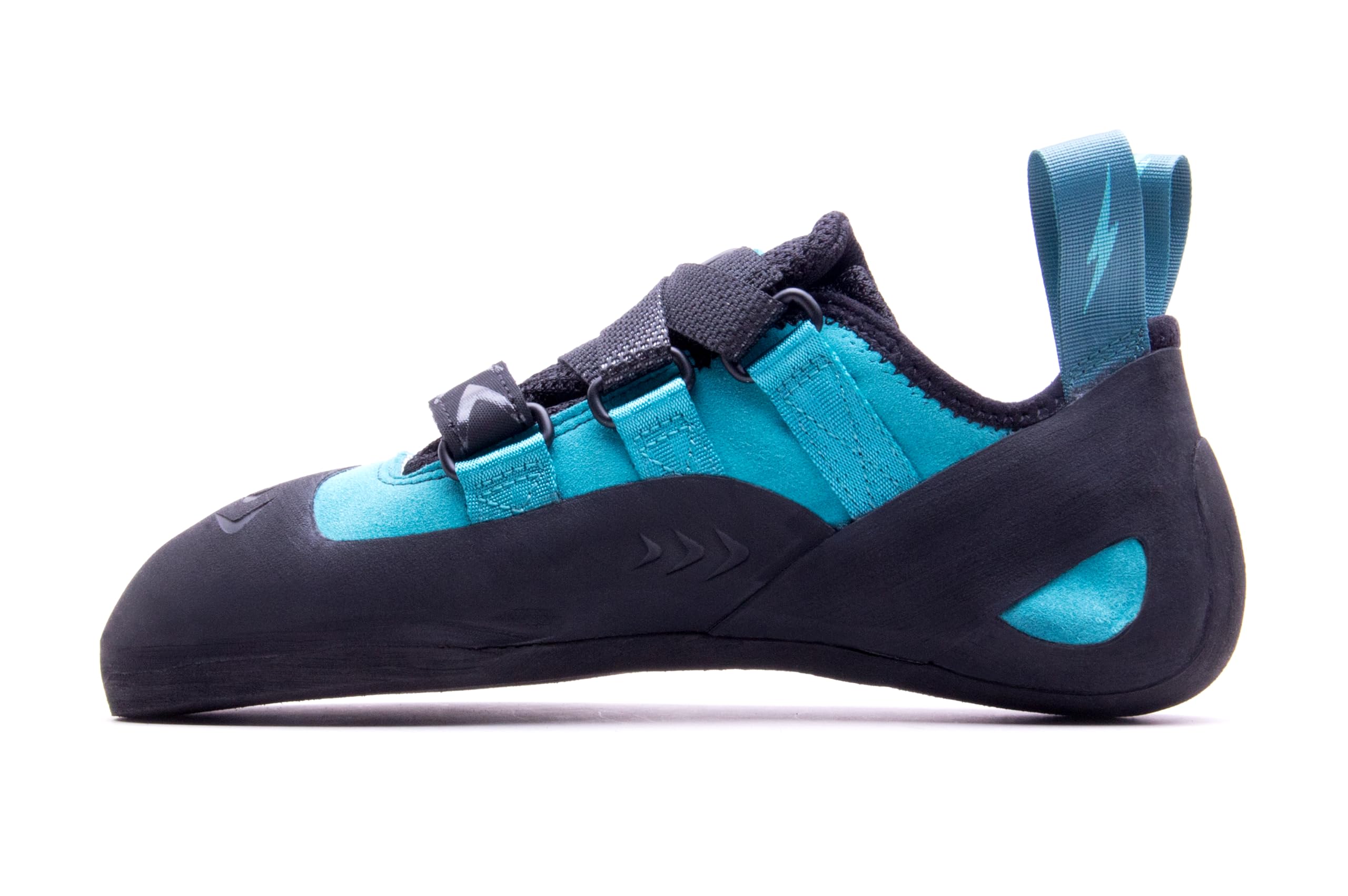
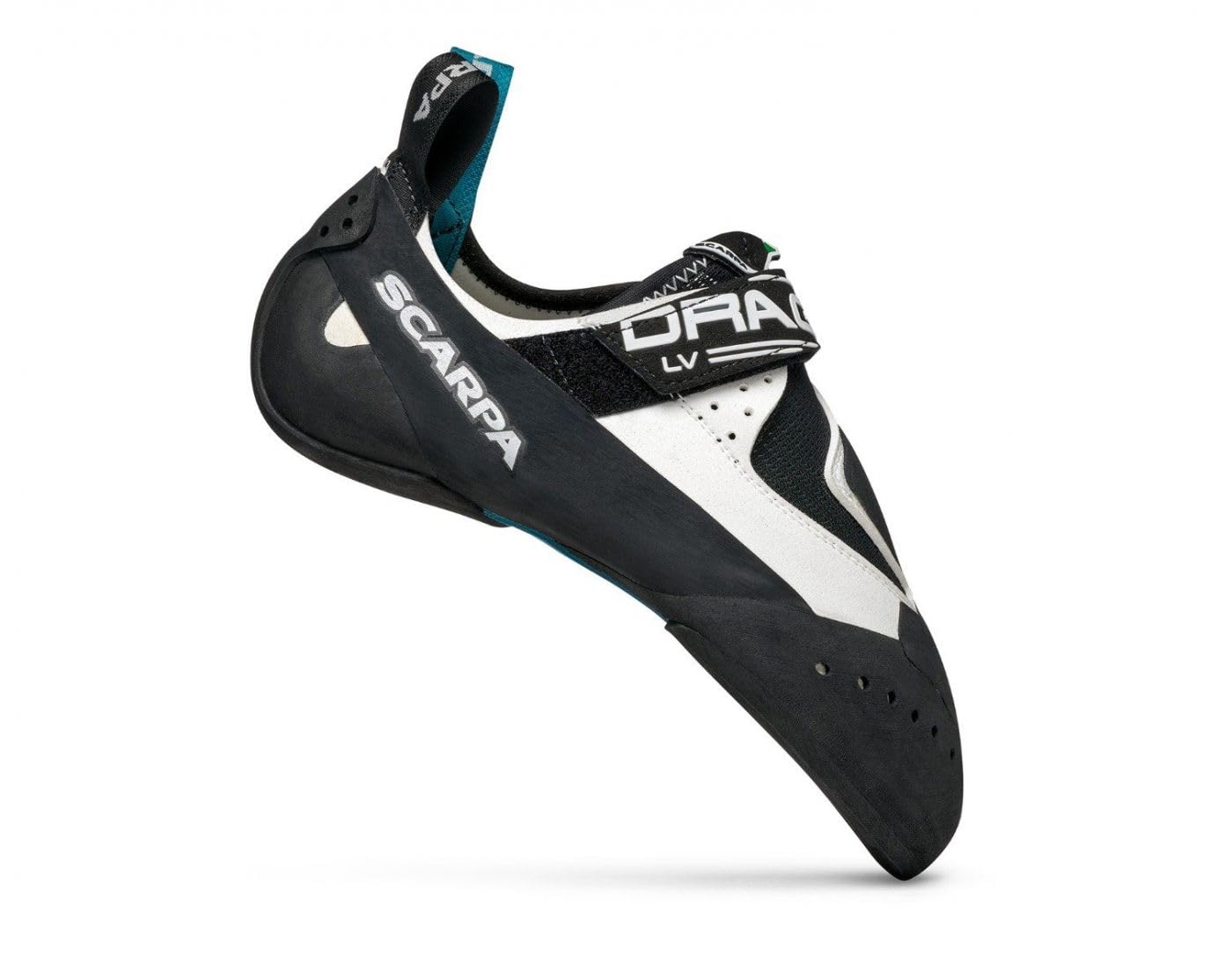


Climbing Shoes 101: The Basics
A climbing shoe is a tight fitting shoe with sticky rubber that helps your feet stay on small holds. Unlike a running shoe, it has little cushioning, a shaped toe, and a sole designed for grip and precision rather than comfort on pavement. Your toes should be close to the front so you can stand on edges and feel where your foot is placed.
Three shape words cover most of what you will see. A flat shape keeps your foot relaxed and suits beginners and long sessions. A moderate shape adds a slight curve for better power on steeper walls. An aggressive shape bends the foot strongly downward for advanced climbing on overhangs, and it is rarely the right first pair. Closure matters too: laces adjust most precisely, straps close fast, and slip on styles feel simple but stretch more over time.
Key Specs Explained in Plain English
Features That Matter for Narrow Feet
Narrow feet need a low volume shoe, meaning less internal space from side to side and from top to bottom. If the volume is too high, your forefoot shifts on small holds, your heel lifts, and you lose confidence in your feet. Look for shoes described as low volume or slim fit, a narrower heel cup, and laces that run far toward the toes so you can pull the upper in. Specific targets help: choose a model where you can tighten the closure fully without the two sides touching, and where there is no loose fold of material above your toes when you stand.
Skill Level and Intended Use
Beginner friendly shoes favor comfort, a flat shape, and thicker rubber that forgives rough footwork while you learn. Intermediate all around options add a mild curve and better sensitivity for smaller holds and steeper gym walls. Advanced performance options are softer or more downturned, and they demand precise technique and stronger feet. As a first time buyer, stay in the beginner to intermediate range even if you progress fast, because a comfortable pair gets used more often and practice matters more than gear at this stage.
Portability and Storage
Your shoes will live in a gym bag, so small habits protect them. Carry them in a breathable bag or clipped to the outside of your pack so air can reach them after a session. Keep them away from sharp gear like crampons or tools that can cut the upper. At home, store them with the closure loose and the toe shape uncrushed, in a cool place away from direct sun. Good storage keeps the fit you paid for, which matters even more when you rely on a precise narrow fit.
Size, Weight, and Fit
Sizing varies a lot between brands, so use foot length in centimeters from the brand size chart as your starting point. Measure your foot in the evening, standing, and measure both feet because one is often slightly longer. A climbing fit should feel snug everywhere with toes touching the front and bending only slightly in a beginner pair. Walk, stand on your toes, and press your heel down in the shop: if the heel pops or your foot slides forward, try a lower volume shape rather than just a smaller size. Weight differences between models are small and should not drive a first purchase.
Performance Characteristics
Grip comes from soft sticky rubber and from how much of your sole contacts the hold, and softer rubber grips better but wears faster. Stability and edging come from a stiffer sole, which supports your foot on tiny holds but feels less sensitive. Forgiveness describes how well a shoe tolerates imperfect foot placements, and thicker, stiffer beginner soles are the most forgiving. For narrow feet, fit is itself a performance trait, because a shoe that does not shift gives you grip and stability that a loose shoe wastes no matter how good its rubber is.
Women with slim feet often find a better starting point in low volume ranges built for smaller feet, so see our guide to the best women's climbing shoes for narrow feet for those fit notes. For everyday footwear outside the gym, our guide to the best shoes for narrow feet covers the same width problem in daily shoes.
Choosing Climbing Shoes for Your Situation
Best Rock Climbing Shoes for Narrow Feet: Tips for First Time Buyers
When people say best rock climbing shoes for narrow feet, the rock part adds two priorities: edging support for real rock texture and an upper that can handle rough outdoor use. Choose a slightly stiffer sole than a pure gym pair, because natural edges are smaller and sharper. Pick leather or a firm synthetic if you climb outdoors often, since it resists abrasion better. Above all, keep the same low volume fit rule, because a shoe that feels secure indoors can still roll on uneven rock if the forefoot has room to move.
Rookie Mistakes to Avoid
- Buying your street shoe size in a high volume model. The length may match while the width still lets your foot swim, so judge volume, not just size.
- Chasing pain as a sign of performance. Numb toes and sharp hot spots mean a bad fit, not a serious shoe.
- Choosing straps only for speed. Straps are quick, but laces let narrow feet dial in a much closer fit.
- Ignoring heel fit. A heel that lifts on a heel hook or a steep step will undermine your confidence fast.
- Skipping the return policy. First pairs often need a size swap, so buy where exchanges are simple and keep the box until you are sure.
Getting Started: Setup and First Use
When your pair arrives, try it at home on a clean floor first so you can still exchange it if the size is wrong. Put the shoe on by opening the closure fully, sliding your foot in, and tightening from the toes upward so the forefoot seats before the ankle. Wear the pair for short indoor sessions at first, about thirty to forty five minutes, and take them off between climbs to let your feet recover. Store them out of direct sun and extreme heat, and check wear before each use, especially thinning rubber at the toe.
A useful first week routine is simple. Climb easy routes where you can focus on quiet, precise foot placements instead of hard grades. Note where any pressure appears after the session, not during the first minute, because lasting marks point to real fit problems. If your training also includes running, our guide to the best running shoes for narrow feet explains narrow fit in a very different shoe. For court and gym sports, see the best athletic shoes for narrow feet guide as well.
FAQs
What features matter most in climbing shoes for narrow feet?
Low volume construction matters most, followed by a narrow heel cup and a lace closure that reaches far toward the toes. These traits stop side to side movement, which is the main problem slim feet face. Rubber thickness and shape matter next, with a flat to moderate shape suiting most beginners. If you can fully close the straps with room to spare on a new pair, that model is likely too wide for you.
Indoor vs outdoor: does it matter?
Yes, mainly for sole stiffness and upper durability. Indoor climbing on smooth volumes favors softer, grippier shoes that you can wear for short, intense sessions. Outdoor rock favors a stiffer sole for small edges and a tougher upper for abrasive stone. A first pair in the middle, with moderate stiffness and a durable upper, handles both settings well enough while you learn which one you prefer.
What size should I get?
Start from your measured foot length and the brand size chart, then expect a fit that is snugger than street shoes. Many beginners land at street size or half a size down in comfort models, and lower in performance models. Your toes should touch the front and curl slightly, with no dead space above them. If only the width feels wrong, change the model or volume, not just the size.
Is it worth buying premium as a beginner?
Not usually, because premium shoes spend their budget on sensitivity and downturn that new footwork cannot use yet. They also tend to wear faster, which hurts when you are still dragging your toes as you learn. A fair range for a solid first pair is about $80 to $140. Put the savings toward gym time or lessons, and upgrade once your technique and preferences are clear.
How long does it last?
A first pair often lasts six to twelve months of regular gym climbing before the toe area wears thin. Cleaner footwork extends that life, while toe dragging on the wall shortens it sharply. When the edge of the sole rounds off or you see the rand beneath, it is time to resole or replace the pair. Resoling works well if the upper still fits closely, which is common with a well kept narrow fit pair.
Our Verdict
For a narrow foot, fit beats every other spec: choose low volume construction, a secure heel, and a closure you can truly tighten. Then match shape and stiffness to beginner or intermediate climbing, and size from measured foot length rather than habit. Look back at the product table above with those three checks in hand, and you will find the best climbing shoes for narrow feet for your first season without the usual trial and error.


