
Best Climbing Shoes for Egyptian Feet of 2026: Complete Buying Guide
Disclosure: We may earn a commission when you buy through links on this page, at no extra cost to you. As an Amazon Associate I earn from qualifying purchases. Learn more

A buying guide to the best climbing shoes for egyptian feet, explaining toe box shape, fit, and materials so your long big toe stays comfortable.
If your big toe is your longest toe and the rest taper down in a neat diagonal line, you have what climbers call Egyptian feet. That shape can ache in shoes built for square or even toe lines. This guide explains how toe box shape, asymmetry, and stretch affect the best climbing shoes for egyptian feet, so you can climb without your big toe taking all the punishment. Start with the comparison table below, then use the fit checks that follow.


Three Fit Profiles Worth Comparing
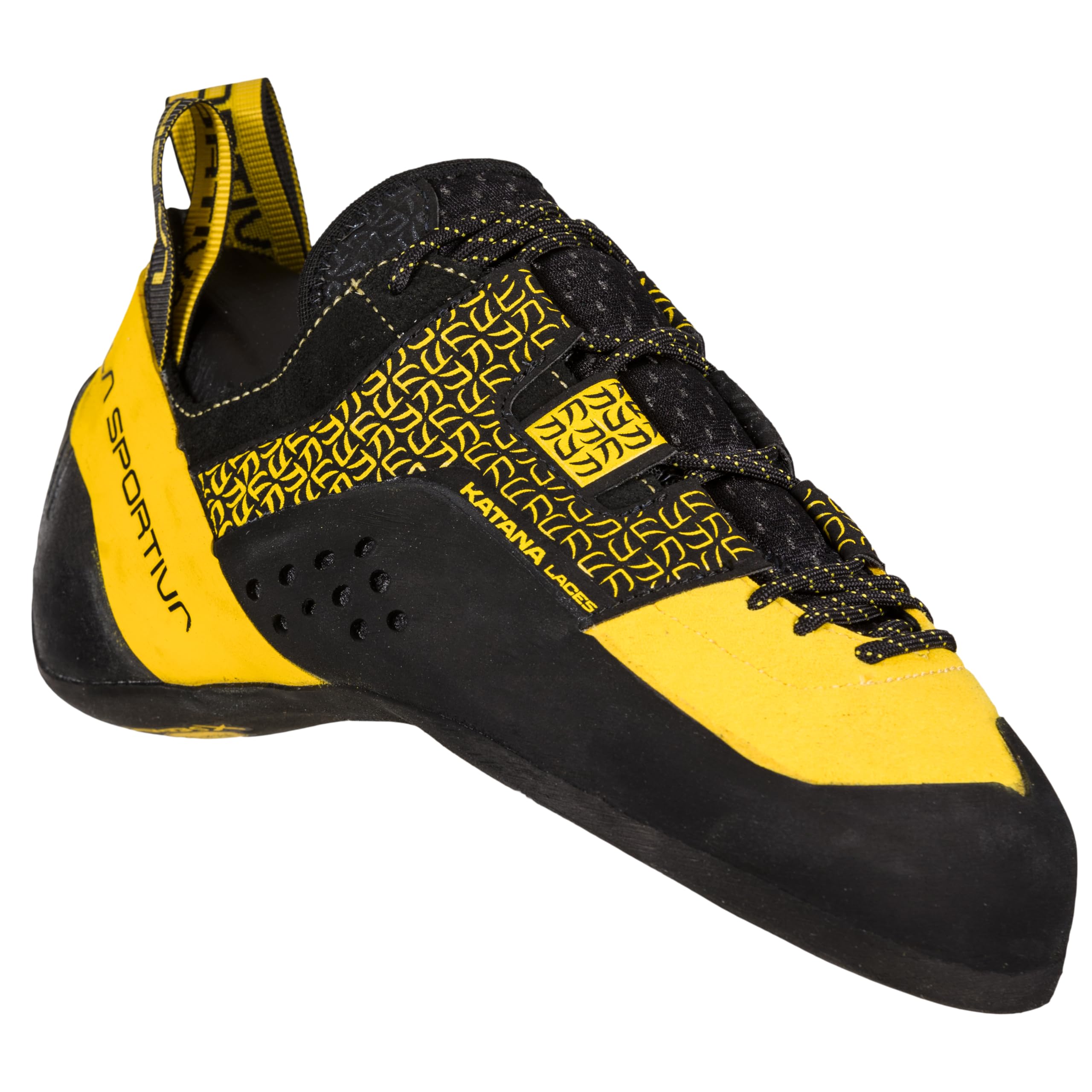
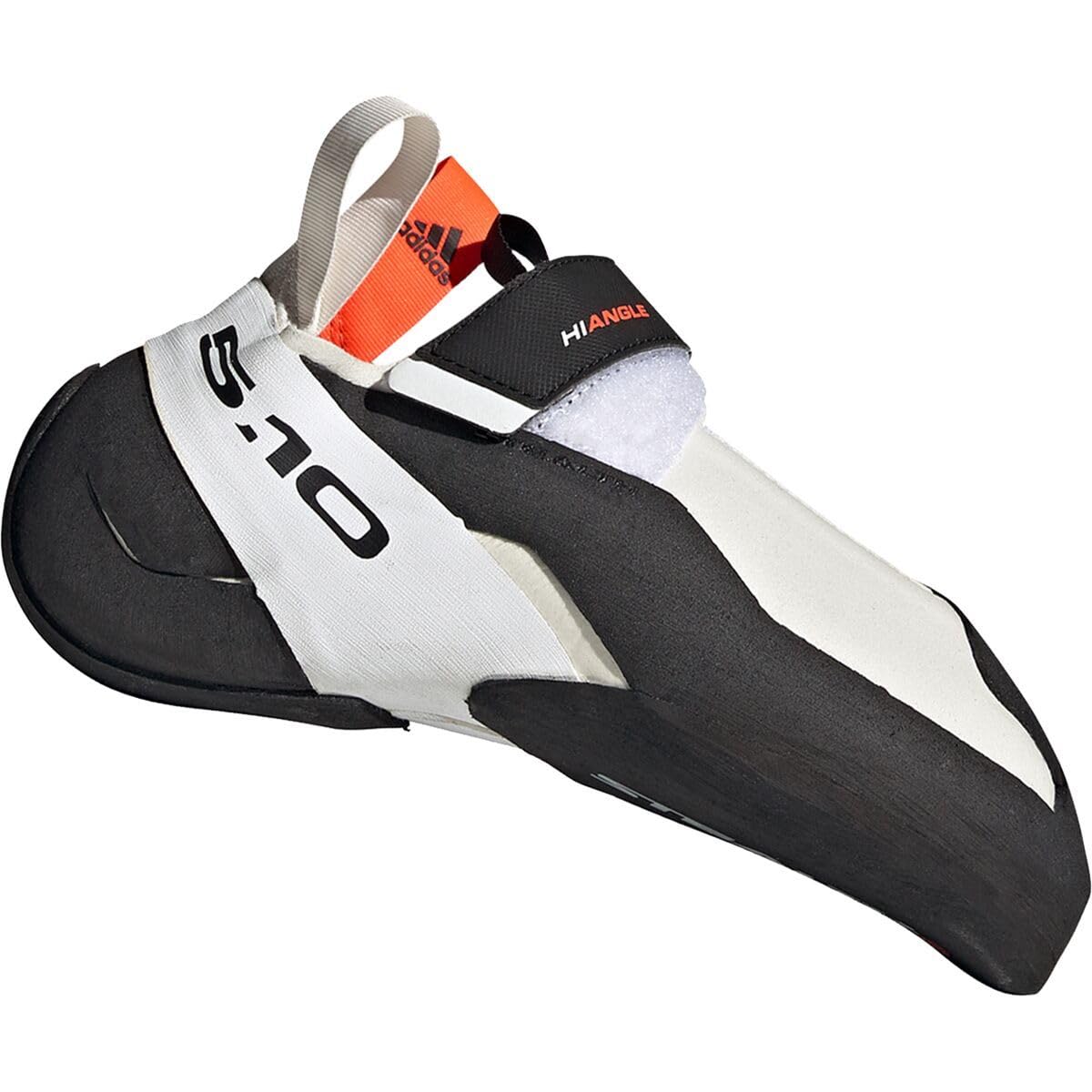
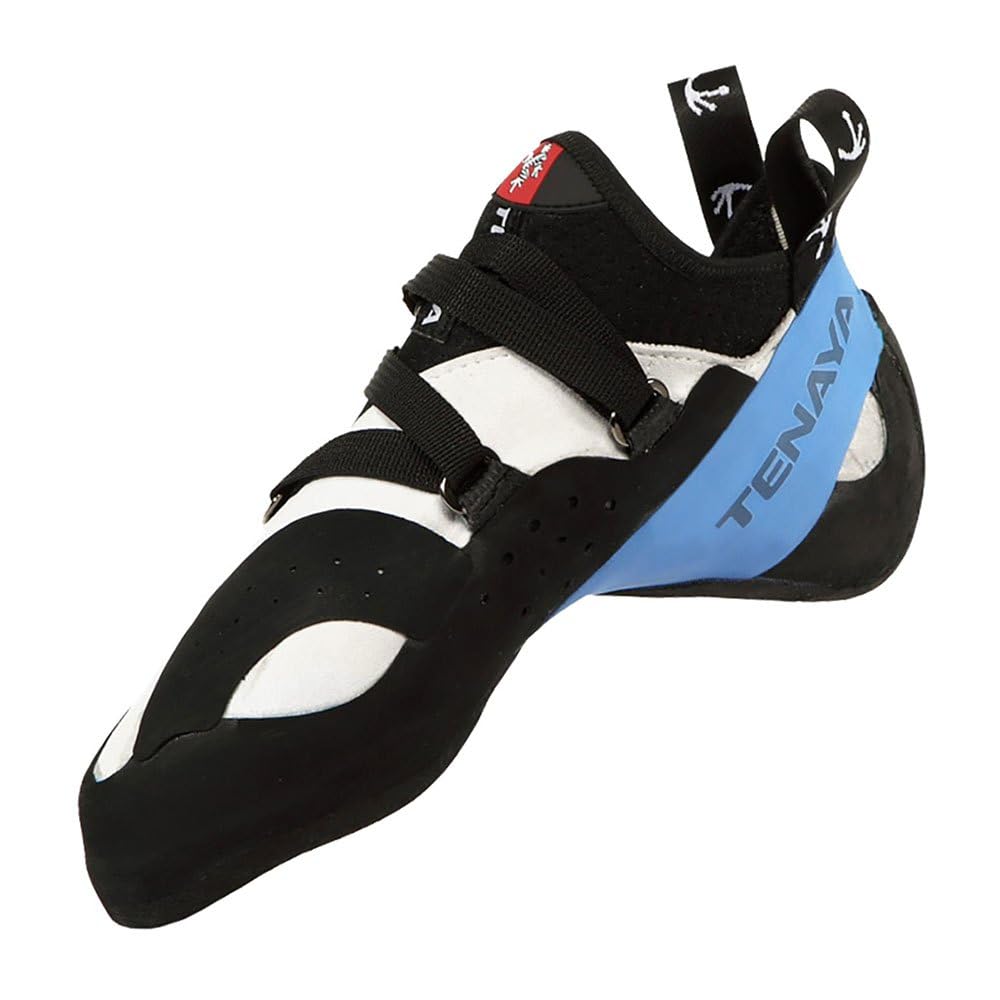
Rather than chasing specific models, compare the three fit profiles below in the product table above. Each one suits a different mix of foot shape, climbing style, and budget.
Best Overall
The overall profile, usually around $120 to $170, pairs a pointed and asymmetric toe box with moderate stiffness. The toe line follows a long big toe naturally, so pressure spreads across the front of the foot instead of crushing the smaller toes. This profile works for gym sessions and outdoor days alike. Its limitation is that very wide forefeet may feel squeezed, since the tapered shape that helps Egyptian feet also narrows the space beside the pinky toe.
Best Value
The value profile, usually around $80 to $120, keeps the tapered toe shape but uses simpler materials and a flatter fit. It is a sensible first pair if you are new and still confirming your size in climbing shoes. Comfort is good and the price leaves room for a second pair later. The trade off is less precise edging and rubber that wears a bit faster. For climbers with a similar diagonal toe line, this tier teaches fit lessons cheaply.
Best Upgrade Pick
The upgrade profile, usually around $160 to $200, adds softer and stickier rubber, a more sculpted heel, and an upper that molds closely around a long big toe. It suits climbers moving to steeper ground and smaller footholds. The cost is real, and thin rubber wears faster, so this profile pays off only when your footwork is already fairly precise. If your toes still drag on the wall often, upgrade later and protect your budget now.
How to Choose the Best Climbing Shoes for Egyptian Feet: Buying Guide
Features That Matter for Egyptian Feet
Your longest toe leads, so the shoe toe box should peak near the big toe rather than at the center. Look for an asymmetric shape that points inward, a toe line that slopes down toward the pinky, and enough height over the big toe knuckle to avoid a painful pressure point. Avoid blunt and square toe boxes, which force your big toe to bend sideways. That sideways bend is the main source of pain and even toenail trouble for this foot shape.
Skill Level and Intended Use
Beginners with Egyptian feet should start with a flat and moderately stiff shoe that lets the big toe lie fairly straight. Intermediate climbers can move to a mild downturn while keeping the asymmetric toe. Advanced climbers may accept a stronger curve for steep terrain, but the toe box peak must still align with the big toe. Climbers with the opposite shape often do better with models discussed in guides to the best climbing shoes for greek feet, where the second toe is longest.
Materials and Construction
Leather uppers stretch and mold around a prominent big toe, which can relieve a tight spot over the first weeks of use. Lined leather and most synthetic uppers stretch far less, so the fit you feel in the shop is close to the fit you keep. That predictability helps if your big toe is sensitive. Check that seams do not cross the top of the big toe, and favor a toe cap of rubber that protects the upper without creating a hard ridge inside.
Value and Included Accessories
Judge value by fit quality and resole potential rather than extras. A shoe that matches your toe line and can be resoled once will cost less over time than a cheaper shoe you replace because it hurts. Some makers publish detailed foot shape guidance, and that information is worth more than a bundled bag. If a listing hides its toe box shape in photos, treat that as a gap and look for side and top views before ordering.
Portability and Storage
These shoes travel like any climbing pair, clipped by the heel loops to your pack or gym bag. Storage matters more for this foot shape than you might expect. Crushing the toe box flat in a crowded bag can crease the upper right over your big toe. Store the pair in a breathable bag with the toes pointing up or lightly stuffed. Keep them away from heat, which can soften glue and let a carefully broken in toe box lose its shape.
Size, Weight, and Fit
Size from your longer foot and your big toe. Your big toe should touch the end and bend only slightly, while the smaller toes should not be forced hard against the sloping front. Use the maker size chart and measure in the evening. If your feet are also narrow, compare the approach in guides to the best climbing shoes for narrow feet, since a low volume fit often pairs well with a tapered toe line. When between sizes, choose the pair that avoids a sharp bend in the big toe.
Indoor vs Outdoor Use
Indoor climbing lets you check fit in short sessions and take shoes off between problems, which helps when you are dialing in a new shape. Outdoor days are longer, and feet swell more, so a shoe that feels perfect in the gym may feel tight at the crag by afternoon. If you climb mostly outside, favor a touch more room over the big toe. Rough rock also wears toe rubber faster, especially since Egyptian feet load the big toe area heavily during edging.
Types of Climbing Shoes
Intermediate and All Around Options
All around shoes balance comfort and precision with a mild shape and medium stiffness. For Egyptian feet, this is usually the safest category, because the toe box is pointed enough to match your shape without forcing a strong curl. They handle gym walls, slabs, and moderate sport routes well. Most climbers can wear them for a full session, which makes them a practical default while you learn what your feet prefer.
Beginner Options
Beginner shoes sit flatter, cost less, and use thicker rubber. The risk for Egyptian feet is a rounded and symmetrical toe box that ignores your long big toe. Check the top view before buying and favor beginner models with a clear diagonal slope. A good beginner pair lets you climb twice a week without toenail pain, and that comfort keeps you climbing long enough to improve. Price usually falls around $70 to $110 in this group.
Advanced and Performance Options
Performance shoes curve downward and fit very tight to drive power through the big toe, which suits Egyptian feet in one way and punishes them in another. The alignment is natural, but the pressure is intense. Reserve this category for short and steep sessions, and expect to remove the shoes between attempts. Climbers whose feet sweat a lot in tight synthetic uppers may also want the ventilation notes in guides to the best climbing shoes for sweaty feet before choosing an unlined performance model.
Care and Maintenance Tips
- Store shoes out of direct sun and extreme heat so glue and rubber keep their grip and shape.
- Check wear before each use, especially the rubber over the big toe, where this foot shape loads the shoe most.
- Clean and dry shoes after outdoor use by brushing off chalk dust and airing them in shade.
- Trim toenails straight and keep the big toe nail short, since a long nail inside a tapered toe box causes avoidable pain.
- Rotate a second pair if you climb many days in a row, giving the uppers time to dry and recover shape.
Climbing Shoes: Your Questions Answered
What features matter most in climbing shoes for egyptian feet?
An asymmetric toe box that peaks at the big toe matters most, followed by enough height over the big toe knuckle. Together they let your longest toe point where the shoe expects power to go. A sloping front that matches your smaller toes prevents them from being crushed or left in dead space. If you try a pair and your big toe bends sideways toward the others, that model is built for a different foot shape, whatever its size.
What size should I get for egyptian feet?
Start at your street shoe size in comfort oriented models and adjust by fit, not by habit. Your big toe should touch the front with only a slight bend. Because brands shape toe boxes differently, the same labeled size can feel a full size apart for this foot shape. Order from sellers with easy returns when you can, and try both feet on a small edge or step to see whether the big toe stays aligned under weight.
Is it worth buying premium climbing shoes as a beginner with egyptian feet?
Not before you know your size and preferred toe shape. Premium models amplify fit, good or bad, so a wrong shape hurts more and costs more. A value or midrange pair with the right diagonal toe line teaches you what works. Once you can describe your fit clearly and your footwork is cleaner, a premium upgrade with stickier rubber becomes a reasonable step rather than a gamble.
Does indoor or outdoor use matter for egyptian feet?
Yes, mainly through session length and foot swelling. Gym sessions are short, so a snug fit feels fine and gives feedback on small holds. Long outdoor days swell your feet, and the big toe area swells first in this foot shape, turning a snug shoe painful. If most of your climbing is outside, choose a fit with a small margin over the big toe and break the pair in gradually over several shorter outings.
How long do climbing shoes for egyptian feet last?
Expect about six months to a year of regular use before the toe rubber needs attention, similar to other foot shapes. The wear point is predictable, right under and over the big toe, so inspect that spot often. Resoling early, before rubber wears through, protects the shaped toe box you chose so carefully. Rotating pairs and keeping toenails trimmed both extend comfort life, since nail pressure can stretch and distort the toe area over time.
Final Thoughts
For this foot shape, toe box alignment comes first, then comfort over the big toe, then rubber and price. Compare the profiles for the best climbing shoes for egyptian feet in the product table above against those checks. If your toe line looks more even across the front, the guide to the best climbing shoes for roman feet covers that squarer shape and may fit you better.


