Best Breathable Shoes for Sweaty Feet: Guide for 2026
Disclosure: We may earn a commission when you buy through links on this page, at no extra cost to you. As an Amazon Associate I earn from qualifying purchases. Learn more

A practical guide to breathable shoes for sweaty feet, covering airflow, moisture control, socks, and when to seek foot care advice. before you buy.
Damp socks, slipping heels, and a smell that follows you home are signs your shoes are holding moisture instead of releasing it. The best breathable shoes for sweaty feet move air through the upper, wick sweat away from the skin, and dry out quickly between wears. Use the comparison table below to shortlist options, then read on to match materials, fit, and habits to your own routine.
Sweating is normal, and no shoe stops it completely. What a good shoe does is give the moisture somewhere to go, so your feet stay cooler and the skin stays comfortable through a long day.

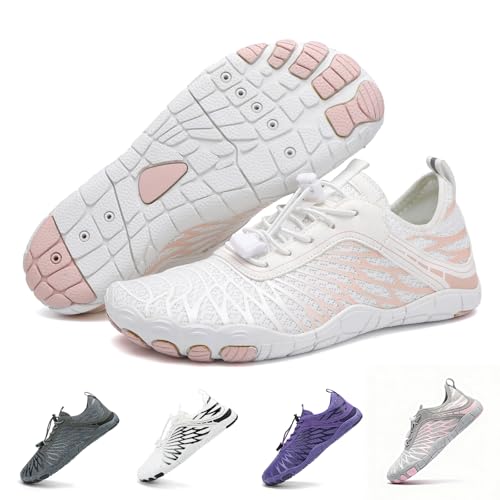


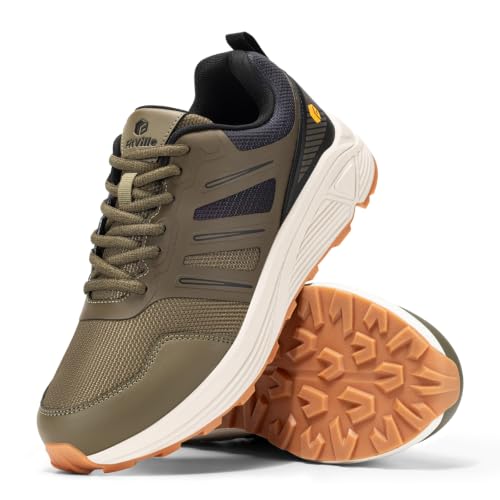

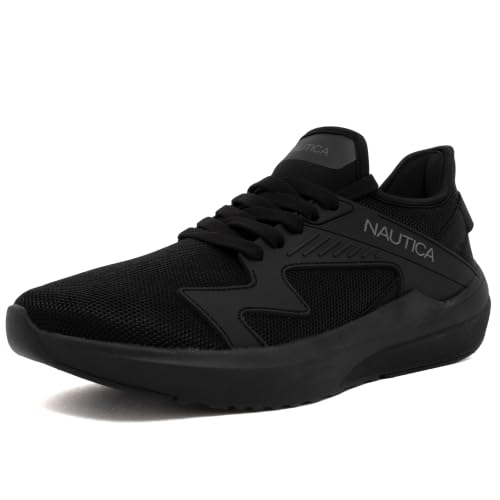
How Breathable Shoes Keep Sweaty Feet Drier
Three parts of a shoe decide how much moisture it holds: the upper, the lining, and the insole. An open mesh or knit upper lets warm air and vapor pass outward. A thin, moisture wicking lining pulls sweat off the skin so it can evaporate instead of pooling. A perforated or removable insole lets air reach the footbed and gives you something to dry or replace.
Thick padding, coated synthetics, and sealed rubber panels do the opposite. They can feel soft in the shop and then turn into a warm bag by afternoon. When you compare shoes, press the upper between your fingers and look for visible ventilation over the toes and midfoot.
Materials That Work Best
Engineered Mesh
Mesh offers the strongest airflow and the fastest drying time, which makes it the default choice for hot weather, workouts, and long walks. Look for reinforced overlays at the toe and heel so the open weave does not tear early.
Knit Uppers
Knit feels sock like and stretches with swelling feet. Dense knits can hold heat, so choose styles with open zones rather than assuming all knit breathes the same.
Perforated Leather
Perforated leather breathes better than solid leather and suits office or work settings where a smarter look matters. It still runs warmer than mesh and dries more slowly, so it works best in mild weather.
Types of Shoes to Consider
Mesh Walking and Running Shoes
These suit daily walking, errands, and exercise. They are light, cushioned, and ventilated, and most have removable insoles. They are the safest starting point for most people with sweaty feet.
Breathable Work Shoes
If you stand for a full shift, look for a ventilated upper with a slip resistant outsole and enough arch support. Workplaces may require a specific toe or sole rating, so confirm that before buying.
Ventilated Sandals
Open sandals give the most airflow in hot weather and at home. They offer less protection and security, so treat them as a partner to closed shoes rather than a full replacement.
Fit and Comfort Checks
Try shoes late in the day, when feet are at their largest, and wear the socks you use most. Leave about a thumb width in front of your longest toe, and make sure the heel stays put as you walk. A tight shoe squeezes out air channels, while a loose one lets the foot slide and rub, which raises blister risk on damp skin.
Walk on a hard floor at home and notice whether heat builds within the first ten minutes. If the shoe feels warm and sealed already, it will feel worse by the end of the day.
Socks, Rotation, and Drying
Socks matter as much as shoes. Thin synthetic or merino blend socks wick moisture better than cotton, which stays wet. On very hot or long days, a midday sock change resets comfort better than any spray or powder.
Rotate two pairs so each gets a full day to dry. Pull the insoles out after wear, keep shoes in a ventilated spot, and avoid radiators or strong sun, which can warp foam and weaken glue. Stuffing shoes loosely with paper helps draw out moisture on damp days.
Matching Shoes to Your Day
Think about where your feet spend most of their time before you compare models. A commuter who walks between train stations needs a light, cushioned mesh shoe that dries quickly after a rushed morning. A nurse, cashier, or warehouse worker needs the same airflow plus a stable sole and arch support that lasts through ten hours on hard floors. Someone who works from home may be happiest in an open sandal or a very light knit shoe that can be kicked off without a fight.
Climate matters too. In humid weather, sweat has trouble evaporating, so ventilation and a fast drying lining count for more than extra cushioning. In dry heat, a mesh upper can feel almost cool, but the sole still absorbs heat from pavement, so look for a midsole that is not overly thick and dense.
Finally, think about how many pairs you need. Many people with sweaty feet end up with two closed pairs for rotation and one open pair for home. That setup costs less over a year than replacing a single worn out pair, because each shoe gets time to dry and keeps its shape longer.
Budget Guide
Breathable shoes usually run from about $40 to $160. A mid range mesh shoe covers most daily needs, a budget pair suits light use, and a higher price tends to buy longer lasting mesh, better cushioning, and washable construction. Spend first on fit and ventilation, then on cushioning.
Common Mistakes
- Choosing a soft padded shoe that traps heat because it feels comfortable in the shop.
- Wearing one pair every day, so the midsole never dries and odor builds.
- Wearing thick cotton socks that hold sweat against the skin.
- Buying a tight fit that cuts off airflow and causes friction.
- Washing with high heat, which can warp soles and shrink uppers.
Related Guides
For a women's fit, see our guide to the best breathable shoes for sweaty feet women's. For open styles, compare the best sandals for sweaty feet, and for general options see the best shoes for sweaty feet.
Frequently Asked Questions
Do breathable shoes stop foot odor?
They reduce odor by helping feet dry faster, but they do not remove it alone. Wicking socks, washable insoles, and full drying between wears help more. If odor comes with itching, peeling, or cracked skin between the toes, talk with a pharmacist or clinician, since a fungal problem may need treatment.
Are mesh shoes durable enough for daily wear?
Good mesh shoes last well when the mesh is reinforced at flex points and the sole is well bonded. Check stitching and toe caps before buying, rotate pairs, and replace them when the mesh tears or the cushioning collapses.
What socks work best with sweaty feet?
Thin synthetic or merino blend socks that wick moisture usually beat cotton. Try a few thicknesses with your shoes, since a thick sock changes the fit.
Can I wash breathable shoes?
Many mesh shoes tolerate gentle hand washing, but follow the maker's label. Remove laces and insoles, rinse well, and air dry away from heat before wearing them again.
When should sweaty feet get medical advice?
See a clinician for sores, blisters that do not heal, numbness, swelling, or skin changes that spread. People with diabetes should check their feet daily and seek prompt care for any break in the skin.
Final Thoughts
Pick a ventilated upper, a wicking lining, and a fit that stays secure as your feet swell, then back it up with good socks and a rotation routine. Use the product table above to compare finalists, and the best breathable shoes for sweaty feet will keep you comfortable from the first step to the last.