
Best Climbing Shoes for Greek Feet: Matching the Right Model to Your Routine for 2026
Disclosure: We may earn a commission when you buy through links on this page, at no extra cost to you. As an Amazon Associate I earn from qualifying purchases. Learn more

A longer second toe changes climbing shoe fit: this guide to the best climbing shoes for greek feet covers toe box shape, closure and rubber for your routine.
A Greek foot shape means your second toe is longer than your big toe, and that one detail changes how a climbing shoe should feel. If you shop for best climbing shoes for greek feet without accounting for that longer second toe, you will often end up with hot spots, curled toes, or a toe box that feels roomy in the wrong places. The right pair follows your foot shape instead of fighting it.
There is no single pair that suits every climber, because a relaxed gym session, a long outdoor route, and a steep boulder problem ask for different things. This guide matches shoe traits to your routine first, then explains the fit details that matter most. Use the comparison table below to see how the main options differ once you know what to look for.
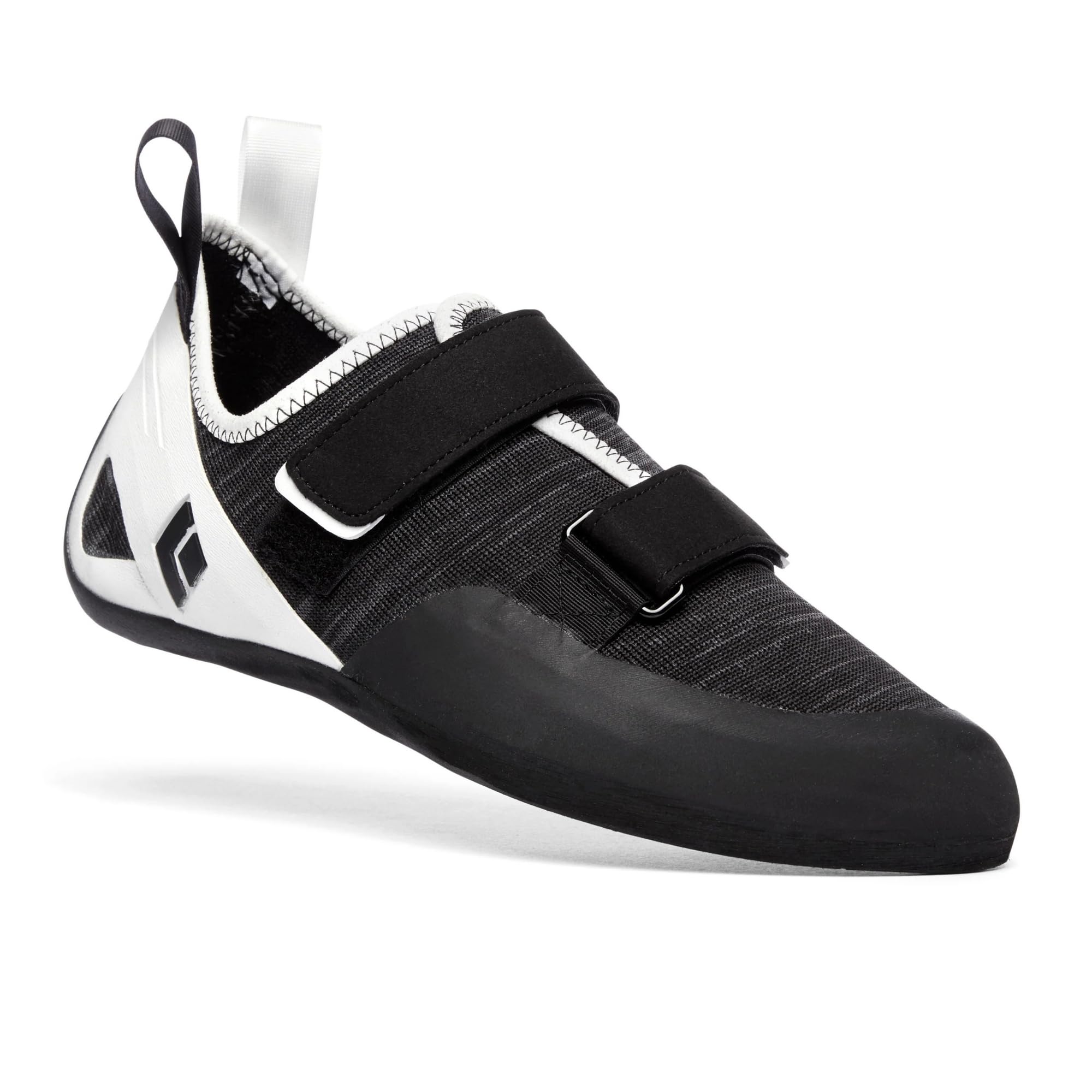


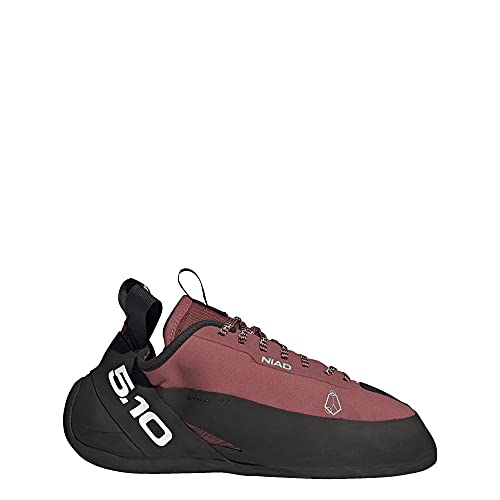
Who Should Buy the Best Climbing Shoes for Greek Feet?
Start with how you actually climb, not with the most aggressive shape on the shelf. Your session length, wall angle, and experience level should decide how much downturn, stiffness, and sensitivity you need. Greek feet add one more filter on top of those choices, because toe box length and taper matter more for you than for most climbers.
For Weekend Beginners
If you climb once or twice a week and you are still learning footwork, choose comfort and durability over extreme performance. A flat or mildly curved last, a thicker sole, and a forgiving upper will let you stay on the wall longer while you build technique. For Greek feet, look for a toe box that gives your second toe room without forcing it to bend sharply. A price around $80 to $130 usually covers this level well, and you do not need the softest rubber yet.
For Frequent or Serious Users
If you climb three or more times a week, project harder grades, or spend time on steep terrain, you will value sensitivity and a secure heel. A moderate downturn helps you pull with your feet on overhangs, and thinner rubber lets you feel small edges. Make sure the added performance does not come from a sharply pointed toe box, because that shape crowds a long second toe. Look for a tapered but elongated front, a strong closure system, and a clear resole option so the pair lasts.
For Bad Weather and Tough Conditions
Outdoor climbers who face damp approaches, gritty rock, and long walk offs need tougher materials and a fit that still works after hours of wear. Choose a less stretchy upper, often leather or a firm synthetic, so the shoe keeps its shape when conditions are rough. A sturdier rand and a sole with solid edging support help on uneven rock. For Greek feet, avoid shoes that shrink or soften unevenly, because a changing toe box will punish that longer second toe first.
Key Features to Compare
Features only matter when you connect them to a real moment on the wall. A soft shoe feels great on volumes but can tire your feet on tiny edges, while a stiff shoe supports long routes but can feel clumsy indoors. Work through these points in order, starting with toe shape, because for Greek feet that choice shapes everything else.
Features That Matter for Greek Feet
The defining need is length and taper in the right place. Your second toe needs room to lie nearly straight, or at least to curl only slightly, while your big toe still reaches the front to edge with power. Look for models described as having a longer toe box, a center focused point, or an asymmetric shape that follows a longer middle toe line. Avoid very short, blunt toe boxes built for a square foot shape, because they tend to press the second toe down. If you are comparing foot shapes, our guide to the best climbing shoes for roman feet explains the blunt front that usually does not suit Greek feet.
Size, Weight, and Fit
Fit matters more than the number printed on the box, and brands size very differently from each other. Try shoes late in the day when your feet are slightly swollen, and wear them for at least ten minutes in the shop if you can. Your toes should touch the front with light pressure, your heel should stay put when you stand on an edge, and there should be no empty pocket above your toes. Many climbers go down half a size to a full size from street shoes for a snug gym fit, but beginners should stay closer to street size. Check the brand size chart for foot length in centimeters, because that measure travels better between brands than a US size alone.
Portability and Storage
Climbing shoes travel hard in gym bags and packs, and how you store them affects fit and odor. Choose a breathable shoe bag that keeps sharp gear away from soft uppers, and never leave shoes sealed in a hot car. A carabiner loop on the heel makes it easy to clip a pair to the outside of a pack on an approach, which also airs them out. For Greek feet, storage matters for shape too, because crushing the toe box in an overfilled bag can create a pressure point right where your second toe sits.
Skill Level and Intended Use
Beginner friendly shoes use flatter shapes, thicker rubber around 4 to 5 mm, and more support under the arch, which keeps feet fresh during long learning sessions. Intermediate all around options add a mild downturn and slightly thinner rubber for better feel on smaller holds. Advanced performance options use strong downturn, soft midsoles, and sticky thin rubber for steep and precise climbing, but they tire feet faster and wear sooner. Match the level to your current climbing, not the grade you hope to try next year, and you will enjoy more sessions in the pair.
Foot shape comparisons help narrow the field before you try anything on. If your forefoot is slim as well as long in the second toe, see our guide to the best climbing shoes for narrow feet for notes on low volume fits. If you also deal with a flat arch, the advice in our guide to the best climbing shoes for flat feet covers support and stiffness choices that pair well with a Greek toe shape.
Common Mistakes to Avoid When Buying Climbing Shoes
- Shopping by price alone. A cheap pair with the wrong toe shape will cost you comfort on every climb, while a pricey aggressive pair can slow a beginner down.
- Ignoring the second toe. If that toe bends sharply or goes numb in the shop, the shoe will not break in enough to fix it later.
- Buying far too small. Pain is not performance, and a fit that cuts circulation hurts your footwork and your focus.
- Skipping the closure check. Laces give the finest adjustment, straps are fast, and slippers are simple, but each changes how the toe box holds your foot.
- Forgetting the warranty and resole path. Check return terms for sizing swaps and ask whether the sole can be replaced when it wears thin.
Tips to Get the Most From Your Climbing Shoe
Store your shoes out of direct sun and extreme heat, because heat softens glue and can warp rubber. Check wear before each use, especially at the toe, where Greek foot climbers often wear a focused spot above the second toe. Clean and dry shoes after outdoor use by brushing off grit and letting them air dry with the closure open. Never use a dryer or a heater vent, because forced heat damages the upper and the rand.
A small practical habit helps a lot: loosen the closure fully before you pull the shoe on, then tighten from the toes upward. This seats your longer second toe in the right place before the heel locks in. Between climbs at the gym, slip your heels out to restore blood flow and reduce pressure. Rotating two pairs, if you climb often, also lets each pair dry fully and keeps the fit more consistent.
FAQs
What features matter most in climbing shoes for greek feet?
Toe box length and taper matter most, followed by closure control and rubber thickness. Your second toe needs room to sit with only a slight bend, while the big toe still reaches the front for edging. Look for an elongated, center focused front and avoid blunt square shapes. A lace closure helps fine tune pressure across the toes if you are between sizes.
Indoor vs outdoor: does it matter?
Yes, it changes what you should prioritize. Indoor climbing rewards soft, sensitive shoes that grip volumes and smear well on smooth walls. Outdoor climbing rewards edging support, a tougher upper, and rubber that holds up on rough rock. Many climbers who do both choose one all around pair first, then add a more specific second pair later as their routine becomes clear.
Is it worth buying premium as a beginner?
Usually not for your first pair. Premium shoes trade durability and comfort for sensitivity and downturn that beginners rarely use well. A mid priced, flat to mildly curved pair will teach you better footwork because you can wear it longer each session. Save the higher budget for your second pair, when you know your size in a brand and the terrain you prefer.
What size should I get?
Start near your street shoe size for comfort focused models, and expect to go down half a size for a snug performance fit. Measure your foot length in the evening and compare it with the brand size chart rather than trusting the printed size alone. Your toes should touch the end with light pressure and no sharp pain. If your second toe alone feels crushed while the rest fits, try a different toe box shape instead of a bigger size.
How long does it last?
Most climbing shoes last about six to twelve months of regular gym use before the toe rubber needs a resole. Outdoor use on rough rock can wear soles faster, while careful footwork extends life a lot. Resoling makes sense when the upper and rand are still sound, and it often costs far less than a new pair. Retire a shoe when the rand shows through or the shape no longer holds your foot securely.
If sweat and odor are a bigger issue for you than toe shape, our guide to the best climbing shoes for sweaty feet covers breathable uppers and care routines. Climbers with a toe line that slopes down evenly from the big toe can also compare notes in our guide to the best climbing shoes for egyptian feet, which shows how a different taper changes fit.
The Bottom Line
For Greek feet, the decision comes down to three things: a toe box long enough for your second toe, a closure that lets you fine tune pressure, and a level of downturn that matches your real routine. Beginners should favor comfort and durability, frequent climbers can add sensitivity, and outdoor climbers should value toughness. Compare your short list with the product table above, try on more than one shape, and choose the best climbing shoes for greek feet that let you climb longer without thinking about your toes.


