
Best Basketball Shoes For Narrow Feet 2026 Buying Guide
Disclosure: We may earn a commission when you buy through links on this page, at no extra cost to you. As an Amazon Associate I earn from qualifying purchases. Learn more

A practical guide to the best basketball shoes for narrow feet: narrow lasts, lockdown and heel hold.
If you are shopping for best basketball shoes for narrow feet, this guide will help you compare options clearly.
Narrow feet can swim inside standard basketball shoes, causing the foot to slide during cuts, blisters from excess movement, and a feeling of poor control. The right shoe locks the midfoot, narrows the last, and keeps the heel snug without crushing the toes. This guide explains last shape, lacing, and upper design for narrow footed players.


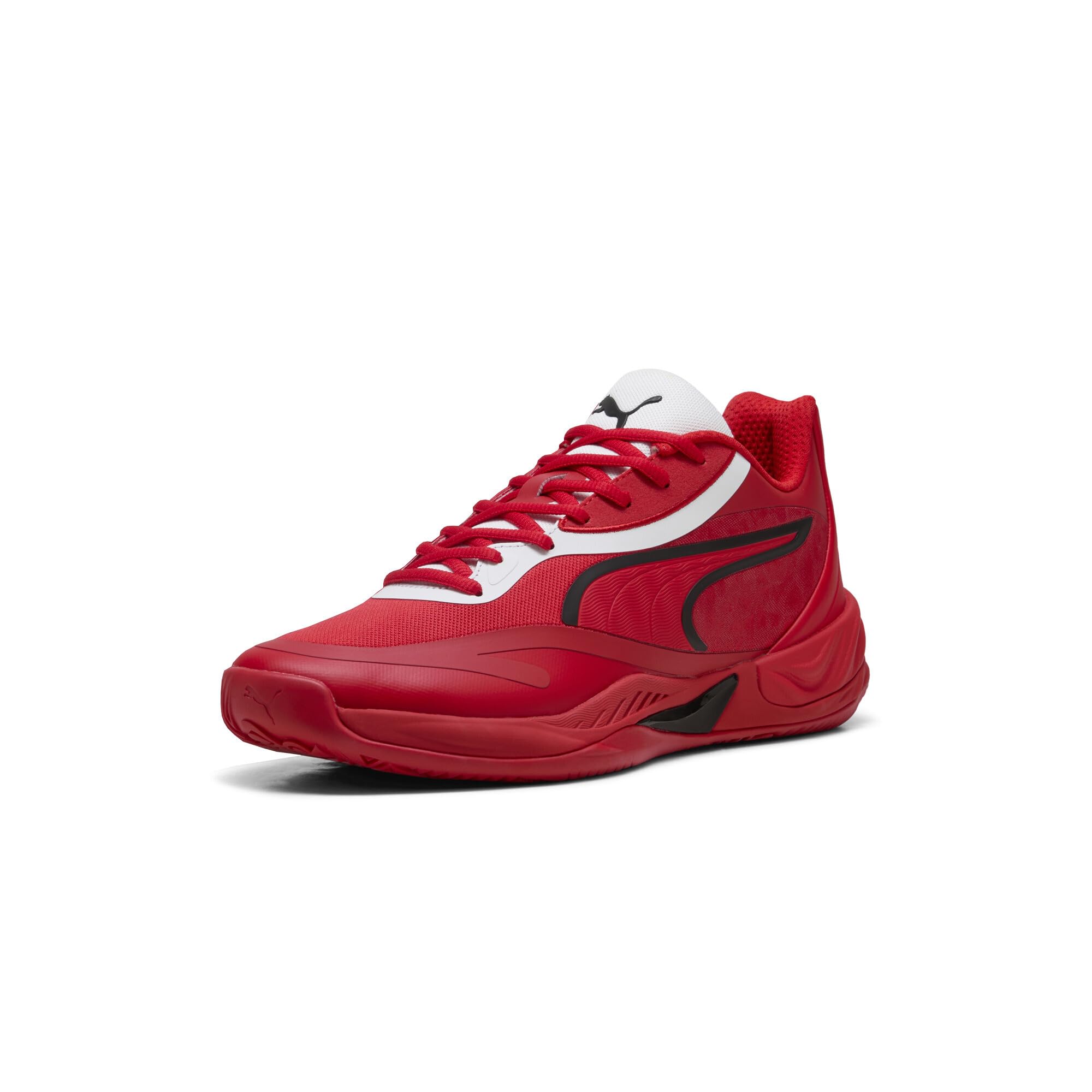


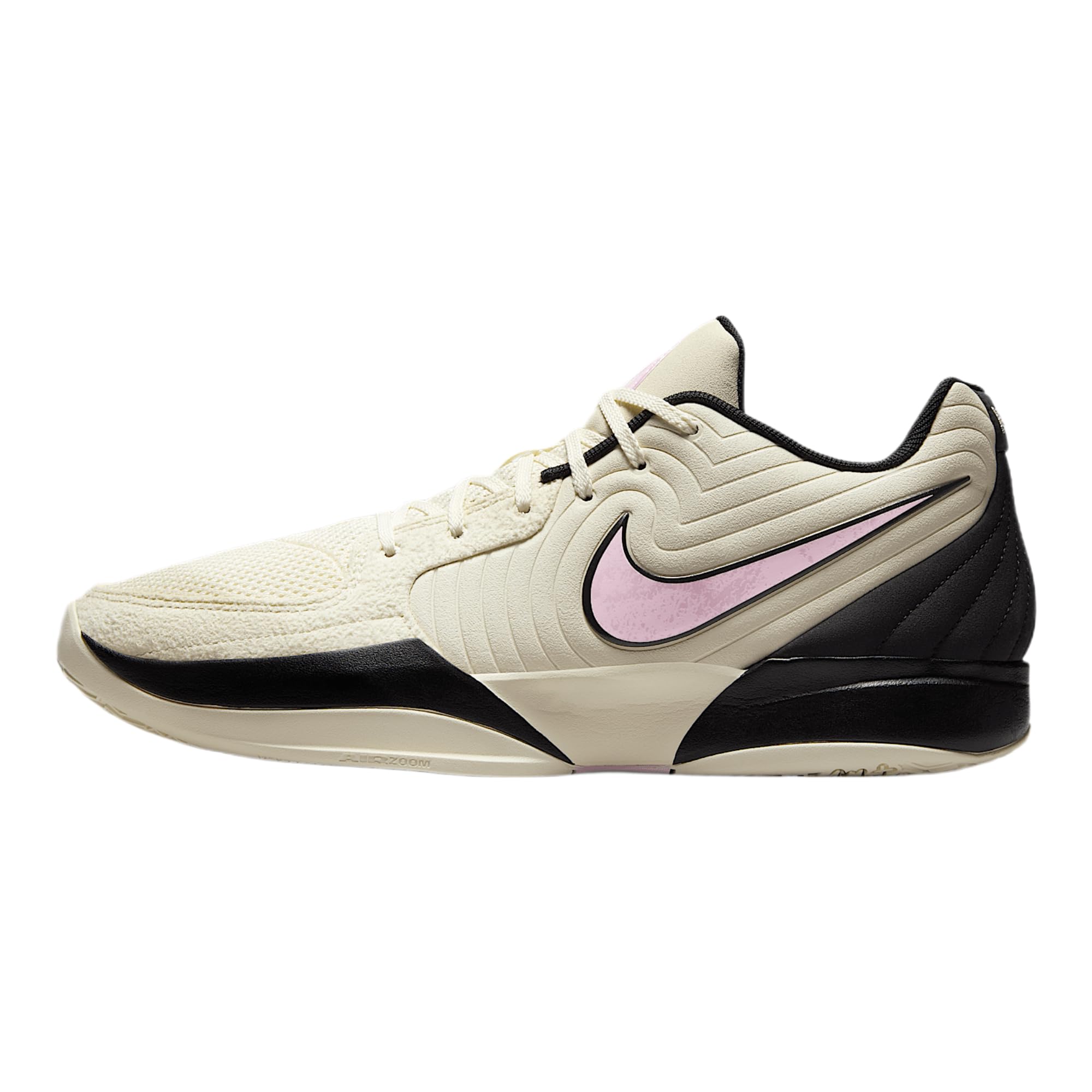
The comparison table below brings the main choices together in one place. In the sections below, you will find the main types explained side by side, the features worth comparing, and practical advice on fit, safety, and care. Use it as a checklist while you shop, and take your time with the sections that match your situation.
Understanding Basketball Shoes For Narrow Feet
Basketball shoes are often built on a medium to wide last, since many players need forefoot room. For narrow feet, that extra volume means the foot moves inside the shoe, especially during lateral cuts. A narrow last, a snug midfoot overlay, and a secure lacing system reduce that movement.
The heel cup should grip firmly, since heel slip is the first sign of a too roomy shoe. When you compare the best basketball shoes for narrow feet, start with narrow lasts, lockdown and heel hold.
Types Compared
There is no single type that suits everyone, so compare the options below against your space, your routine, and your budget. The right type is the one that fits your daily use, not the one with the longest feature list.
Narrow last basketball shoes
A narrow last shoe is shaped slimmer through the forefoot and midfoot from the start. It suits players who consistently find standard widths roomy, and who wear narrow street shoes. The fit should feel snug without pinching toes, and the heel should stay put during cuts.
Try the shoe with game socks, and perform lateral shuffles in the shop. If the foot still slides, the last is still too wide, regardless of lacing tricks.
Lace lockdown basketball shoes
Some shoes use extra eyelets, lace loops, or a midfoot strap to lock the foot down. They suit narrow footed players who cannot find a narrow last in their preferred model. A runner loop at the top eyelet, laced in a heel lock pattern, can also reduce heel slip.
Learn a heel lock lacing pattern, and tighten the midfoot before the forefoot. Avoid overtightening the toes, which causes numbness and blisters.
Low volume upper shoes
Thin, structured uppers with minimal padding suit narrow feet because they add less bulk inside the shoe. They feel closer to the foot and respond quickly during cuts. They suit guards and players who value court feel, provided the upper still supports lateral moves.
Check that the upper does not stretch excessively with wear, since a stretched upper will loosen a narrow fit over time. Synthetic overlays usually hold shape better than soft knit alone.
Key Features to Compare
Use this list as a shortlist tool. Note which features matter most for your situation, and ignore the rest, so a long specification sheet does not distract you from fit and everyday usability.
- Narrow or snug last: A slimmer shape through forefoot and midfoot reduces in shoe sliding.
- Firm heel counter: A heel cup that grips prevents heel lift during cuts and jumps.
- Midfoot lockdown: Laces, straps, or overlays that hold the midfoot firmly.
- Structured upper: Materials that keep shape and support, rather than stretching loose.
- Toe room without excess width: Enough length for toes, without width that lets the foot swim.
Who Should Buy These
Basketball shoes for narrow feet suit players who wear narrow street shoes, players with heel slip in standard widths, and guards who need precise control. They also suit younger players whose feet are still narrow relative to shoe sizes. They are less suited to wide footed players, who will find narrow lasts painful. If toes go numb or blisters form at the sides, the shoe may be too narrow rather than simply snug.
Common Mistakes to Avoid
A common mistake is buying a smaller size to fix width, which crushes toes and shortens the shoe. Another is overtightening laces to compensate for a wide shoe, which cuts circulation and causes numbness. Choosing a shoe with a stretchy knit upper that loosens over time also undermines a narrow fit. Finally, ignoring heel slip is risky, since a lifting heel increases blister and sprain risk.
Care and Safety
Lace shoes with a heel lock pattern, and replace laces that stretch or fray. Air shoes after games, and check uppers for stretching at the midfoot. Replace shoes when the heel counter softens or the upper loses shape. If you notice numbness, persistent blisters, or foot pain that alters your gait, check fit first, then talk with a clinician or podiatrist if symptoms persist.
A Final Check Before You Order
Before ordering, recheck size, fit, and the features you marked as essential, and confirm that the product table above matches your shortlist. A few minutes of checking now saves the hassle of a return later, and it helps you feel confident when the order arrives.
Related guides can help you compare nearby choices. For the wider category, see the guide to best basketball shoes, and for general narrow foot advice, see the guide to best shoes for narrow feet. For warm weather narrow fits, see the guide to best sandals for narrow feet.
Frequently Asked Questions
How do I know if I need a narrow basketball shoe?
If your foot slides side to side in standard widths, the heel lifts during cuts, or you must overtighten laces to feel secure, a narrow fit may help. Also check street shoe width. If you consistently wear narrow widths off court, you likely need a narrower last on court too.
Should I just buy a smaller size?
No, a smaller size shortens length and crushes toes, while width may still feel roomy in the wrong places. Choose the correct length first, then look for a narrow last or a lockdown system. Toe room should allow a thumb width at the front when standing.
What is heel lock lacing?
Heel lock lacing uses the top eyelets to form loops, then threads laces through the opposite loops to pull the heel back into the cup. It reduces heel slip without overtightening the forefoot. Many players find it improves control in shoes that are slightly roomy.
Are narrow shoes uncomfortable for wide toes?
A narrow shoe should still give toes room to spread slightly, especially the big toe. If toes feel crushed, blister at the sides, or go numb, the shoe is too narrow. In that case, try a standard width with a lockdown system instead of forcing a narrow last.
Can insoles help a shoe that feels too wide?
A thicker insole or a volume insole can take up a little space and improve fit, but it cannot fix a last that is far too wide. It may also raise the foot and reduce ankle support. Use insoles as a fine tune, not a fix for a badly fitting shoe.
Final Thoughts
Choosing the right basketball shoes for narrow feet comes down to fit, everyday usability, and honest priorities, rather than chasing every feature on offer. Use the product table above to narrow your shortlist, check fit and feel where you can, and keep safety and care in mind after purchase. With that approach, best basketball shoes for narrow feet becomes a confident choice you can enjoy for a long time.


