
Best Athletic Shoes for Narrow Feet 2026: Fit and Lockdown Guide
Disclosure: We may earn a commission when you buy through links on this page, at no extra cost to you. As an Amazon Associate I earn from qualifying purchases. Learn more

Best athletic shoes for narrow feet: how to find a true narrow width, lock the heel and keep toes comfortable for running, training and walking.
Heel slip, a loose midfoot and blisters are the usual complaints from people who wear standard widths on slim feet. This guide covers the best athletic shoes for narrow feet: which brands sell a true narrow width, how to judge the fit, and which shoe type suits running, gym work or daily walking.
The product table lists narrow width models from brands that still make them. Read the fit advice below first, then use the table to compare cushioning, support and price.
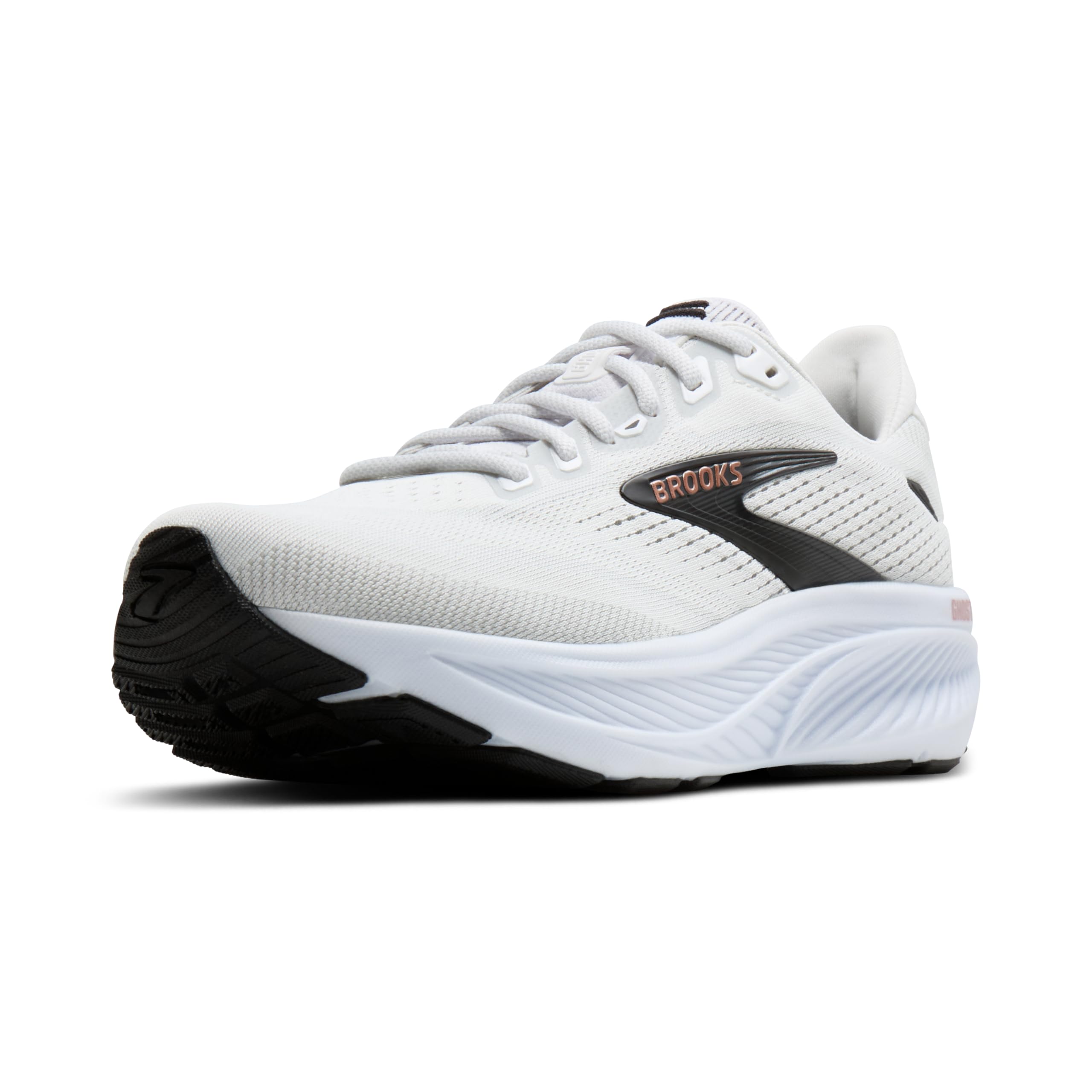
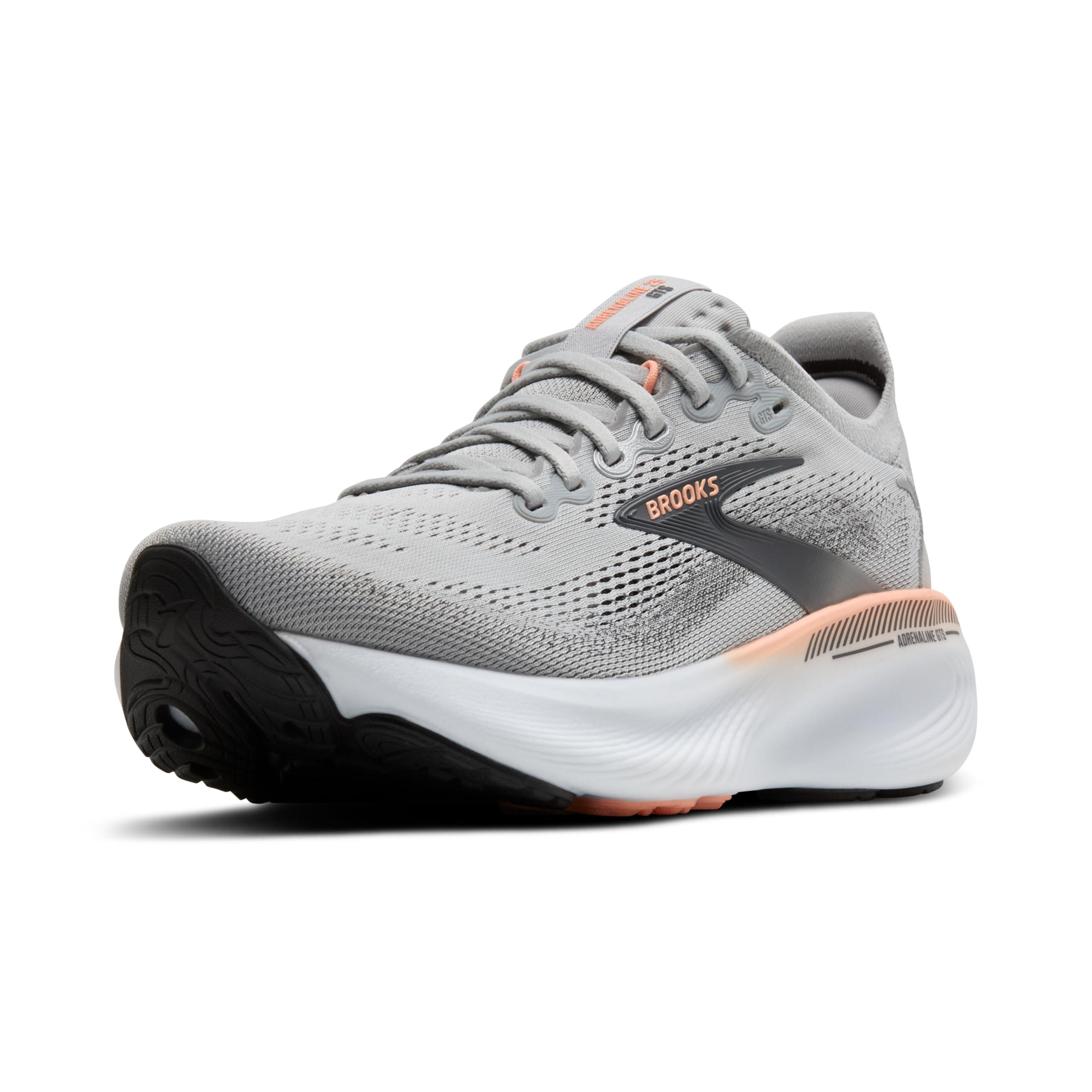


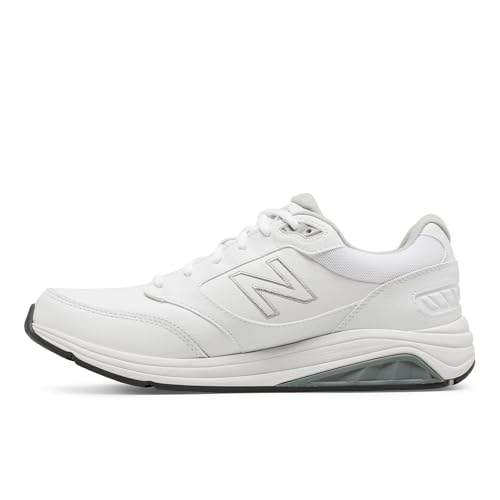

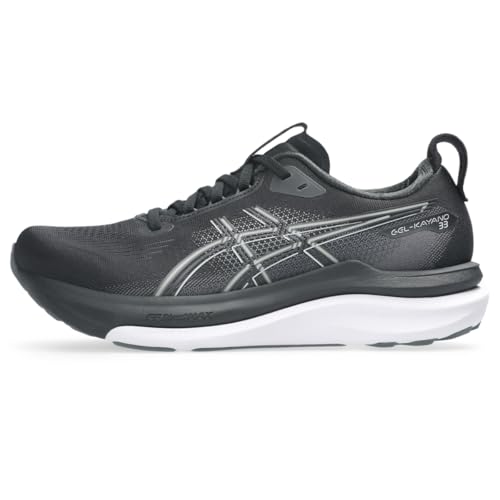
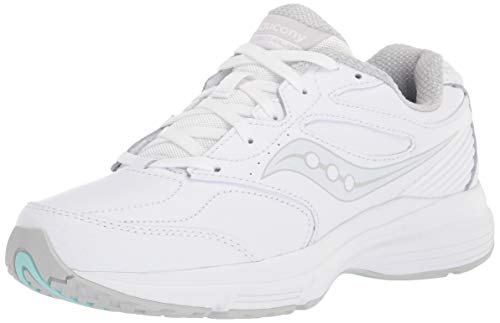
How to Choose the Best Athletic Shoes for Narrow Feet
Look for a labeled narrow width
Sizing down in length only shortens the toe box and leaves the midfoot loose. Brooks, New Balance, ASICS and Saucony list narrow widths (often marked B for women or D to 2A for men) in their core models. Pick the width first, then the length.
Check heel hold and lacing
A snug heel counter and a full set of eyelets let you cinch the midfoot. If your heel still lifts, use the extra top eyelet for a runner's loop (heel lock) before changing sizes.
Keep room at the toes
Narrow does not mean cramped. You want about a thumb's width in front of the longest toe and enough height to let toes spread on push off. A tapered shoe that crushes the toes is the wrong fit.
Which Shoe Type Fits Your Routine
Running shoes
Neutral cushioned models such as the Ghost line suit most runners. Runners whose feet roll inward often prefer a stability model such as the Adrenaline GTS, which also comes in narrow widths.
Walking and standing shoes
Walking shoes such as the Addiction Walker or New Balance walking models add a firmer heel and a stable base for long days on your feet.
Everyday trainers
Classic cross trainers like the New Balance 608 give lateral hold for gym classes and casual wear, and they come in several widths.
Lacing Tricks for a Narrow Foot
Even a well chosen narrow shoe can feel loose until it is laced for your foot shape. Three simple methods help most people.
- Runner's loop: thread the lace through the top eyelet on the same side, cross the loops and pull tight to lock the heel.
- Skip the middle eyelets if the midfoot feels pinched but the heel still slips.
- Use the extra lace length and tie a firm double knot so the tongue stays centered.
Re-lace the shoe from the toes up each time you put it on. Many narrow footed buyers loosen the lower laces once and never retighten them, which is where the sliding starts.
Price Tiers and What They Add
Budget walking and cross training shoes in narrow widths cost the least and cover the basics: a stable base and a snug upper. Mid priced running shoes add softer foam, a roomier engineered mesh upper and better heel structure. Premium models add more cushioning, a more supportive frame or leather and suede for long wear. Because only some colors and sizes are made in narrow widths, availability matters as much as price, so confirm the width label before you order.
Common Mistakes to Avoid
- Buying a shorter size to fix width, which cramps the toes.
- Ignoring the width label on the box or product page.
- Choosing a shoe for looks only, when a poorly shaped heel will keep slipping.
- Wearing thick socks to fill a wide shoe instead of finding a narrow model.
If a shoe feels right on the first walk but blisters appear after a week, check the heel and the lace tension before blaming the size.
Width Labels by Brand
Width codes are not universal, so read each size chart. For men, D is medium, 2E is wide and 4E is extra wide, while B is narrow and 2A is extra narrow. For women, B is medium, D is wide, 2A is narrow and 4A is extra narrow. Brooks, New Balance, ASICS and Saucony all use these letters on at least some models, but New Balance also offers more widths than most.
When a retailer shows a shoe with no width label, assume it is medium. Search by width, not just by size, because narrow stock is often limited to a few colors.
Related Guides
Compare more fit options in best shoes for narrow feet and best running shoes for narrow feet. If your foot is flat or has a wider forefoot, see best athletic shoes for flat feet and best athletic shoes for wide feet. Warm weather wearers can also read best sandals for narrow feet.
Frequently Asked Questions
How do I know if I need a narrow shoe?
You may need one if your foot slides side to side in standard widths, your heel lifts when laced firmly, or the shoe creases oddly across the midfoot. A store fitter can measure width as well as length.
Should I size down instead of buying narrow?
Usually not. A shorter shoe cramps the toes without fixing the loose midfoot. If a brand has no narrow width, try another brand before you size down.
Can insoles fix a shoe that is too wide?
A thin insole or thicker sock can take up a little volume and help heel hold, but it will not turn a wide shoe into a narrow one. Add them gradually and stop if they cause new pressure points.
How should a narrow shoe feel on first wear?
Snug around the midfoot and heel, with free toes and no pinching at the sides. A little stiffness is normal and most shoes soften after a few short wears. If you notice pain or numbness, try another size or width and ask a clinician for foot advice.
Final Thoughts
A true narrow width, a secure heel and room for the toes matter more than any brand name. Use the product table to compare models, and keep the return window in mind while you confirm that the best athletic shoes for narrow feet for your routine feel locked in without squeezing.


