
Best Bouldering Shoes for Beginners 2026: Buying Guide
Disclosure: We may earn a commission when you buy through links on this page, at no extra cost to you. As an Amazon Associate I earn from qualifying purchases. Learn more

New to bouldering? Learn how climbing shoes should fit, how stiff they should be, and what beginners should avoid when buying first shoes. Start here.
Choosing best bouldering shoes for beginners can feel confusing, because climbing shoes fit far tighter than street shoes and use terms that mean little to a newcomer. A good beginner shoe should feel snug and supportive without causing sharp pain, and it should help you learn footwork rather than fight your feet.
This guide explains fit, stiffness, shape, and rubber, and it separates features that help beginners from features that only matter to advanced climbers. Use it to buy a first pair with confidence, and to know when a tighter or more aggressive shoe might make sense later. The comparison table below summarizes the main options so you can see the range at a glance before reading the detail.


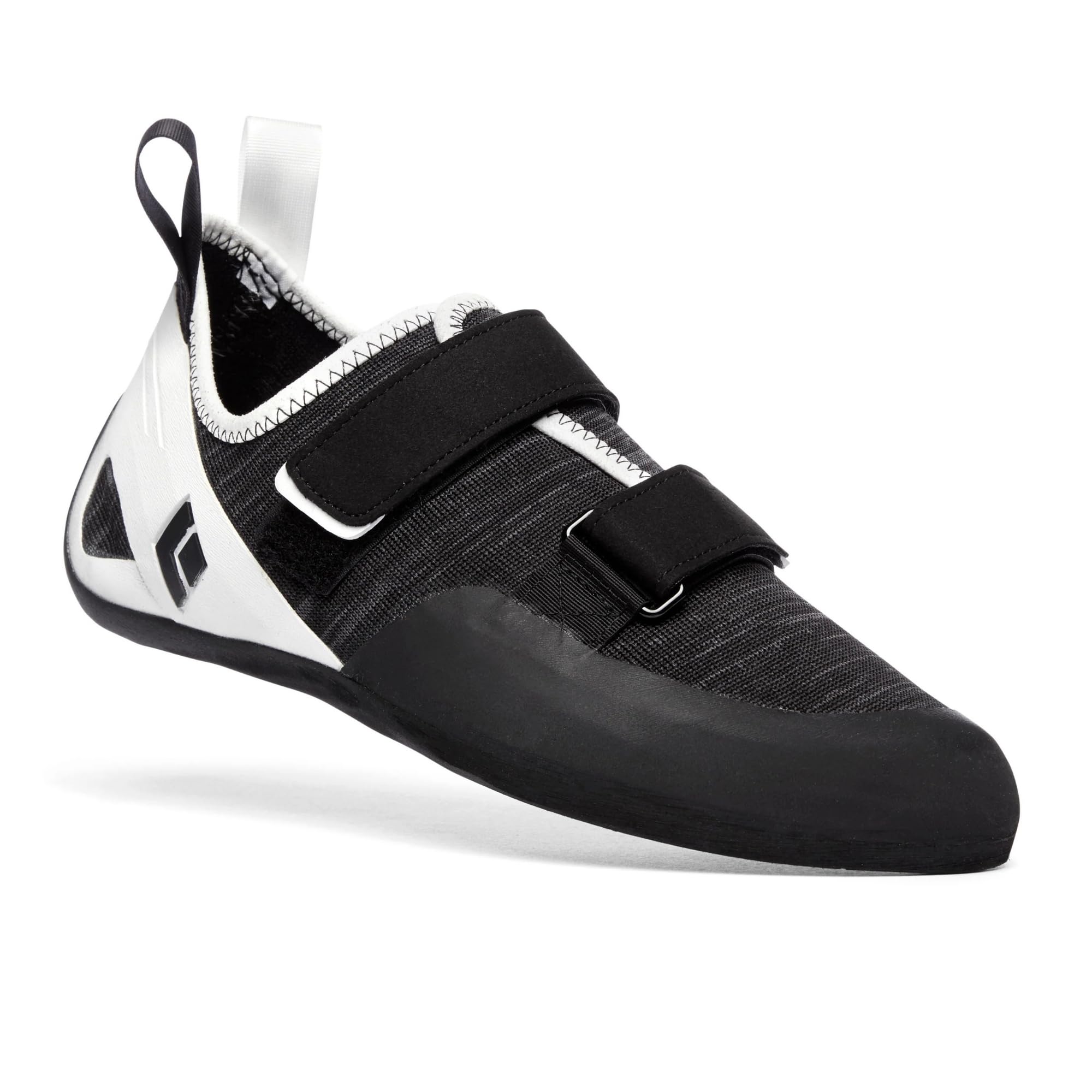
Who Should Buy Beginner Bouldering Shoes
These shoes suit adults and older children starting indoor bouldering, whether for fitness, fun, or a new hobby. They also suit climbers returning after a break who want comfort while rebuilding technique. Advanced climbers working steep overhangs may prefer a downturned, tighter shoe, but that shape can hinder learning and cause discomfort for a first pair.
Key Features to Compare
Focus on these features for a first pair, in this order.
- Fit. Shoes should feel snug all over with no dead space at the heel or toes, but toes should not curl painfully.
- Stiffness. A moderately stiff sole supports the foot on small holds and helps beginners trust their feet.
- Shape. A flat or gently curved profile suits learning, while a strongly downturned shape suits steep climbing later.
- Rubber. Sticky rubber grips holds well, and a thicker sole lasts longer while you learn foot placement.
- Closure. Laces allow fine adjustment, while hook and loop straps are quick to remove between climbs, which many beginners prefer.
Types Compared
Beginner bouldering shoes come in neutral flat models, moderate models with a slight curve, and rental style comfort models. Neutral flat shoes are the most comfortable and versatile for learning. Moderate shoes add a little precision for edging without much discomfort. Aggressive downturned shoes suit steep terrain but can hurt and tire feet quickly, so they rarely suit a first purchase. Leather uppers stretch more over time, while synthetic uppers hold their shape better.
How to Compare Options Side by Side
Try shoes in the afternoon when feet are slightly larger, and wear thin climbing socks or none, as you prefer. Stand, walk, and press your toes onto a small edge if the shop has one, and notice whether the heel stays put. The shoe should feel tight but not sharply painful, and discomfort that eases after a few minutes is normal, while numbness or sharp toe pain is a warning to try another size or shape. Compare two sizes, since climbing sizes differ from street sizes.
If you want to compare nearby options, our guides to best indoor bouldering shoes for beginners, best climbing shoes for bouldering beginners, best bouldering shoes cover related choices in more detail.
Setting Up and Everyday Use
Take shoes off between climbs to let feet recover, and air them after sessions to reduce odor. Brush holds and shoes lightly to remove chalk build up that reduces grip. Start with shorter sessions and build time gradually, since foot skin and muscles adapt over weeks. Keep toenails short, because long nails make tight shoes painful and can cause bruising.
Care and Long Term Value
Clean uppers with a damp cloth, and dry shoes away from direct heat, which can warp rubber. Resoling is possible when rubber wears thin, and it costs less than a new pair, so ask a cobbler before discarding worn shoes. Replace shoes when the upper tears, the heel slips badly, or the rubber is worn through to the midsole. Store in a ventilated bag rather than a sealed plastic bag.
Common Mistakes to Avoid
Buying shoes far too small is the most common beginner error, driven by advice meant for advanced climbers. Another mistake is choosing a very aggressive shoe before learning basic footwork, which hurts and teaches poor habits. Ignoring heel fit is also costly, since heel slip wastes energy on every move. Finally, do not buy without trying, because brands size very differently.
Safety Notes to Keep in Mind
Stop climbing if you feel sharp pain, numbness, swelling, color change, or weakness in feet or ankles, and seek advice from a clinician if pain persists or keeps returning. Climbing shoes should feel snug, not injurious, and children should never be forced into painfully tight shoes. Always follow gym safety rules, use mats correctly, and learn to fall safely from an instructor before climbing higher problems.
What to Expect From Budget Pairs
Budget beginner shoes often use simpler rubber and synthetic uppers, yet they can still teach good footwork if the fit is snug and the heel stays put. When comparing budget options, check that toes feel pressed but not painfully curled, and that the shoe does not slip on small edges. A comfortable budget pair you wear often beats an aggressive dearer pair that hurts and stays in your bag.
Getting the Most From Your Choice
In the first weeks, climb shorter sessions and focus on quiet, precise foot placements, since good technique protects both feet and rubber. Take shoes off between problems, and note any persistent hot spots, since they signal fit issues worth addressing early. Ask coaches or experienced climbers to check your footwork, because small adjustments extend shoe life greatly.
Replace or resole shoes when rubber wears thin at the toe, the heel slips badly, or the upper tears at stress points. Resoling suits well fitting pairs with sound uppers, while a poor fit deserves replacement rather than repair. When shopping again, bring your old pair and describe what hurt or helped, so staff can suggest a better shape or size.
Frequently Asked Questions
How tight should beginner climbing shoes be?
They should feel snug with no empty space, but not sharply painful. Toes may feel pressed flat, yet they should not curl hard or go numb. If pain stays sharp after a few minutes, try a larger size or a wider shape.
Should beginners buy aggressive shoes?
Usually not, because aggressive downturned shoes suit steep climbing and can hurt during learning. A flat or gently curved shoe supports basic footwork better and stays comfortable longer. Move to a more aggressive shape only when your climbing style demands it.
Laces or hook and loop straps?
Laces give finer adjustment across the foot, while straps are faster to remove between climbs. Beginners who climb in short bursts often prefer straps for convenience. Either system works if the overall fit is secure and the heel stays put.
How long do beginner shoes last?
Lifespan depends on frequency and footwork, but many beginners get several months of regular indoor use before rubber wears thin. Good foot placement extends life, while dragging toes shortens it. Resoling can extend a well fitting pair further.
Do I need climbing socks?
Socks are optional and mostly a matter of comfort and hygiene, especially with rental shoes. Thin socks slightly change fit, so try shoes with the socks you plan to wear. Bare feet give a closer feel but need clean, dry skin.
Final Thoughts
For best bouldering shoes for beginners, a snug, moderately stiff, flat profile shoe gives the best start, because it supports learning without punishing your feet. Choose comfort and fit over aggressive features, and upgrade only when your climbing genuinely asks for more. The product table above gives a quick way to revisit the main options after reading the guide.


