
Best Chlorine Tablets for Pool 2026: Buying Guide
Disclosure: We may earn a commission when you buy through links on this page, at no extra cost to you. As an Amazon Associate I earn from qualifying purchases. Learn more

A guide to the best chlorine tablets for pool care: tablet size, stabilizer, feeders, storage, and safe handling.
Chlorine tablets release sanitizer slowly, which is why they are the default for many home pools. Yet the wrong choice can mean cloudy water, a bleached liner, or equipment that corrodes early. The best chlorine tablets for pool care depend on three things: the tablet size your feeder takes, whether the formula is stabilized, and how much storage space you have for the pack. This guide covers those basics for typical residential pools.
The product table below shows popular tablets by size and pack weight. Follow your product label and local pool guidance for exact doses.
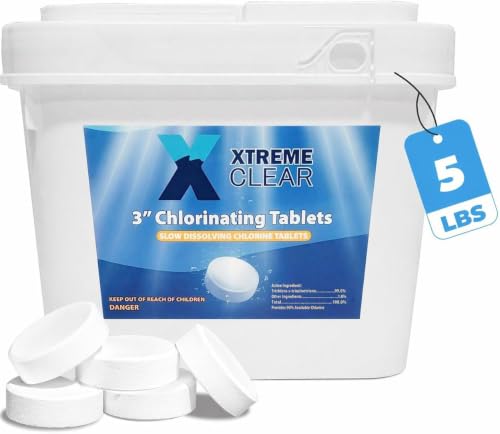


Trichlor, Dichlor, and Multifunction Tablets
Most pool tablets are trichlor, a strong, slow dissolving form that also adds stabilizer and lowers pH over time. It suits outdoor pools with a feeder or floater. Dichlor dissolves faster, sits closer to neutral pH, and shows up more in spa products and shock treatments. Multifunction tablets combine chlorine with clarifier or algaecide for convenience, but they make it harder to adjust each factor on its own when something drifts.
If you are new to pool care, plain trichlor tablets plus a good test kit give you the most control for the money. Add specialty products one at a time, only when your water readings call for them.
One Inch and Three Inch Sizes
Three inch tablets last longer in a feeder and suit larger pools. One inch tablets dissolve faster and give finer control for smaller pools and spas. Pick the size your feeder or floater is designed for. Never break or crush tablets to make them fit, because that changes the dissolve rate and can jam equipment.
Stabilized or Unstabilized
Stabilizer (cyanuric acid) helps chlorine survive sunlight, so stabilized tablets suit outdoor pools. Indoor pools get little benefit and can build up stabilizer for no reason, so unstabilized products fit better there. Whatever you choose, check stabilizer now and then, because it only leaves the water when you drain and refill.
Comparing Value
Bucket price alone misleads. Compare the price per pound of tablet, check whether the tablets are individually wrapped, and think about how many weeks the pack will last on your pool. A cheaper bucket that crumbles or dissolves unevenly can cost more in water problems than a slightly pricier, consistent one. Typical packs range from about $20 to over $100 depending on weight.
Buy only what you can use within a season or two. Damp or hot storage weakens tablets and turns some into hard lumps.
Everyday Use
Add tablets only through a feeder, floater, or other dispenser made for them, and keep the pump running so treated water circulates. Check free chlorine and pH a few times a week, and adjust the feeder setting in small steps. Keep a short log so you can see trends before the water turns cloudy.
Never mix different chlorine products in one feeder, and never toss tablets loose into the pool, where they can bleach liners and stain plaster.
Safety and Storage
Handle tablets with gloves and eye protection in a ventilated area. Store them in the original container, tightly closed, in a cool, dry, locked spot away from acids, fuel, and other chemicals. Keep them away from children and pets. If tablets are swallowed, or if there is severe eye or skin irritation or breathing trouble, seek urgent medical help and bring the container.
Troubleshooting Cloudy Water
Cloudy water despite chlorine usually points to filtration, balance, or circulation. Check pH, alkalinity, and stabilizer, make sure the filter runs long enough each day, and clean or backwash it as needed. Adding more tablets rarely fixes a balance problem and can push stabilizer too high.
Related Guides
Different pools need different routines. Our guides to best chlorine tablets for swimming pools and best chlorine tablets for inground pool cover full size pools. For liners, see best chlorine tablets for vinyl pools, and for compact pools, see best chlorine tablets for small pool and best chlorine tablets for kiddie pools.
Reading a Tablet Label
Labels list the active ingredient, the available chlorine percentage, the tablet size, and the pack weight. A higher percentage means more chlorine per tablet, but the dissolve rate and stabilizer content matter just as much. Look for a clear statement of whether the product is stabilized, directions for feeders or floaters, and first aid and storage notes. Be cautious with listings that leave out the active ingredient or give no usage directions, since those make safe dosing harder.
Individually wrapped tablets keep better in humid storage and are easier to handle without touching the tablet. They cost more per pound, so they suit owners who store tablets for a long season or live in damp climates.
Seasonal Checks
At the start of the season, clean the feeder or floater, replace worn seals, and test the water before you add tablets. Mid season, check the tablet level every week or two and watch stabilizer and pH trends. At the end of the season, remove tablets from feeders, store the remainder sealed and dry, and note how many you used so you can size next year's purchase.
Frequently Asked Questions
What size chlorine tablets should I use?
Three inch tablets suit larger pools and standard feeders, while one inch tablets suit small pools and floaters. Match the size to your dispenser.
Are stabilized tablets better outdoors?
Yes, because stabilizer protects chlorine from sunlight. Indoor pools usually do better with unstabilized products.
Can I put tablets straight into the pool?
No. Use a feeder, floater, or dispenser, because loose tablets can bleach vinyl and stain other surfaces.
How often should I test pool water?
A few times a week in swim season, and more in hot weather or after heavy use.
Why is my pool cloudy even with chlorine?
Filtration, pH, stabilizer, or circulation problems can cause cloudiness even when chlorine reads normal. Check them one at a time.
Final Thoughts
Choose the tablet size your feeder takes, decide on stabilized or not, and buy a pack you can store and use within the season. Review the options in the product table above.
A steady routine with the right tablet is what the best chlorine tablets for pool care comes down to, and it keeps water clear with less guesswork.


