
Best Chlorine Tablets for Swimming Pools 2026: Buying Guide
Disclosure: We may earn a commission when you buy through links on this page, at no extra cost to you. As an Amazon Associate I earn from qualifying purchases. Learn more

A guide to the best chlorine tablets for swimming pools: pool type, water balance, feeders, seasonal care, and safety.
Outdoor and indoor swimming pools put very different demands on chlorine, and a tablet that suits a neighbor's backyard pool may not suit yours. The best chlorine tablets for swimming pools start with your pool type, your sun exposure, and the equipment you own, not with a brand name. This guide takes a whole pool view, from water balance to feeder choice to seasonal care.
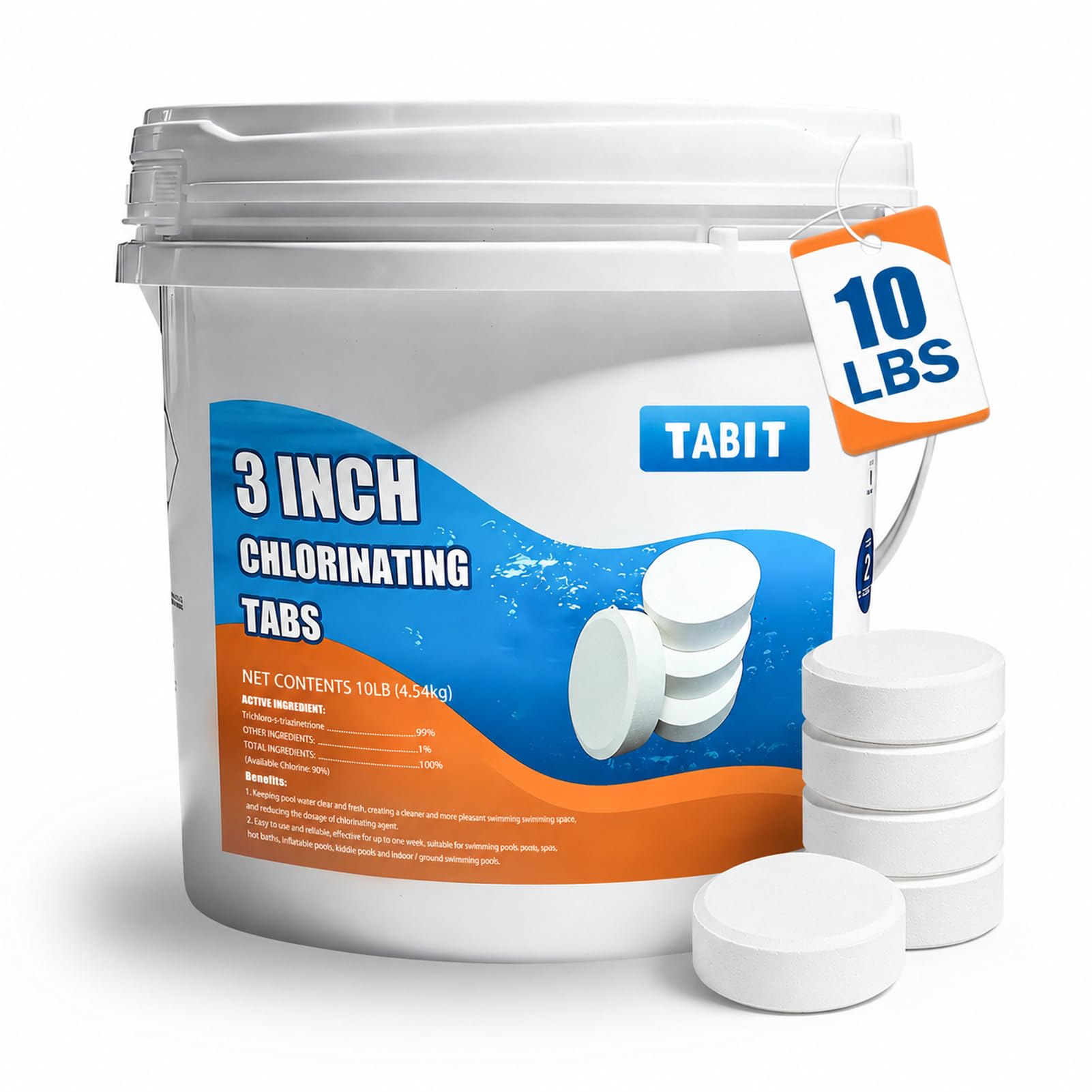
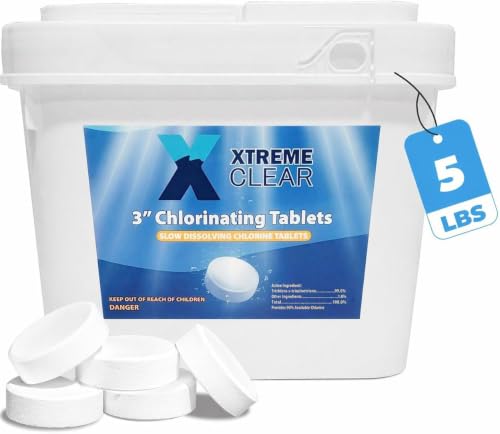
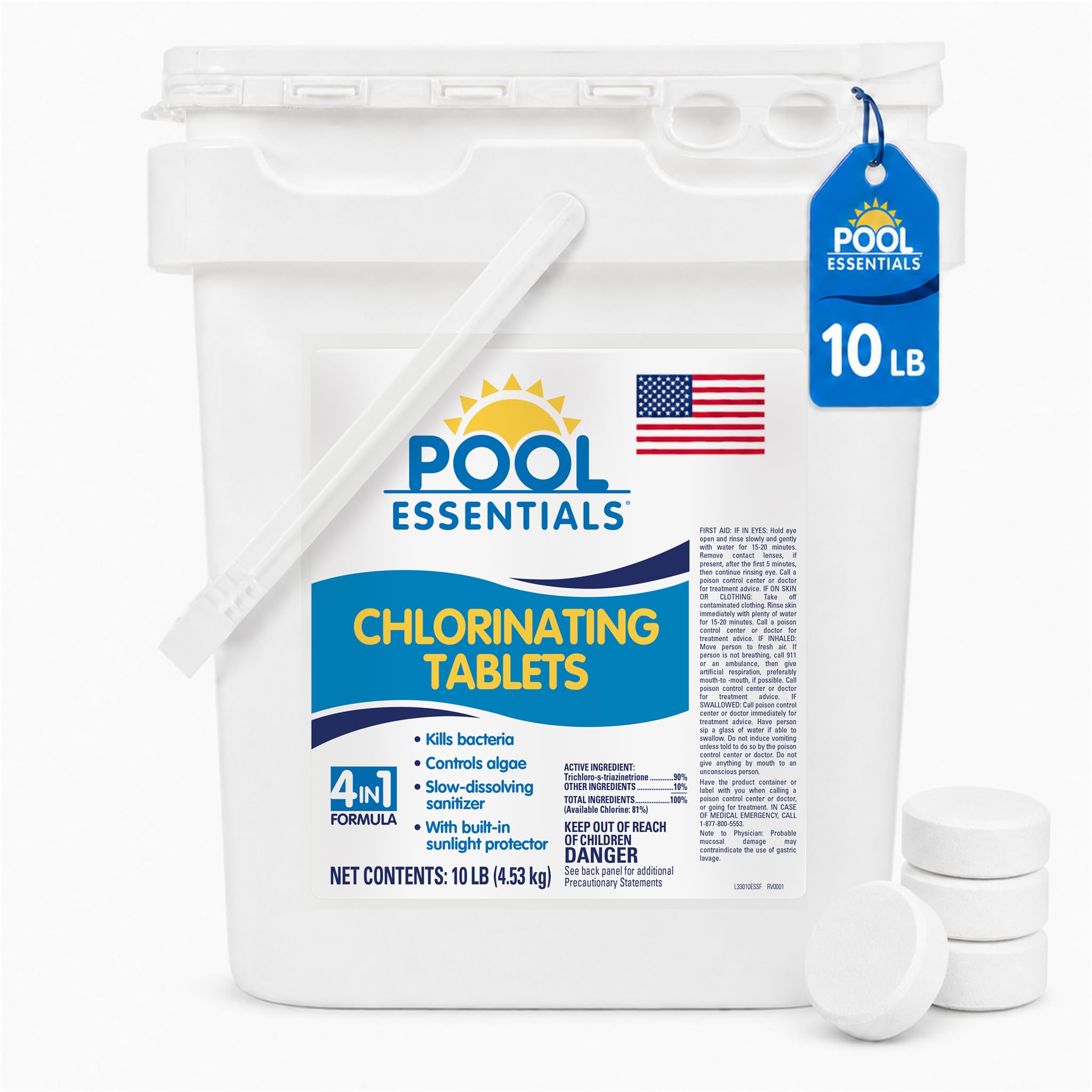
The product table below lists commonly bought tablets so you can compare size, pack weight, and price. Check each choice against the points in this guide.





Outdoor or Indoor Pool
Sunlight breaks chlorine down quickly, so outdoor pools usually need stabilized tablets that include cyanuric acid. Indoor pools have no sun, so stabilizer is unnecessary and can build up and weaken chlorine if you use it year after year. Covered or heavily shaded pools sit in between: stabilized tablets still help, but you will need to check stabilizer more often.
Water Balance Comes First
Chlorine only works well when the water is balanced. Check pH, total alkalinity, calcium hardness, and stabilizer along with chlorine. Trichlor tablets lower pH gradually, so many pools need an occasional pH correction. If chlorine seems to vanish, look at balance and stabilizer before adding more tablets.
Types of Pool Tablets
Trichlor tablets dissolve slowly and suit feeders and floaters. Dichlor dissolves quickly and suits spas, smaller pools, and quick corrections. Multifunction tablets add clarifier or algaecide, which is convenient for busy owners but limits fine adjustments. Most swimming pool owners do best with plain trichlor tablets plus separate products for specific problems.
Feeders and Dispensers
An inline chlorinator or offline feeder gives steady, adjustable dosing for permanent pools. A floating dispenser works anywhere and needs no plumbing. Whichever you pick, keep the dial or vents at a conservative setting and adjust after you check the water. Avoid tablets in a skimmer that also holds other products, since mixing chemicals can create dangerous reactions.
Public and Shared Pools
Community, apartment, and holiday pools often follow local health rules for chlorine ranges and testing. If you manage a shared pool, check what your local authority requires, keep written records, and follow the equipment maker and your service provider's guidance. This page covers general home pool advice and does not replace those requirements.
Season Planning
Before the season, inspect the feeder, floater, pump, and skimmer baskets, stock a good test kit, and confirm you have a safe place to store tablets. During the season, brush walls and steps weekly, skim leaves promptly, and test more often in hot weather and after storms or parties. At season end, store leftover tablets sealed and dry, and check their condition before reuse.
Choosing Pack Size
Large buckets lower the price per pound, but tablets absorb moisture and lose strength over time. A pool that uses a few tablets a week may take a whole season to finish a 25 pound bucket. Compare price per pound, wrapping, and your storage conditions, and buy for one season at a time unless your storage is excellent.
Safe Handling
Wear gloves and eye protection, work in a ventilated area, and never mix chlorine tablets with acids, household cleaners, or different chlorine types. Keep tablets locked away from children and pets. If someone swallows tablets, breathes fumes, or has severe eye or skin irritation, seek urgent medical help and bring the container. Do not induce vomiting unless a medical professional tells you to.
Related Guides
For a simpler overview of tablet types, see our guide to the best chlorine tablets for pool. If your pool has a liner, our guide to the best chlorine tablets for vinyl pools covers it, and our guide to the best chlorine tablets for inground pool covers permanent pool equipment.
Reading the Label and Buying Online
Pool tablets are sold under many brand names, but the label tells you what matters: the active ingredient, the percentage of available chlorine, whether it is stabilized, the tablet size, and the pack weight. Compare price per pound and available chlorine percentage together rather than headline price, and avoid listings that omit directions or safety information. Check the return policy for bulky buckets, and look at the date or lot code on arrival.
Weight matters for shipping and storage. A 25 pound bucket is heavy to carry and needs a firm shelf, so confirm you have space before you order and keep it off wet floors.
Troubleshooting Common Problems
If chlorine reads low even though you keep adding tablets, check stabilizer, pH, and the feeder setting, and check whether the pump is running long enough. If chlorine reads high, close the feeder vents or remove tablets from the floater and let levels drop before anyone swims. If the water is clear but eyes sting, pH or combined chlorine is often the cause rather than too little chlorine, so check pH first. If tablets break apart before they dissolve, they may be damp or damaged, so replace them and review your storage.
Calling a pool professional for a full water analysis once or twice a season can catch problems that home kits miss, especially with calcium, metals, or stubborn algae.
Frequently Asked Questions
How many tablets does my pool need?
It depends on volume, temperature, sunlight, and swimmers, so start with the label guidance and adjust from your water checks. Regular checks matter more than any fixed tablet count.
Do chlorine tablets affect pH?
Trichlor tablets tend to lower pH over time, so check pH and alkalinity regularly and adjust with suitable pool products.
Can I use pool tablets in a spa?
Not unless the product label says so. Spas have small volumes and warm water, so use products made for spas.
What is cyanuric acid buildup?
Stabilizer from tablets protects chlorine outdoors, but too much weakens its sanitizing power. Partial water replacement is the usual remedy.
How should I store chlorine tablets safely?
Cool, dry, ventilated, upright, and sealed, locked away from children, pets, and other chemicals.
Final Thoughts
Match tablets to your pool type, keep water balanced, and use a feeder you can adjust. The product table above gives a starting list to compare.
Careful checking and steady dosing are what turn the best chlorine tablets for swimming pools into clear, comfortable water all season.


