
Best Chlorine Tablets for Small Pool: A First Time Buyer's Guide for 2026
Disclosure: We may earn a commission when you buy through links on this page, at no extra cost to you. As an Amazon Associate I earn from qualifying purchases. Learn more

Shopping for the best chlorine tablets for small pool for the first time? Learn the terms, compare options, and avoid rookie mistakes with this easy guide.
Buying pool chlorine for the first time can feel confusing because tubs look similar while tablet size, strength, and stabilizer content differ a lot. This guide walks you from the basic terms to a calm, step by step choice of the best chlorine tablets for small pool owners can dose safely and consistently. Small pools change fast, so the right tablet is mostly about control rather than raw power.
You will learn how tablets dissolve, how to match them to your pool volume, and how to use the product table below without guessing. By the end, you will know what to measure, what to test, and which mistakes to skip.

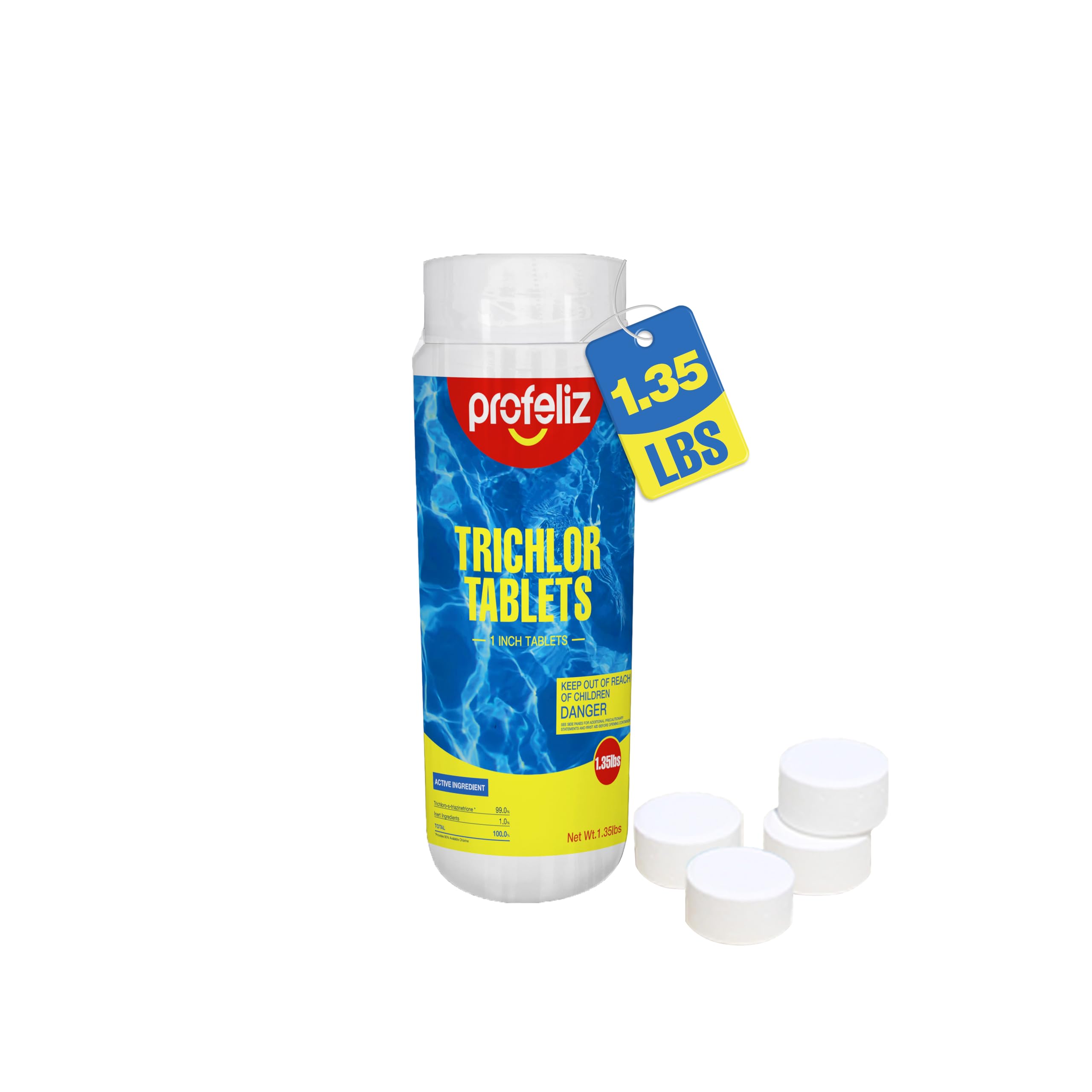


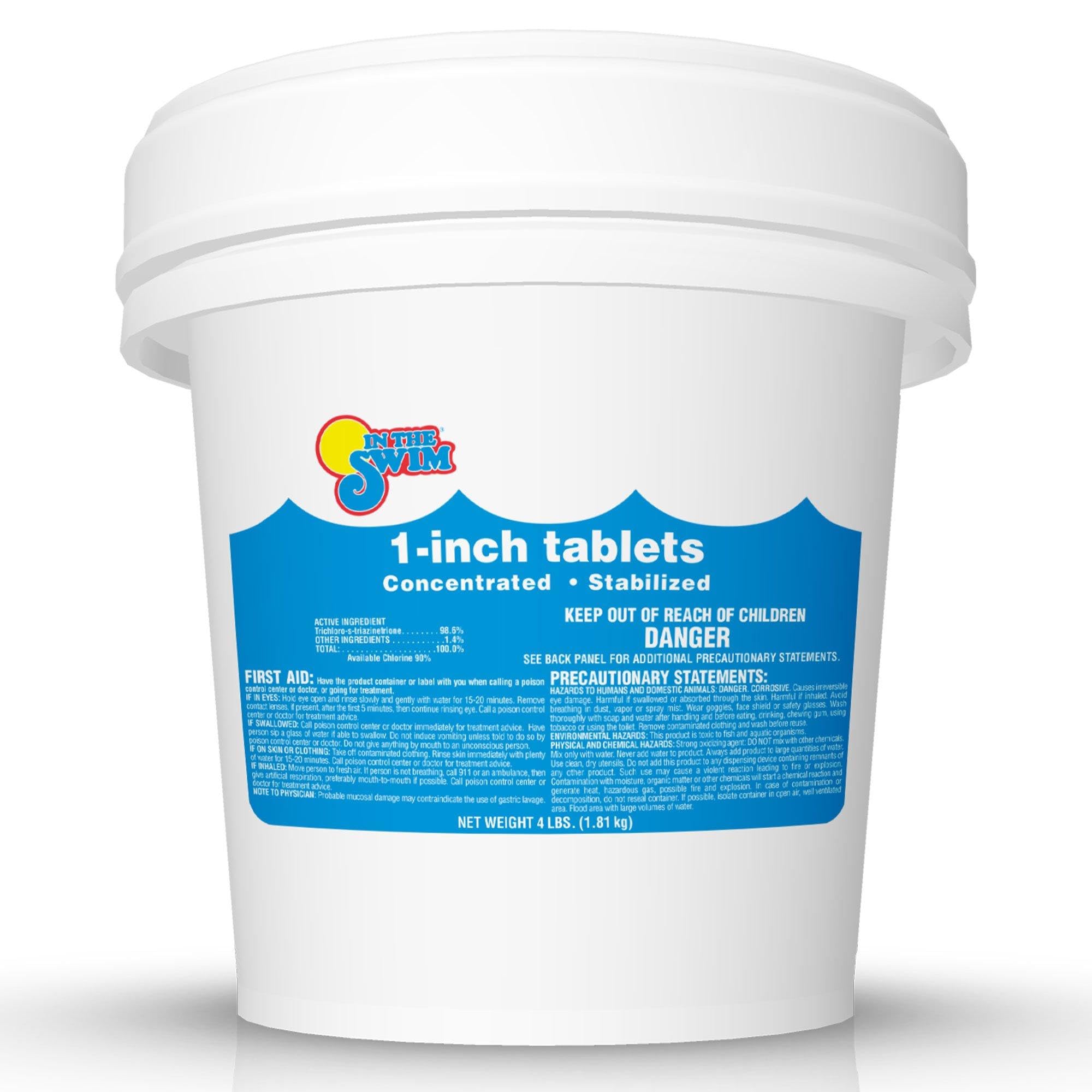
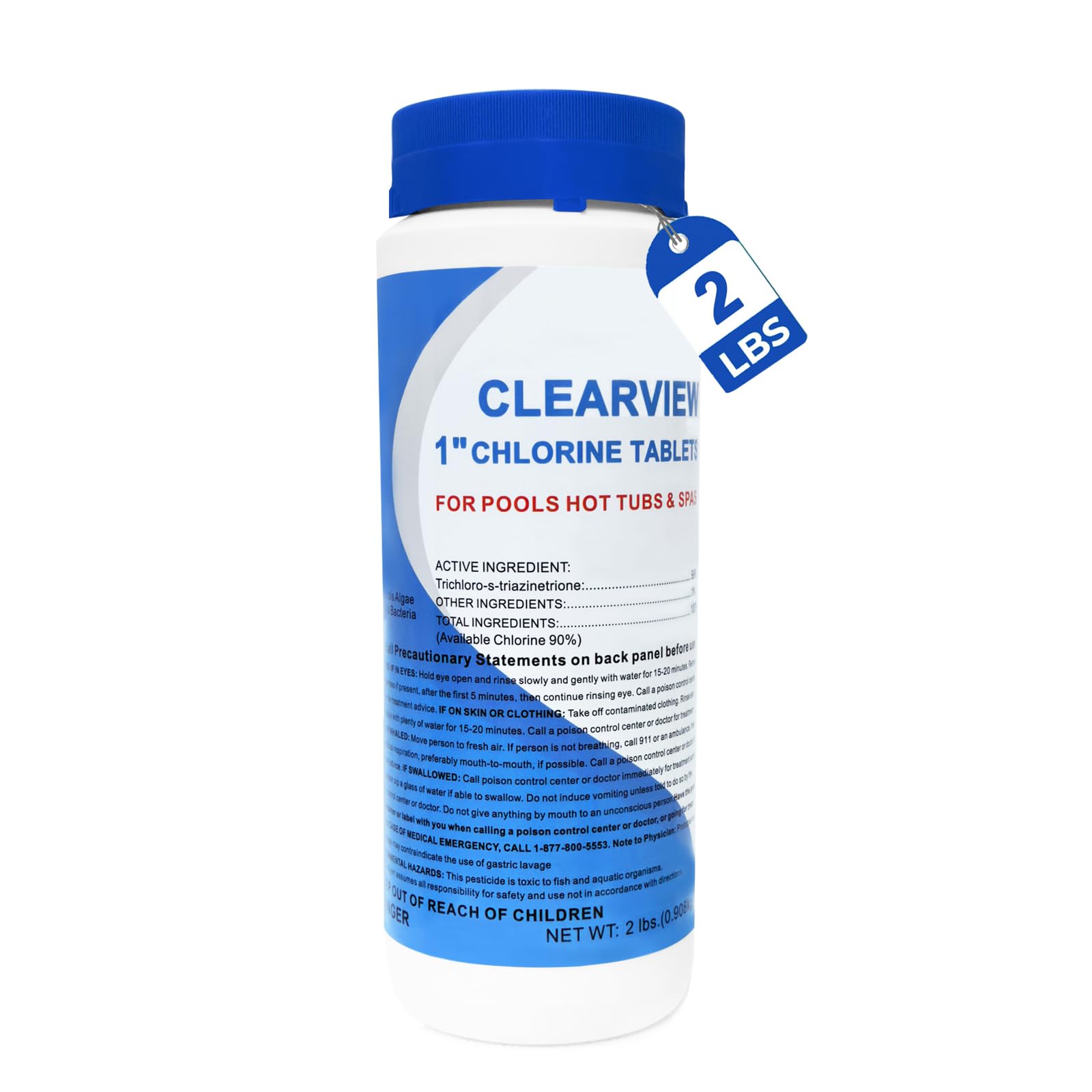
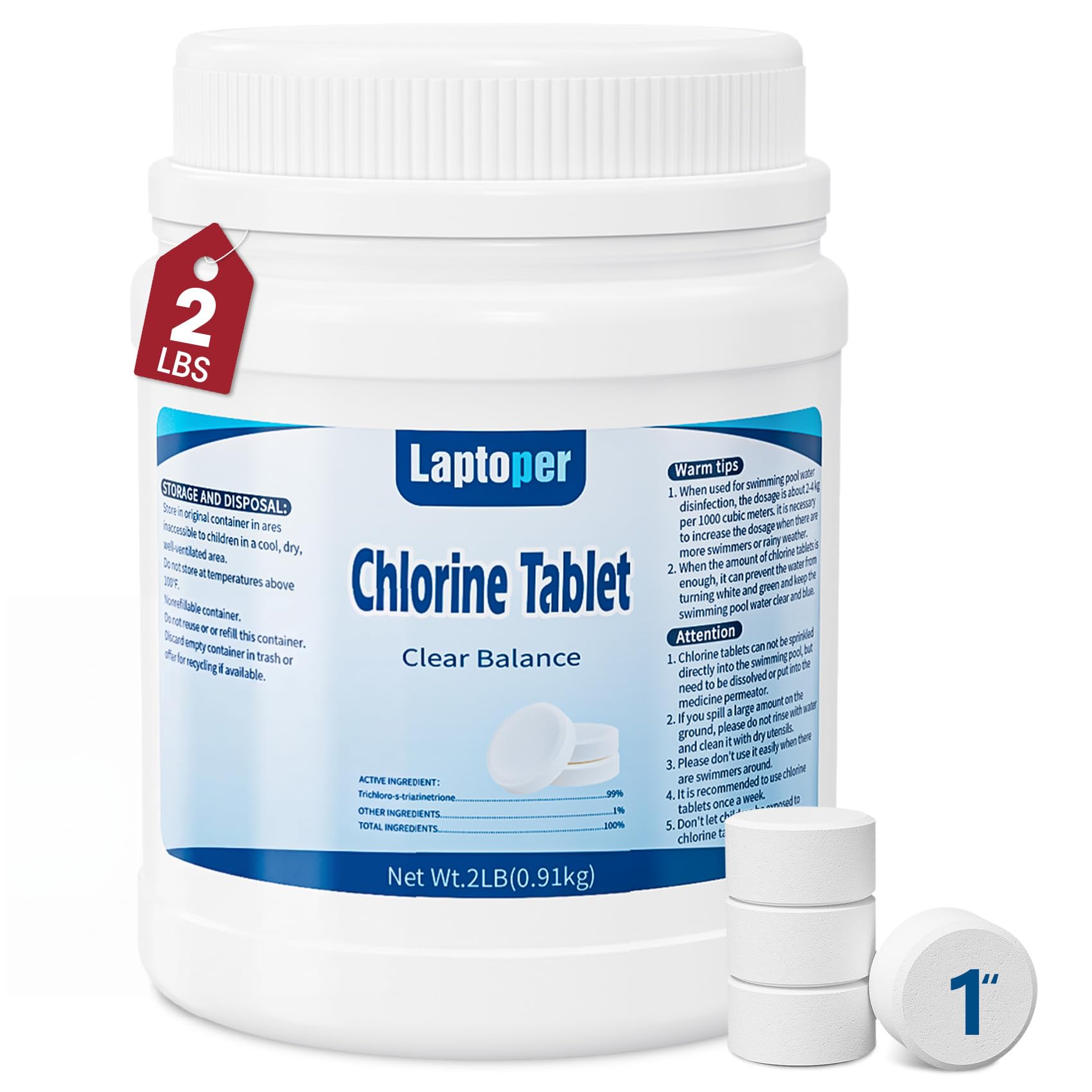


Chlorine Tablets 101: The Basics
Chlorine tablets are compressed pucks of sanitizer that dissolve slowly in water and release chlorine over several days. That steady release kills bacteria and algae between your regular tests, which is why tablets suit routine care better than a single large dose. Most pool tablets use trichlor, a form of chlorine that also adds stabilizer as it dissolves.
Stabilizer, often listed as cyanuric acid or CYA, shields chlorine from sunlight so it lasts longer outdoors. The trade off is that stabilizer does not leave the water on its own, so it builds up over a season of tablet use. When stabilizer climbs too high, chlorine works more slowly and water can turn cloudy even though your test shows chlorine present.
Tablets are acidic, so they belong in a floating dispenser or an inline feeder, never loose on the pool floor or in the skimmer basket for long periods. Direct contact can bleach a liner, damage a ladder, or corrode metal parts. Treat every tablet as a strong chemical, store it dry, and keep it away from children and pets.
How to Choose the Best Chlorine Tablets for Small Pool Use
Features That Matter for Small Pool Care
A small pool may hold only a few thousand gallons, so one oversized tablet can push chlorine far above the target range within a day. Look for smaller tablets, usually 1 inch pucks, or a dispenser with adjustable vents so you can slow the release. Clear dosing guidance by gallons matters more than a long list of extra claims. Individually wrapped tablets also help because you can open only what you need and keep the rest sealed, dry, and potent through the season.
Measuring Your Pool Volume and Dispenser Fit
Measure length, width, and average depth, then use a pool volume calculator or the maker chart for your pool shape before you buy anything. Write the gallon figure on your test kit so every dose starts from the same number. Next, check dispenser fit, because a floater made for large 3 inch tablets may not hold 1 inch tablets securely. A dispenser that drifts into a corner and parks against a wall can create one strong spot, so choose one that moves freely and keeps tablets off the liner at all times.
Tablet Size and Dissolve Rate
Tablet size controls how much chlorine enters the water each day, and warm water, strong sun, and heavy swimming all speed up use. A 1 inch tablet suits many small above ground pools because you can add or remove one puck and see a gentle change. Large 3 inch tablets last longer but give you coarse control, like watering a houseplant with a bucket. If your chlorine often swings from too low to too high, smaller tablets and smaller adjustments are usually the calmer fix.
Stabilizer Content and Sun Exposure
Pools in full sun lose unprotected chlorine quickly, so a stabilized tablet makes sense for most outdoor setups. The catch is balance, because many tablets are almost entirely trichlor and raise stabilizer with every puck you dissolve. Test stabilizer every few weeks, not just chlorine, and write results down so you can see the trend. If stabilizer is already high, pause tablets and use an unstabilized liquid option for a while under label guidance, or ask a local pool store to confirm a plan for your water.
Reading the Label and Active Ingredients
Turn the tub around and compare the active ingredient percentage, the chemical name, and the directions for pools near your size. A higher percentage is not automatically better for a small pool, since gentler and more adjustable dosing often wins. Check that the label lists use in pools, gives a dose per number of gallons, and states storage and first aid directions clearly. Avoid mixing brands in one dispenser, because different formulas can react, clump, or dissolve at rates you cannot predict from week to week.
Storage, Shelf Life, and Cost Per Week
Tablets cost less per week when you buy a tub size you will finish within a season or two and store correctly. Keep the lid sealed in a cool, dry, ventilated spot away from other chemicals, fertilizers, and anything flammable. Never store tablets where children can reach them, and never move them into a food container. To compare value, divide the tub price by the number of weeks it should cover at your normal dose instead of chasing the lowest sticker price on the biggest tub.
Rookie Mistakes to Avoid
- Guessing your pool volume. A dose meant for a much larger pool can overshoot chlorine fast, so measure once and write the gallons down.
- Dropping tablets on the liner. Resting tablets bleach and weaken vinyl, so always use a dispenser or feeder made for tablets.
- Mixing chemicals. Never mix chlorine products with each other or with acids, since dangerous gas can form. Add one product at a time.
- Testing only after water turns green. Small pools can shift in a day of heat, so test chlorine and pH at least two or three times a week.
- Ignoring stabilizer. Tablets add stabilizer steadily, and high levels quietly blunt chlorine, so track the trend across the season.
Getting Started: Setup and First Use
Start with clean, balanced water before the first tablet goes in, because tablets maintain sanitation but they are a slow fix for water that is already green. Brush the walls, run the pump, clear the skimmer, and test chlorine, pH, alkalinity, and stabilizer. Record the numbers, then load the smallest sensible number of tablets into your dispenser and set the vents partly open.
For broader background on tablet types, see our guide to the best chlorine tablets for pool care in general. If your setup is a larger in ground model later on, the dosing logic changes, which our guide to the best chlorine tablets for inground pool care explains. Retest after 24 hours, adjust the dispenser vents a little at a time, and give each change a full day before you judge it.
Safety comes first every time you handle tablets. Wash your hands after touching them, keep them off skin and out of eyes, and follow label first aid steps right away after any contact. If a child swallows a tablet or someone has trouble breathing after exposure, call emergency services or Poison Control at once and follow their instructions.
FAQs
What features matter most in chlorine tablets for a small pool?
Tablet size, adjustable release, and clear dosing by gallons matter most. Small pools react quickly, so 1 inch tablets and a dispenser with vents you can close down give you control that one large puck cannot. A sealed tub with a readable label and a stabilizer figure you can track also helps you dose with confidence all season.
How many tablets does a small pool need each week?
Many small pools use about one to three 1 inch tablets per week, but heat, sun, rain, and swimmer load change that pace. Start at the low end of the label range for your gallons, test after a day, and adjust the dispenser rather than adding extra pucks at once. Consistent small changes beat big corrections that swing the water back and forth.
How long should a chlorine tablet last?
A single tablet often lasts about three to seven days in a dispenser, depending on water temperature, flow, and vent settings. Hot sunny weather and heavy use shorten that span, while cooler water stretches it. If a tablet vanishes in a day, check for a dispenser vent opened fully or a volume estimate that is too low.
Can I put chlorine tablets in the skimmer instead of a dispenser?
A dispenser is the safer default for a small pool. Tablets sitting in a skimmer send strong, acidic water straight through your pump and filter when the pump runs, then leave concentrated water sitting in the plumbing when it stops. That pattern can shorten equipment life. Use a floater or a feeder made for tablets and keep pucks off every pool surface.
Are chlorine tablets enough on their own for a small pool?
Tablets handle daily sanitation, but they are only one part of care. You still need regular testing, pH and alkalinity balance, brushing, and filter runs long enough to circulate the full volume. Owners comparing formats for very small seasonal setups may also look at our guide to the best chlorine tablets for kiddie pools, though many tiny pools are safer drained, cleaned, and refilled instead of chemically treated.
When should I use liquid chlorine instead of tablets?
Liquid chlorine helps when stabilizer is already high, when you need a fast lift before a weekend of swimming, or when water needs a strong corrective dose after a storm. It adds no stabilizer and acts quickly, but it does not provide the slow daily release tablets give. Many owners use tablets for routine care and keep a small amount of liquid on hand for corrections.
Our Verdict
For a small pool, control beats strength: pick a tablet size you can adjust in small steps, protect the liner with a proper dispenser, and test often enough to catch swings early. Keep stabilizer in view, store tablets dry and locked away, and change one variable at a time. Use the product table above to compare tub sizes and tablet formats, and the best chlorine tablets for small pool choice for your home will be the one you can dose calmly, week after week.


