
Best Chlorine Tablets for Kiddie Pools: Budget, Midrange, and Premium Guide for 2026
Disclosure: We may earn a commission when you buy through links on this page, at no extra cost to you. As an Amazon Associate I earn from qualifying purchases. Learn more

A safety first buying guide to the best chlorine tablets for kiddie pools, with price tier checklists, dosing limits, and when fresh water is the better choice.
Kiddie pools hold very little water, and that single fact should drive every buying decision you make. This guide to the best chlorine tablets for kiddie pools starts with an honest answer many parents miss. For a small pool you fill and empty daily, no tablet is the right choice, because fresh water each day is safer, simpler, and cheaper. Tablets only enter the picture for larger kiddie pools that stay filled for several days at a time.
Prices run from under $15 for a small tub of tablets to over $50 for bulk packs, and spending more does not make a tiny pool safer to treat. What matters is dose control, because one tablet in 100 gallons is a heavy overdose, while the same tablet in 1,000 gallons may be reasonable. Read the tier guidance below with your pool volume in hand, and use the product table below only after you know that number.


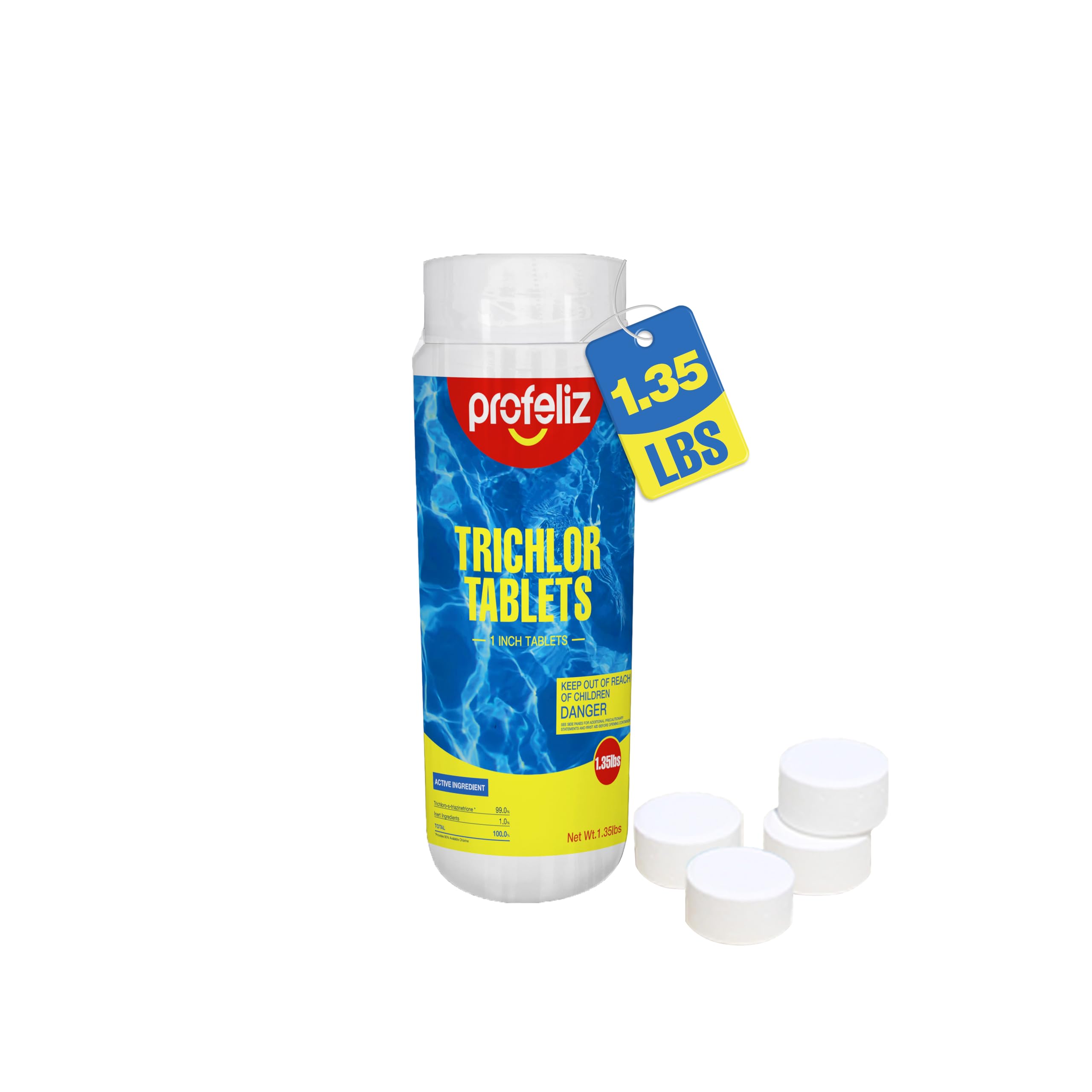
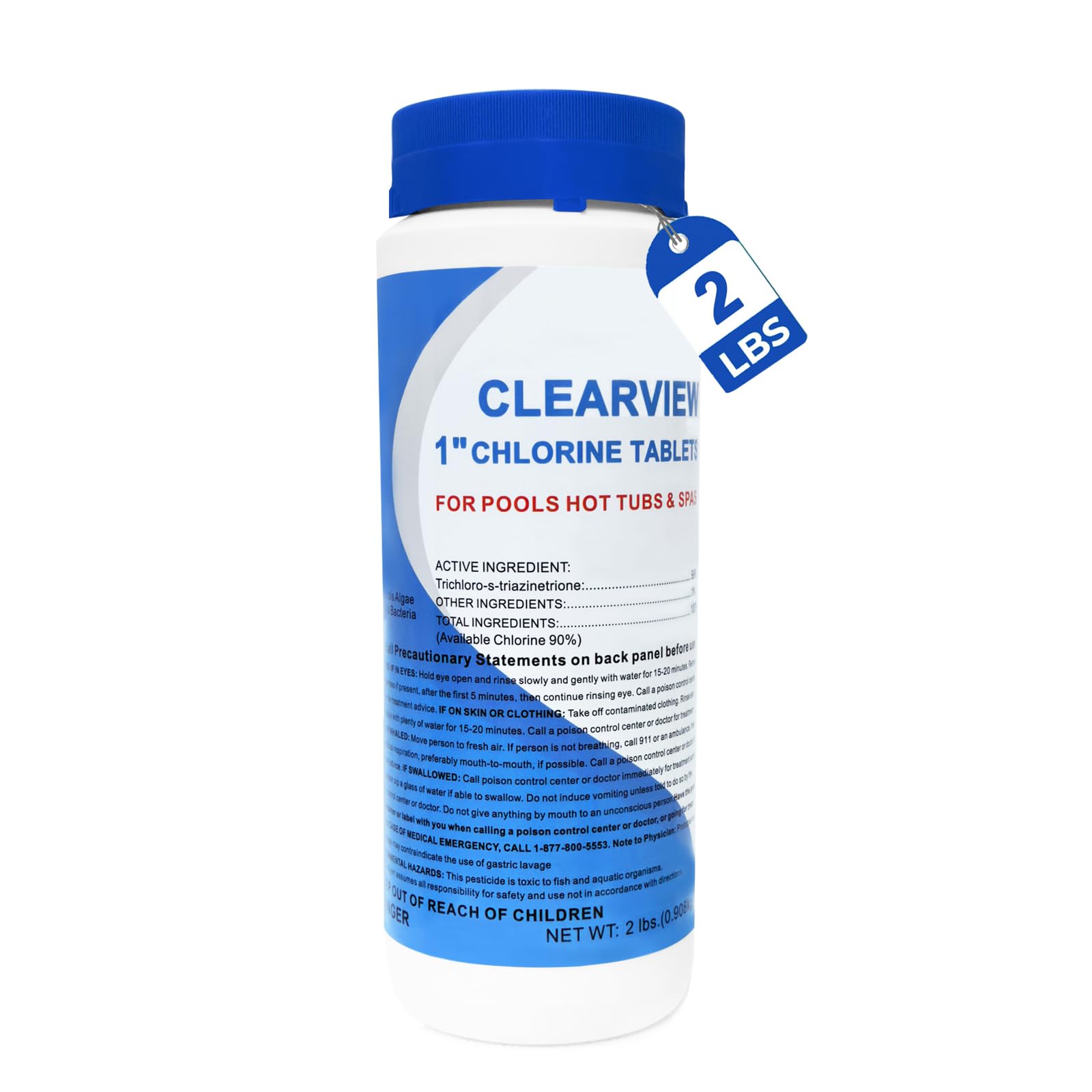
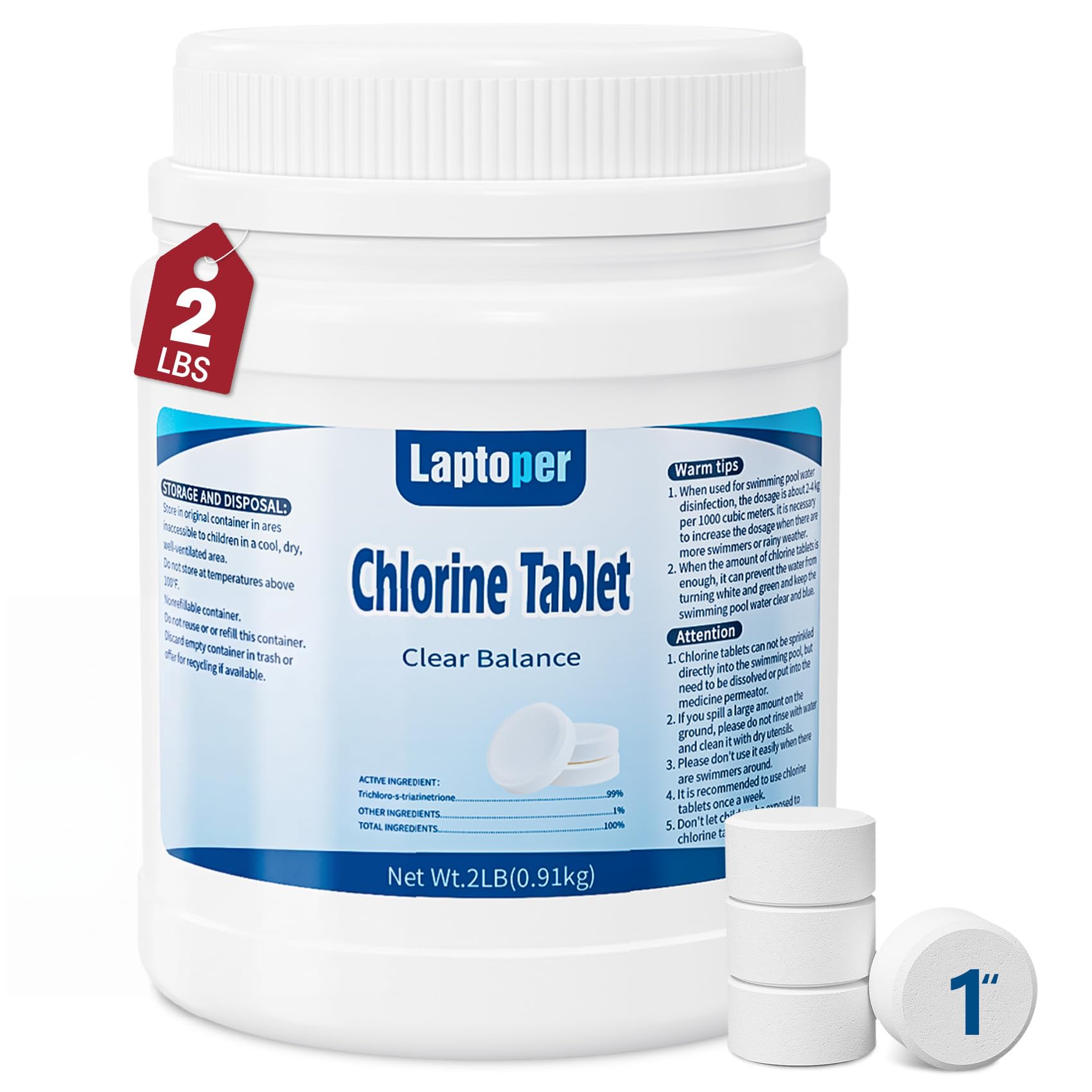


Three Budget Levels, Judged by Safety and Control
Instead of product picks, this section gives you a checklist for each spending level. With children in the water, control and labeling matter far more than tablet count.
Budget Level: Small Packs With Clear Small Pool Dosing
A budget pack is the sensible starting point for most families, because your season need is small and leftover tablets are a storage hazard in a home with children. Look for one inch or smaller tablets, dosing printed for volumes under 1,000 gallons, and a container with a child resistant closure that actually works. Expect to pay under $20. Skip any cheap pack whose smallest dose starts at several thousand gallons, because you cannot cut a pressed tablet into safe, even pieces.
Midrange Level: Better Packaging and Finer Dosing Help
Midrange packs, about $20 to $40, earn their price with sturdier resealable buckets, more consistent tablet pressing, and sometimes a small floating dispenser included in the box. Consistent pressing matters in tiny volumes, because a tablet that crumbles dumps its chlorine far faster than one that dissolves evenly. This tier suits a larger framed kiddie pool that stays up through the summer. It does not add safety by itself, so your testing and supervision routine still does the real work.
Premium Level: Rarely Justified for Kiddie Pools
Premium packs above about $40 are bulk products aimed at full size pools, and for kiddie pool use they usually fail on arithmetic alone. A bucket holding a hundred tablets could take years to use at one tablet a week, long past its best shelf life, while sitting in your home as a large store of a chemical children must never reach. Individually wrapped tablets are the one premium trait worth having if your use is slow. Otherwise, put the savings toward a good test kit and a locking storage box instead.
Features Worth Paying For (and Ones to Skip)
Features That Matter for Kiddie Pools
Kiddie pools demand three things full size pools do not. First, the dose must scale down to hundreds of gallons without splitting tablets. Second, the dispenser must lock shut, because a floating container full of tablets is exactly the kind of object a toddler will grab and mouth. Third, the water sits shallow and warms fast in the sun, so bacteria multiply quickly and testing must be easy enough to do daily. A pack that supports all three, with a locking dispenser and small volume dosing, is worth more than any bundle of extras. See our guide to the best chlorine tablets for small pool care for more on tiny volume dosing.
Tablet Size: Smaller Is the Whole Point
Size decides whether safe dosing is even possible. One inch tablets are the largest format you should consider, and smaller mini tablets, where the label rates them for very small pools, give finer control still. Three inch tablets have no place anywhere near a kiddie pool. Also avoid breaking tablets to make a smaller dose, because the pieces dissolve at unpredictable rates and expose sharp, concentrated edges. If no tablet size matches your volume, take that as the answer and drain and refill instead.
Dispenser Design and Child Access
Choose a floating dispenser with a cap that twists and locks, vents that adjust in small steps, and a body a small hand cannot pry open. Remove the dispenser from the water before children get in, every time, and set it somewhere children cannot reach while it is out. That habit prevents both direct contact with tablets and a sudden high dose around a swimmer. Between swims, the dispenser goes back in only if your last test says the water needs the feed.
Label Clarity and Test Support
A good label for this job states the gallons each tablet treats, the free chlorine range to hold, and what to do when levels run high or low. Some midrange packs include starter test strips, which is a genuinely useful extra, because a strip that reads both free chlorine and pH covers your daily check. Hold free chlorine near the label range, commonly about 1 to 3 parts per million, and pH near 7.2 to 7.8. For liner related checks, our guide to the best chlorine tablets for vinyl pools explains how concentrated chlorine damages soft plastic and vinyl.
Extras You Can Safely Skip
Skip scented tablets, color changing gimmicks, and bundles packed with toys or floats. None of them improve water safety, and scent can mask the smell cues that sometimes warn you water needs attention. Skip bulk counts entirely at this scale. Also skip any product marketed with pictures of toddlers on a pack that lacks small volume dosing, because the picture is marketing while the dosing table is the truth about who the product was built for.
Safety Rules for Children and Treated Water
Constant adult supervision is the rule that outranks every chemical decision. Drowning can happen in a few inches of water, quickly and silently, so a watching adult stays within reach and off the phone whenever children are in or near the pool. Keep all tablets locked away, never in an open bucket by the pool. Never mix chlorine with other chemicals. If a child swallows or chews a tablet, or a swimmer develops breathing trouble, eye pain, vomiting, or a rash that spreads, seek medical help or contact poison control at once. Talk with your pediatrician about treated water if your child has asthma, eczema, or other health concerns.
Long Term Costs to Factor In
The real season cost includes test strips you will use often, a locking dispenser, a locking storage box, and the water itself, since partly draining an overtreated pool is a normal correction, not a failure. For a larger kiddie pool kept up all summer, expect roughly $40 to $90 across the season for careful care. Compare that with the near zero chemical cost of a small pool drained daily, and the honest value choice often wins. Families graduating to a permanent pool can compare ongoing costs in our guide to the best chlorine tablets for inground pool upkeep, and larger above ground options are covered in our guide to the best chlorine tablets for swimming pools.
Chlorine Tablets: Your Questions Answered
What features matter most in chlorine tablets for kiddie pools?
Small dose steps, a locking dispenser, and a label that rates the tablet for a few hundred gallons matter most. Those three decide whether you can keep free chlorine in a safe, narrow range in very little water. Consistent pressing comes next, because crumbling tablets dump chlorine unevenly. Price and count matter least, since kiddie pool use is so light that even a small pack lasts a season. If a product cannot tell you its dose for your exact volume, it is the wrong product.
How long should a chlorine tablet last in a kiddie pool?
In a larger kiddie pool, a single one inch tablet in a mostly closed dispenser may last about a week, but warm shallow water and daily splashing can consume the released chlorine much faster than the tablet itself dissolves. That is why the tablet lifespan is the wrong thing to watch. Test the water before each swim instead. If free chlorine reads low while the tablet looks barely used, open the vents one step and retest the next day rather than adding a second tablet.
Can I use half a tablet in a very small pool?
No, splitting a tablet is not a safe dosing method. Pressed tablets are not uniform all the way through, the pieces dissolve at uneven speeds, and handling broken edges raises your skin and eye contact with concentrated chemical. For a pool small enough that half a tablet seems right, the correct method is no tablet at all. Drain it, rinse it, and refill with fresh water each day. That routine is what health guidance generally favors for small home splash pools.
Should the dispenser stay in the pool while children swim?
No, take it out before every swim and put it back only after children are out and a test says the water needs chlorine. A floating dispenser invites grabbing, and a child who opens it can touch or mouth a tablet, which can burn skin, eyes, and the mouth. Removing it also stops a pocket of strong chlorine from sitting against a child in shallow water. Make removal part of the swim routine, like applying sunscreen, so it never depends on memory in the moment.
What chlorine level is right for a kiddie pool?
Follow your tablet label and test strip guide, which commonly point to about 1 to 3 parts per million of free chlorine with pH between 7.2 and 7.8. Below that range, warm shallow water grows bacteria quickly. Above it, eyes and skin suffer, and young children who swallow mouthfuls of water take in more chemical than they should. If a reading lands far outside the range, keep children out, correct the water or simply drain and refill, and test again before anyone swims.
Wrapping Up
Start with volume, not price. Small pools emptied daily need no tablets, and larger kiddie pools need small tablets, a locking dispenser, and a test before every swim. Most families who do treat should buy at the budget or midrange level and spend the difference on testing and safe storage. Check your shortlist in the product table above against those rules, and the best chlorine tablets for kiddie pools will be the ones whose dosing fits your gallons and whose label you can follow exactly.


