
Best Chlorine Tablets For Inground Pool 2026: Buying Guide
Disclosure: We may earn a commission when you buy through links on this page, at no extra cost to you. As an Amazon Associate I earn from qualifying purchases. Learn more

A guide to the best chlorine tablets for inground pool care: tablet size, stabilizer, feeders, surfaces, and storage.
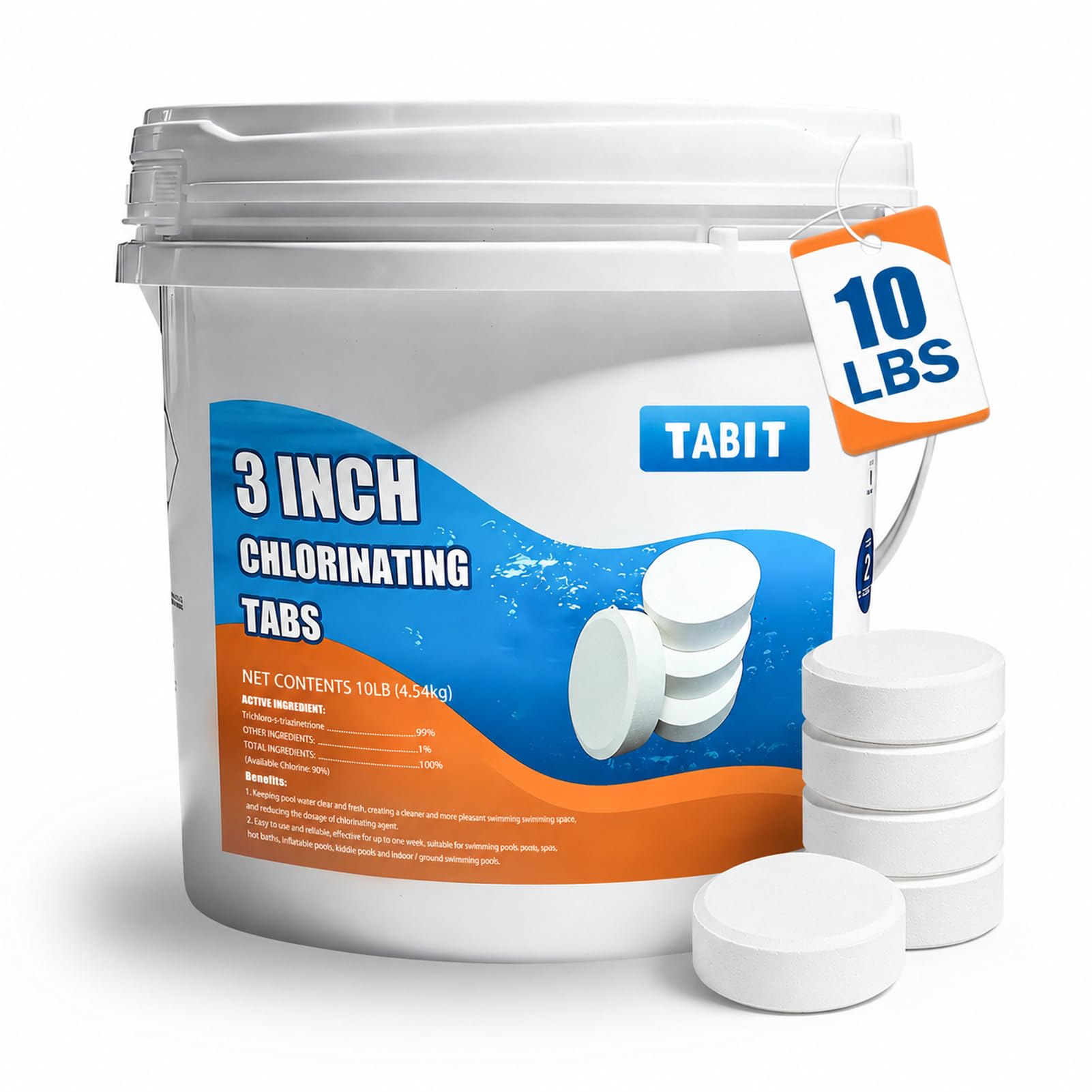
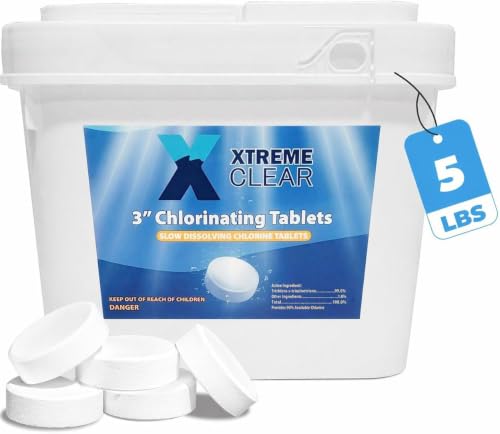
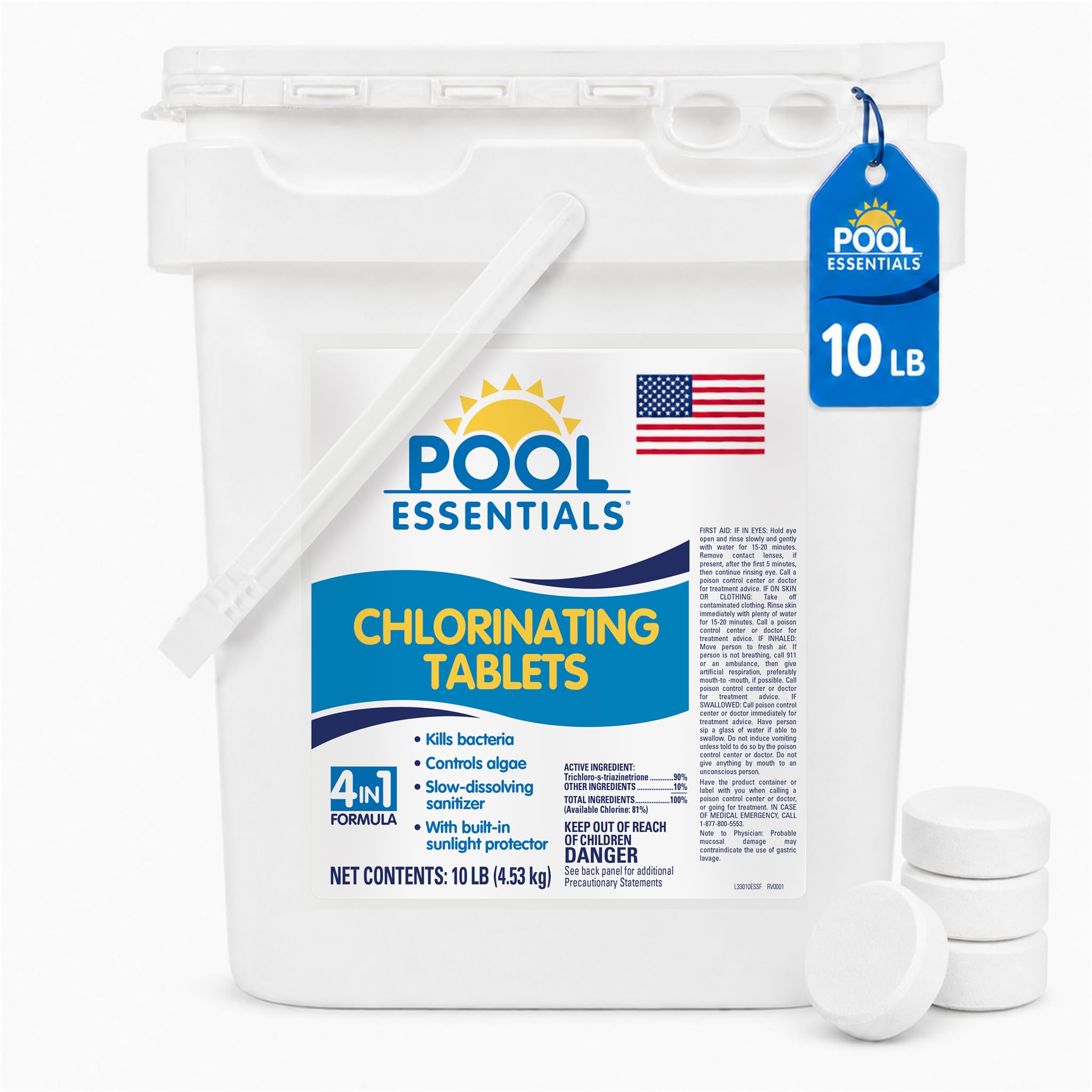
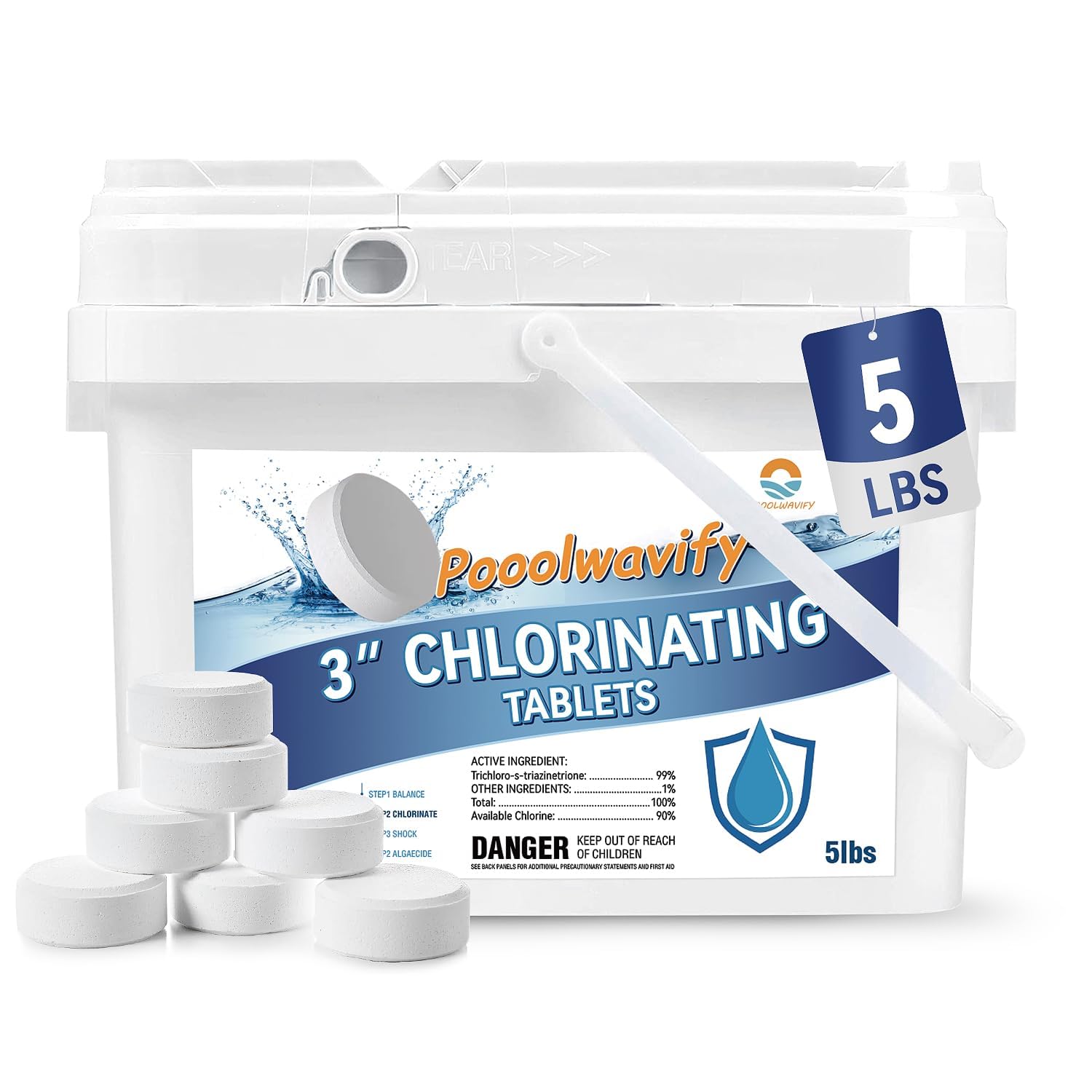
Inground pools hold more water than above ground models, run on a permanent pump and filter pad, and use surfaces that range from plaster to fiberglass to vinyl. The best chlorine tablets for inground pool care are usually stabilized three inch tablets that fit your chlorinator or floating feeder, bought in a pack size you can store properly and use within the season. This guide explains how to match tablets to your equipment and surface.
The product table below lists popular choices by size and pack weight. Use the sections here to narrow them to your pool.


Volume and Dose
Most residential inground pools hold roughly 12,000 to 30,000 gallons. At that scale a single three inch tablet dissolves over about a week and releases enough chlorine to matter, which is why large tablets are the standard. Your tablet label and your test results should set the count. Start at the low end of the label range, check free chlorine after a day or two, and adjust the feeder rather than adding extra tablets.
Feeder Options for a Permanent Pool
An inline chlorinator plumbed after the filter gives the best control, because you set a flow dial and the tablets dissolve in a protected chamber. An offline feeder is similar but sits on a bypass line. Both keep concentrated chlorine away from your surfaces and equipment.
A floating dispenser is the simplest option and needs no plumbing, though it can drift into a corner and park against a wall. If you use one, tether it near a return jet so it keeps moving. Avoid dropping tablets into a skimmer basket, since the strong solution passes through the pump and filter and can shorten equipment life.
Surface Matters
Plaster and pebble finishes can etch if low pH water or concentrated chlorine sits against them, and tablets lower pH over time, so watch alkalinity and pH. Fiberglass can stain or fade where a tablet rests. Vinyl liners can bleach near a stationary tablet. In every case, tablets belong in a feeder or floater and never loose on the floor or steps.
If you have a vinyl liner, our guide to the best chlorine tablets for vinyl pools covers liner safe dosing in more detail.
Stabilizer Over a Long Season
Most tablets add cyanuric acid as they dissolve. That protects chlorine from sunlight, but it builds up across a long season until chlorine turns sluggish. Check stabilizer monthly. If it climbs above the range on your kit or tablet label, partial draining and refilling is the usual remedy, and an unstabilized chlorine source can cover the gap while you wait.
Pack Size and Storage
Bulk buckets cost less per pound, but only if you finish them before tablets absorb moisture and lose strength. A medium pool in a mild climate may use ten to twenty pounds in a season. Individually wrapped tablets cost more and keep better in humid garages. Store buckets upright, sealed, shaded, ventilated, and apart from acids, fuel, and other pool chemicals. Prices commonly run from about $40 for a few pounds to well over $100 for a large bucket.
Opening, Closing, and Away Weeks
At pool opening, balance the water before you start tablets, since tablets maintain water but do not fix a green pool. Before a vacation, check chlorine, fill the feeder to the level the maker allows, and ask a neighbor or pool service to look in if you will be away more than a few days. At closing, follow your equipment maker guidance for winterizing and remove tablets from the feeder.
Safe Handling
Handle tablets with dry hands or gloves, and wear eye protection. Never mix chlorine tablets with other chemicals or with different chlorine types. Keep the container locked away from children and pets. If tablets contact skin or eyes, follow the label first aid directions, and seek medical help for severe irritation, breathing trouble, or if tablets are swallowed.
Related Guides
For a broader view of tablet types, see our guide to the best chlorine tablets for pool. If you have a compact pool or spa style plunge pool, our guide to the best chlorine tablets for small pool explains how to scale dosing down.
Pump Run Time and Circulation
Tablets only work where the water moves. Most inground pools need the pump to run long enough each day to turn over the full volume at least once, and longer in hot weather or heavy use. If your pump runs only a few hours a day, an inline feeder will deliver chlorine only during those hours, so confirm that the chlorinator is plumbed to run with the pump. Check that return jets point to mix water evenly and that the skimmer and pump baskets are clean.
When the Water Turns Cloudy or Green
Add-on tablets do not repair a pool that has already gone green. If water turns cloudy, check pH, alkalinity, and stabilizer first, then clean the filter and run the pump longer. A shock treatment may be needed, following the product label, and some pools need professional testing for metals or phosphates. After the water clears, return to a steady tablet routine and keep a log so you can spot the next change early.
If stabilizer is high and chlorine keeps disappearing, replacing part of the water usually works better than adding more product.
Frequently Asked Questions
What size chlorine tablet suits an inground pool?
Three inch tablets are the usual choice because they dissolve slowly and fit most feeders and floaters. Smaller one inch tablets suit small pools and spas.
What does stabilized chlorine mean?
Stabilized tablets include cyanuric acid, which slows chlorine loss in sunlight. It helps outdoor pools but builds up, so check it regularly.
Should I use a feeder or a skimmer?
A chlorinator or floater is better than a skimmer. Skimmer dosing can expose the pump and filter to concentrated chlorine.
How often should I test the water?
Check chlorine and pH a few times a week during swim season, and test alkalinity and stabilizer regularly. Check sooner after storms, heat waves, or heavy use.
How should I store the tablets?
Keep them sealed in the original container, cool and dry, locked away from children, pets, and other chemicals.
Final Thoughts
Choose stabilized three inch tablets that fit your feeder, keep them off your surfaces, and watch pH and stabilizer through the season. Compare packs in the product table above by size and price per pound.
With a steady routine, the best chlorine tablets for inground pool ownership means clear water without constant adjustment.


