
Best Christmas Planters: Types Compared and How to Choose for 2026
Disclosure: We may earn a commission when you buy through links on this page, at no extra cost to you. As an Amazon Associate I earn from qualifying purchases. Learn more

A side by side look at christmas planter types by weight, material and weather resistance, so you can pick the best fit for your space.
Planters for the holiday season come in far more types than most buyers expect, from light resin pots for a porch to heavy stone style urns by a front door. This guide compares each type plainly, so you can choose the best christmas planters for your space, plants, and weather.
You will learn how material, weight, drainage, and frost resistance change daily care and how long a planter lasts. Start with the comparison table below, then use the type guide and choosing sections to match a planter to your porch, patio, or indoor display.
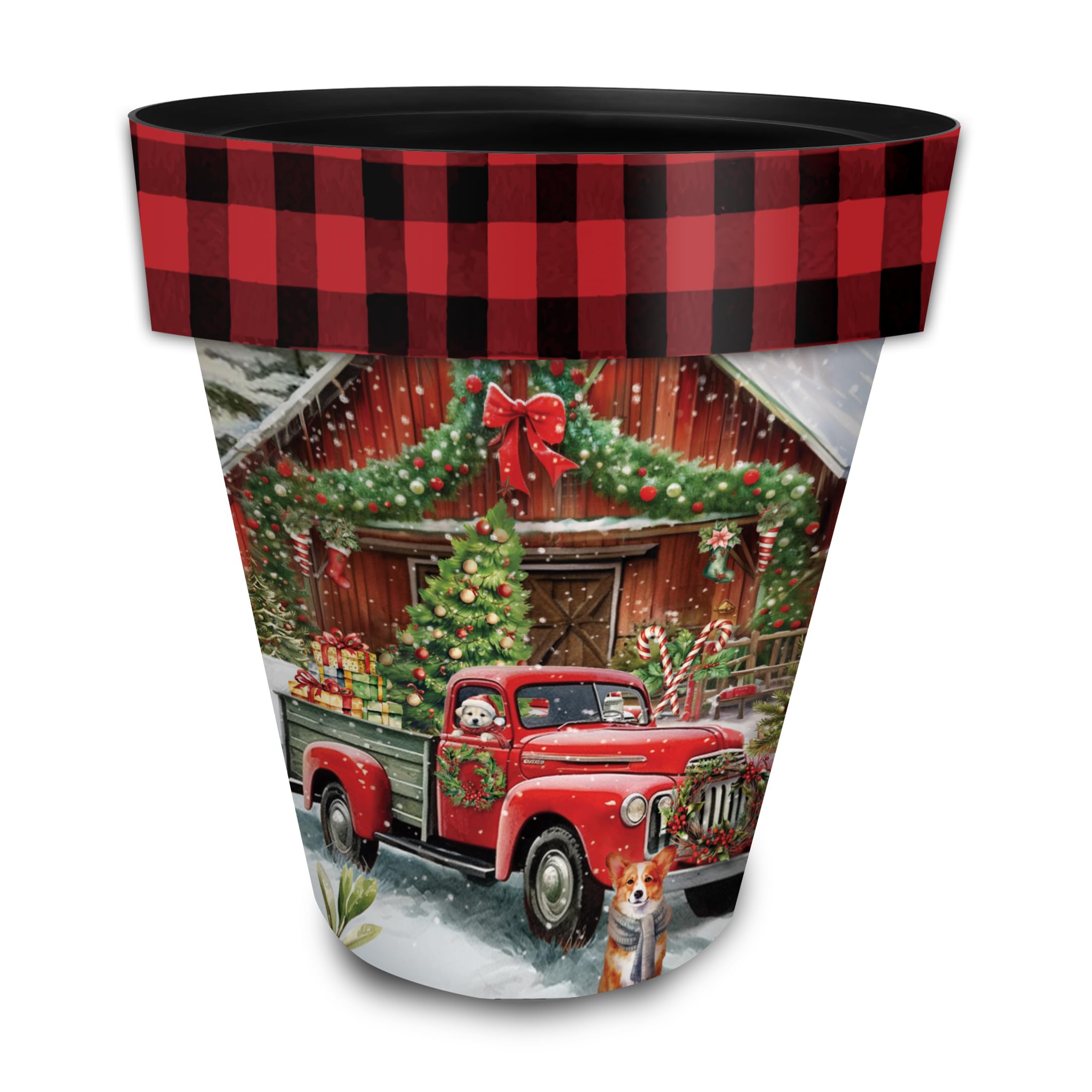
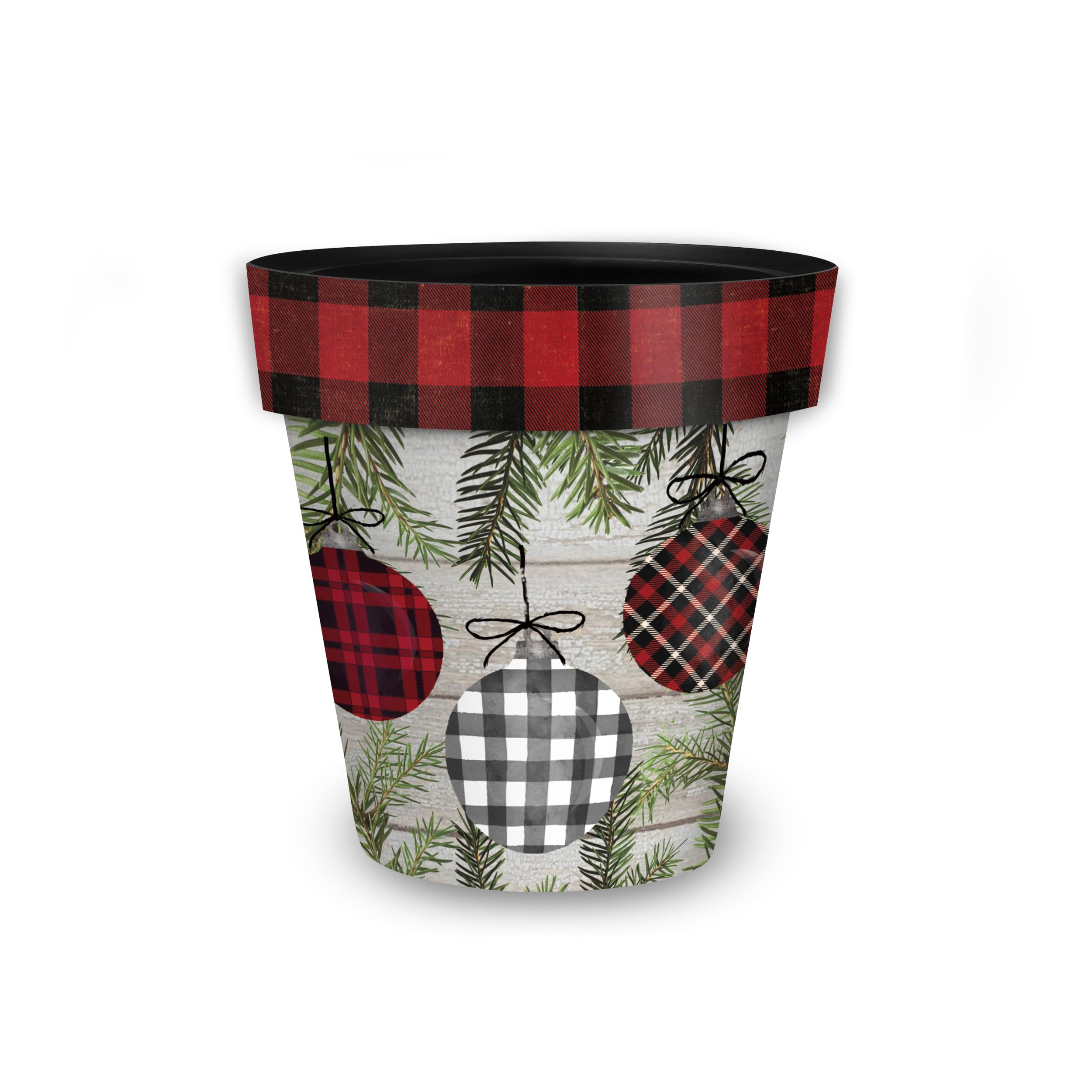
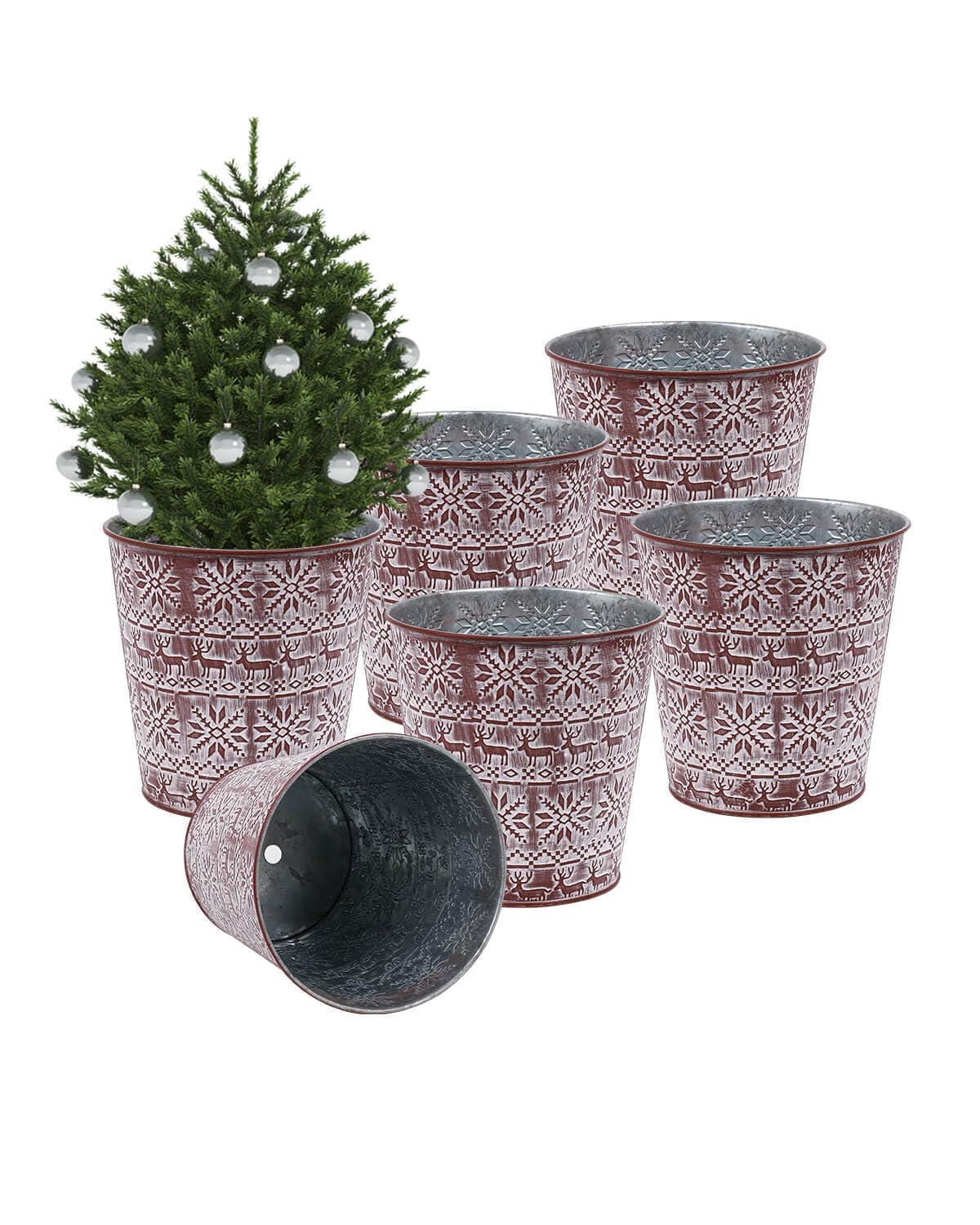
Types of Christmas Planters Compared
Think of the types as a trade off between weight, durability, and care. Light types cost less and move easily, heavy types stay put in wind and last for years, standard types balance both, and eco friendly types favor natural materials that slowly break down.
Typical price also rises with weight and material quality. Light resin and plastic planters often cost about $15 to $40, standard ceramic and metal options about $30 to $70, and premium stone, concrete, or large metal urns about $70 to $200 or more.
Lightweight/Expandable Options
Lightweight options are usually resin, plastic, or fabric grow style containers that one person can carry even when filled. Expandable and modular designs let you add sections, stack heights, or link several small planters into one longer display along steps or a railing.
Choose this type for balconies with weight limits, renters who move displays often, and anyone decorating stairs where heavy pots would be awkward to lift. The trade off is stability and lifespan: thin walls can crack in hard freezes, and tall plants can tip in strong wind unless you add weight at the base.
A practical tip is to place a few stones in the base before adding mix, which keeps a light planter steady without giving up easy carrying.
Premium/Heavy Duty Options
Premium heavy duty options use concrete, stone composite, thick metal, or high grade ceramic built to stay outdoors for years. Their weight anchors tall evergreens and small trees, and thick walls protect roots from rapid temperature swings better than thin plastic does.
Choose this type for a permanent front door pair, windy sites, and large statement plants you will reuse each season. The trade off is cost and effort: delivery and placement take planning, and moving a filled large planter may need two people and a wheeled dolly.
Check drainage and frost ratings with extra care at this price, because trapped water expanding as ice is the main cause of cracks in heavy containers.
Standard Options
Standard options cover the broad middle ground: glazed ceramic, terracotta, wood, and mid weight metal planters in common sizes. They suit most porches and indoor spots, balance price and looks well, and come in the widest range of holiday colors and finishes.
Choose this type when you want a classic look without premium cost or balcony weight worries. Terracotta breathes well for plants that dislike wet roots, but it absorbs water and can flake in freeze and thaw cycles, so bring it under cover in harsh winters.
Glazed ceramic holds moisture longer and wipes clean easily, which helps indoor displays on wood floors. Always pair ceramic with a saucer indoors, and lift the pot slightly on small feet so air can dry the base between waterings.
Organic and Eco Friendly Options
Organic and eco friendly options use materials such as untreated wood, coir, bamboo fiber, or recycled composites, and they pair naturally with organic potting mixes. They suit buyers who want a softer, natural look and prefer to avoid new plastic where they can.
Choose this type for covered porches, indoor displays, and seasonal plantings that will be composted or replanted after the holiday. The trade off is lifespan: natural fibers and untreated wood weather faster outdoors, often lasting one to three seasons rather than many years.
Line a porous eco planter with a simple inner pot if you use it indoors. The outer planter keeps the natural look you want, while the inner pot protects floors and makes watering and plant swaps far easier.
Plant choice changes which type works best. For a flowering indoor plant that needs careful drainage, see our guide to the best planters for christmas cactus for size and watering details.
Lightweight/Expandable Options vs Premium/Heavy Duty Options: Which Should You Choose?
Choose lightweight options if you move displays often, decorate a balcony, or store everything in a small space after the holiday. They win on price, carrying ease, and flexible layouts, and modern resin can look surprisingly close to stone from a few steps away.
Choose premium heavy duty options if the planter will live outdoors year round, hold a tall evergreen, or face strong wind and freezing winters. They win on stability, root protection, and long service life, which lowers cost per season despite the higher first price.
Many homes do best with a mix: one durable pair by the front door, and light planters for steps and indoor spots that change each year.
For door and garden displays that stay outside all season, our guide to the best outdoor christmas planters goes deeper on frost, wind, and drainage checks.
How to Choose the Right Christmas Planter
Match the Product to Your Garden Size and Layout
Measure the spot before you shop, including door swing, step depth, and walking space that must stay clear. A planter that looks modest in a store can crowd a narrow porch, while a small pot can disappear beside a wide front door or long driveway.
Match pot size to plant size with room to grow through the season. As a working guide, choose a planter about 2 to 4 inches wider than the nursery pot for small plants, and much wider for shrubs or small trees that need root room and ballast.
Plan groupings in odd numbers and varied heights for a fuller look. Place the tallest planter at the back or beside the door frame, then step smaller planters forward so every plant gets light and air.
Material and Build Quality
Judge build quality by wall thickness, rim strength, and finish evenness. A rim you can flex easily with one hand signals thin walls that may crack under soil weight or frost, while a firm rim and even base suggest a planter that will sit flat and last.
Drainage is part of build quality, not an extra. Look for at least one drainage hole in outdoor planters, or a clear way to drill one, plus a design that lets excess water escape instead of pooling around roots after heavy rain.
For metal planters, check seams and coatings for early rust points, especially at the base. For wood, check joint strength and whether the inside has a liner or treatment that slows rot from constant damp mix.
Durability and Weather Resistance
Outdoor durability depends on how a material handles water, sun, and freezing. UV light fades and weakens cheap plastic over time, while quality resin with UV protection keeps color and strength for more seasons on a sunny porch.
In cold regions, empty and store fragile planters before hard freezes, or choose frost resistant types rated for your climate. Water early in the morning on mild days so plants take up moisture before cold nights, and avoid watering frozen mix, which cannot absorb it.
Refresh soil each season rather than reusing tired mix in the same planter. Old mix compacts, drains poorly, and can carry pests into new plantings, so a fresh start protects both the plant and the container.
Safety (Drinking Water Safe, Organic, Pet Safe)
If a planter will hold herbs or other edible plants, choose materials described as food safe or drinking water safe, and avoid old painted or glazed containers with unknown coatings that may contain lead. When in doubt, use a plain inner pot for edibles and keep the decorative outer planter separate.
Look for OMRI listed potting mixes if organic growing matters to you, since that listing confirms the mix suits certified organic use. Check drainage water runoff too, because fertilizer rich water should not pool where children or pets play and drink.
Plant safety matters as much as planter safety, because some holiday plants can harm pets if eaten. Place planters with berries or known problem plants out of pet reach, check a trusted pet safety list before buying plants, and ask your vet promptly if a pet eats an unknown plant.
How to Make Your Christmas Planter Last Longer
Clean each planter at the end of the season with water and a stiff brush, let it dry fully, and store it in a dry place off bare concrete where damp can creep in. Drain and store hoses before freezing weather too, because split hoses and surprise leaks often damage stored garden gear nearby.
Raise outdoor planters slightly on feet or bricks so the base drains and air flows underneath. Refresh planter mix with compost each season, because healthy mix drains better, and good drainage is the strongest protection any planter can have.
Looks matter too when a planter sits by your front door for weeks. If appearance is your top priority after durability, our guide to the best looking planters compares finishes and shapes for visible spots.
FAQs
What's the difference between garden soil and potting mix for christmas planters?
Potting mix is the right choice for planters, because it is light, drains freely, and contains no heavy garden earth that compacts in a pot. Garden soil works in ground beds but turns dense in containers, holding too much water around roots. If you must improve old mix, blend in fresh potting mix and compost rather than adding plain garden soil.
How much potting mix do I need for a christmas planter?
Estimate by planter size: a 12 inch pot often takes about 8 to 10 quarts of mix, while a 16 to 20 inch planter can take 20 quarts or more. Fill to about 2 inches below the rim so watering does not wash mix over the edge. Buying one extra bag is wise during the holiday rush, since half filled planters dry out fast.
Is organic potting mix for christmas planters worth it?
It is worth it for edible plantings, indoor planters where children and pets are close, and buyers who plan to compost spent mix after the season. For purely decorative outdoor evergreens, a quality standard mix performs just as well in most cases. Either way, fresh mix with good drainage matters more to plant health than the organic label alone.
How long should a christmas planter last?
A quality resin or standard ceramic planter often lasts about three to five seasons, while concrete, stone composite, and thick metal can last a decade or more with winter care. Natural fiber and untreated wood sit at the short end, commonly one to three seasons outdoors. Storage decides much of that range, because dry indoor storage prevents most freeze and damp damage.
The Bottom Line
Match the planter type to your weather first, your plant size second, and your decor style third. Weight, drainage, and frost resistance decide whether the display still looks good in late December, while color and finish only decide how it looks on day one.
Compare materials and sizes in the product table above, and picture each option beside your own door or tree before ordering. Chosen with those checks, the best christmas planters will carry your holiday plants safely and return to service season after season.
Many buyers pair planters with a tree display for a complete entry scene. If you are planning that combination, see our guide to the best artificial christmas trees for size and storage advice that matches a planter grouping.


