
Best Choice Raised Garden Beds: A Practical Buying Guide for 2026
Disclosure: We may earn a commission when you buy through links on this page, at no extra cost to you. As an Amazon Associate I earn from qualifying purchases. Learn more

Compare best choice raised garden beds by material, size, height, soil depth, and placement so you can pick a bed that fits your yard and your plants.
Picking best choice raised garden beds is mostly a matter of matching a bed to the garden you actually have. A raised bed gives you better soil, easier weeding, and a defined growing space, but only if its size, height, and material suit your yard and your plans. This guide walks through the choices in the order that matters most, so the product table above makes sense when you compare it.
Start with what you want to grow and how much time you can spend. A salad and herb bed on a patio asks for very different things from a family vegetable plot at the back of the lawn.
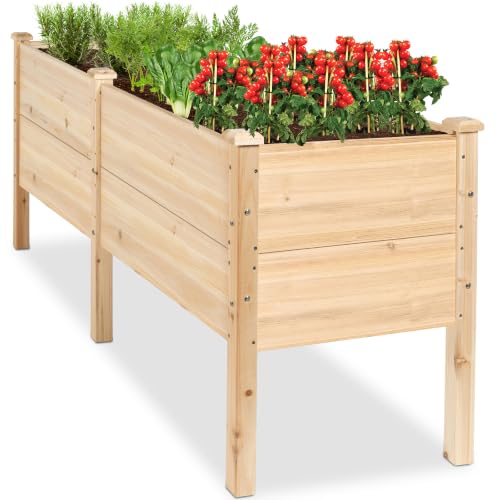
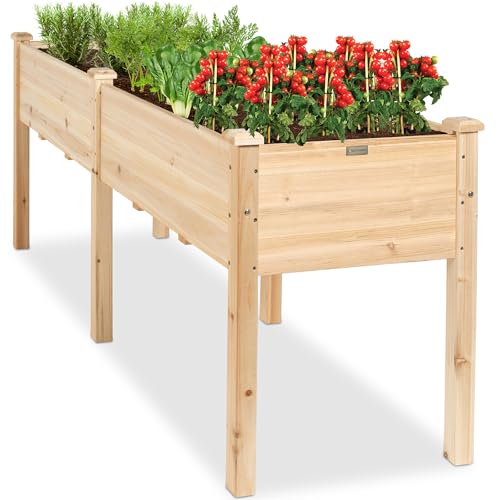


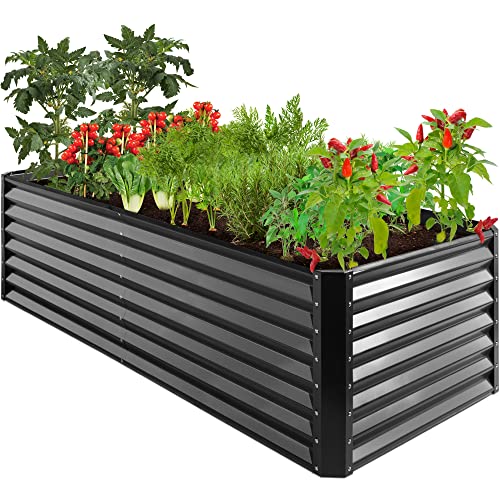

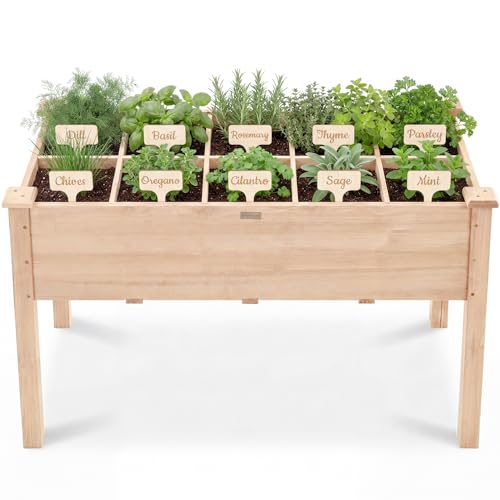


Choosing Best Choice Raised Garden Beds by Material
Material shapes cost, lifespan, and looks. Each of the three common types has a clear strength, and the right pick depends on your climate and how long you want the bed to last.
| Material | Strength | Watch For |
|---|---|---|
| Wood | Natural look, easy to repair | Rot in wet climates, untreated softwood |
| Galvanized metal | Long life, tidy lines | Heat in direct sun, sharp edges |
| Fabric | Light, cheap, easy to store | Shorter life, less structure |
Wood, especially cedar or fir, suits gardeners who like a traditional look and do not mind replacing a board now and then. Galvanized steel panels last for many seasons and resist rot, though dark panels can warm the soil quickly in hot summers. Fabric bags work well for renters and small spaces, with the trade off that they do not hold their shape as firmly as a rigid frame.
Size, Height, and Reach
A bed should be narrow enough to reach the middle from either side without stepping on the soil. About four feet wide is the usual limit for a bed with access on both sides, while a bed against a wall or fence should be closer to two or three feet. Length is flexible, though long beds need bracing in the middle so the sides do not bow under the weight of wet soil.
Height changes the experience. A bed about ten to twelve inches tall suits most vegetables and keeps costs down, while a bed thirty inches tall brings the soil to waist level, which is easier on the back and knees. Taller beds hold less soil per square foot for a given budget, so they suit herbs, greens, and shallow rooted crops best.
Soil Depth and Filling a Bed
Depth determines what grows well. Lettuce, herbs, and radishes are happy in about eight inches, tomatoes and peppers prefer twelve or more, and carrots and potatoes do best with more room. If your bed sits on bare ground, roots can reach the soil below, so a shallower frame works.
Filling a bed takes more soil than most people expect. Multiply length by width by depth in feet, divide by twenty seven for cubic yards, and buy a little extra to allow for settling. A mix of topsoil and compost, with some coarse material at the bottom of a tall bed, drains well and holds moisture. Avoid filling with plain garden soil alone, which can compact.
Where to Put a Raised Bed
Most vegetables want at least six hours of direct sun, so spend a day watching the light before you place the bed. Keep it close to a water source, since a bed you have to haul water to gets watered less often. Leave room around it for a wheelbarrow, and check that the ground is level so the frame does not twist.
On a patio or deck, make sure the structure can carry the weight of wet soil. A bed filled with soil can weigh several hundred pounds, and drainage holes with a tray or liner protect the surface beneath.
Assembly and Setup
Most beds arrive flat packed and go together with a few screws or interlocking panels. Lay out the parts first, check the hardware against the instructions, and assemble on level ground. Tighten screws firmly but do not overdrive them into wood, which can split the boards. Line the bottom with cardboard or landscape fabric to slow weeds, and make sure the lining lets water drain freely.
Common Mistakes to Avoid
- Choosing a bed too wide to reach, which leads to stepping on and compacting the soil.
- Skipping a sunlight check, then finding the bed sits in shade by midafternoon.
- Underestimating soil volume, which means an extra trip or a half filled bed.
- Using thin untreated softwood in a wet climate, where it can rot within a few seasons.
- Placing a bed far from a hose, so watering becomes a chore.
Seasonal Care
In spring, top up the soil with fresh compost and check the frame for loose screws or bowed sides. During the season, water deeply and consistently, and mulch the surface to hold moisture. In autumn, remove spent plants, add compost, and consider a cover crop or a layer of leaves to protect the soil over winter. Wooden beds benefit from a yearly check for soft spots, and metal beds from a look at the edges and coating.
For another take on choosing a bed with a brand focus, see our guide to the best choice products raised garden beds, and for design ideas, read about the best looking raised garden beds.
Frequently Asked Questions
How tall should a raised garden bed be?
Ten to twelve inches suits most vegetables. Choose a taller bed if you want less bending or if the ground underneath is poor, and use a fuller mix of soil to fill it.
Do raised beds need a bottom?
Beds on soil work best with an open bottom for drainage and roots. Beds on patios or decks need drainage holes and a tray or liner to protect the surface.
Is galvanized metal safe for vegetables?
Many gardeners use galvanized steel beds for food crops, and makers often state that their coatings are food safe. Check the maker's information for your bed, and ask the seller if the details are unclear.
How many beds do I need?
Start with one or two and expand as you learn what grows well. A single four by eight foot bed can supply fresh vegetables for a small household through the season.
When should I plant?
Planting dates depend on your region and the crop. Check the last frost date for your area and follow the seed packet guidance.
Final Thoughts
Choose the material for your climate, the size for your reach, the height for your body, and the location for the sun. Use the product table above to compare options once those decisions are made, and the right pick among best choice raised garden beds becomes much easier to see. A well placed, well filled bed rewards a little planning with years of fresh food.


