
Best Chlorine Tablets for Vinyl Pools: Budget, Midrange, and Premium Tiers for 2026
Disclosure: We may earn a commission when you buy through links on this page, at no extra cost to you. As an Amazon Associate I earn from qualifying purchases. Learn more

Compare the best chlorine tablets for vinyl pools by budget, learn what each price tier delivers, and protect your liner with this clear buying guide.
Prices for chlorine tablets vary widely, and the most expensive tub is not always the kindest option for a vinyl liner. This guide shows you where money genuinely helps and where it does not, so you can choose the best chlorine tablets for vinyl pools for your budget with confidence. The goal is steady sanitation, a liner that keeps its color, and no surprises mid season.
We will walk through what each price tier usually delivers, which features protect vinyl, and which extras you can safely skip. Use the product table below as you read to match tub size and tablet format to your pool.

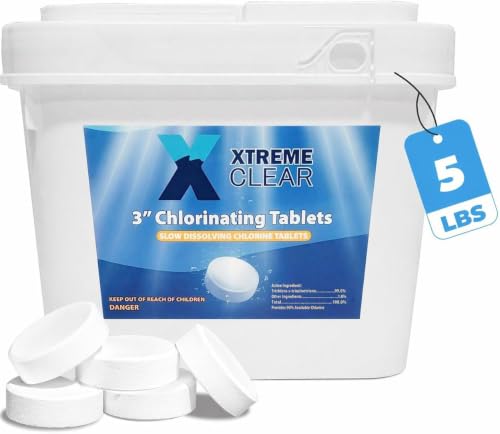


Price Tiers at a Glance
Budget Tier: The Sensible Starting Point
A budget tier pick in tablet form is a standard trichlor tablet in a modest tub, often around $50 to $100 depending on weight and season. You get reliable sanitation and slow dissolve, which covers the core job for most vinyl pools. The trade offs are plain packaging, fewer individually wrapped tablets, and sometimes faster breakdown once the tub is open. For a smaller above ground pool with a short season, this tier often delivers the lowest cost per week without giving up safety.
Midrange Tier: Better Control and Storage
Midrange options, often about $100 to $180 per tub, usually add practical control rather than stronger chemistry. Expect better sealing lids, wrapped tablets that stay potent longer, and a wider choice of tablet sizes, including smaller pucks for finer dosing. Some add a small amount of clarifier or algaecide support, which can help during heavy use weeks. For most vinyl pool owners who swim all summer, this tier balances price, freshness, and dosing control, and it is where many households happily stay.
Premium Tier: Convenience and Consistency
Premium tubs, often about $180 to $280 or more, charge for consistency and convenience rather than a different basic job. Tablets tend to be uniformly pressed, dissolve at a steady rate, and come in packaging that resists moisture well across a long season. You may also get larger tubs that lower the per week cost for big pools. The honest limit is that premium tablets still add stabilizer and still demand a dispenser, so spending more never removes the need for testing and careful placement near vinyl.
Features Worth Paying For (and Ones to Skip)
Tablet Size and Dispenser Fit
Pay for the tablet size that fits your feeder and your pool volume, not the size on sale. Large 3 inch tablets suit bigger pools and inline feeders, while 1 inch tablets give smaller vinyl pools gentler control. A dispenser that keeps tablets suspended and moving protects the liner far better than any premium formula. If a floater parks against a wall, a tether that holds it near the return jet is a cheap and worthwhile fix.
Features That Matter for Vinyl Pools
Vinyl changes the buying rules because concentrated chlorine resting on the liner bleaches patterns and makes the material brittle over time. Slow, even dissolve is the feature that matters most, along with a label that lists vinyl pools as an approved use. For general context across pool types, see our guide to the best chlorine tablets for swimming pools. Avoid any routine that places tablets in direct contact with the liner, the steps, or a light niche, whatever the tub promises.
Liner Safe Application and Placement
How you apply tablets protects vinyl more than which tier you buy. Always dissolve tablets inside a floater or feeder, keep the floater moving, and brush the pool weekly so no settled residue sits on the floor. If you ever need to boost chlorine quickly, predissolve a granular product in a bucket of pool water only if the label allows it, and pour it in slowly with the pump running. Never pour dry chemicals straight onto a vinyl floor.
Stabilizer Content and Long Term Balance
Most tablets are trichlor, so every price tier steadily adds stabilizer to your water. Pay attention rather than money here: test stabilizer monthly and keep a simple log. When stabilizer rises too high, chlorine slows down and you may chase cloudy water with more tablets, which only adds more stabilizer. At that point, partial water replacement or a switch to unstabilized chlorine for a spell does more than any premium tub. Owners of smaller setups can compare dosing notes in our guide to the best chlorine tablets for small pool care.
Packaging, Freshness, and Extras Worth Skipping
Good packaging is worth paying for because moisture is the enemy of tablet potency and safety. A tight lid, an inner seal, and wrapped tablets all earn their cost in humid climates. Extras you can usually skip include scented tablets, color changing claims, and bundled floating toys that substitute for a real dispenser. Built in clarifier can help, but it never replaces filtration and brushing. Spend first on tablets, a sound dispenser, and test supplies, in that order.
Long Term Costs to Factor In
The tub price is only part of ownership. Budget for a floater or feeder, replacement test reagents each season, and the electricity to run your pump long enough to circulate treated water through the whole pool. Factor in partial water replacement if stabilizer climbs, plus a spare liner patch kit for small accidents. A midrange tub with steady dosing often costs less across a season than a cheap tub that leads to shock treatments, algaecide, and a faded liner you replace years early. For a wider view of tablet formats, our guide to the best chlorine tablets for pool use covers the basics.
FAQs
What features matter most in chlorine tablets for vinyl pools?
Slow, even dissolve and a label that approves use in vinyl pools matter most. Tablets must always dissolve inside a dispenser so concentrated chlorine never rests on the liner. Tablet size that matches your pool volume comes next, because overshooting chlorine in a small vinyl pool fades color and stresses seams. Fresh, well sealed packaging rounds out the list.
How long should a chlorine tablet last in a vinyl pool?
A tablet typically lasts about three to seven days in a floater, with heat, sun, and heavy swimming shortening that span. If tablets vanish in a day or two, check the floater vents and confirm your pool volume, since overdosing shortens liner life. If they linger for two weeks, chlorine may be running low between doses, so test more often and open the vents slightly.
Can chlorine tablets damage a vinyl liner?
Yes, tablets can damage vinyl when they touch it directly or when overdosing keeps chlorine very high for long stretches. A puck resting on the floor can bleach a pale circle in days. The fix is simple and cheap: use a floater or feeder, keep it moving, and dose in small steps. With that routine, tablets are a normal and safe part of vinyl pool care.
Are more expensive chlorine tablets safer for vinyl pools?
Not automatically, because premium tablets share the same basic chemistry and the same need for a dispenser. Extra money mainly buys even pressing, better packaging, and predictable dissolve, which do help consistency. Safety for your liner comes from placement, dose, and testing habits. A budget tablet in a good floater will treat vinyl better than a premium tablet dropped in the skimmer.
How do I keep stabilizer from building up with tablet use?
Test stabilizer every few weeks and track the trend in a notebook or phone note. Splash out, backwashing, and rain dilution slow the climb a little, but only draining and refilling part of the water lowers it once it is high. Many owners alternate periods of tablet use with unstabilized liquid chlorine. That rotation keeps the convenience of tablets without letting stabilizer creep up all season.
What size tablets should I buy for an above ground vinyl pool?
Smaller pools usually do best with 1 inch tablets because each puck adds a gentle amount of chlorine and you can fine tune the count. Larger above ground pools with a proper feeder can use 3 inch tablets for fewer refills. Match the choice to your dispenser first, since a tablet that rattles loosely or jams the lid will dissolve unevenly however good the formula is.
Final Thoughts
Choose your tier by season length and pool size, protect the liner with a proper dispenser, and let testing, not price, steer your dose. Midrange tablets suit most vinyl owners, while budget tubs serve short seasons well and premium tubs reward large pools with storage space. Compare formats in the product table above, and the best chlorine tablets for vinyl pools pick for your home will be the one that keeps water clear without ever resting on the liner.


