
Best Chlorine Tablets for Inflatable Pool: Every Type Explained Side by Side for 2026
Disclosure: We may earn a commission when you buy through links on this page, at no extra cost to you. As an Amazon Associate I earn from qualifying purchases. Learn more

A buying guide to the best chlorine tablets for inflatable pool care, comparing tablets with liquid and granular options, plus dosing and vinyl safety tips.
Walk into the pool aisle and you will find tablets, liquids, granules, and kits all promising clear water, which leaves many owners unsure where to start. This guide compares the best chlorine tablets for inflatable pool care with the main alternatives, type by type, so the trade offs are plain. Inflatable pools are small, shallow, and often lack a real pump, and those three facts shape every recommendation that follows.
One honest note comes first. A tiny pool you fill in the morning and empty at night does not need any sanitizer at all, because fresh water and a full drain do the job. Tablets earn their place in larger inflatable pools that stay up for days or weeks, where daily refilling would waste hundreds of gallons. Keep that line in mind as you read the product table below.


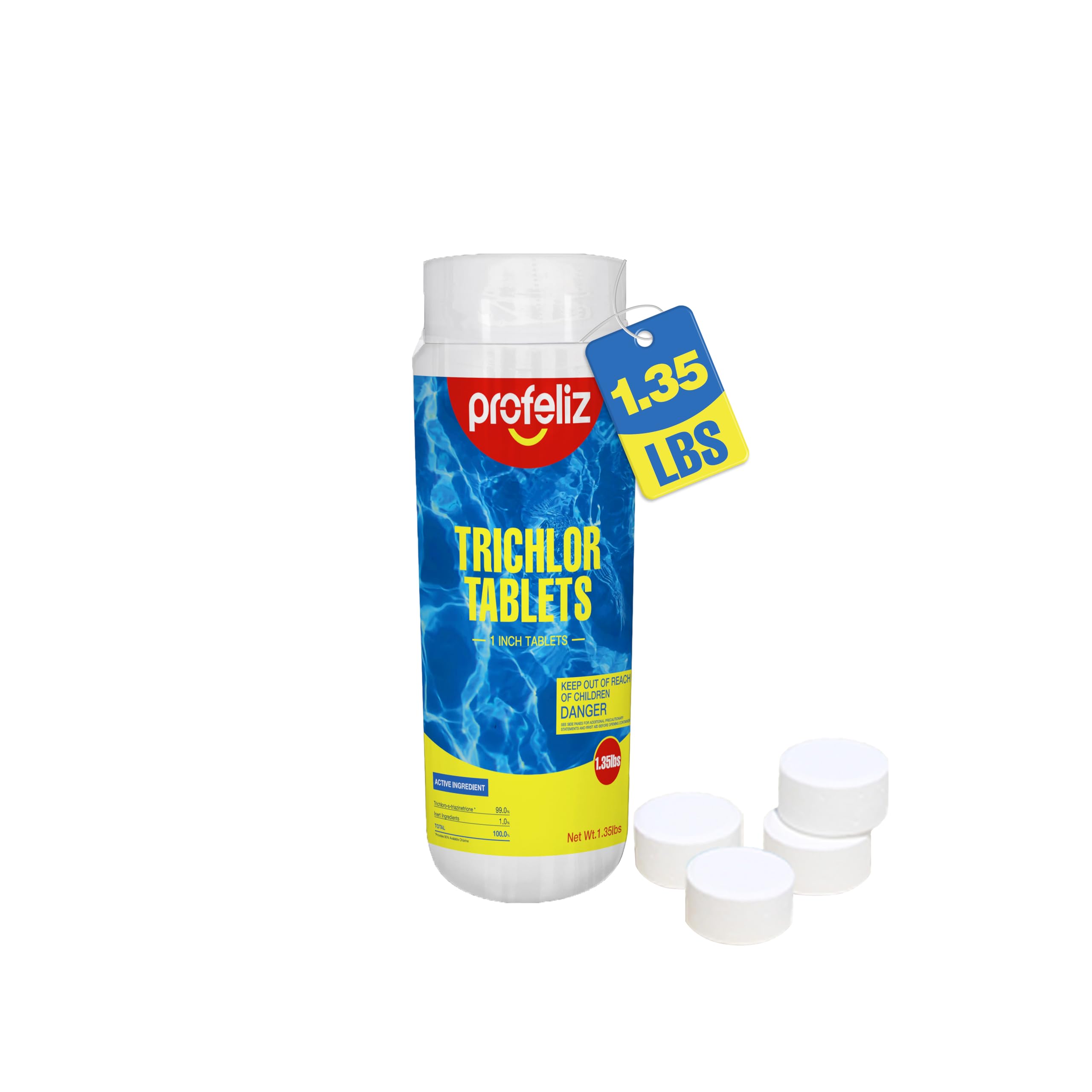

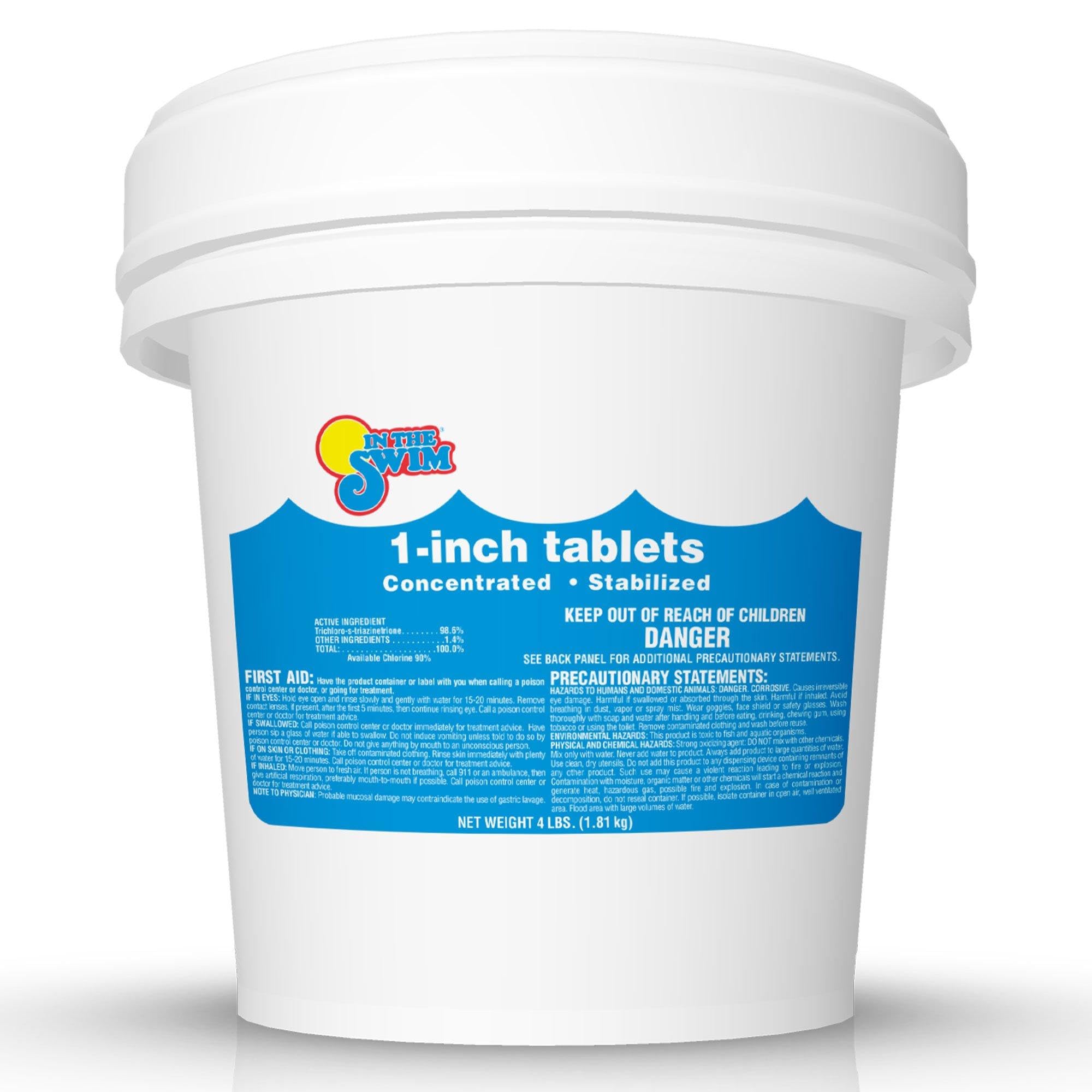

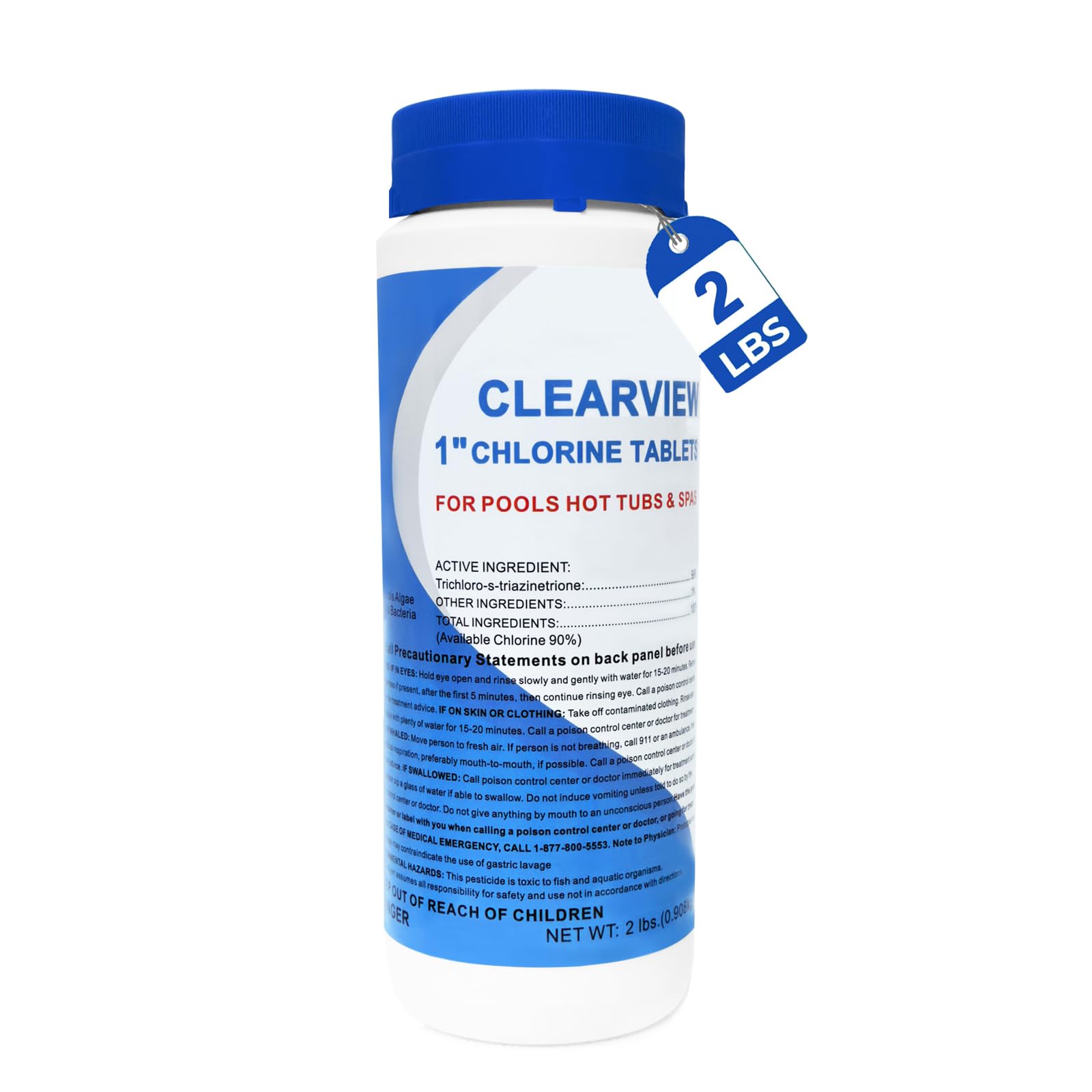

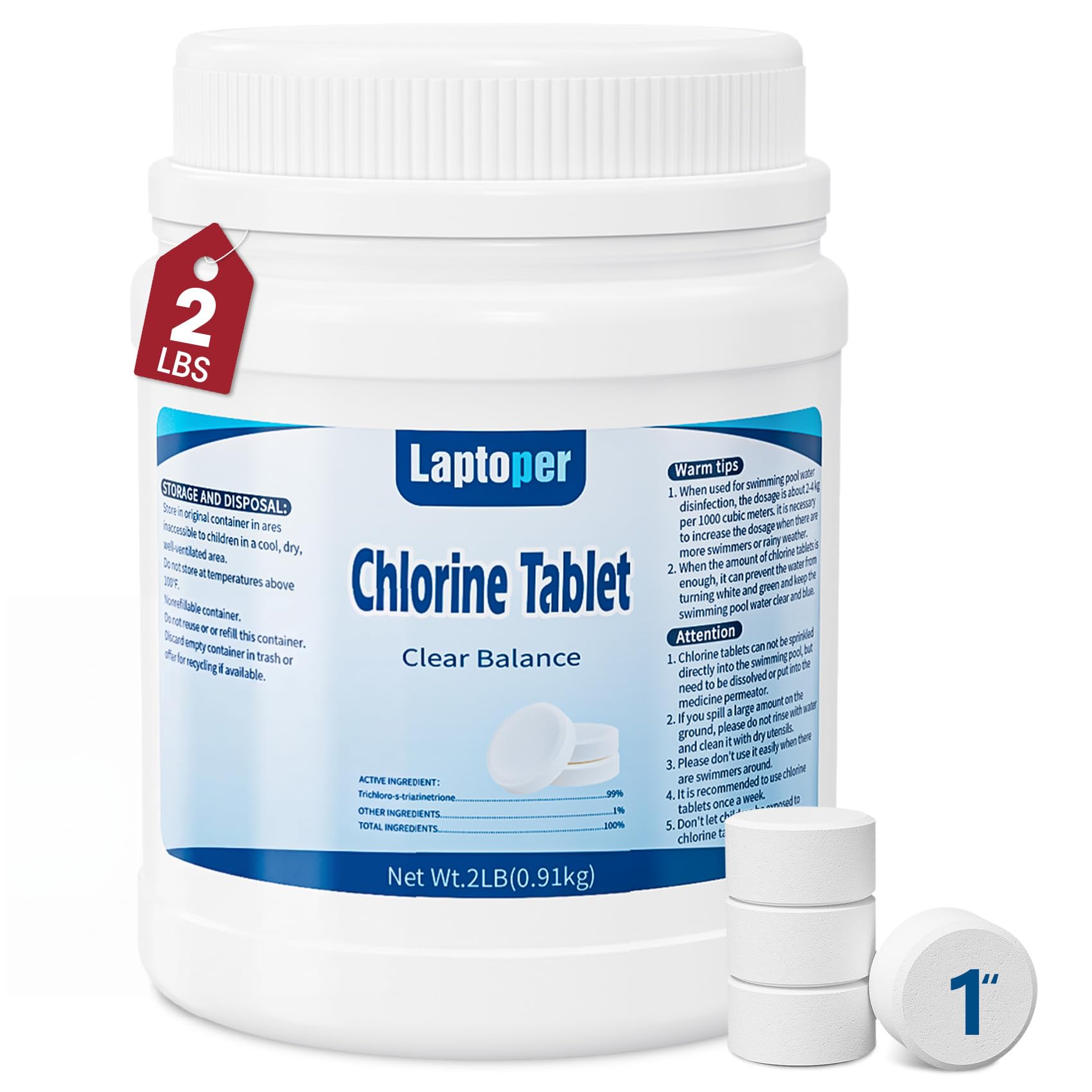
How Chlorine Tablets Compare to Other Options
Chlorine Tablets vs Liquid Chlorine
Tablets release chlorine slowly from a floating dispenser, holding a steady level with little daily effort, and a small supply typically costs about $15 to $30. Liquid chlorine acts at once, which makes it ideal for correcting low water today, but it fades within a day or two and needs regular remeasuring and pouring. Liquid also carries no stabilizer, a plus for small pools. Choose tablets for a steady background level across a week, and keep a small bottle of liquid on hand for quick fixes after a crowded day. For bigger framed pools, our guide to the best chlorine tablets for swimming pools covers the larger formats.
Chlorine Tablets vs Granular Chlorine
Granules dissolve fast and let you dose by the spoonful, which suits the odd volumes of inflatable pools where one whole tablet may be far too much. That precision comes at the cost of effort, because granules must be measured, predissolved in a bucket of pool water for vinyl safety, and added by hand every day or two. Tablets win on convenience and steady coverage, while granules win on fine control for pools under about 1,000 gallons. Many owners use granules for the first weeks, learn their pool appetite, then move to small tablets once the routine is clear.
Chlorine Tablets vs Salt Systems and Non Chlorine Options
A salt system generates chlorine from dissolved salt using a powered cell, which gives soft feeling water and low daily effort, but the hardware costs far more than a season of tablets and only suits inflatable pools with a proper pump and a maker approved setup. Non chlorine options, such as mineral cartridges and enzyme products, can reduce how much chlorine you need but do not sanitize fully on their own in warm outdoor water. For a seasonal inflatable pool, tablets remain the simplest complete answer. Owners of permanent pools can compare formats in our guide to the best chlorine tablets for inground pool care.
Who Should Choose Chlorine Tablets?
Tablets fit owners whose pool stays filled for at least a week, holds roughly 800 gallons or more, and ideally runs a small pump and filter, because moving water distributes the chlorine evenly. They also fit busy households that cannot measure chemicals every day. You should choose another route if your pool is a small splash pool emptied often, if it has no pump and sits still, or if you cannot test the water at least twice a week. In those cases, daily fresh water or careful granular dosing is safer and cheaper. For general pool tablet background, see our guide to the best chlorine tablets for pool use.
How to Choose the Right Chlorine Tablet
Features That Matter for Inflatable Pool Use
Inflatable pools punish the wrong tablet in specific ways. The water is shallow, so sunlight reaches all of it and burns chlorine off quickly. The walls are thin vinyl, so concentrated chemicals resting against them cause real damage. Volumes vary wildly, from a few hundred gallons to several thousand, so dose steps must be fine. Look for small tablets, a label that names vinyl or above ground pool use, and dosing directions written for small volumes. A product whose smallest stated dose treats 5,000 gallons tells you it was never designed for your pool. Our guide to the best chlorine tablets for vinyl pools explains liner safe selection in more depth.
Tablet Size and Dispenser Fit
One inch tablets are the practical standard for inflatable pools, because each one treats a modest volume and a small floating dispenser can hold one or two with room to adjust. Three inch tablets belong to large pools with skimmers and feeders, neither of which an inflatable pool has. Check that your dispenser vents open and close smoothly, since the vent setting is how you will fine tune the level after testing. A dispenser with a locking cap also keeps curious children from reaching the tablets, which is a genuine safety feature and not a bonus.
Stabilizer and Sun Exposure
Most tablets are stabilized, meaning they add a compound that slows sunlight burn off. In a big pool that is helpful, but in a small inflatable pool that you partly drain and top up often, stabilizer can still accumulate across a season and blunt the chlorine. If your pool sits in full sun and stays up all summer, test stabilizer monthly with a strip or kit that reads it. When it climbs past the range on your tablet label, a partial drain and refill is the only real cure. Owners of compact pools will also find useful sizing advice in our guide to the best chlorine tablets for small pool setups.
Water Volume and Dose Steps
Know your gallons before you buy anything. The pool box or maker page states the volume at the recommended fill line, and that number decides how many tablets you need and how strong each dose is. Write the volume on the dispenser with a marker so every adult in the house doses the same way. Then start with the lowest label dose, test after a full day, and adjust in small steps. Doubling a dose to catch up after a busy weekend usually overshoots, leaving water that stings eyes and must sit unused while levels fall.
Storage and Handling
Tablets lose strength and become hazardous when stored badly. Keep them in the original sealed container, in a shaded dry spot, locked away from children and pets, and never next to other chemicals, fuel, or fertilizer. Use a clean dry scoop or dry hands, and never return a wet tablet to the container. Buy a quantity matched to one season of your actual pool size, because a bargain bucket that sits for two summers will test weaker than its label promises and may clump into hard, uneven lumps.
Care and Maintenance Tips
Test free chlorine and pH at least twice a week, and after any day of heavy use, aiming for the ranges on your tablet label, commonly about 1 to 3 parts per million of free chlorine and pH near 7.2 to 7.8. Skim leaves daily, run the pump for several hours, and brush the floor gently to stop slippery patches forming. Shock the water weekly during heavy use with a product labeled for vinyl pools, following its dose exactly. When the pool comes down for the season, dry it fully before storage so mildew does not undo a summer of care.
Safety Notes for Family Pools
Chlorine never replaces supervision. An adult should watch children in and around any pool at all times, because drowning is fast and silent, even in shallow water. Keep all tablets and test chemicals locked away, and never mix chlorine products with acids or other cleaners, which can release harmful gas. If a child swallows a tablet or someone develops breathing trouble, eye pain, or skin burns after contact, seek medical help or contact poison control at once. When water looks cloudy, smells strong, or tests far outside range, keep swimmers out until it is corrected.
Chlorine Tablets: Your Questions Answered
What features matter most in chlorine tablets for inflatable pool care?
Small size, vinyl safe labeling, and fine dose steps matter most. A one inch tablet in an adjustable dispenser lets you hold a steady level in a few hundred or thousand gallons without overshooting. Stabilizer content comes next, because buildup quietly weakens your sanitizer across a season. Price per tablet matters least, since a cheap tablet in the wrong size costs you water, time, and possibly a liner. Match the product to your pool volume first and compare prices only among tablets that fit.
How long should a chlorine tablet last in an inflatable pool?
A one inch tablet in a small dispenser typically lasts about four to seven days in warm weather, and less in full sun or after heavy use. Treat that span as a rough guide only. Your test strip is the real schedule, because two pools of the same size can consume chlorine at very different rates depending on shade, debris, and how many swimmers climb in. When a tablet is about half gone, check levels daily so the water never sits unprotected.
Can I use tablets in a very small inflatable pool?
For a pool of a few hundred gallons that you empty often, tablets are usually the wrong tool, because even one small tablet can push chlorine far above the swimming range in so little water. Daily draining and refilling is simpler, safer, and cheaper at that size. If the pool stays up and holds closer to a thousand gallons, a single one inch tablet in a partly closed dispenser can work, provided you test before every swim and remove the dispenser while children are in the water nearby.
Are chlorine tablets safe for the vinyl of an inflatable pool?
Yes, when they are used through a floating dispenser and the product is labeled for vinyl or above ground pools. The danger comes from contact, not from properly dissolved chlorine at swimming levels. A tablet resting on the floor will bleach a pale circle and weaken that patch of vinyl, sometimes within a day. Keep tablets off the liner, predissolve any granules before adding them, and never pour shock directly onto the floor. Used that way, tablets and vinyl get along fine for many seasons.
How much chlorine should an inflatable pool hold?
Aim for the range printed on your tablet and test strip guides, commonly about 1 to 3 parts per million of free chlorine, with pH between 7.2 and 7.8. Below that range, bacteria and algae gain ground quickly in warm shallow water. Above it, eyes sting, skin itches, and swimwear fades. Test at the same time of day for consistent readings, and adjust the dispenser vents in small steps rather than adding extra tablets, which makes levels swing instead of settle.
Our Verdict
For a midsize or large inflatable pool that stays up for weeks, small tablets in an adjustable dispenser give the steadiest water with the least daily work, while granules suit tiny volumes and liquid suits quick corrections. Confirm your gallons, protect the vinyl, and test twice a week. Shortlist your options in the product table above, and remember that the best chlorine tablets for inflatable pool care are the ones sized to your water, not the ones with the biggest bucket or the boldest promise on the label.


