Best Chinese Carbon Mountain Bike Frame: Matching the Right Model to Your Routine for 2026
Disclosure: We may earn a commission when you buy through links on this page, at no extra cost to you. As an Amazon Associate I earn from qualifying purchases. Learn more

Choose the best chinese carbon mountain bike frame with this guide to geometry, sizing, axle and brake standards, layup quality, and warranty checks.
There is no single frame that suits every rider, because a cross country racer, a weekend trail rider, and a home mechanic building a light hardtail all ask different things of carbon. This guide helps you match the best chinese carbon mountain bike frame to your routine, your parts, and your budget, without paying for travel or tube shapes you will never use. Start with the comparison table below, then work through the fit and standards checks that follow.
Chinese factories now sell capable carbon frames direct to riders at prices well below big Western brands. The savings are real, but so are the risks of unclear warranty support, shifting standards, and geometry charts that need careful reading. A methodical check of size, standards, and seller support turns that gamble into a sensible purchase.


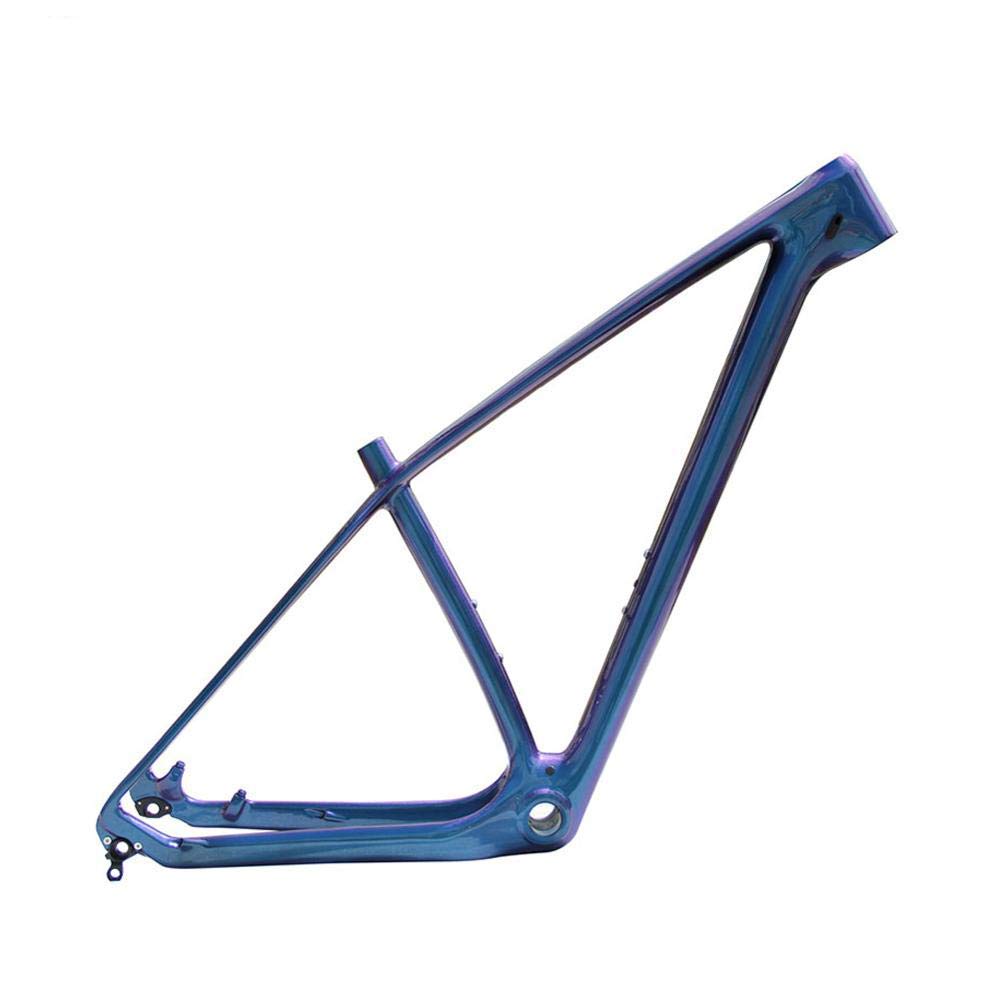
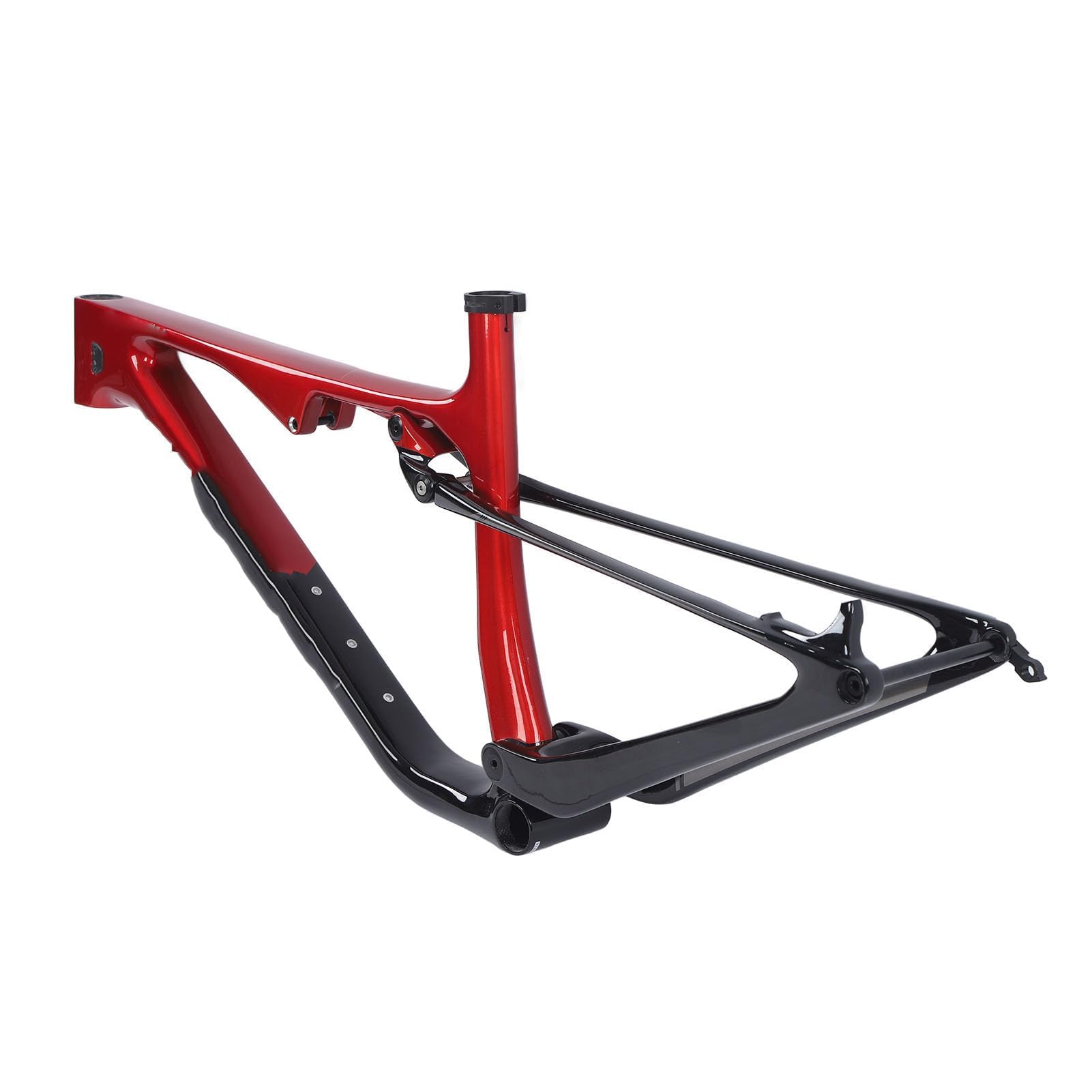


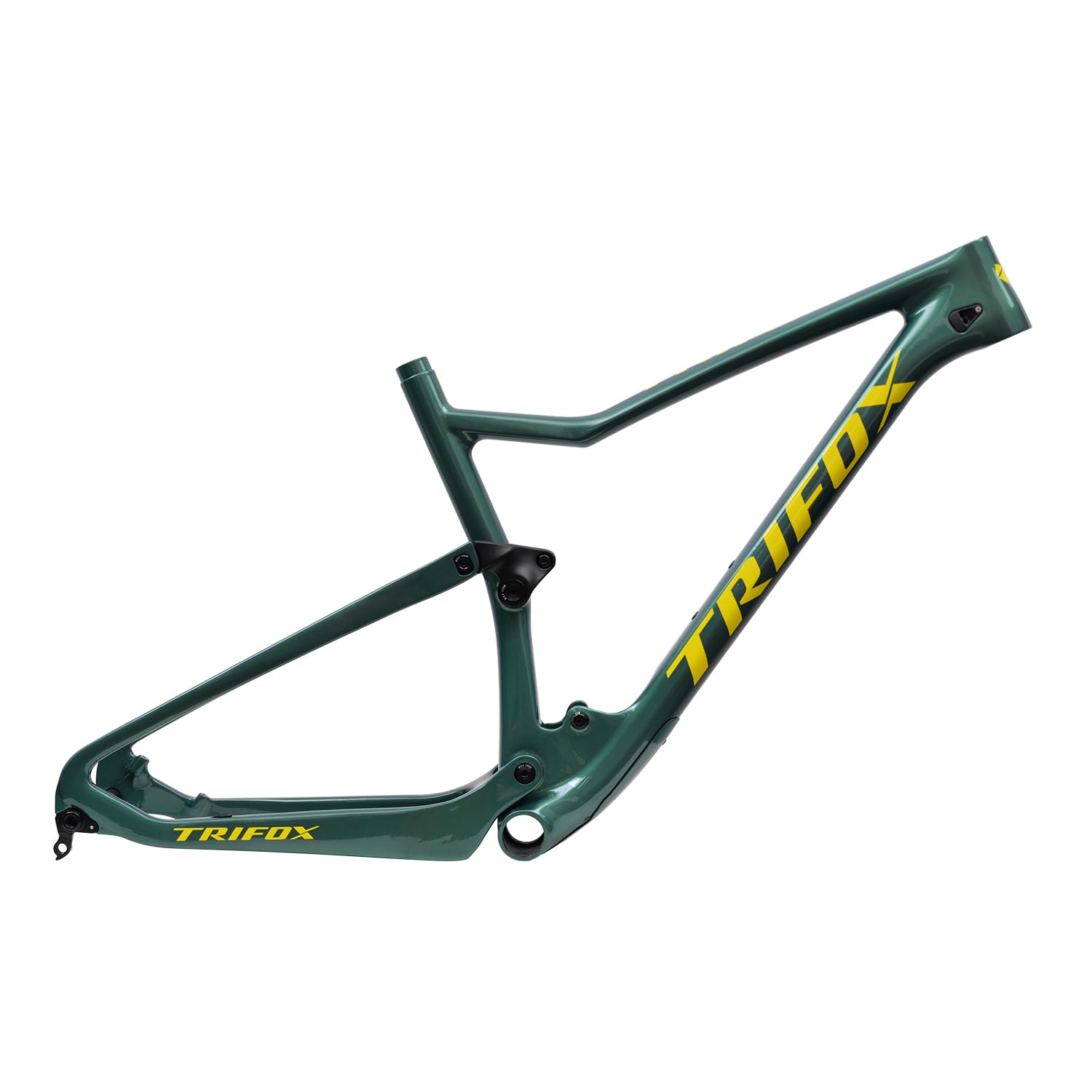

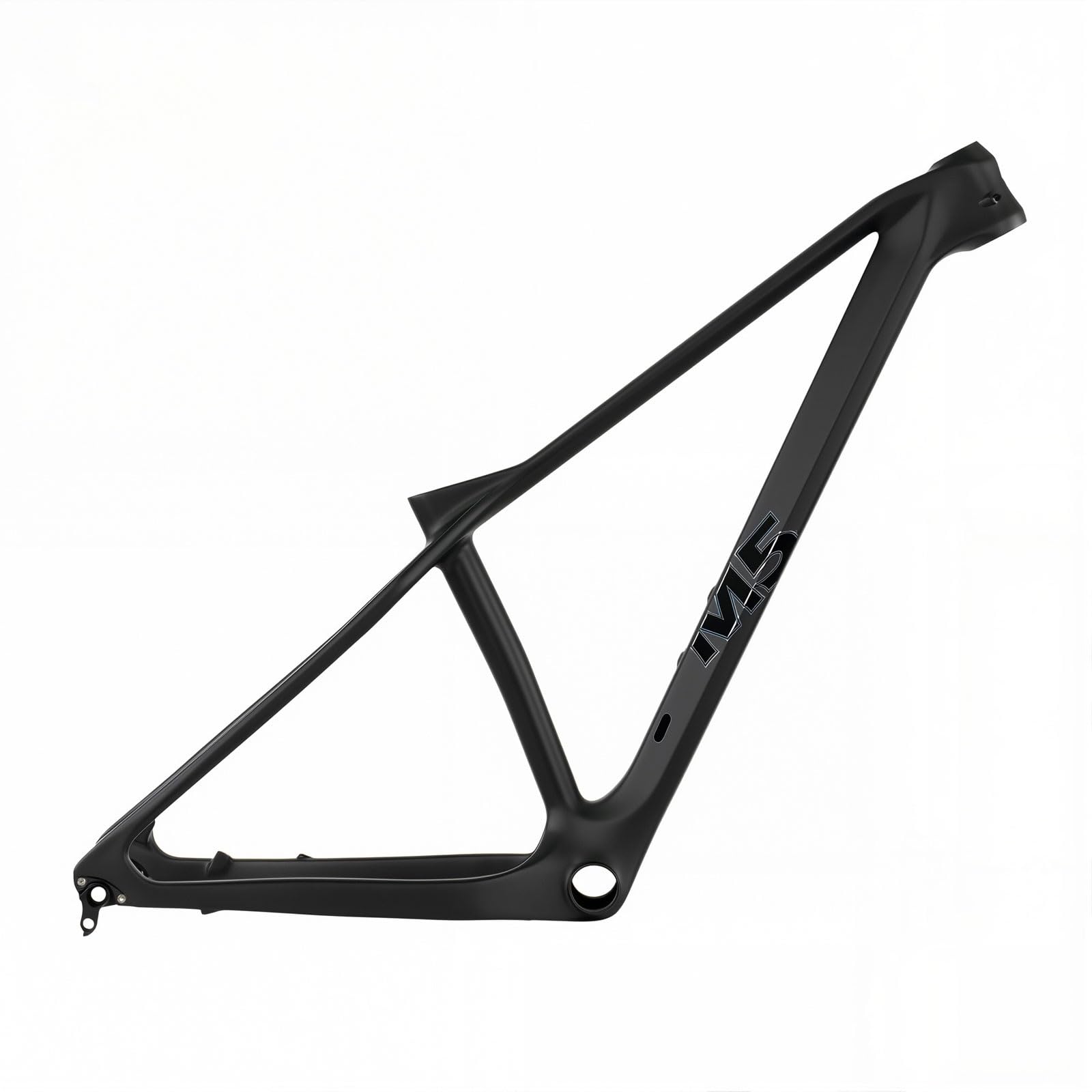
Who Should Buy Which Frame?
For Frequent or Serious Users
Riders who train weekly or race should prioritize a proven layup, honest weight figures, and a seller with a track record of honoring crash and defect claims. Look for a frame with modern boost axle spacing, a threaded bottom bracket if you service your own bike, and geometry that matches current fork offsets. Paying a bit more for a seller with English language support and spare derailleur hangers in stock saves weeks of downtime later. Performance also means stiffness where you pedal, so read ride reports that mention sprinting and climbing, not just descending.
For Weekend Beginners
Newer riders do best with a forgiving hardtail frame in the 100 to 120 mm fork range, paired with a slacker head angle that stays calm on loose descents. Keep the build simple: a 1x drivetrain, hydraulic disc brakes, and tubeless ready wheels teach skills without constant adjustment. Budget for the parts the frame does not include, such as a headset, seatpost, and thru axles, because those small costs surprise many first time frame buyers. A sensible total budget matters more than chasing the lightest layup.
For Small Spaces and Easy Storage
Apartment riders should note that a bare frame stores easily, but a built bike does not shrink. A light hardtail hangs neatly on a wall hook and lifts onto a car rack without strain, which matters when you carry it down stairs daily. Full suspension frames add linkage hardware that needs cleaning and takes more room during service. If storage drives your choice, pick the simpler frame and spend the savings on a sturdy wall mount and a floor pump. Riders comparing complete bikes as well can browse our guide to the best chinese mountain bike for context.
Key Features to Compare
Frame Material and Layup Quality
Carbon frames differ mainly in fiber grade and layup, the way layers are arranged in each tube. Higher grade fiber can cut weight and add stiffness, but a well designed layup in standard fiber often rides better than a careless one in premium fiber. Ask the seller for the frame weight in your size, with hardware, and treat vague answers as a warning sign. Also ask about the resin system and any impact testing the factory performs, since honest sellers answer those questions directly.
Geometry and Riding Style
Geometry decides how the bike feels more than any other factor. Cross country frames use steeper head angles around 67 to 69 degrees and shorter reach for quick climbing and tight turns. Trail frames slacken the head angle toward 65 to 66 degrees and lengthen reach, which steadies the bike on rough descents but can feel slow on flat singletrack. Match the style to your trails first: a frame built for enduro travel will pedal poorly on the smooth loops most riders actually ride every week.
Also compare reach and stack, not just the size letter. Two medium frames can differ by 20 mm of reach, which is a full stem length of difference in feel. Use the geometry chart with your current bike, if you have one, and note the three numbers that changed your comfort most.
Sizing and Fit
Size by reach and standover height, not by your height alone. Most brands suggest a frame size from inseam and torso length, and riders between sizes usually size down for playful handling or up for stability at speed. Check standover clearance of at least a couple of centimeters in riding shoes, especially on full suspension designs with tall top tubes. If you plan a dropper post, confirm the seat tube accepts the travel you want, because short seat tubes on some frames limit dropper length.
Standards and Parts Compatibility
Compatibility mistakes are the costliest errors in a frame purchase. Confirm rear axle spacing, usually 148 mm boost on modern trail frames, the bottom bracket shell type, the headset standard, and the brake mount and maximum rotor size. Check the maximum tire width in real terms, since a frame rated for 2.6 inch tires may fit only 2.4 inch tires from some brands. Also confirm derailleur hanger type and order a spare with the frame. Riders weighing carbon against other materials may find our guide to the best carbon mountain bike helpful for the wider picture.
Suspension Design and Fork Travel
For full suspension frames, the linkage design and shock size matter as much as travel. Confirm the shock eye to eye length and stroke the frame requires, and whether the seller includes the shock or expects you to source it. Mismatched shocks are hard to resell and harder to fit. Hardtail shoppers should instead confirm the fork travel range the geometry assumes, because fitting a much longer fork lifts the front, slackens the seat angle, and can stress the head tube beyond its design. Our overview of the best frame for mountain bike covers these standards across materials.
Common Mistakes to Avoid When Buying
- Shopping on price alone, then discovering the frame needs a proprietary headset, seatpost clamp, or axle that adds weeks and cost.
- Ignoring the geometry chart and ordering by height, which often lands riders on a frame with reach far from what they wanted.
- Skipping the warranty terms, including who pays shipping for a claim, until after a problem appears.
- Assuming every part from an old bike transfers over, when axle spacing, bottom bracket, and seatpost diameter often differ.
- Choosing travel for the hardest trail you ride once a year instead of the trails you ride every week.
If you are still deciding between carbon layups and naming styles, our guide to the best carbon fiber mountain bike frame explains how fiber grades are marketed, and the best carbon frame mountain bike guide compares frame first builds with complete bikes.
Care and Maintenance Tips
- Check tire pressure before every ride, since low pressure risks rim strikes that can crack a carbon rim or damage the frame at the dropouts.
- Clean and lube the chain every 100 to 200 miles, and wipe grit from linkage pivots and the seatpost interface to stop creaks before they start.
- Use a torque wrench on every carbon clamp, including the seatpost and stem, and use carbon assembly paste instead of extra force.
- Inspect the frame after any crash for paint cracks around the head tube, bottom bracket, and chainstay, and stop riding if a crack reaches the fiber.
- Have a professional tune up yearly, including a check of pivot bearings and headset preload that home tools can miss.
Frequently Asked Questions
Hardtail or full suspension carbon frame for beginners?
A hardtail is the better first carbon frame for most beginners. It costs less, weighs less, and has no pivots or shock to service, so more of your budget goes to brakes and wheels that build skill and confidence. Full suspension helps on rocky descents, but it adds setup complexity. Start simple, learn line choice, and upgrade later if your trails truly demand rear travel.
How much should I spend on a first Chinese carbon frame?
Plan a total build budget, not just a frame price. A sound frame often lands around $500 to $900, and a complete sensible build usually totals about $1,500 to $2,500 once wheels, fork, brakes, and drivetrain are included. Spending far less on the frame often means dated standards that limit parts choice. Keep a reserve for the small hardware every frame build needs.
What size Chinese carbon mountain bike frame do I need?
Start with the maker size chart, then confirm with reach and standover numbers. As a rough guide, riders around 5 feet 6 inches to 5 feet 10 inches usually fit a medium, but torso and leg proportions shift that answer. If you fall between sizes, choose smaller for tight trails and larger for fast, open riding. A short ride on a similar geometry bike settles doubts better than any chart.
Can a cracked Chinese carbon frame be repaired?
Many carbon frames can be repaired by specialist carbon repair shops, which scan the damage, rebuild the layup, and repaint the area. Repair often costs a few hundred dollars, so weigh it against the frame value and any warranty claim first. Never ride a frame with a suspected structural crack, and never try a home resin fix on a load bearing tube. Ask the seller before buying whether crash damage has any coverage at all.
How long does shipping and customs take for a Chinese carbon frame?
Direct orders commonly take two to five weeks in transit, and customs charges depend on your country and the declared value. Confirm before paying whether taxes are included in the checkout price or collected on delivery, because that difference can add a large sum. Keep the tracking number and all seller messages until the frame arrives and passes inspection, since that record supports any dispute about damage or wrong size.
Final Thoughts
Fit, standards, and seller support decide whether a direct order carbon frame is a bargain or a headache, so check those three before you admire weight figures. Match travel and geometry to the trails you ride weekly, and keep a spare hanger in your pack. When you are ready, compare the best chinese carbon mountain bike frame options in the product table above against your reach numbers and parts list, and order only when every standard lines up.