Best Chukka Boots for Walking in 2026: What Actually Matters Before You Buy
Disclosure: We may earn a commission when you buy through links on this page, at no extra cost to you. As an Amazon Associate I earn from qualifying purchases. Learn more

The best chukka boots for walking pair cushioning and a roomy toe box with a grippy sole for daily miles, travel days and town walks.
A chukka boot looks simple, yet a pair that feels fine for short errands can punish your feet on a five mile day. The best chukka boots for walking add real cushioning, a roomy toe box and a grippy outsole to that classic ankle height shape. Use this checklist before you buy, so you can read the comparison table below with a clear view of fit, sole and upper.
Start with the walk you repeat most often. Distance, surface and weather change what you need far more than colour or styling does. A boot for dry city pavement, a boot for wet market towns and a boot for gravel paths share a name, but they should not share the same sole, upper or weight.

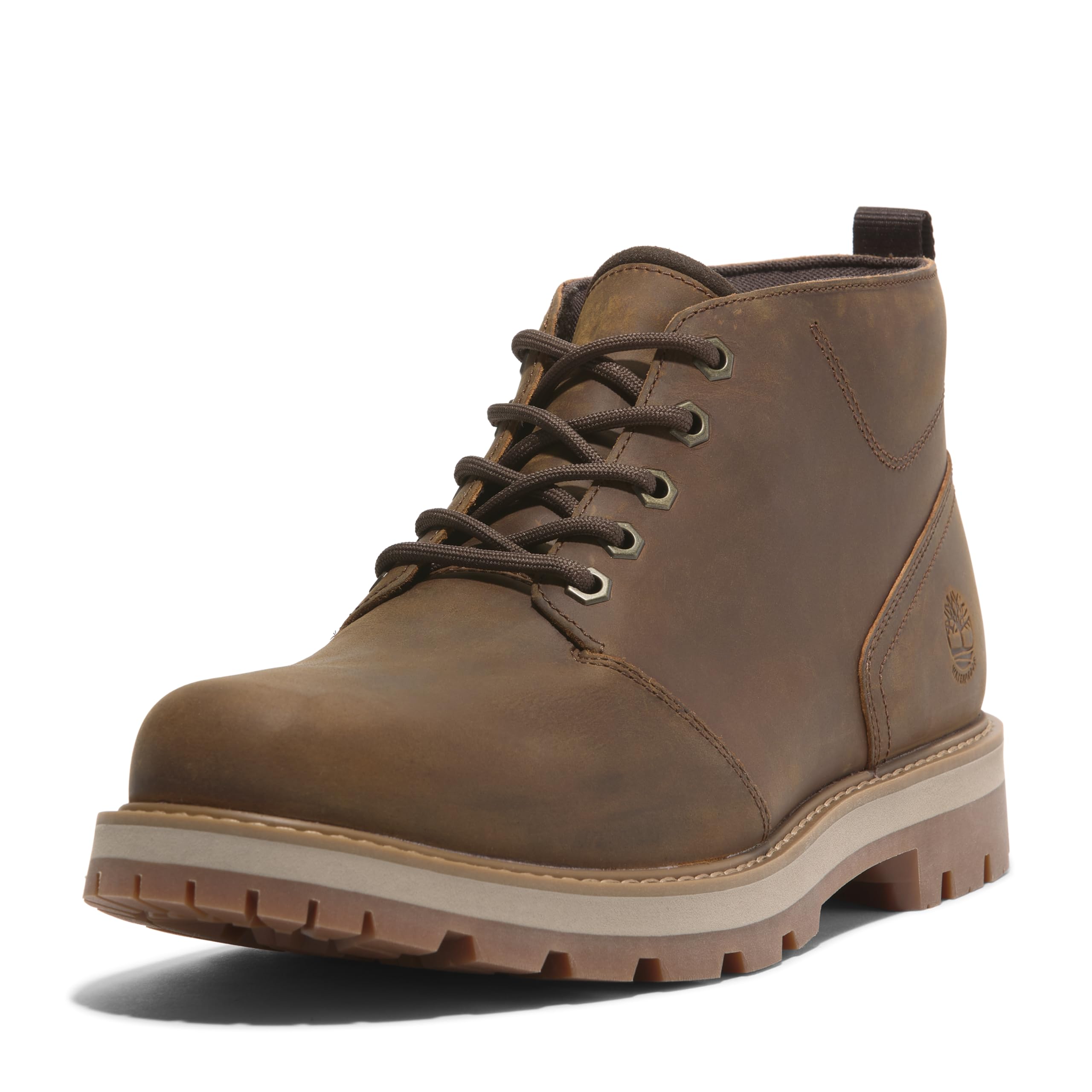


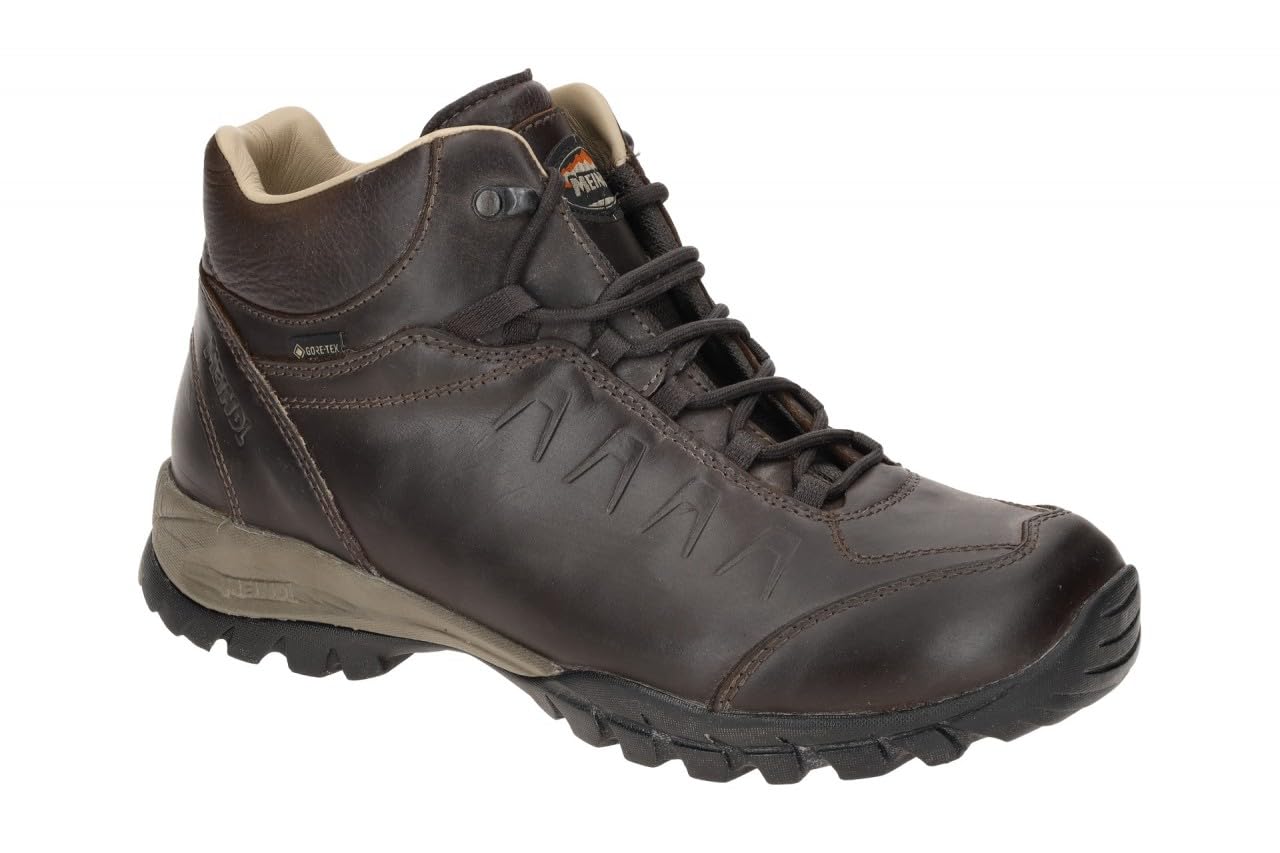
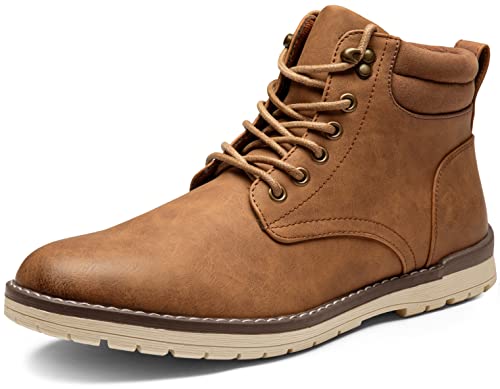

Who Should Buy Which Chukka Boots for Walking?
Match the boot to your usual route first. The groups below cover the three walking patterns that suit this ankle height style best.
Daily City Walkers and Commuters
You walk on pavement, station platforms and office floors, often for two to five miles spread across the day. Choose a cushioned midsole, a flat rubber outsole with fine tread and a leather or textile upper that looks tidy at work.
Travelers Who Walk All Day in One Pair
You need one pair that handles airports, old town streets and evening meals without a change of shoes. Choose a roomy toe box for feet that swell during a long day, plus an upper that resists scuffs and light rain.
Walkers Who Split Time Between Pavement and Light Trails
You leave town on gravel, grass and packed earth, then return on hard streets. Choose deeper lugs, a stiffer shank and a collar that keeps grit out of the boot. For rougher routes than this, see our guide to the best walking boots for men for taller and more protective options.
Key Features to Compare
Work through these factors in order. Fit comes first, because no sole or upper can fix a boot that pinches or slips from the first mile. That focus is what sets the best chukka boots for walking apart from fashion pairs made only for short outings.
Fit, Sizing and the Toe Box
Measure both feet late in the day, when they are at their largest, and buy for the longer foot. Your toes should spread and move inside the toe box, with about a thumb width of space in front of the longest toe. The heel should stay seated when you walk, with only slight movement. Width matters as much as length, since a long but narrow boot still squeezes the forefoot. If you shop the men's range in particular, see our guide to the best men's chukka boots for walking for more detail on widths.
Cushioning, Stability and Heel to Toe Drop
Cushioning in a walking chukka usually comes from a foam midsole and a shaped insole, not from a thick fashion sole. You want enough padding to soften pavement, with a stable base that does not wobble at the heel. Heel to toe drop is the height change from heel to forefoot. A drop of about 8 to 12 mm suits many walkers, while a much lower drop loads the calves and Achilles more. Choose the feel you already walk well in, and change drop slowly if you change it at all.
Outsole Traction for Pavement and Wet Stone
The outsole decides how safe the boot feels on wet tiles, painted crossings and smooth stone. Look for rubber with many small edges on flat ground, because those edges bite on hard wet surfaces. Lugs of about 3 to 5 mm add grip on gravel and mud without feeling rough on pavement. Match the tread to the surface you cross most, not the roughest ground you might visit once.
Weight, Flexibility and the Ankle Collar
A walking chukka should flex at the ball of the foot and stay firm through the midfoot, so your stride rolls instead of clapping flat. Heavy boots protect well, but each extra ounce costs energy over thousands of steps. The collar sits at the ankle with two or three eyelets, giving light support and easy entry rather than the lock of a tall boot. If weight is your main concern on dry summer routes, see our guide to the best walking shoes for a lighter comparison.
Upper Material, Breathability and Weather Protection
Full grain leather resists scuffs and moulds to your foot over time, and it suits year round town walking. Suede looks softer and feels supple early, but it marks in rain and needs more brushing. Textile uppers breathe best in heat and weigh less, yet they offer less structure. A breathable lining helps on mild days, while a waterproof membrane such as Gore Tex suits wet climates and puddled streets.
Durability, Sole Wear and Break In
Look at how the sole attaches to the upper. Stitched or welted soles can often be replaced when the tread wears smooth, which extends the life of a leather upper that still fits well. Cemented soles cost less but are harder to renew. Leather chukkas need a break in period of short walks before a long day, since stiff quarters can rub the ankle at first. Crepe soles feel soft and quiet, while rubber soles usually last longer on rough pavement.
Chukka Boot Styles and a Quick Buyer Checklist
Classic leather chukkas suit offices and smart casual travel, rugged lug sole chukkas suit mixed ground, and light suede or textile chukkas suit dry weather strolling. If you want the wider category first, see our guide to the best chukka boots before you narrow the choice to walking use. Whatever style you pick, treat vague claims as a warning sign. A listing with no width options, no sole material named and no clear return terms leaves you guessing on the points that decide comfort.
Before you order, answer these questions honestly:
- Did you measure both feet late in the day?
- Can your toes spread inside the toe box?
- Does the outsole tread match your usual surface?
- Is the cushioning firm enough to stay stable?
- Does the upper suit your normal weather?
- Can the sole be replaced when it wears?
- Will the weight feel fine after five miles?
Common Mistakes to Avoid
Most sore feet from new chukkas trace back to one of these errors.
- Buying your usual dress shoe size without measuring leaves toes cramped once feet swell on a long walk.
- Choosing smooth fashion soles for wet streets leaves you sliding on tiles and painted crossings.
- Wearing a brand new pair for a full travel day invites blisters before the leather softens.
- Picking suede for a wet climate means constant marks and slow drying after every shower.
- Ignoring heel slip at home leads to rubbed skin and blisters within the first few miles.
Care and Maintenance of Chukka Boots
Brush dirt from leather and suede after dry walks, and wipe leather with a damp cloth when road salt or mud builds up. Air dry wet boots at room temperature away from direct heat, with newspaper or shoe trees inside to hold the shape. Heat dries leather too fast and can crack it, so patience protects the upper. Rotate two pairs if you walk daily, because foam and leather both recover better with a rest day.
Condition smooth leather when it looks dry, and use a suede brush and protective spray for suede pairs. Replace worn insoles when cushioning feels flat, and watch the heel edge of the outsole for uneven wear. A cobbler can often resole a stitched boot or fit a new heel piece, which costs less than a new pair.
Frequently Asked Questions
What features matter most in chukka boots built for long walks?
Fit, cushioning and outsole grip matter most in chukka boots built for long walks. One point many buyers miss is lacing. A heel lock loop, made with the top eyelet, pulls the heel back and cuts slip without crushing the toes. Try that lacing at home first, because it can change a borderline fit into a secure one.
Can I wear chukka boots for walking all day?
Yes, you can wear chukka boots for walking all day if the fit and cushioning suit your feet. Socks decide more than many people expect. Choose cushioned walking socks with no raised toe seam, and carry a spare pair on travel days. Changing into dry socks at midday reduces friction and keeps skin in better shape for the evening.
How should chukka boots fit for walking?
Chukka boots should fit snugly at the heel and midfoot, with clear space and width at the toes. Try the fit on a slope or a set of stairs, not only on flat carpet. Toes that touch the front when you walk downhill will ache on any long descent, even if the length felt right while standing still.
How long is the break in period for chukka boots for walking?
The break in period for chukka boots for walking usually lasts about one to two weeks of short walks. Build up in stages, adding roughly thirty minutes every few days if your skin stays calm. A small hot spot is a signal to stop and add tape or thicker socks next time, rather than a stage you must push through.
Do I need waterproof chukka boots for walking?
You need waterproof chukka boots for walking only if wet ground is part of your normal routine. Remember that the open ankle collar sets a limit. Water deeper than the collar runs in over the top, no matter how good the membrane is. In light rain a treated leather upper often copes well and dries faster afterwards.
Final Thoughts
Put fit first, then sole grip, then the upper that suits your weather. That order keeps a good looking boot from becoming a short walk only boot. Check your size late in the day, check heel hold at home and give leather time to soften before a long route.
Use the product table above to compare weight, sole and price side by side. When you choose the best chukka boots for walking with those checks done, you get a pair that earns its place on daily miles and travel days alike.