
Best Chinese Mountain Bike: Our 2026 Checklist and Buying Guide
Disclosure: We may earn a commission when you buy through links on this page, at no extra cost to you. As an Amazon Associate I earn from qualifying purchases. Learn more

Use this checklist to find the best chinese mountain bike, covering brakes, gearing, wheel size, suspension, sizing, and warning signs before you buy.
Buying a mountain bike direct from overseas brands can save money, but spec sheets vary in honesty, sizing charts vary in method, and parts support varies a lot between sellers. This checklist helps you judge the best chinese mountain bike candidates the same way a good bike shop would: by fit, brakes, gearing, wheels, and the terrain you actually ride.
Work through the criteria below before you look at colors or discounts. Then use the comparison table below to see which frame types and price tiers match your trails, and keep the red flags section open while you read any listing that seems almost too cheap for its parts list.

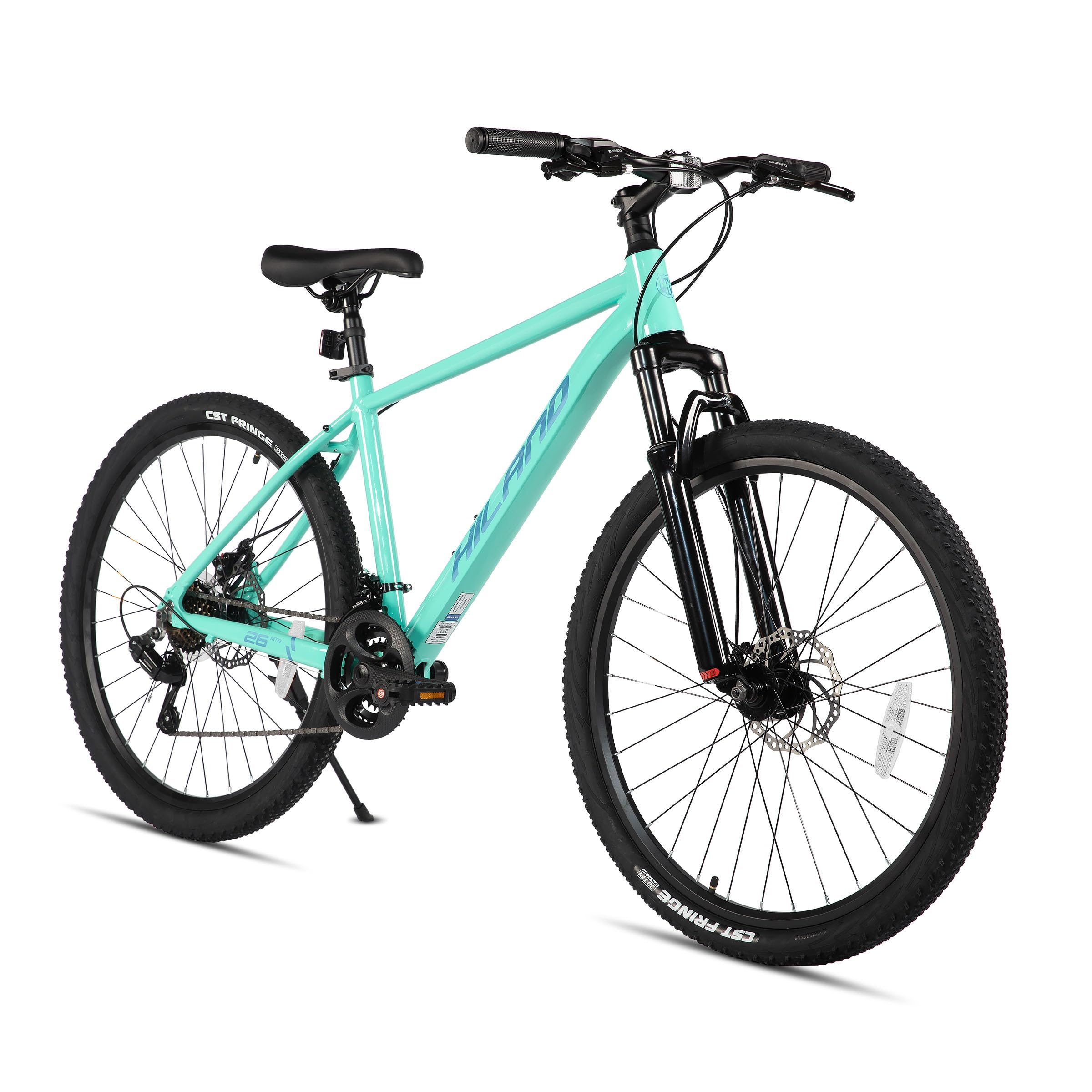
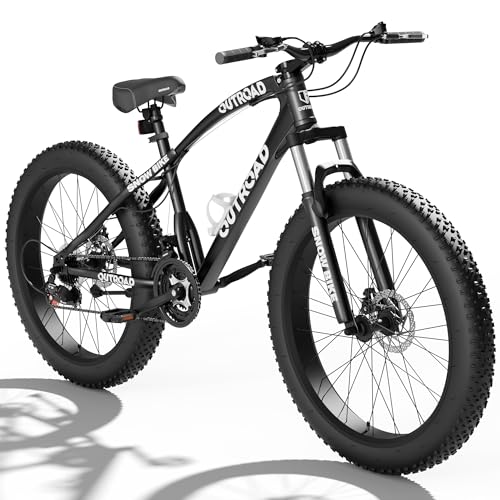

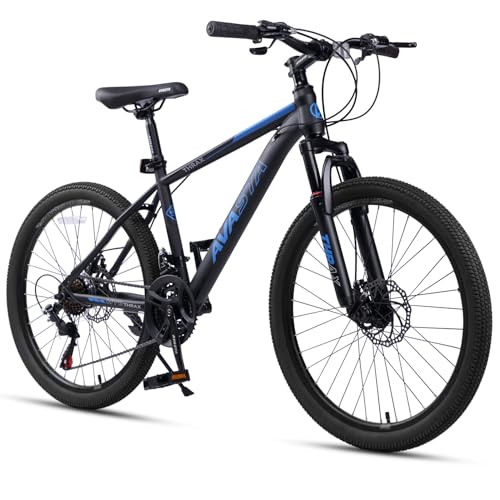
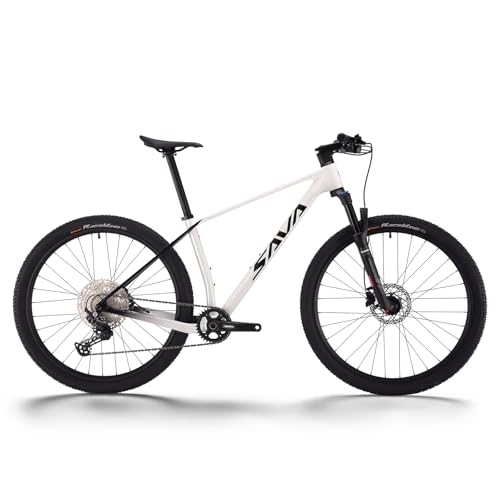
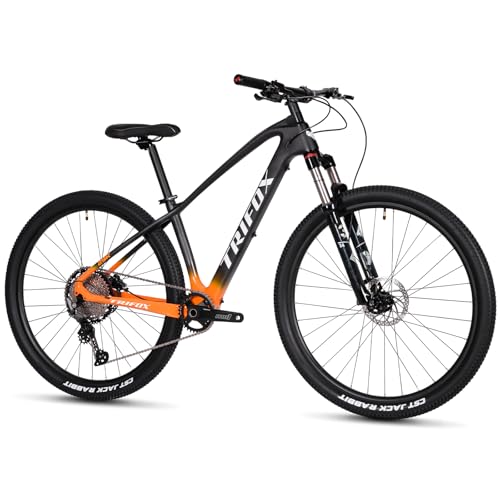


How to Evaluate Chinese Mountain Bikes
Bike Type and Riding Style
Start with terrain. Cross country bikes are light and efficient for smooth trails and long climbs. Trail bikes balance climbing and descending with moderate suspension travel and suit most riders. Enduro bikes add travel and stronger parts for steep, rough descents, at the cost of weight on climbs. If most of your riding is pavement, gravel, or smooth park paths, a mountain bike may be more bike than you need, and a hybrid style could serve you better at lower cost and with less maintenance.
Motor, Battery, and Range (for E Bikes)
Electric models add a motor decision. A mid drive motor places weight centrally and uses the bike gears, which helps on hills and trails. A hub motor is simpler and often cheaper, but rear wheel weight can make trail handling and flat repairs harder. Battery size in watt hours, written as Wh, predicts range better than motor power alone. A 500 Wh battery may give about 25 to 50 miles depending on assist level, rider weight, and hills. For safety, look for a battery and system with recognized electrical certification such as UL 2849 where available, and charge and store the battery as the maker directs, away from extreme heat.
Brakes (Hydraulic vs Mechanical Disc)
Hydraulic disc brakes are the standard to aim for on any bike ridden on real trails. They give stronger stopping with less hand effort and adjust automatically as pads wear. Mechanical disc brakes cost less and use a cable, but need more frequent adjustment and feel less consistent in wet conditions. Rim brakes belong only on the lightest duty riding. A practical check is rotor size: 160 mm rotors suit lighter riders and gentle trails, while 180 mm rotors give stronger riders and steeper terrain more control and heat capacity.
Drivetrain and Gearing
A 1x drivetrain uses one front chainring and a wide range rear cassette, which simplifies shifting and drops fewer chains on rough ground. It is the right default for most trail riders. A 2x setup can give finer steps between gears for mixed road and trail use, but adds a front derailleur to maintain. Count the cassette range rather than the number of gears alone. A cassette spanning about 11 to 50 teeth gives a true climbing gear, while a narrow cassette will leave you walking steep hills regardless of marketing claims.
Wheel Size and Tires
29 inch wheels roll over roots and rocks more smoothly and hold speed well, and they suit taller riders and cross country to trail use. 27.5 inch wheels feel quicker to turn and fit smaller riders more easily. Tire width around 2.2 to 2.4 inches balances grip and rolling speed for most trails. Tubeless ready rims and tires let you run lower pressure for grip and reduce punctures from thorns, since sealant closes small holes. Confirm the rim is truly tubeless ready and not just tubeless compatible in name.
Suspension (Hardtail vs Full Suspension) and Travel
A hardtail has front suspension only, costs less, weighs less, and needs less service, which makes it ideal for smoother trails and tighter budgets. Full suspension adds a rear shock for control and comfort on rocky, root filled descents. Travel guides the match: about 100 to 120 mm suits cross country, 120 to 140 mm suits trail riding, and 150 to 160 mm suits enduro terrain. More travel on easy trails wastes energy and money, so buy for the hardest trail you ride often, not the one you might visit once.
If an electric trail bike is your real target, compare motor and battery details in our guide to the best chinese electric mountain bike before you settle on a frame type.
What Each Price Tier Should Deliver
Entry Tier, Under About $500
At this level, a sensible hardtail with an alloy frame, a 1x drivetrain with a modest cassette, and mechanical or basic hydraulic disc brakes is a realistic goal. Spend on brakes and fit before suspension features. A lockout lever and brand name fork decals matter less than a fork that moves smoothly and can be serviced. Expect some assembly work on delivery, and budget for a professional safety check, pedals you like, and a helmet if you do not own one.
Mid Tier, About $500 to $1,200
This band should bring hydraulic brakes as standard, a wider range 1x drivetrain, tubeless ready wheels, and an air spring fork you can adjust for your weight. Frame geometry should be published in full, with reach, stack, and standover numbers you can compare to your current bike. Dropper post compatibility is a real plus here, because a dropper improves descending confidence more than most other upgrades. Warranty support from a seller with a United States contact is worth paying for in this tier.
Higher Tier, About $1,200 and Up
Above this point you are paying for lower weight, better suspension damping, and stronger wheels. Carbon frames enter the picture, along with through axles front and rear and refined geometry. If you are comparing frame material on its own, our guide to the best chinese carbon mountain bike frame explains layup claims and inspection checks in detail. At this price, a missing geometry chart or vague parts list is a stronger reason to walk away, because the money at stake is larger.
Quick Buyer Checklist
- Does the frame size match your height and inseam using the maker sizing chart, not just a letter label?
- Are the brakes hydraulic disc, with rotor sizes that suit your weight and terrain?
- Does the cassette include a low gear near 50 teeth for real climbs?
- Are the wheels tubeless ready, and are spare parts such as the derailleur hanger available to order?
- Is the full geometry chart published, including reach and standover height?
- For an e bike, is the battery size listed in watt hours with a recognized safety certification?
- Is the warranty at least one year on the frame, with a clear contact for claims?
- Have you budgeted for assembly, a tune, pedals, and basic safety gear?
Red Flags to Watch For
- Vague parts descriptions such as a famous brand name used for the whole groupset when only one small part comes from that brand.
- No geometry chart, no weight limit, or a rider weight limit that is far below what the bike style implies.
- For e bikes, no battery certification, no charger details, or range claims with no assist level or terrain stated.
- A warranty that requires shipping the whole bike overseas at your cost for any claim, however small.
- Listings where every review is short, five stars, and posted within the same few days.
Riders who split time between trail styles can compare geometry and travel choices in our guide to the best all mountain mountain bike to see where a versatile middle ground sits.
Care and Maintenance Tips
Check tire pressure before every ride, since mountain tires lose air faster than road tires and low pressure invites rim damage. Clean and lube the chain every 100 to 200 miles, or after any wet or dusty ride, and wipe off excess lube so grit does not stick. Have a professional tune up yearly to check brake pads, bearing play, and wheel true. One step many new owners miss is to photograph the bike and record the frame serial number on day one, which helps with warranty claims and theft reporting later.
Frequently Asked Questions
Hardtail or full suspension for beginners?
A hardtail is usually the better first bike because it costs less, weighs less, and teaches clean line choice on the trail. Its simpler rear end also means one less shock to service. Move to full suspension when your regular trails are rocky or root filled enough that rear wheel bounce, not fitness or skill, is what slows you down. Renting a full suspension bike for one day on your home trails is a cheap way to test that judgment.
How far can an e bike go on one charge?
Most trail e bikes travel about 25 to 50 miles per charge, with range driven by assist level, hills, rider weight, and tire pressure. Riding in the lowest assist mode on gentle terrain can extend that figure, while full power climbing cuts it sharply. Treat maker range claims as a best case. A useful habit is to plan rides using about two thirds of the claimed range, so a headwind or a detour never leaves you pedaling a heavy bike with a flat battery.
How much should I spend on my first bike?
About $500 to $900 buys a hardtail that is safe, serviceable, and fun on real trails from many direct brands. Spending less often means brakes and gearing you will want to replace within a season. Spending more mainly buys lower weight and better suspension. Reserve part of the budget for a helmet, gloves, a pump, and a first service. A slightly cheaper bike that fits you well will always beat a pricier bike in the wrong size.
What size bike do I need?
Use the maker chart with your height and inseam, then sanity check standover height and reach. Between sizes, smaller usually feels more playful and larger feels more stable at speed. Riders new to the sport often prefer the smaller option for confidence at low speed. If you are still unsure, our guide to the best bike for mountain biking walks through fit for different trail types in more depth.
What e bike class is legal where I live?
Class 1 e bikes assist only while you pedal, up to 20 mph, and are allowed on many trails. Class 2 adds a throttle with the same speed limit, and Class 3 assists to 28 mph and is often limited to roads and bike lanes. Rules differ by state, city, and trail system, and land managers can restrict any class. Check your local trail authority before you buy, because a bike that is legal on the road may still be barred from your favorite singletrack.
Our Verdict
Fit, brakes, and gearing decide whether a mountain bike is a joy or a project, so judge those before frame material or color. Use the product table above to compare finalists against the checklist, tier guidance, and red flags in this guide. When a listing answers every checklist question clearly, you have likely found the best chinese mountain bike for your trails, your size, and your budget.


