Best Chukar Hunting Boots: A Buying Checklist for 2026
Disclosure: We may earn a commission when you buy through links on this page, at no extra cost to you. As an Amazon Associate I earn from qualifying purchases. Learn more

Learn how the best chukar hunting boots should fit, grip loose rock, support long climbs, and handle water, so you can choose with confidence.
Chukar country is steep, rocky, and often far from the truck, so your boots have to climb, traverse, and descend for hours without punishing your feet. The best chukar hunting boots are not ordinary tall boots with a stiff sole. They combine secure fit, real ankle support, and an outsole that holds on loose rock.
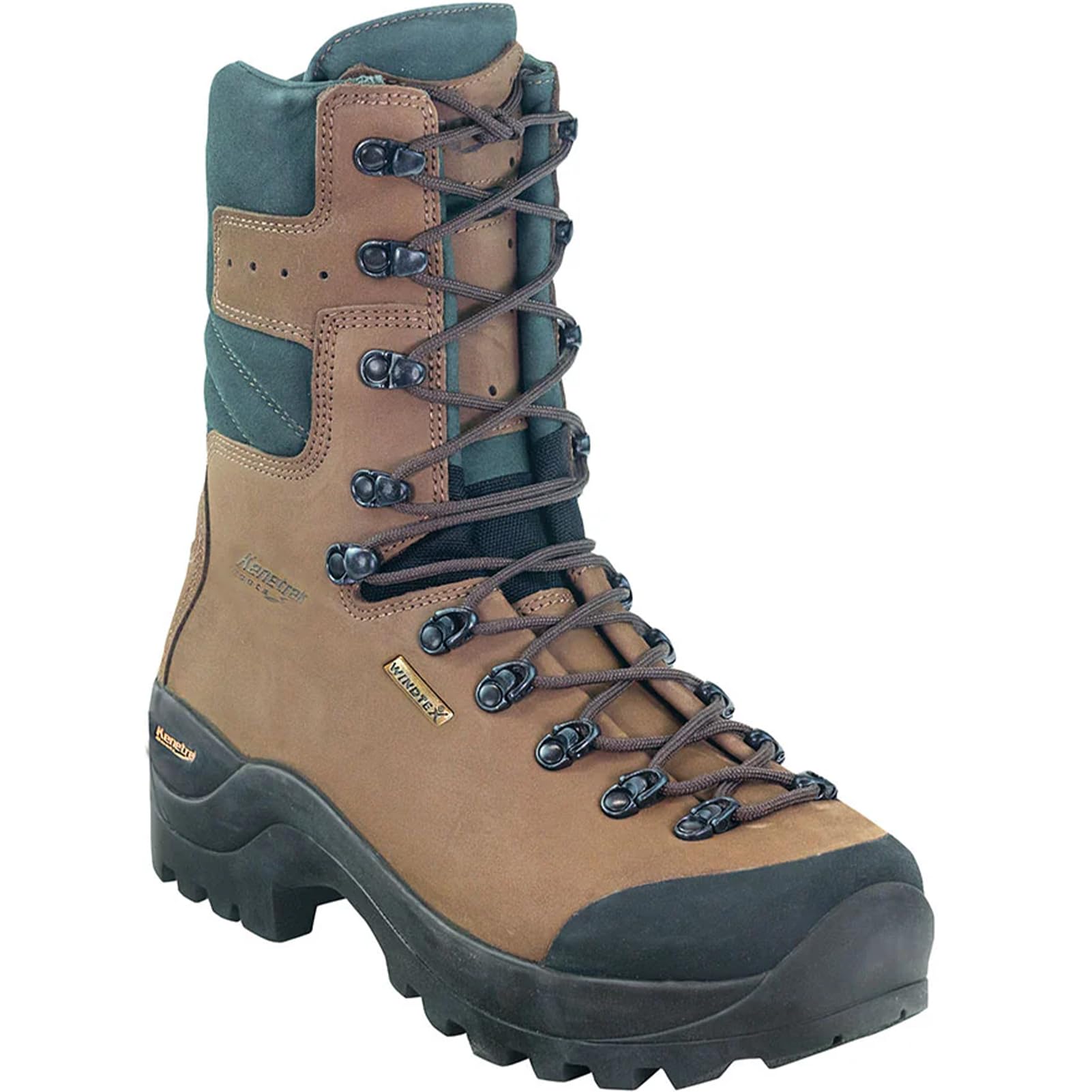
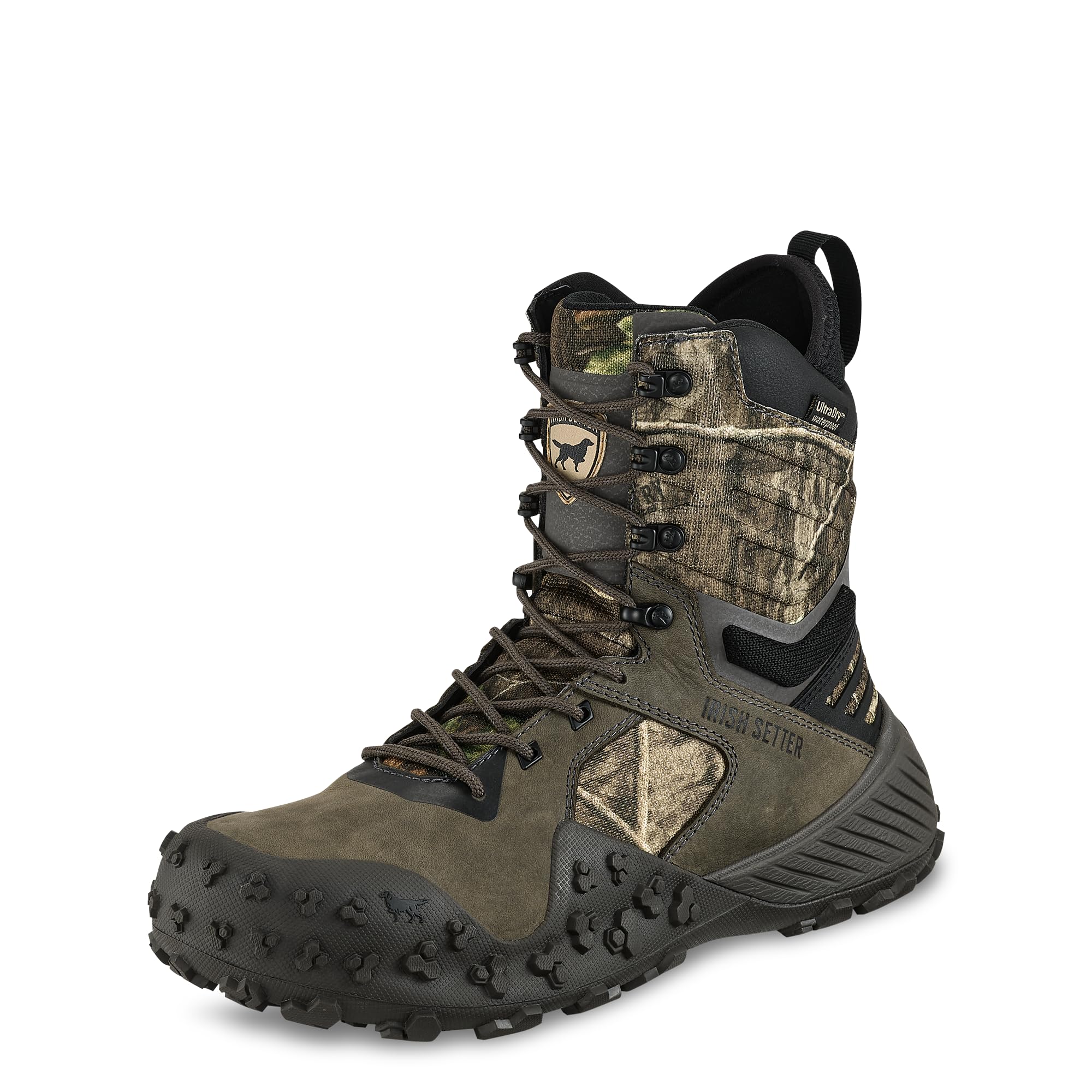
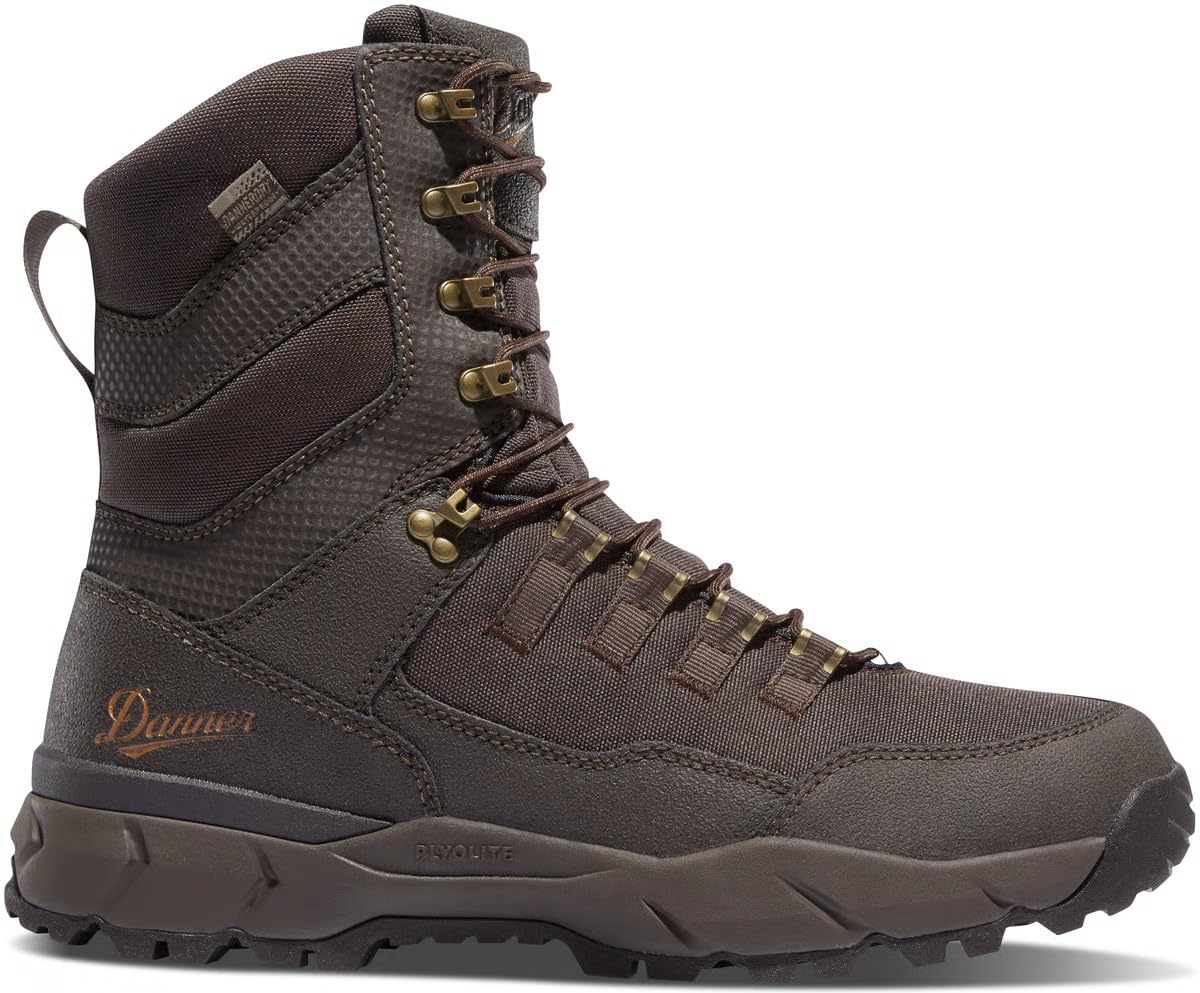
This guide walks through the criteria that matter most on basalt slopes, scree, and dry canyon trails. Use it to judge fit, cushioning, durability, and waterproofing, and start with the comparison table below as you read.




How to Evaluate Chukar Boots: A Practical Checklist
The birds live on steep faces where every step lands at an angle. If your hunts also cover flat timber or fields, see our guide to the best hunting boots for the wider picture, then return to the chukar specific points below.
Fit, Sizing, and Toe Box
Measure your feet late in the day, when they are slightly swollen, and wear the socks you will hunt in. You want a snug heel with almost no lift, a secure midfoot, and room in the toe box for your toes to spread. On descents your toes should never jam into the front, because repeated impact turns into sore toenails.
Try boots on an incline board or stairs if the store allows it, and walk down as well as up. Hunters comparing mens lasts and widths can also see our guide to the best hunting boots for men for background. When you are between sizes, the larger size usually works better with thick socks and swollen feet.
Break In Period and Comfort Out of the Box
A supportive chukar boot should feel secure right away, but it will rarely feel fully broken in on day one. Start with short walks around home, then add easy trails, then carry a light pack on hills before any real hunt. Gradual use reveals hot spots while you can still adjust lacing or socks.
Never make opening day the first outing in new boots. Rubbing that appears within the first mile usually gets worse on steep ground, not better.
Arch Support and Foot Type
Know whether you have flat feet, high arches, or something in between, because long climbs expose weak support quickly. Flat feet that roll inward, often called overpronation, usually feel best with a firm heel counter and a stable midsole. High arches often need more cushioning underfoot.
Most chukar boots use a neutral platform, so support comes from fit and structure rather than corrective posts. Removable insoles let you add an aftermarket insole with stronger arch support if the stock one feels flat. If you develop sharp heel pain, lasting numbness, or pain that changes how you walk, talk with a clinician or foot specialist about your personal needs.
Cushioning, Stability, and Heel to Toe Drop
Cushioning matters most under the forefoot, where rock edges press through the sole on every climb. A midsole should absorb that pressure without feeling so soft that your foot rolls on angled ground. Stability in a boot comes from torsional stiffness, a locked heel, and a collar that supports the ankle.
Heel to toe drop describes how much higher the heel sits than the forefoot, and many hunting boots fall around 8 to 12 mm. A higher drop can feel easier on steep descents, while a lower drop places more load on your calves and Achilles tendon.
Durability and Expected Lifespan
Basalt, lava rock, and gritty dust wear boots faster than soft forest trails do, so inspect the upper as carefully as the sole. A protective rubber rand around the toe and sides, strong stitching, and full grain leather or tough synthetic panels all resist abrasion well.
Expect the outsole edges to round off long before the upper wears out. A boot that still fits well but no longer grips on loose rock has reached the end of its useful hunting life, even if it looks fine.
Weight and Flexibility
Every ounce on your feet costs extra energy across a full day of climbing, so lighter boots have a real appeal. The trade off is protection, because very light boots let sharp rock bruise your feet and let your ankles work much harder on traverses. A moderately stiff shank keeps the boot from twisting while still allowing a natural stride.
Judge flexibility by hand before you buy. The forefoot should bend where your toes bend, while the middle should resist twisting. If the whole boot folds easily, it will likely feel unstable under a pack on steep ground.
Choosing the Right Build for Your Terrain and Style
Once the basics above are covered, match the boot build to the ground you hunt most often. That decision will narrow the best chukar hunting boots to a few honest contenders for your needs.
Steep Rock and Loose Scree
For steep faces, look for deep, widely spaced lugs that shed grit and bite on loose surfaces, plus a defined heel breast that helps you brake on descents. A taller collar, usually around 7 to 9 inches, supports your ankle when a foothold shifts. A firm toe rand also matters here, because you will kick steps into loose slopes.
Lacing that lets you lock the heel separately from the forefoot is worth seeking out here, because that control keeps your foot from sliding forward when the slope turns downward.
Long Mileage Days in Open Country
When you cover many miles between coveys, breathability and underfoot cushioning move up the priority list. Uninsulated uppers with lighter leather run cooler during warm early season hunts in the high desert. A slightly more flexible sole can also feel kinder on long flat stretches, as long as the midfoot still resists twisting.
Boot weight matters even more here because your pack already carries water, shells, and optics. Hunters who glass slopes before climbing may also want to see our guide to the best rated binoculars for hunting alongside their boot research.
Wet Mornings, Snow, and Late Season Hunts
A waterproof membrane such as Gore Tex helps when frost, light snow, or creek crossings are part of your hunt. It will not keep water out if water pours over the collar, so boot height still matters. For flat, flooded ground, some hunters look at our guide to the best rubber hunting boots, but rubber boots lack the ankle support steep slopes demand.
Remember that waterproof boots dry more slowly once water gets inside, and they breathe less well in warm weather. If you can only buy one pair, choose based on the months you hunt most, not the worst day you can imagine.
Quick Buyer Checklist
Before you order, scout your hunting areas, noting water, access, and the steepness of the faces you will climb. Hunters who watch springs and guzzlers in the preseason sometimes consult our guide to the best hunting cameras for that work. Then answer each question below.
- Have you measured both feet late in the day while wearing your hunting socks?
- Does the toe box let your toes spread without your foot sliding side to side?
- Can you walk down a steep incline without your toes hitting the front of the boot?
- Does the outsole have deep lugs and a firm heel for braking on loose rock?
- Is the midfoot stiff enough to resist twisting when you check it by hand?
- Does the level of waterproofing match the season you hunt most often?
- Have you planned at least three or four shorter outings to break the boots in?
Red Flags to Watch For
Weak chukar boots often reveal themselves in vague product pages and soft construction. Watch for these warning signs before you buy.
- The outsole rubber and lug depth are never described, which usually means a flat, soft sole that will skate on scree.
- The boot bends and twists easily along its whole length, so your ankles absorb every sidehill step without support.
- The toe area has no rand or reinforcement, so sharp basalt will cut and peel the upper within a season.
- Sizing guidance ignores descent fit and sock thickness, a common cause of blisters and damaged toenails.
Common Mistakes to Avoid
- Buying low hiking shoes for chukar country, which leaves your ankles exposed on steep traverses.
- Choosing heavy insulation for hot desert hunts, which overheats your feet and encourages blisters.
- Sizing boots with thin everyday socks, which makes the fit far too tight once you wear hunting socks.
- Trying boots only on flat floors, which hides the toe impact that shows up on real descents.
- Ignoring a loose heel at the store, because heel lift almost always worsens as the upper softens.
How to Make Your Chukar Hunting Boots Last Longer
After each hunt, knock out grit, pull out cheatgrass seeds from the laces and tongue, and brush dust from the leather. Loosen the laces, remove the insoles, and let the boots air dry slowly away from direct heat, because hot air can crack leather and weaken sole adhesives.
Clean leather boots with a damp cloth and mild soap when mud builds up, then apply conditioner sparingly and only when the leather looks dry. Over conditioning softens leather too much and reduces support. Store boots upright in a dry place, loosely laced, so the collar keeps its shape.
Check the rand, stitching, and sole bond every few hunts, and repair small separations early before grit pries them wider. Replace worn laces and tired insoles promptly, since both are cheap compared with a new boot.
Frequently Asked Questions About Chukar Boots
Are expensive chukar hunting boots worth the cost?
Expensive chukar hunting boots are worth the cost when the extra money buys better leather, a stiffer and more durable sole, and a fit that matches your feet. Spread across several seasons, that cost per hunt often looks reasonable. Price alone guarantees nothing, though, so judge the construction points in the product table above rather than the tag.
How should chukar hunting boots fit for steep terrain?
Chukar hunting boots should fit snugly through the heel and midfoot, with enough toe room that descents never drive your toes into the front. A useful extra check is the heel lock lacing method, which loops the top eyelets to pull the heel back. Use that technique on steep days even if your normal lacing feels fine on flat ground.
How long is the break in period for chukar hunting boots?
The break in period for chukar hunting boots is usually two to three weeks of gradually longer walks before a serious hunt. Stiff leather models sit at the longer end of that range, while lighter synthetic models settle sooner. Adding stairs and short hill repeats during the second week prepares the boots, and your feet, for real climbing loads.
Can you wear chukar hunting boots all day?
You can wear chukar hunting boots all day once they are broken in and paired with socks that manage moisture well. A simple habit that helps on long days is stopping once at midday to air your feet and change into dry socks. That short break reduces friction, cools swollen feet, and makes the afternoon climbs feel noticeably easier.
How often should you replace chukar hunting boots?
You should replace chukar hunting boots when the tread at the heel and forefoot is visibly rounded, the midsole feels flat and harsh, or the upper no longer holds your ankle securely. Keeping a rough note of your hunting miles each season makes the decline easier to spot. Replace them before a big trip rather than gambling on worn grip far from the road.
Do chukar hunting boots need to be waterproof?
Chukar hunting boots do not need to be waterproof for dry early season hunts, and breathable models are usually more comfortable then. Waterproofing earns its place for frost, snow, and creek crossings later in the year. Lightweight gaiters are a useful middle ground, because they keep cheatgrass seeds and small stones out of breathable boots without sealing in heat.
Final Thoughts
Fit on descents, grip on loose rock, and support on sidehill traverses are the three checks that matter most. Use this guide to compare the options in the product table above against your terrain, season, and feet. When those pieces line up, the best chukar hunting boots will let you focus on the birds instead of your next step.